
Prickly Pear
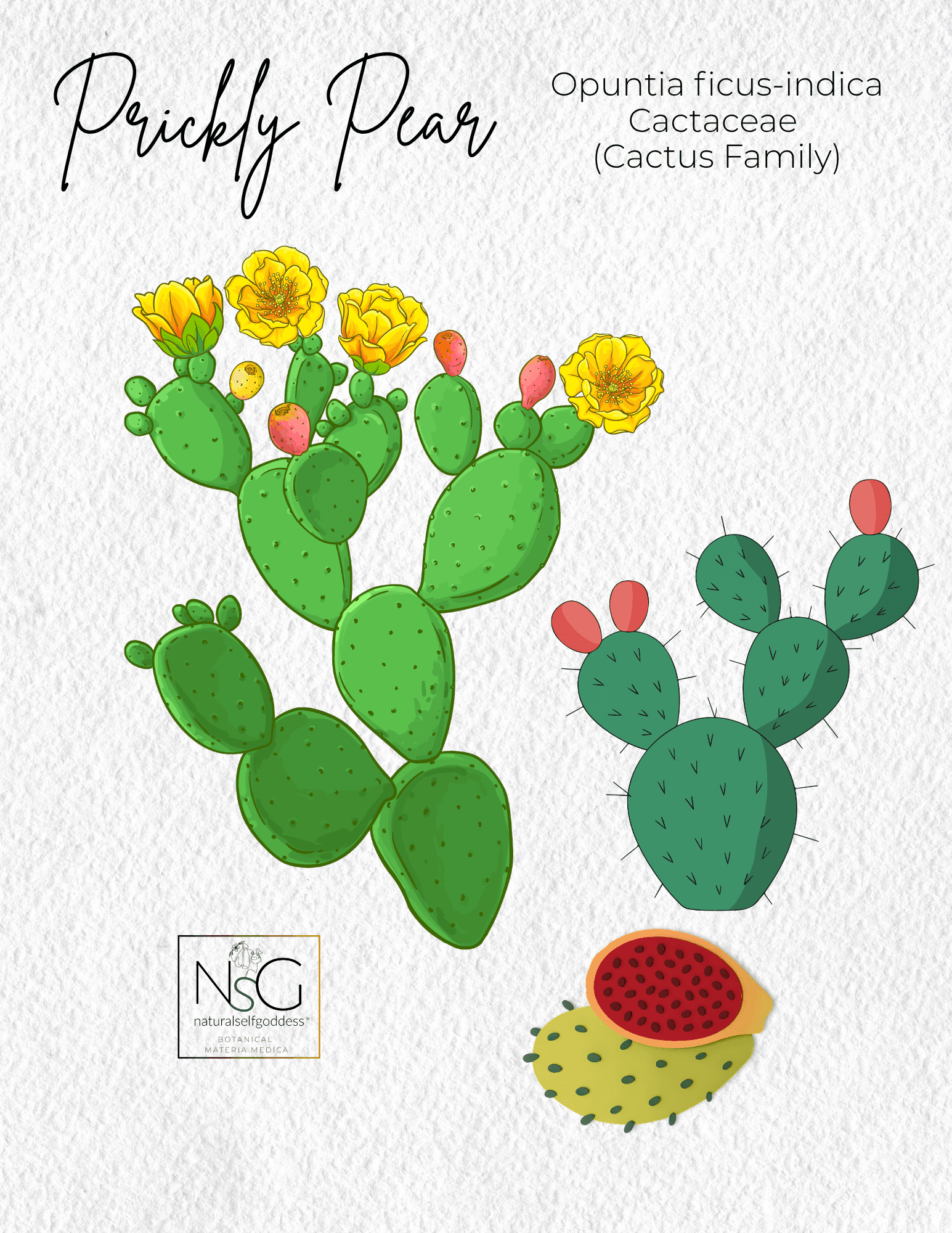
Opuntia ficus-indica (and other Opuntia species)
Cactaceae (Cactus Family)
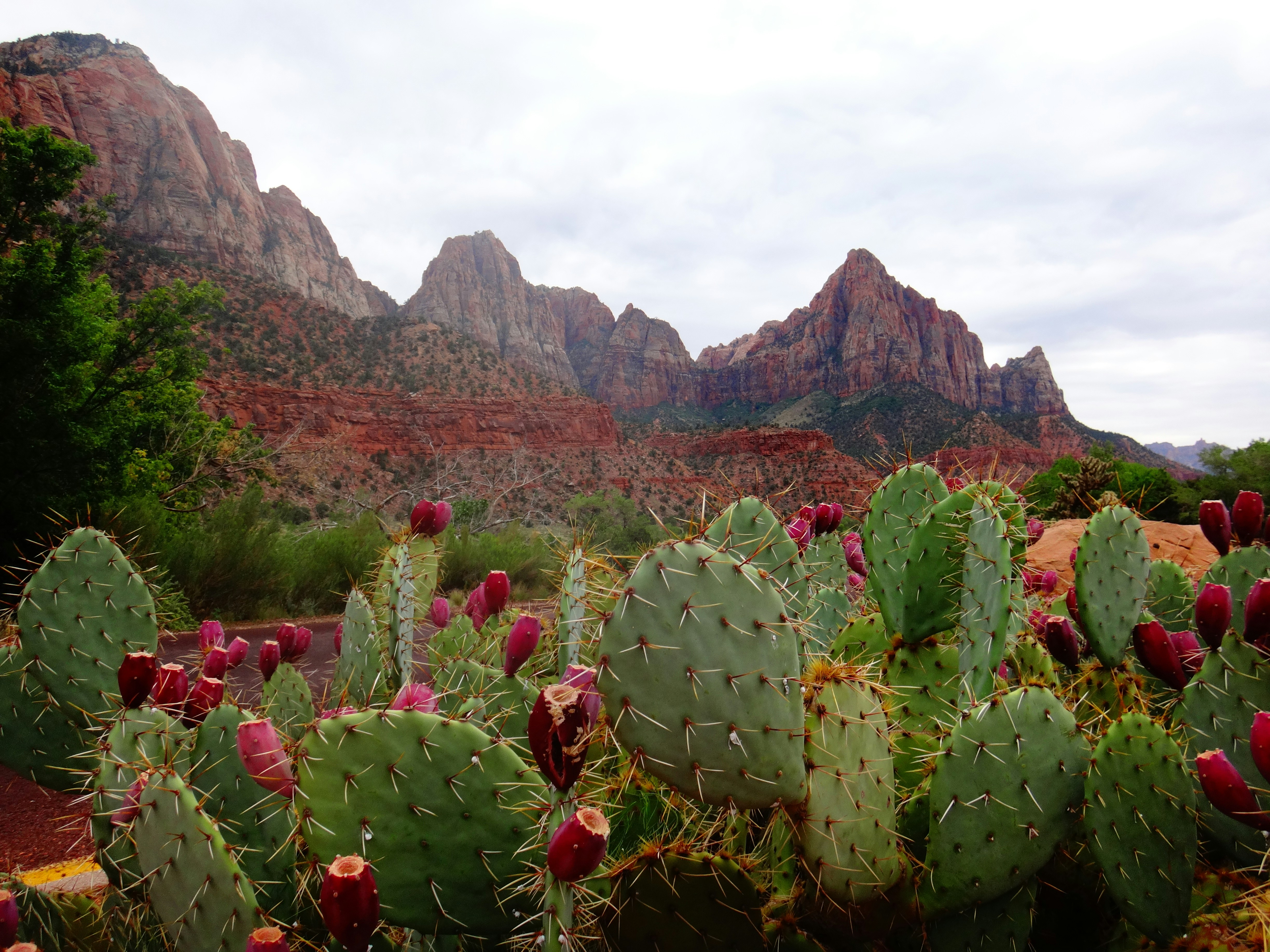
Native to Mexico, Central America, and throughout the Americas. Now naturalized in the southwestern United States, the Mediterranean region, Australia, Africa, and other arid and semi-arid regions worldwide. Thrives in desert and semi-desert climates with well-drained soil and full sun exposure.
Overview
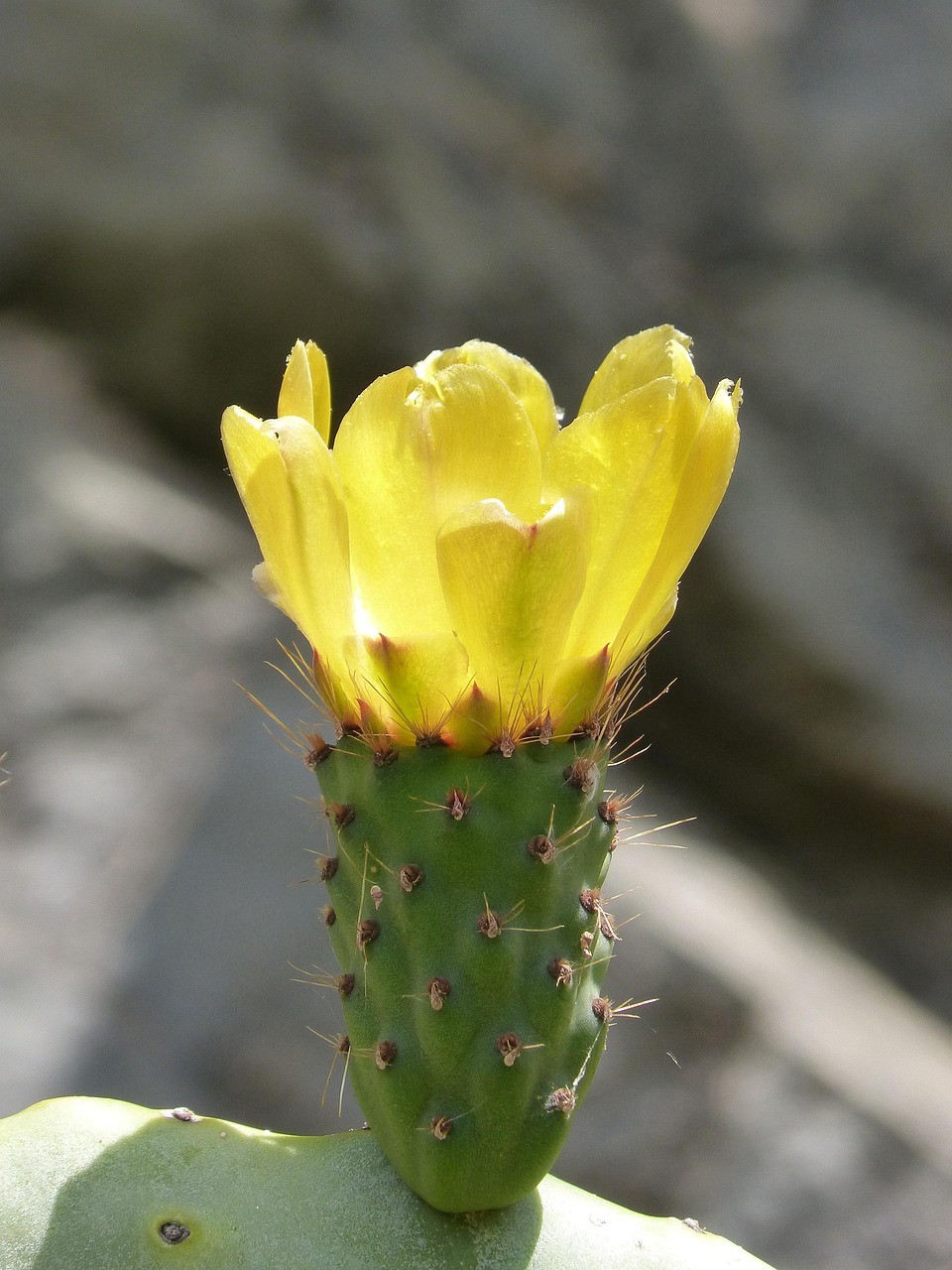
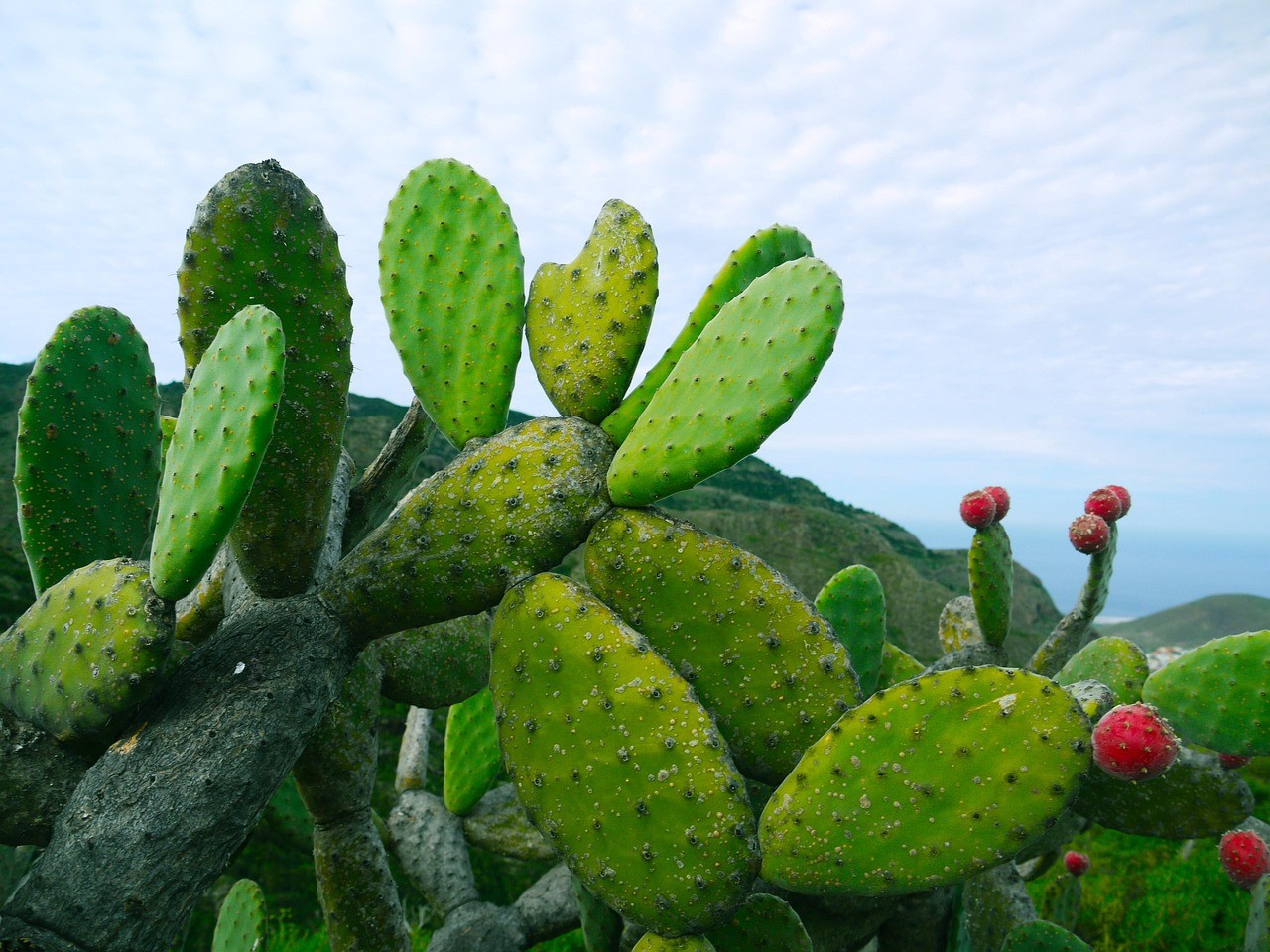
Prickly Pear carries the paradox of the desert within its being. Covered in protective spines yet yielding sweet, jewel-toned fruit, this cactus teaches us about resilience softened by generosity. For millennia, it has nourished people across continents, offering both sustenance and medicine in landscapes where little else survives. This is a plant that transforms harshness into abundance, storing water and vitality in its paddle-shaped pads and producing fruit that glows like sunset against the desert sky.
Energetic & Emotional Profile
The energy of Prickly Pear speaks to endurance without brittleness, protection that doesn't close the heart. It holds moisture in parched conditions, reminding us of our own capacity to preserve inner resources during times of external scarcity. There is something profoundly grounding about this plant, a steadiness born not from avoiding difficulty but from learning to thrive within it. Prickly Pear encourages us to develop protective boundaries that are strong but not rigid, to find sweetness even in challenging terrain, and to recognize that true abundance often emerges from places others might consider barren.
Traditional Uses
Across cultures and centuries, Prickly Pear has been celebrated as both food and medicine. Indigenous peoples of the Americas recognized it as a complete resource, using the fruit for sustenance, the pads for healing wounds and reducing inflammation, and the entire plant for everything from water storage to natural dyes. Mexican traditional medicine, or curanderismo, has long valued the nopales for managing blood sugar levels and supporting digestive health. The fruit, called tunas, was eaten fresh or dried for winter storage, providing essential vitamins and hydration in arid climates.
The cactus pads were split and applied warm to wounds, burns, and inflamed joints. They were also used to increase milk flow in nursing mothers and to treat rheumatism, mumps, and swelling. In some traditions, the pads were roasted and held against the body to reduce pain and inflammation. The vibrant juice from the fruit served not only as nourishment but also as a natural textile dye, its deep reds and purples coloring fabrics with the essence of the desert sun.
Safety Considerations
Prickly Pear is generally well-tolerated as a food and has been consumed safely for thousands of years. However, the plant must be properly prepared to remove all glochids (tiny hair-like spines) from both fruit and pads, as these can cause irritation if ingested or embedded in skin. Those with diabetes should monitor blood sugar levels when using Prickly Pear regularly, as it may lower glucose levels. Pregnant and nursing people should consult a qualified healthcare practitioner before using medicinal preparations beyond normal culinary amounts. As with any herb, individual sensitivities vary, so approach with mindful attention to your body's response.
Tags
desert-medicine, blood-sugar-support, nutritive-cactus, anti-inflammatory, wound-healing, antioxidant-rich, traditional-food, resilience-herb, drought-resistant, indigenous-medicine
Tea Recipes
Herbal Tea Recipe: Nopalitos Tea (Prickly Pear Pad Tea)
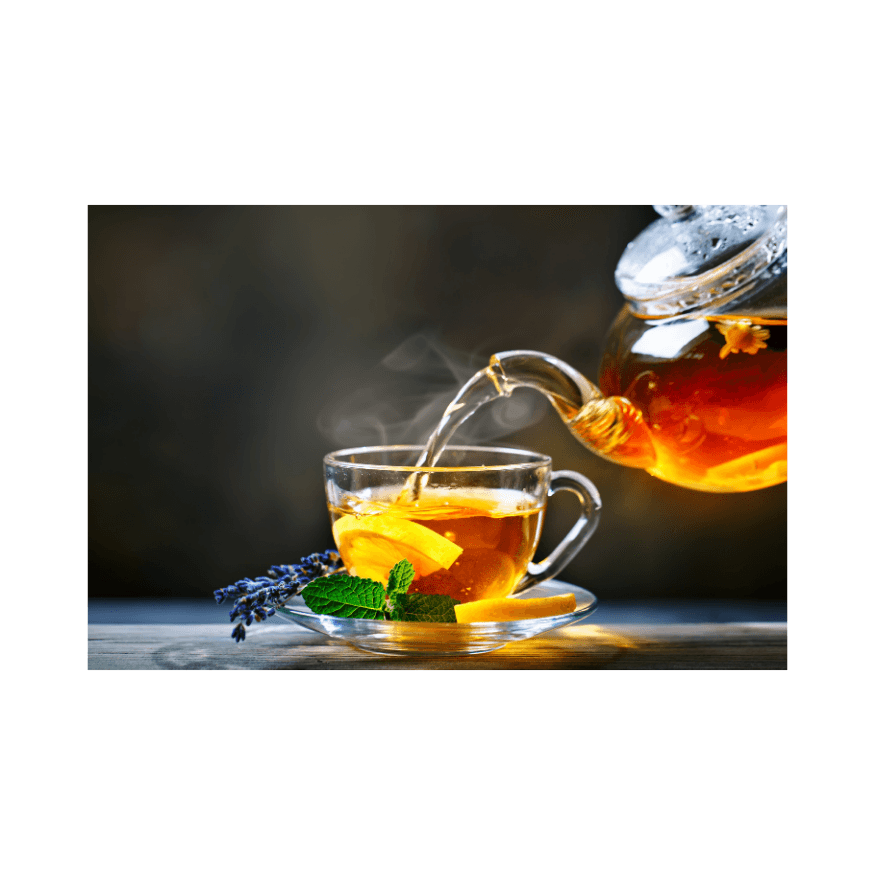
Prickly Pear pad tea brings a subtle, earthy quality to the cup, with a slightly viscous texture from the plant's natural mucilage. Traditionally used to support blood sugar balance and provide gentle, mineral-rich nourishment, this tea works well when the body needs grounding support and sustained energy.
Ingredients
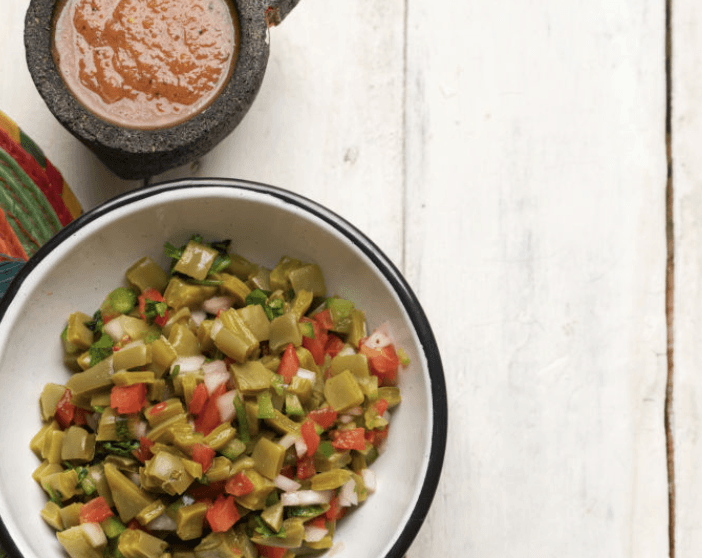
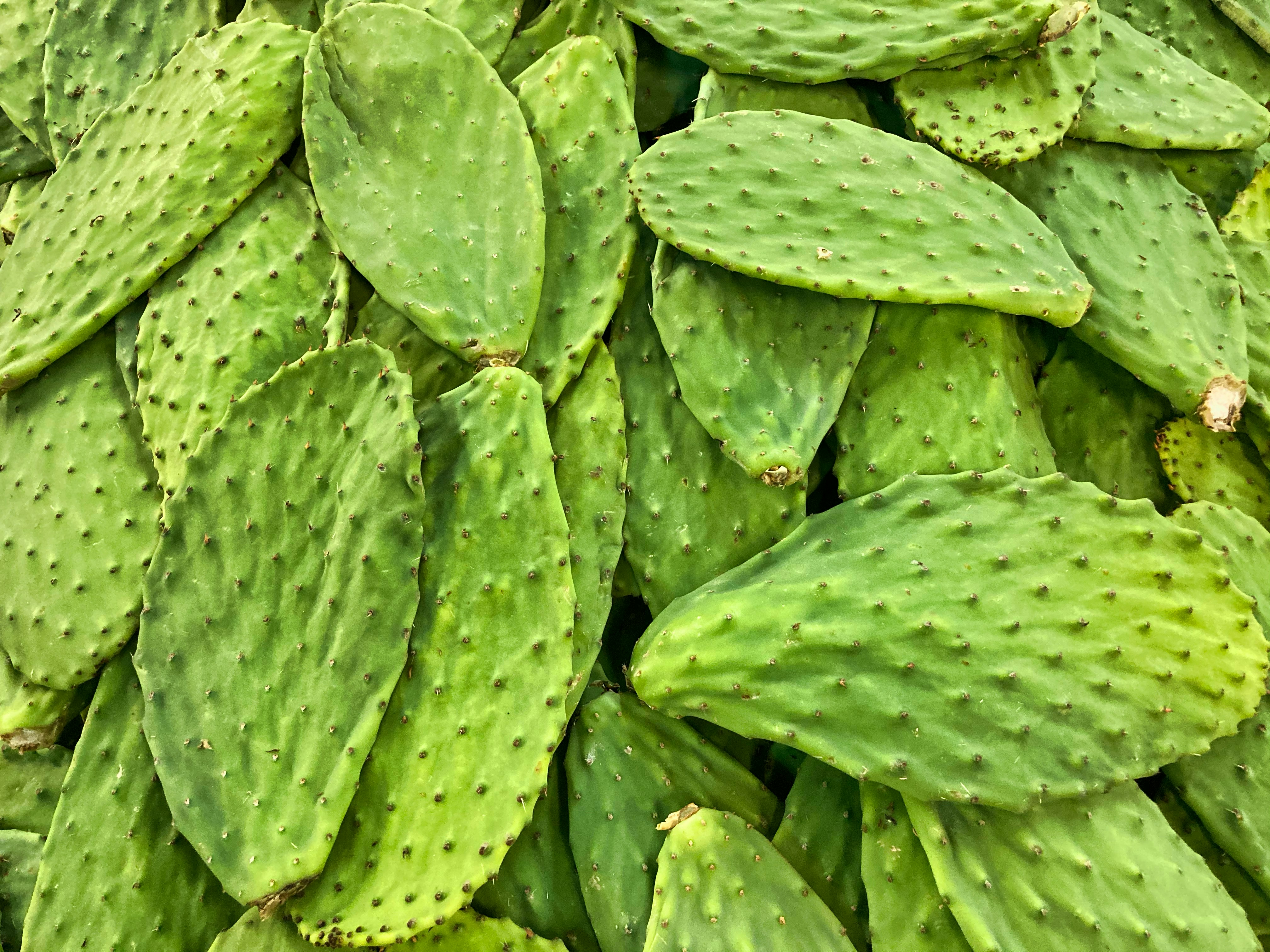
1 fresh nopale (cactus pad), de-spined and diced (about 1 cup)
2–3 cups water
Optional additions: fresh lime juice, a touch of honey, or a pinch of cinnamon
Method
Thoroughly clean the nopale pad under running water, scrubbing with a vegetable brush to remove all glochids (tiny hair-like spines).
Using a sharp knife, carefully trim away the edges and any remaining spines or eyes.
Dice the pad into small pieces (approximately 1-inch cubes).
Place the diced nopales in a pot with water.
Bring to a gentle boil, then reduce heat and simmer for 15–20 minutes until the pad pieces are tender and the water has taken on a slightly viscous quality.
Strain through a fine-mesh strainer, pressing gently to extract the liquid.
Serve warm, adding lime juice, honey, or cinnamon to taste.
Notes for Use
Traditionally used as a daily tonic for blood sugar support, digestive health, and gentle mineral replenishment. The mucilaginous quality can be soothing to the digestive tract. Some traditions recommend drinking this tea first thing in the morning before eating.
Safety Considerations
Those managing diabetes should monitor blood sugar levels when drinking nopales tea regularly, as it may have hypoglycemic effects. Start with small amounts to assess individual tolerance.
Prickly Pear Fruit Agua Fresca
Ingredients
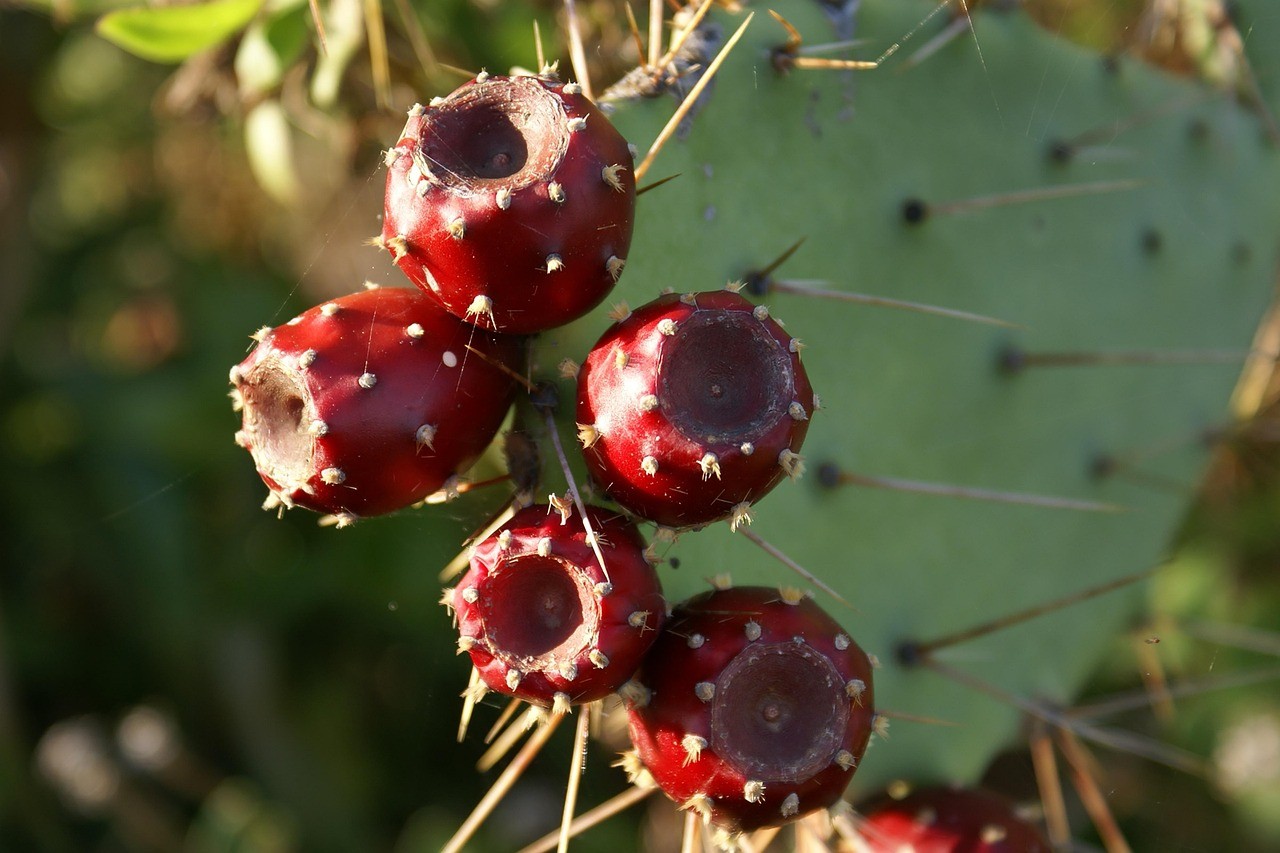
4–5 ripe prickly pear fruits (tunas), spines removed
4 cups water
2–3 tablespoons honey or agave (adjust to taste)
Juice of 1 lime
Ice
Method
Wearing gloves, carefully remove the thick outer skin of the prickly pear fruits.
Place the prepared fruit in a pot and cover with water.
Bring to a gentle boil, then turn off heat and allow to cool.
Once cool enough to handle, mash the fruits with a potato masher.
Strain through a fine-mesh sieve, pressing firmly to extract all liquid while leaving seeds behind.
Add honey or agave and lime juice to the strained liquid.
Stir well and serve over ice.
Notes for Use
A traditional refreshing beverage throughout Mexico and the Southwest, valued for its cooling properties and high vitamin C content. The vibrant color comes from natural betalain pigments with powerful antioxidant properties.
Healing Benefits and Preparations
Healing Benefits and Preparations
Indications & Uses: Blood sugar management, digestive support, anti-inflammatory, wound healing, antioxidant support, liver protection, cholesterol management, immune system support, skin health, hangover relief
Constituents:
Betalains (betacyanins, betaxanthins)
Flavonoids (quercetin, kaempferol)
Phenolic compounds
Vitamins (A, C, E, K, B-complex)
Minerals (calcium, magnesium, potassium, phosphorus)
Fiber and pectin
Amino acids (including taurine)
Fatty acids (from seeds)
Carotenoids
Healing Duration & Preparations:
Tea/Infusion: 1–2 cups daily of nopalitos tea
Fresh Juice: 4–8 ounces of fruit juice or pad juice daily
Food: Fresh nopales incorporated into meals 2–3 times per week
Capsules/Powder: Follow manufacturer's guidelines (typically 500–1000 mg standardized extract)
Dosage: For blood sugar support, studies have used 100–500 grams of fresh nopales per meal. For general health maintenance, regular dietary inclusion is traditional.
Actions: Hypoglycemic, anti-inflammatory, antioxidant, hepatoprotective, wound-healing, nutritive, demulcent, diuretic
Safety & Contraindications:
May interact with diabetes medications (monitor blood sugar closely)
High fiber content may cause temporary digestive adjustment (bloating, gas, mild diarrhea) when first introduced
Ensure all glochids are thoroughly removed before consumption
Pregnant and nursing people should use culinary amounts only and consult a healthcare provider for medicinal doses
Energetics: Cooling, moistening, grounding
Duration: Blood sugar benefits may be noticed within 2–4 weeks of regular use. Antioxidant and anti-inflammatory effects build with consistent consumption over time.
Potency Level: Gentle to moderate when used as food; more potent in concentrated extracts
Taste Profile:
Pads (nopales): Mildly tart, slightly vegetal, with a mucilaginous texture similar to okra
Fruit (tunas): Sweet, delicate, subtly floral with hints of watermelon and berry
Growth Habitat: Perennial succulent cactus, thrives in arid and semi-arid climates with full sun exposure and well-drained, sandy or rocky soil. Extremely drought-tolerant once established. Can withstand hot summers and tolerates mild frost.
Harvest Notes:
Fruits: Harvest in late summer to early fall (July–October in Northern Hemisphere) when fruits are deeply colored and slightly soft to touch. Use tongs and thick gloves to handle.
Pads: Young, tender pads (nopales tiernos) are best for culinary use; harvest in spring when they are bright green and before they toughen. Older pads can be used medicinally.
Sustainable practice: Never harvest more than 1/3 of pads from a single plant. Broken pads will readily root, allowing for plant propagation.
Historical References
Prickly Pear's history weaves through continents and centuries, from Aztec codices to Spanish colonial records to modern ethnobotanical research. The Aztecs called the fruit "nochtli" and revered it as a sacred plant, featuring it prominently in the founding myth of Tenochtitlan (modern-day Mexico City), where an eagle perched on a prickly pear cactus signaled the location for their great city.
Spanish conquistadors documented extensive prickly pear cultivation throughout Mesoamerica in the 16th century, noting its use as food, medicine, and even as the host plant for the cochineal insect, source of a precious crimson dye that became one of the New World's most valuable exports. The Spanish introduced prickly pear to the Mediterranean, North Africa, and eventually to colonies worldwide, where it naturalized and integrated into local food and medical systems.
In 18th and 19th century American Southwest, both Indigenous peoples and settlers relied heavily on prickly pear during harsh seasons. Journals from Spanish missions document its medicinal applications for treating fevers, wounds, and digestive complaints. Early botanical surveys by researchers like Edward Palmer and Volney Jones in the late 1800s and early 1900s documented extensive Indigenous uses across dozens of tribal nations.
Modern scientific interest in prickly pear began in earnest in the mid-20th century, with Mexican researchers investigating traditional claims about its effects on blood sugar. Studies in the 1980s and 1990s confirmed what Indigenous and traditional practitioners had known for millennia: the nopales indeed possess compounds that moderate glucose absorption and insulin response.
Today, prickly pear represents a bridge between ancient wisdom and contemporary research, with hundreds of peer-reviewed studies exploring its antioxidant, anti-inflammatory, neuroprotective, and metabolic benefits. Yet for all the modern science, the plant's deepest teachings remain those held in traditional knowledge: that resilience is not hardness, that protection need not mean isolation, and that even the harshest landscape can yield profound sweetness.
Folk and Spiritual Medicinal Uses
In the spiritual traditions of the Southwest, Mexico, and beyond, Prickly Pear carries medicine that extends far beyond the physical body. This is a plant of paradox and protection, teaching us to be both resilient and yielding, both defended and open.
In Mexican folk Catholic traditions and curanderismo, Prickly Pear is used in limpias (spiritual cleansings) to remove mal de ojo (evil eye) and negative energies. The pads can be passed over the body to draw out spiritual afflictions, then discarded or buried far from the home. Some curanderas prepare baths with nopales water to cleanse away envy, gossip, and energetic attachments that drain vitality.
While Prickly Pear is not traditionally prominent in African American hoodoo and rootwork in the same way as High John or Devil's Shoestring, in southwestern folk magic practices where hoodoo blends with Mexican curanderismo, the plant has found spiritual application. In one recorded practice, prickly pear roots are boiled in stump water and sprinkled around the yard to stop haints (restless spirits) from walking. The protective spines and the plant's fierce survival instinct make it a natural ally for boundary work and spiritual defense.
The fruit's vibrant color, the same hue as blood and sunset, connects it to vitality, passion, and life force. In kitchen witchery, eating the fruit during waxing moons is thought to internalize growth energy and abundance consciousness. The plant's ability to store water through drought makes it a symbol of sustained resources, of reserves that carry us through lean times.
Indigenous spiritual practices honor Prickly Pear as a teacher plant. Its presence on the Mexican flag, emerging from the founding myth of the Aztec empire, speaks to its role as a cosmic axis, a connection between earth and sky, between hardship and divine blessing. The plant reminds us that the most valuable things often require careful approach, that protection and generosity can coexist, and that true abundance comes not from avoiding difficulty but from learning to bloom within it.
Affirmations: "I am both protected and open. I hold my boundaries with strength and flexibility. I find sweetness even in challenging terrain. I store reserves that sustain me through all seasons."
Spiritual Ritual Use: Boundary protection, spiritual cleansing, resilience work, abundance consciousness, desert spirituality, grounding during transformation
Gemstones:
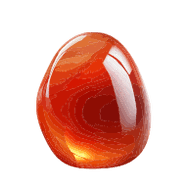
Carnelian (for vitality and creative fire)
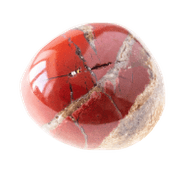
Red Jasper (for grounded strength)
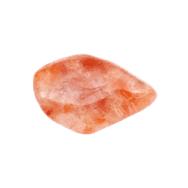
Sunstone (for resilience and light in darkness
Desert Rose Selenite (for desert wisdom)
Phase of the Moon:
Full Moon for protection and completion

Waxing Moon for growth and abundance work

Vibe Code: Resilience, Protection, Abundance-from-Scarcity, Desert Wisdom, Paradox, Endurance, Sweet Strength
The Herbalist's Library: Prickly Pear
Prickly Pear's journey from ancient Indigenous food to modern superfood has been documented across centuries of botanical, ethnographic, and scientific literature. For those seeking to understand its full scope, from nutritional composition to cultural significance to therapeutic applications, the following texts offer trusted guidance.
Foundational Ethnobotany
Ethnobotany of the Pima by Castetter and Underhill provides invaluable documentation of traditional Pima and Tohono O'odham uses of prickly pear as both food and medicine, offering insight into Indigenous ecological knowledge and seasonal harvesting practices.
American Indian Food and Lore by Carolyn Niethammer explores prickly pear's role in Indigenous foodways across the Southwest, with practical information on traditional preparation methods and cultural context.
Scientific & Clinical Resources
Herbal Medicine: Biomolecular and Clinical Aspects (2nd Edition) edited by Benzie and Wachtel-Galor includes peer-reviewed research on prickly pear's bioactive compounds, particularly its betalains, flavonoids, and therapeutic applications for diabetes and metabolic syndrome.
Medicinal Plants of the Desert and Canyon West by Michael Moore offers practical herbalist perspective on prickly pear's medicinal uses, preparation methods, and ecological considerations, grounded in southwestern herbal traditions.
Culinary & Cultural
¡Salud! The Latin American Cookbook by Gabriella Rodiles and Adriana Cavita explores traditional Mexican and Latin American recipes using nopales and tunas, bridging food and medicine in the context of cultural cuisine.
The Prickly Pear Cookbook by Carolyn Niethammer provides dozens of recipes for both pads and fruits, along with harvesting guidance and nutritional information.
Folk Medicine & Curanderismo
Curanderismo: Mexican American Folk Healing by Robert T. Trotter II and Juan Antonio Chavira documents traditional Mexican and Mexican-American healing practices, including the use of nopales in cleansing rituals and therapeutic applications.
Healing with the Herbs of Life by Lesley Tierra includes prickly pear within the broader context of traditional herbalism, with attention to its cooling, moistening properties and applications in inflammatory conditions.
Modern Research
Prickly Pear Cactus: A Natural Product in Cancer Chemoprevention (Research article, Nutrition Journal) and numerous studies published in journals like the Journal of Ethnopharmacology and Phytotherapy Research have explored prickly pear's antioxidant, anti-inflammatory, and chemoprotective potential.
Desert Ecology & Sustainability
Gathering the Desert by Gary Paul Nabhan explores the cultural ecology of the Sonoran Desert, including extensive discussion of prickly pear's role in both wild and cultivated landscapes and its sustainable harvest by Indigenous peoples.
These texts represent only a fraction of the extensive literature on this remarkable plant, but together they offer a foundation for understanding prickly pear's botanical, cultural, and medicinal dimensions.
