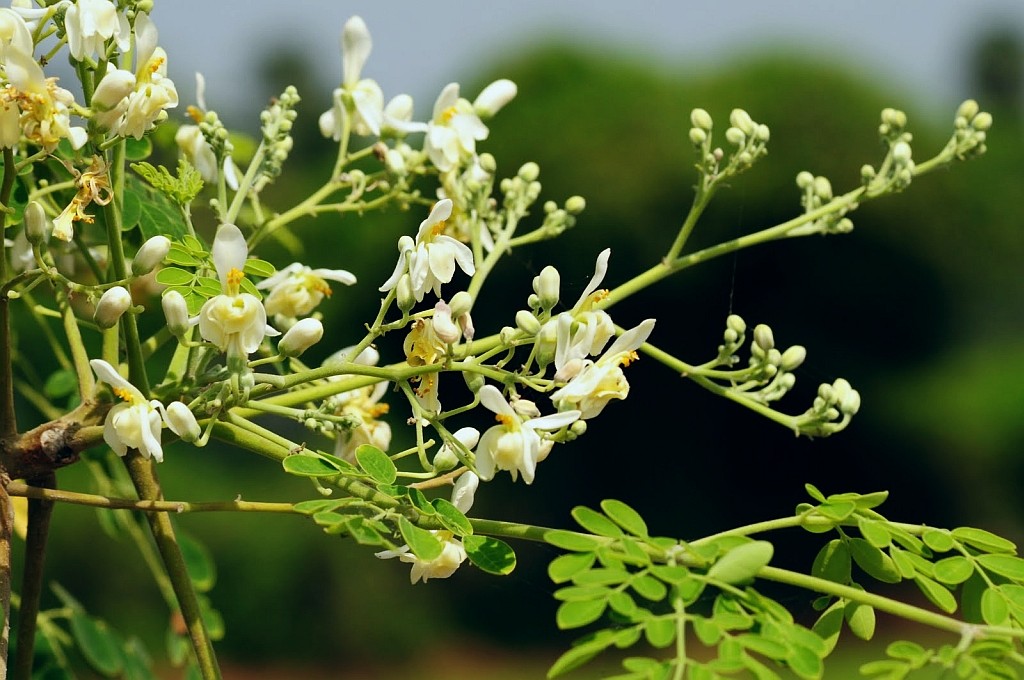
Moringa
Moringa oleifera
Moringaceae
Coming soon.
Overview
Moringa arrives as quiet sustenance wrapped in resilience. Known across continents as the "miracle tree" and "tree of life," it offers a completeness rare in the plant world, nearly every part useful, nourishing, potent. This is a botanical that understands survival and thrives in conditions where others falter, bringing concentrated vitality to communities that have long depended on its steady gifts. There is profound generosity in its nature, leaves rich with nutrients, roots offering medicine, seeds purifying water. It asks little and gives much.
Energetic & Emotional Profile
Moringa's energy moves with gentle, persistent strength. It does not overwhelm but builds slowly, replenishing depleted systems with patient consistency. There is clarity in its effect, a quality of grounded nourishment that steadies both body and spirit when resources feel scattered or drawn thin. It encourages resilience without forcing, supporting the body's capacity to restore itself from within. In times of fatigue or overwhelm, moringa offers a kind of fortification that feels less like stimulation and more like deep, cellular remembering of vitality. It whispers of endurance, adaptability, and the quiet power of systems working in harmony.
Traditional Uses
Moringa has served traditional medicine systems for thousands of years. In Ayurveda, it appears as shigru, valued for balancing all three doshas and supporting joint health, circulation, and digestive fire. Traditional African herbalism has long employed moringa leaves as a nutritive tonic for nursing mothers, growing children, and elders, recognizing its capacity to address malnutrition and restore strength. The leaves are prepared as tea, cooked as greens, or dried into powder. Seeds have been used to purify water in rural communities, while roots, used sparingly and with caution, appear in formulations for inflammation and digestive complaints.
Throughout the tropics, moringa established itself as famine food, reliable sustenance when other crops failed. It became woven into daily life, not merely as medicine but as essential nourishment, a bridge between food and remedy that entire communities could depend upon during lean seasons.
Safety Considerations
Moringa leaf is generally well tolerated when used appropriately. The root and root bark contain alkaloids that can be toxic in large amounts and should only be used under the guidance of a qualified practitioner. Pregnant individuals should avoid moringa root entirely due to potential abortifacient properties, though moderate consumption of leaves is traditionally considered safe. Those taking medications for blood pressure or blood sugar should consult with a healthcare provider, as moringa may enhance these effects. As with any potent botanical, start with small amounts and observe your body's response.
Tags: nutritive-powerhouse, adaptogenic-support, mineral-dense, vitality-builder, traditional-superfood, sustainable-nourishment, blood-sugar-balance, anti-inflammatory
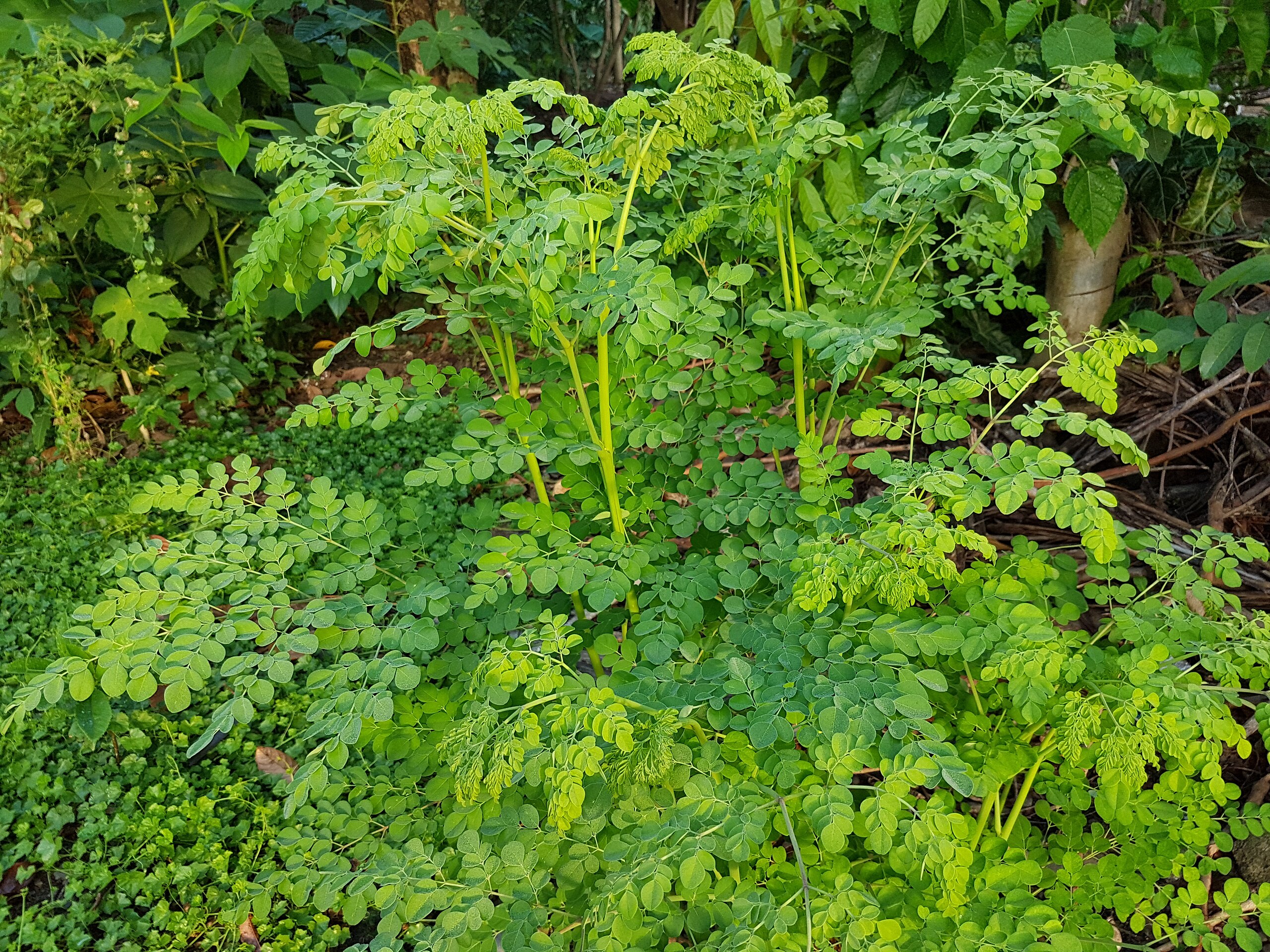
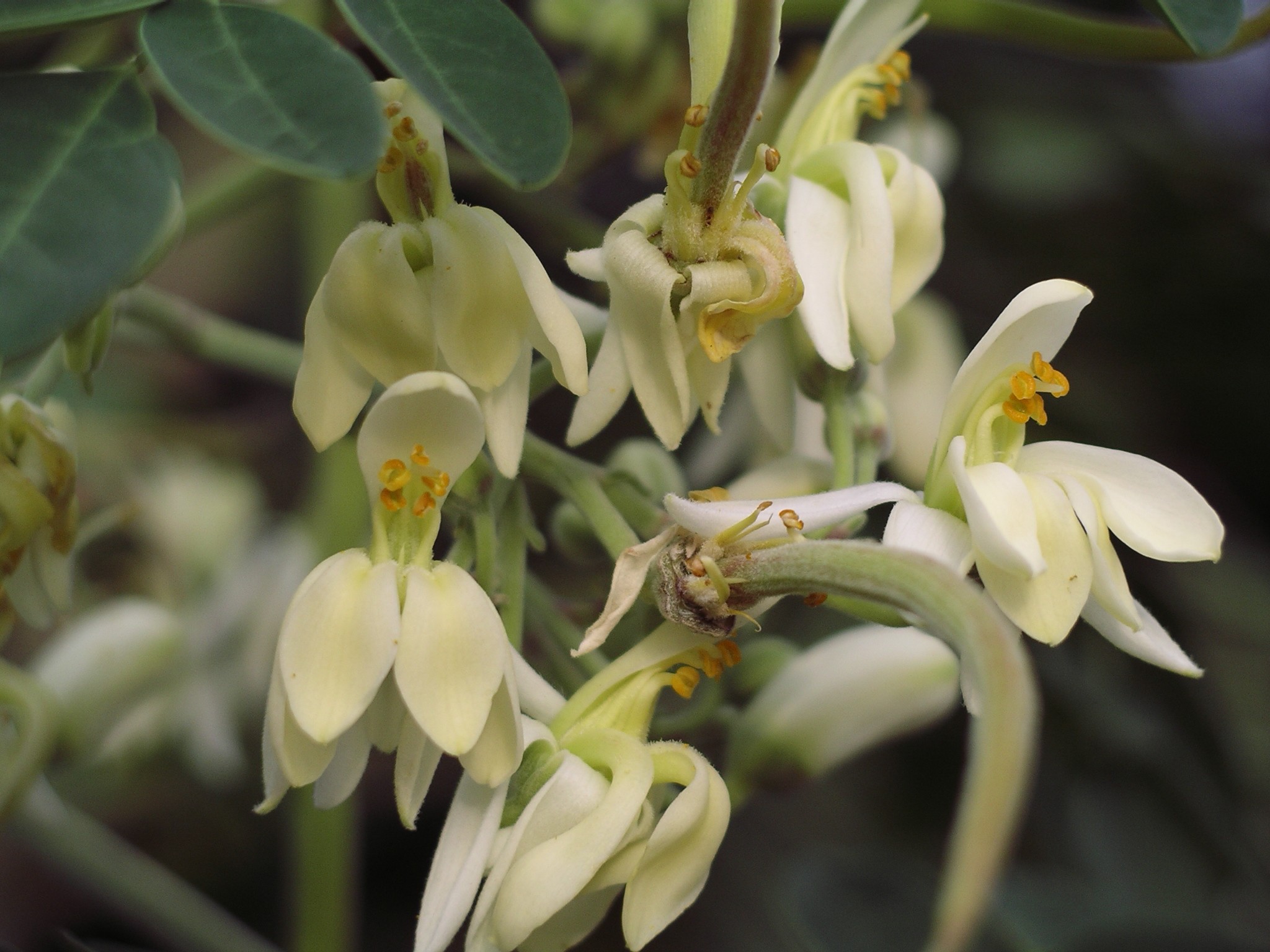
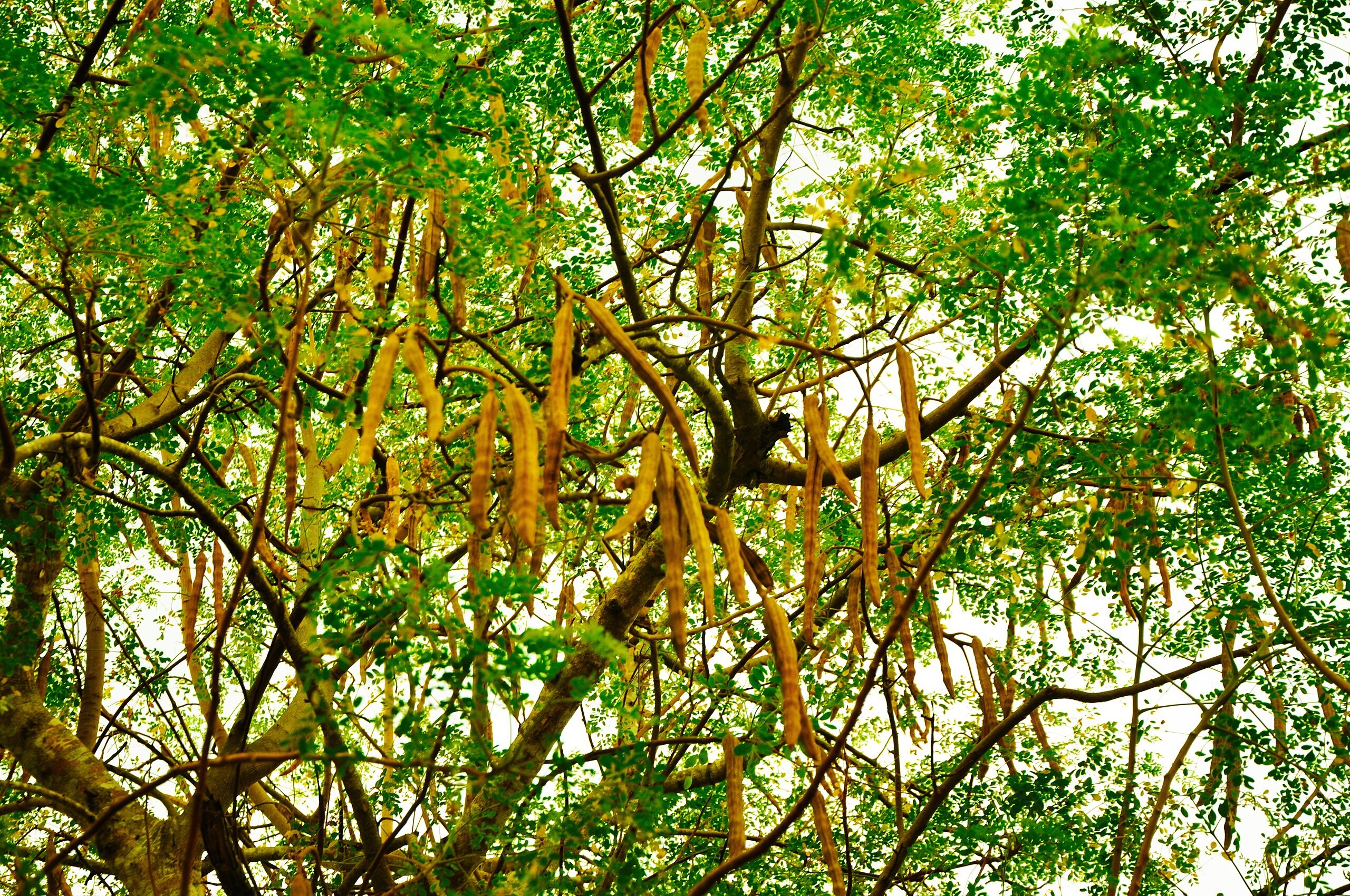
Herbal Tea Recipe: Moringa Leaf Tea
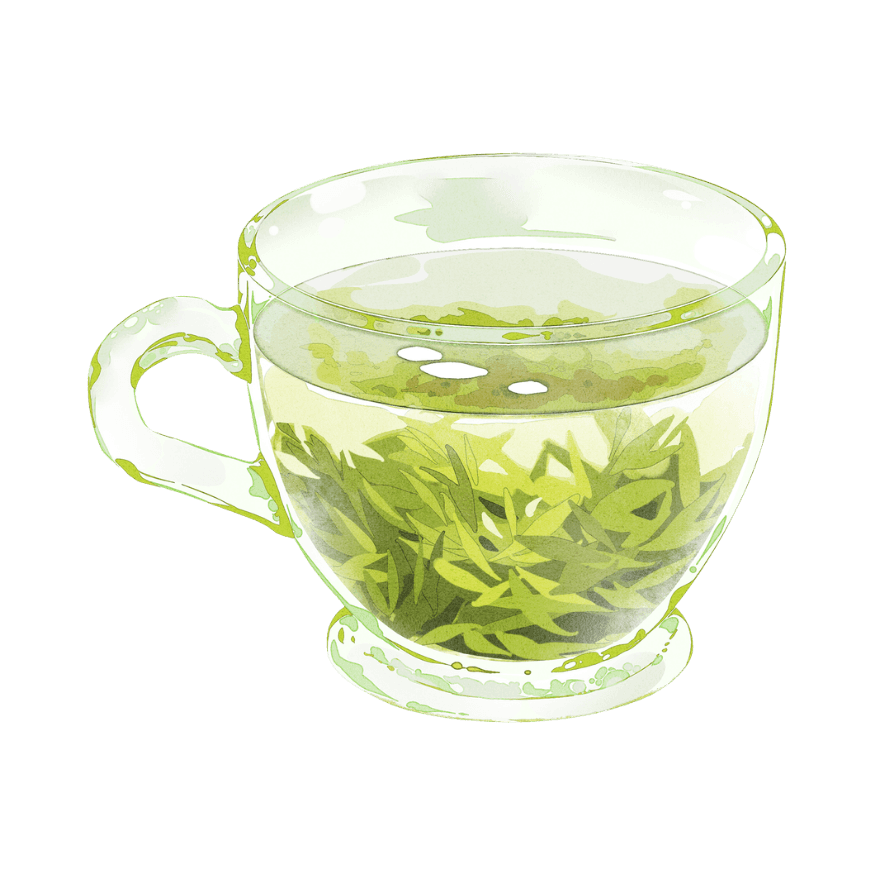
Moringa leaf tea carries an earthy, slightly grassy flavor with gentle mineral undertones. Some describe it as reminiscent of green tea or matcha, though milder. This infusion works beautifully when the body needs patient, sustained nourishment.
Ingredients
1 teaspoon dried moringa leaf powder, or 1 tablespoon fresh or dried whole leaves
8–10 ounces hot water (not boiling, around 160–180°F to preserve nutrients)
Optional additions: a slice of fresh ginger, a squeeze of lemon, a touch of honey, or a pinch of cinnamon
Method
If using powder, place moringa in a tea infuser or directly in your cup. If using whole leaves, add to a teapot or infuser.
Pour hot water over the herb. Avoid boiling water, which can degrade some of moringa's delicate nutrients.
Cover and steep for 5–8 minutes. Longer steeping brings deeper earthiness.
Strain if needed and sip slowly.
Notes for Use
Traditionally used as a daily tonic for energy, nutrient replenishment, and immune support. Can be blended with other nourishing herbs like nettle, tulsi, or peppermint for varied flavor and effect. Best consumed in the morning or early afternoon.
Safety Considerations
Moringa leaf tea is generally safe for most people. Start with smaller amounts if new to moringa. Consult a practitioner if pregnant, nursing, or managing blood sugar or blood pressure conditions.
Healing Benefits and Preparations
Indications & Uses: Support immune function, provide dense nutrition, promote healthy inflammation response, support healthy blood sugar levels, aid lactation, support liver detoxification, encourage healthy digestion, provide antioxidant protection
Constituents: Vitamins A, C, E, B-complex, calcium, iron, potassium, magnesium, protein (all nine essential amino acids), antioxidants including quercetin and chlorogenic acid, zeatin, beta-carotene, glucosinolates
Preparations: Tea/infusion, powder (added to smoothies, soups, or foods), capsules, fresh leaves cooked as greens, seed oil, poultices
Dosage: 1–2 teaspoons of leaf powder daily, 1–2 cups of tea daily, fresh leaves as a vegetable side dish
Actions: Nutritive tonic, adaptogenic, antioxidant, anti-inflammatory, hypoglycemic, galactagogue, hepatoprotective
Safety Contraindications: Avoid root and root bark during pregnancy. Use caution with blood sugar and blood pressure medications. Start with small amounts to assess tolerance.
Energetics: Warming, drying in some traditions, though balanced overall
Duration: Nutritive effects may be felt within days, deeper restorative benefits emerge with consistent use over weeks to months
Potency Level: Moderate to strong, depending on preparation and dosage
Taste Profile: Earthy, slightly grassy, mildly bitter with mineral notes, some detect a mustard-like quality from glucosinolates
Growth Habitat: Fast-growing deciduous tree thriving in tropical and subtropical climates, tolerates poor soil and drought conditions, grows in full sun
Harvest Notes: Leaves harvested throughout the growing season, best picked young. Seeds harvested from mature pods. Sustainable harvesting practices essential to maintain tree vitality.

Historical References
Moringa's documented use stretches back over 4,000 years. Ancient Ayurvedic texts reference shigru for its capacity to address over 300 ailments, from joint complaints to digestive disturbances. Ancient Egyptians valued moringa seed oil, known as ben oil, for cosmetic and medicinal purposes. Greek and Roman soldiers reportedly carried moringa on campaigns for its portable nutrition and medicinal versatility.
During colonial expansion, moringa seeds traveled throughout the tropics, establishing the tree in regions where it would become essential to local food security and traditional medicine. In the 20th century, humanitarian and agricultural organizations recognized moringa's potential to address malnutrition in developing regions, leading to widespread cultivation and research into its nutritional density. Today, it bridges ancient tradition and modern nutritional science, validated by both centuries of use and contemporary clinical investigation.
Folk and Spiritual Medicinal Uses
In Filipino folk tradition, malunggay (moringa) is planted near homes for protection and to ensure the family never goes hungry. The tree's rapid growth and reliable abundance made it a symbol of provision and resilience. In parts of West Africa, moringa is considered a plant of blessing, its presence bringing health and prosperity to the compound where it grows.
Caribbean folk healers incorporate moringa into baths and washes for spiritual cleansing and renewal, recognizing the plant's capacity to clear stagnation on multiple levels. The tree's ability to thrive in harsh conditions and purify even the muddiest water gave it symbolic resonance as a cleanser of both body and environment.
In kitchen magic and green witchery, moringa leaf powder is added to prosperity work, particularly rituals focused on sustainable abundance rather than sudden windfalls. Its energy aligns with steady accumulation, resourcefulness, and the wisdom of systems that sustain themselves over time. Some practitioners work with moringa during new moon rituals centered on nourishment, self-care, and building resilience for challenges ahead.
Affirmations: "I am nourished at every level. My body remembers how to thrive. I draw strength from deep wells within."
Spiritual Ritual Use: Used in rituals for sustained abundance, resilience building, purification, and honoring the body as sacred vessel. Added to bath rituals for renewal and clearing energetic depletion.
Gemstones: Green Jade, Moss Agate, Bloodstone
Phase of the Moon: New Moon for planting intentions of sustainable nourishment, Waxing Moon for building strength and vitality
Vibe Code: Resilience, Nourishment, Vitality, Sustainability, Clarity, Endurance
The Herbalist's Library: Moringa
Moringa's reputation as a nutritional and medicinal powerhouse has generated substantial documentation across traditional and scientific contexts. For those seeking comprehensive understanding, the following texts offer trusted guidance.
Foundational Herbals
The Moringa Book by Mark E. Olson and Jed W. Fahey provides accessible, science-backed information on moringa's nutritional content, medicinal applications, and sustainable cultivation. This is an excellent starting point for understanding why moringa has earned its "superfood" designation.
Ayurvedic Herbology East & West by Vishnu Dass includes detailed traditional uses of shigru (moringa) within Ayurvedic frameworks, offering insight into its role across different constitutional types and health concerns.
Nutritive & Clinical Perspectives
The Moringa Tree: A Local Solution to Malnutrition? published by Church World Service examines moringa's role in addressing nutritional deficiency in developing regions, with practical guidance on cultivation and preparation for maximum nutritional benefit.
Herbal Medicine: Biomolecular and Clinical Aspects (2nd Edition), edited by Benzie and Wachtel-Galor, dedicates a chapter to moringa with peer-reviewed research on its antioxidant properties, anti-inflammatory mechanisms, and therapeutic potential.
Medical Herbalism by David Hoffmann includes moringa in discussions of nutritive tonics and adaptogens, with practical formulation guidance for clinical herbalists.
Cultivation & Sustainability
Grow Your Own Moringa by Fabian Maier Gálvez offers practical cultivation advice for home gardeners and small-scale farmers, with attention to sustainable harvesting and maximizing the tree's medicinal and nutritional potential.
The Moringa Consumer Awareness Project maintains updated research compilations and traditional use documentation, bridging indigenous knowledge and contemporary science.
Affiliate links included. We earn a small commission from purchases at no cost to you.
Educational purposes only. Not medical advice. Consult a healthcare provider before use.
