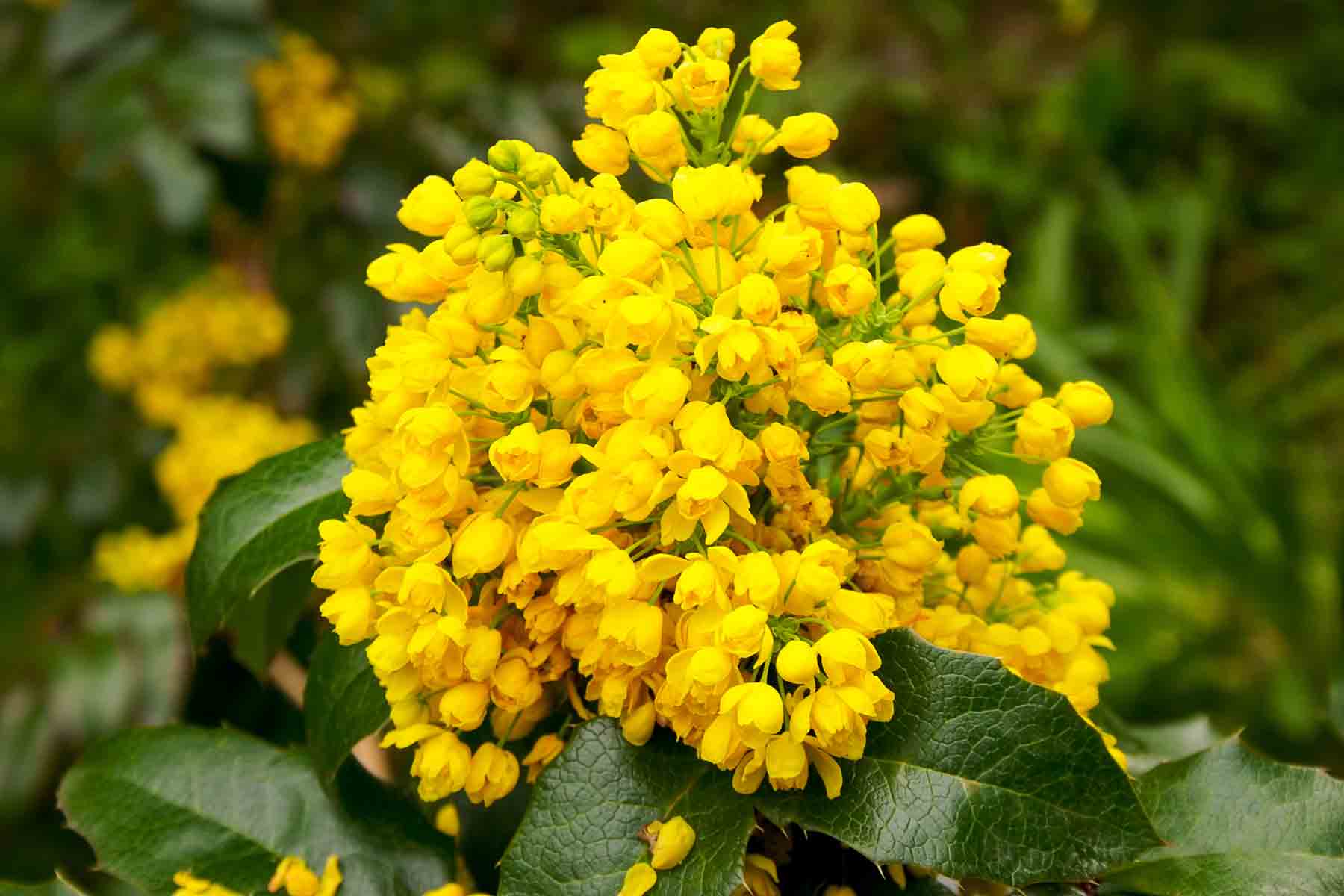
Oregon Grape
Mahonia aquifolium (formerly Berberis aquifolium)
Berberidaceae
Coming soon.
Oregon Grape (Mahonia aquifolium)
Overview
Oregon Grape root offers a potent, bitter-bright medicine that moves through the body with decisive clarity. Long valued by Indigenous peoples of the Pacific Northwest and adopted into Western herbalism as a premier liver and skin tonic, this plant works where stagnation meets inflammation. Its golden-yellow root holds berberine and other alkaloids that lend both antimicrobial strength and digestive support. This is a plant of boundaries and purification, working to clear what needs clearing while fortifying what needs protection.
Energetic & Emotional Profile
Its energy is cool, dry, and direct. Oregon Grape addresses the heat and congestion that can manifest as skin eruptions, digestive sluggishness, or emotional irritability. It supports the body's natural detoxification pathways, particularly through the liver and lymph, while offering a grounding bitterness that can help reestablish healthy boundaries, both physical and emotional. There is something clarifying in its presence, a quality that cuts through the fog of overwhelm and helps restore a sense of order and vitality.
Traditional Uses
Herbalists have long regarded Oregon Grape root as a powerful alterative (blood purifier), hepatic (liver tonic), and antimicrobial. It has been used traditionally to address chronic skin conditions such as eczema, psoriasis, and acne, digestive complaints including sluggish bowels and poor fat digestion, and infections where antimicrobial support is needed. Typically prepared as a decoction, tincture, or salve, Oregon Grape root has a distinguished place in both Indigenous medicine and Western clinical herbalism.
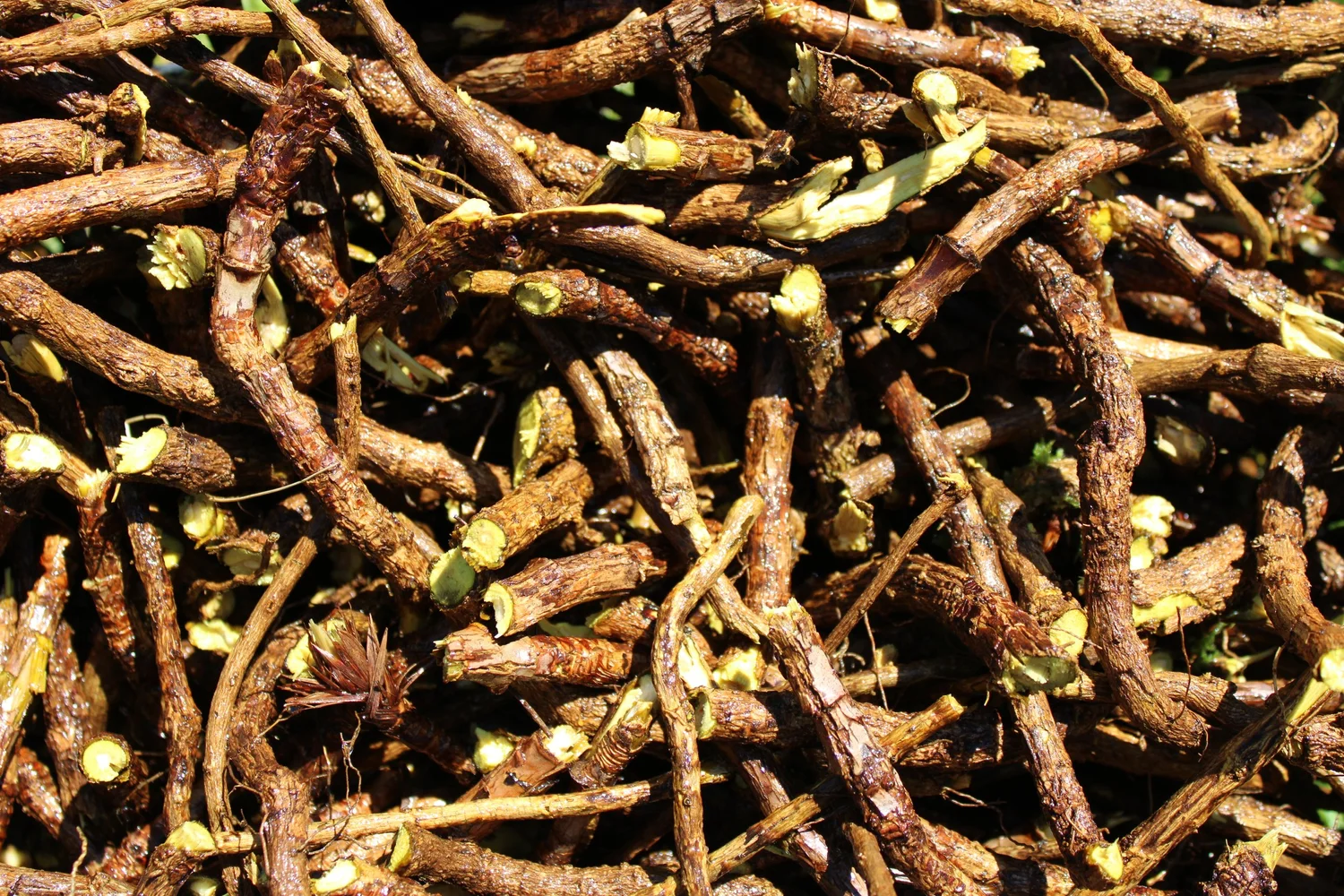
Pacific Northwest Indigenous peoples, including the Nlaka'pamux, Okanagan-Colville, and Coastal Salish nations, used Oregon Grape root extensively as a dye, medicine, and food source. The root was decocted for liver complaints, digestive weakness, and skin conditions. Its bright yellow color indicated its use as a potent medicine for jaundice and gallbladder issues. The berries, though sour, were consumed fresh or dried, and the root bark was valued as a golden-yellow dye for baskets, clothing, and ceremonial items. Elders taught that the plant's bitter taste signaled its ability to "clean the blood" and restore balance to the body.
Safety Considerations
Oregon Grape root is generally well-tolerated when used appropriately. Due to its berberine content, it should be avoided during pregnancy and breastfeeding. Those with existing liver conditions should consult with a qualified healthcare practitioner before use. Long-term or high-dose use may interfere with the absorption of certain nutrients and medications. Thoughtful consideration of individual health contexts remains essential.
Tags: alterative-herb, liver-tonic, antimicrobial-root, skin-support, bitter-herb, berberine-source, digestive-aid, traditional-medicine
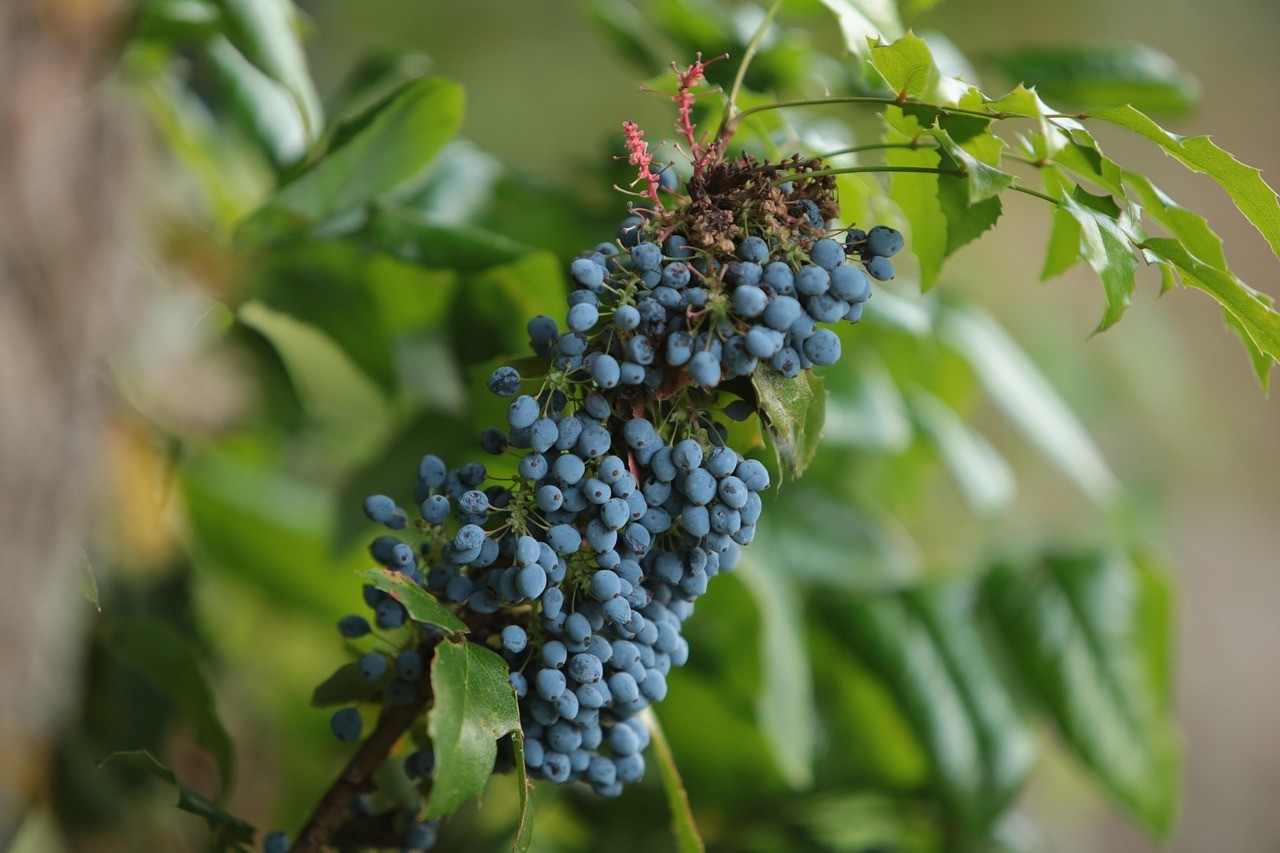
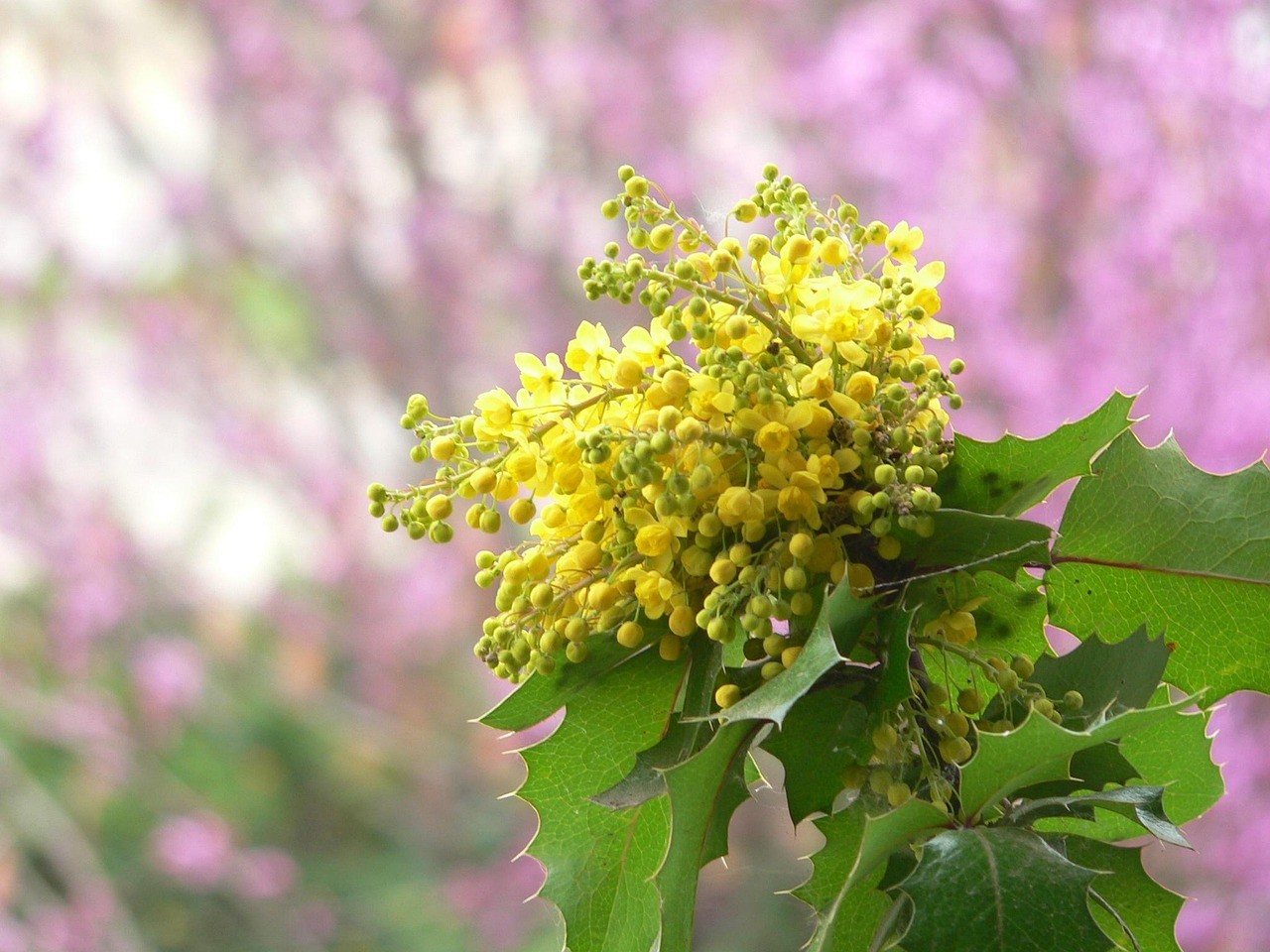
Tea Recipe: Oregon Grape Root Decoction
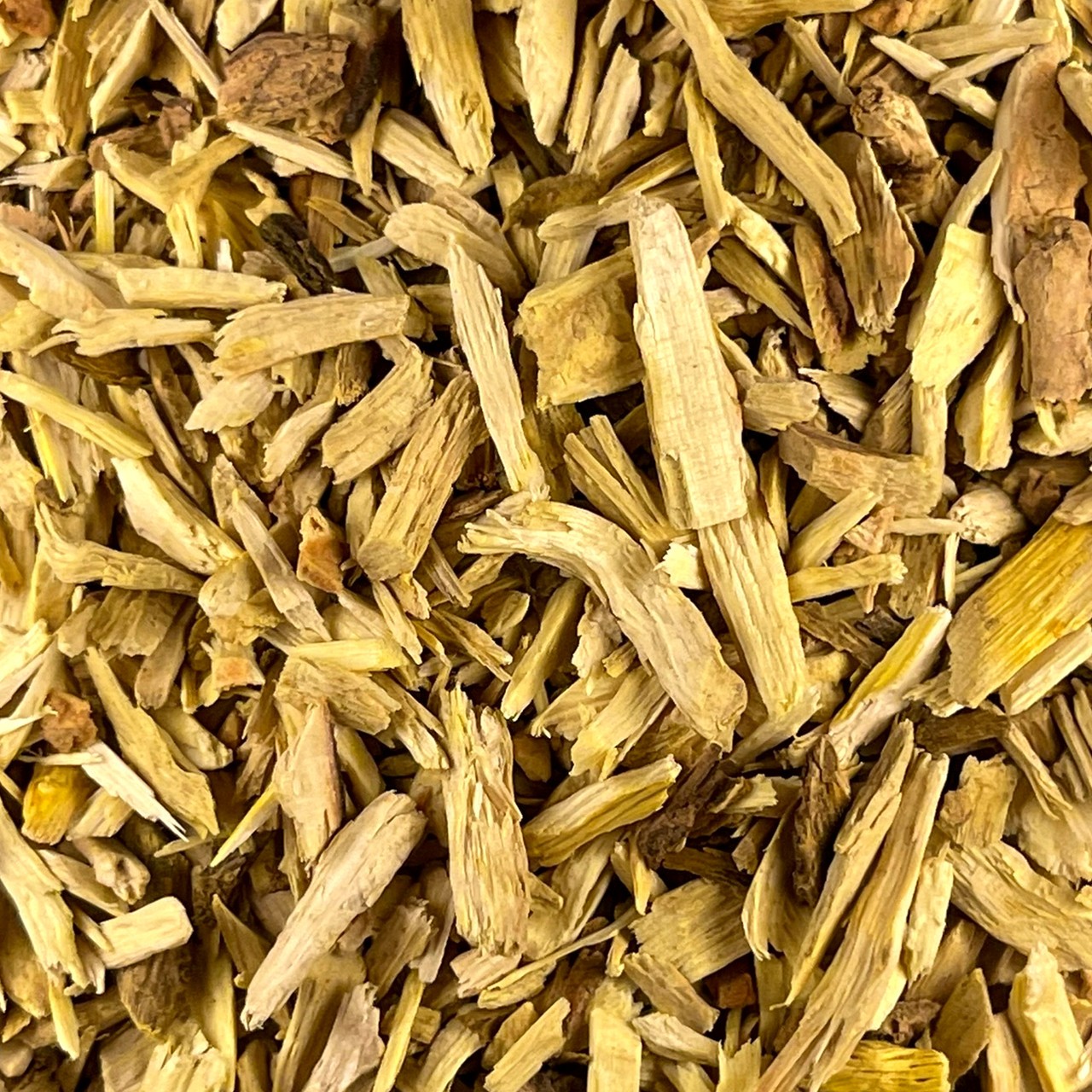
Oregon Grape root brings a strong, bitter, earthy flavor to the cup. This decoction has long been valued for liver support, digestive stimulation, and skin clarity. This tea works well when the body shows signs of sluggishness, congestion, or inflammation.

Ingredients
1 tablespoon dried Oregon Grape root (chopped or powdered)
2 cups water
Optional additions: a slice of fresh ginger, a touch of honey, or a squeeze of lemon to balance the bitterness
Method
Place the dried Oregon Grape root in a small pot with 2 cups of water.
Bring to a boil, then reduce heat to a gentle simmer.
Cover and simmer for 15–20 minutes. A longer simmer extracts deeper medicinal compounds.
Strain and sip slowly. The tea will be intensely bitter.
Notes for Use
Traditionally used as a liver and digestive tonic that may support detoxification, improve bile flow, and address chronic skin conditions. Often combined with dandelion root, burdock, or licorice to balance the bitterness and broaden its therapeutic action.
Safety Considerations
Oregon Grape root is potent. Individuals who are pregnant, breastfeeding, or managing liver conditions should consult a practitioner before use. Start with small doses to assess tolerance.
Healing Benefits and Preparations
Indications Uses: Support liver function, improve digestion, address chronic skin conditions (eczema, psoriasis, acne), provide antimicrobial action, promote bile flow, support detoxification pathways.
Constituents: Berberine, berbamine, oxyacanthine, aromoline, magnoflor
ine, palmatine, jatrorrhizine
Preparations: Decoction, tincture, salve, powder, capsules
Dosage: 1–2 grams of dried root as decoction, 2–4 ml of tincture (1:5, 50% alcohol) three times daily
Actions: Alterative, hepatic, cholagogue, antimicrobial, bitter tonic, anti-inflammatory
Safety Contraindications: Avoid during pregnancy and breastfeeding. Use cautiously with liver disease or medications metabolized by the liver. May cause gastrointestinal upset in sensitive individuals.
Energetics: Cool, dry, bitter
Duration: Noticeable results may appear within 2–6 weeks of consistent use
Potency Level: Strong
Taste Profile: Intensely bitter, earthy, with a slightly astringent finish
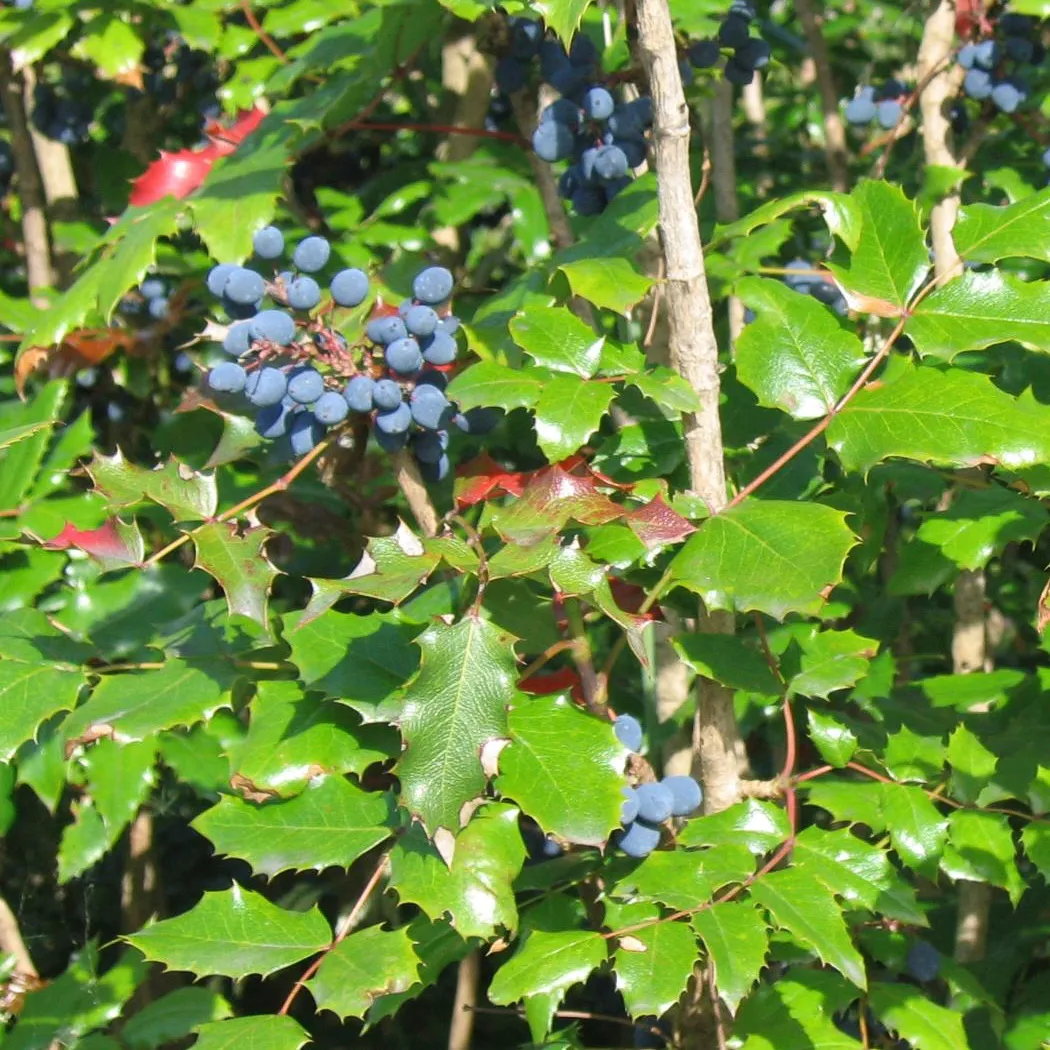
Growth Habitat: Evergreen shrub, thrives in well-drained soils, partial shade to full sun, native to forests and rocky slopes of the Pacific Northwest.
Harvest Notes: Roots are best harvested in late fall or early spring when alkaloid content is highest. Sustainable wildcrafting practices are essential; only harvest from abundant populations and leave the majority of plants intact.

Historical References
Oregon Grape root gained recognition among Western herbalists through the Eclectic physicians of the 19th and early 20th centuries, who valued it as a "blood purifier" and liver remedy. King's American Dispensatory described it as particularly useful for chronic skin diseases, syphilitic conditions, and digestive torpor.
The plant's berberine content has since been the subject of extensive clinical research, validating many of its traditional uses, particularly for antimicrobial, anti-inflammatory, and metabolic support.
Folk and Spiritual Medicinal Uses
In Pacific Northwest Indigenous traditions, Oregon Grape was considered a plant of purification and protection. Its bitter root was associated with cleansing rituals, used to remove spiritual and physical impurities. The bright yellow root was seen as carrying the energy of the sun, capable of dispelling darkness and stagnation. Herbalists and rootworkers in the Appalachian and Western folk traditions later adopted Oregon Grape as a boundary-setting herb, used in baths and washes to clear negative energy and restore personal sovereignty. In hoodoo practice, the root was sometimes added to protection sachets or worn as an amulet to ward off illness and malevolent influences.
Affirmations: "I release what no longer serves me; I am clear, strong, and protected."
Spiritual Ritual Use: Used in purification baths, boundary-setting rituals, and herbal sachets for protection and clarity.
Gemstones:
Citrine
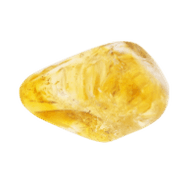
Yellow Jasper

Phase of the Moon:
Waning Moon for clearing and releasing rituals

Vibe Code: Clarity, Protection, Purification, Strength
Coming soon!
The Herbalist's Library: Oregon Grape
Oregon Grape root has been studied and celebrated across Indigenous knowledge systems, clinical herbalism, and modern phytotherapy. For those seeking to understand its full scope, from alkaloid chemistry to traditional wisdom, the following texts offer trusted guidance.
Foundational Herbals
The Earthwise Herbal: A Complete Guide to Old World Medicinal Plants by Matthew Wood includes Oregon Grape (and its close relative Barberry) as a premier liver and digestive remedy, with detailed materia medica on energetics and clinical application.
King's American Dispensatory by Harvey Wickes Felter and John Uri Lloyd remains an essential reference for the Eclectic use of Oregon Grape root, documenting its historical application for skin disease, liver congestion, and chronic infection.
Clinical & Scientific Perspectives
Herbal Medicine: Biomolecular and Clinical Aspects edited by Iris F. F. Benzie and Sissi Wachtel-Galor provides peer-reviewed research on berberine and Oregon Grape's antimicrobial, metabolic, and hepatoprotective properties.
Medical Herbalism: The Science and Practice of Herbal Medicine by David Hoffmann offers practical clinical guidance on Oregon Grape as an alterative and antimicrobial, with dosing and safety considerations.
Indigenous Knowledge
Plants of the Pacific Northwest Coast by Jim Pojar and Andy MacKinnon documents traditional uses of Oregon Grape among Pacific Northwest Indigenous peoples, including food, medicine, and dye applications.
Native American Ethnobotany by Daniel E. Moerman provides comprehensive documentation of Oregon Grape use across Indigenous nations, preserving traditional ecological knowledge.
Foraging & Cultivation
Botany in a Day: The Patterns Method of Plant Identification by Thomas J. Elpel helps readers accurately identify Oregon Grape and related species in the field, essential for ethical wildcrafting.
The Wild Medicine Solution by Guido Masé explores Oregon Grape within the context of bioregional herbalism, sustainable harvest, and modern clinical application.
Affiliate links included. We earn a small commission from purchases at no cost to you.
Educational purposes only. Not medical advice. Consult a healthcare provider before use.
