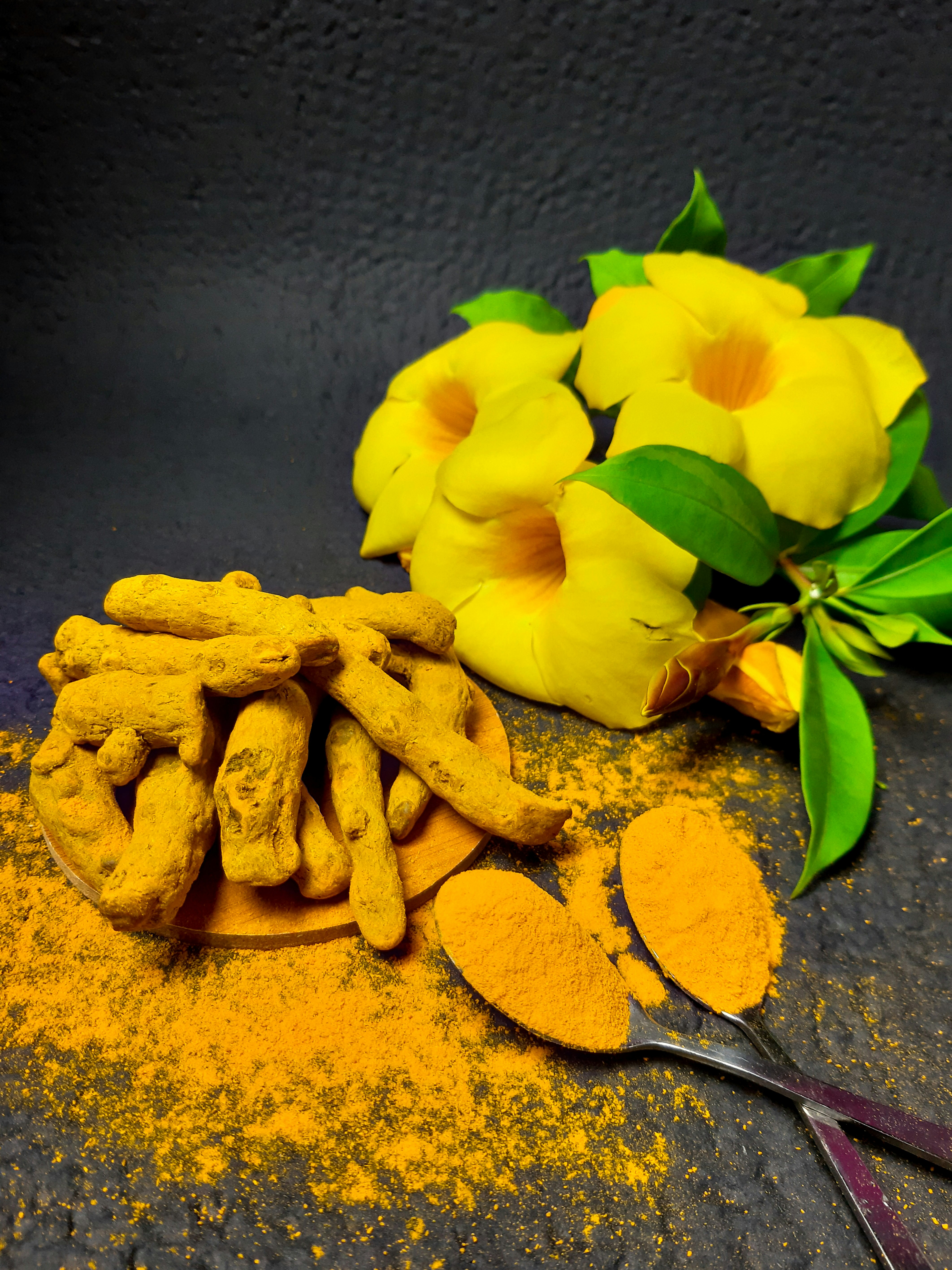
Turmeric
Curcuma longa
Zingiberaceae
Native to South Asia, particularly India and Southeast Asia. Thrives in tropical climates with warm temperatures and substantial rainfall.
Overview
Turmeric carries the concentrated warmth of tropical earth, a golden thread running through centuries of healing tradition. This is not a plant of subtle whispers but of steady, clarifying presence. Its rhizome holds compounds that have moved through Ayurvedic medicine, traditional Chinese herbalism, and contemporary research with remarkable consistency. Turmeric works slowly, accumulating its effects like morning light gradually illuminating a room.
Energetic & Emotional Profile
The energy of turmeric is warming without agitation, clarifying without depletion. It addresses stagnation, both physical and energetic, encouraging movement where things have settled too deeply or lingered too long. There is something profoundly grounding in its golden essence, a quality that invites us to metabolize not just nutrients but experiences, emotions held in tissue, patterns that no longer serve. Turmeric reminds us that transformation often requires both heat and time.
Traditional Uses
Herbalists across traditions have valued turmeric as a powerful anti-inflammatory and digestive ally. In Ayurvedic medicine, it has been used for thousands of years to support healthy digestion, ease joint discomfort, promote skin health, and encourage overall vitality. Traditional preparation methods include golden milk (turmeric with warm milk and spices), curry spice blends, poultices for wounds and skin conditions, and turmeric paste for topical application.
In traditional Chinese medicine, turmeric (known as Jiang Huang) has been employed to invigorate blood circulation, reduce swelling, and address pain, particularly in the shoulders and arms. Southeast Asian healing traditions have long recognized turmeric's ability to support liver function and promote healthy inflammatory response throughout the body.
Safety Considerations
While turmeric is generally well-tolerated as a culinary spice, therapeutic doses may interact with blood-thinning medications and should be used cautiously by those with gallbladder conditions or bile duct obstruction. Turmeric may also interact with diabetes medications and should be discontinued before scheduled surgeries. Pregnant individuals should consult with a qualified healthcare practitioner before using therapeutic amounts, as turmeric may stimulate the uterus. Those with iron deficiency should note that turmeric can inhibit iron absorption.
Tags anti-inflammatory, digestive-support, liver-tonic, blood-moving, warming-herb, traditional-spice, joint-health, golden-healer, metabolic-support
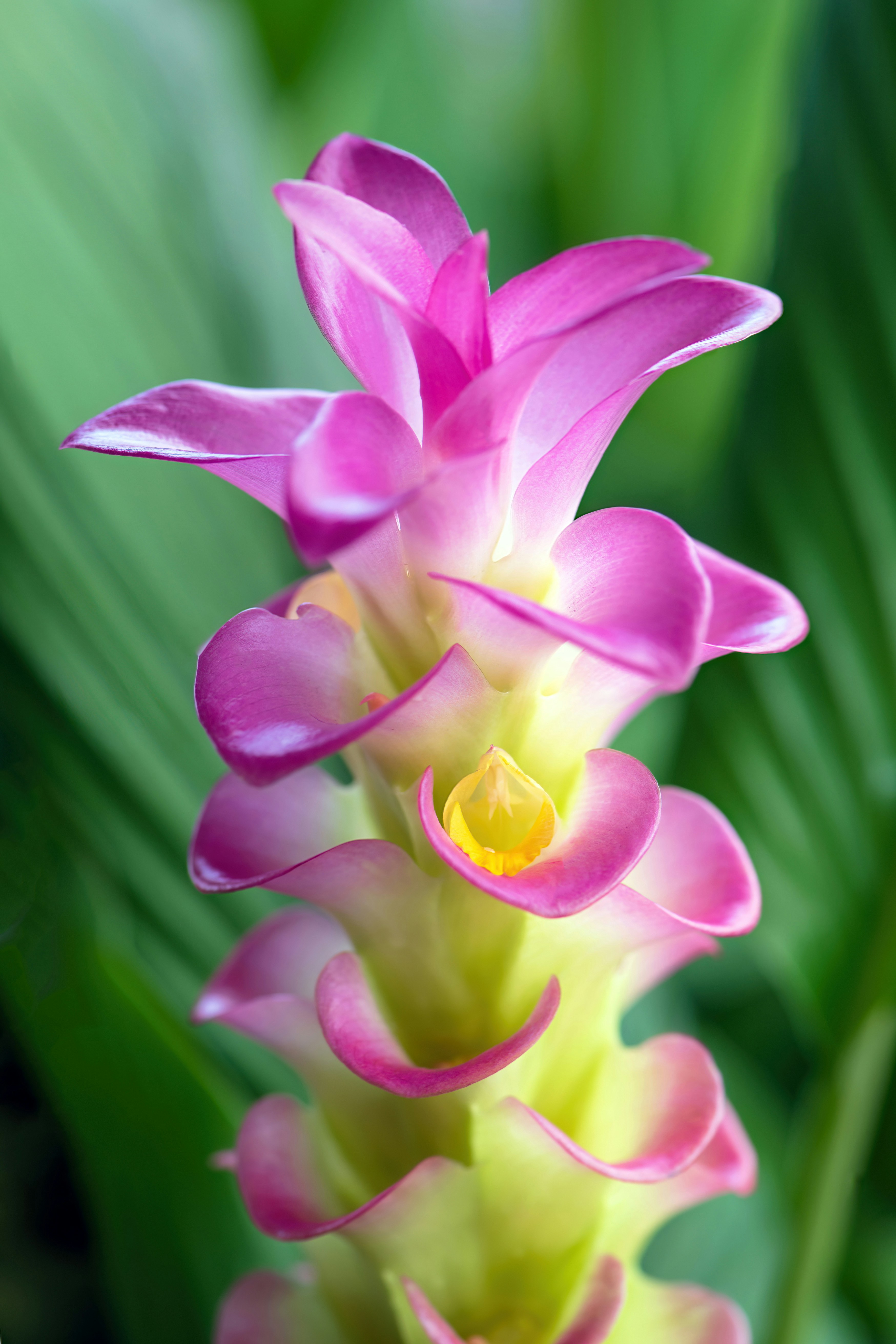

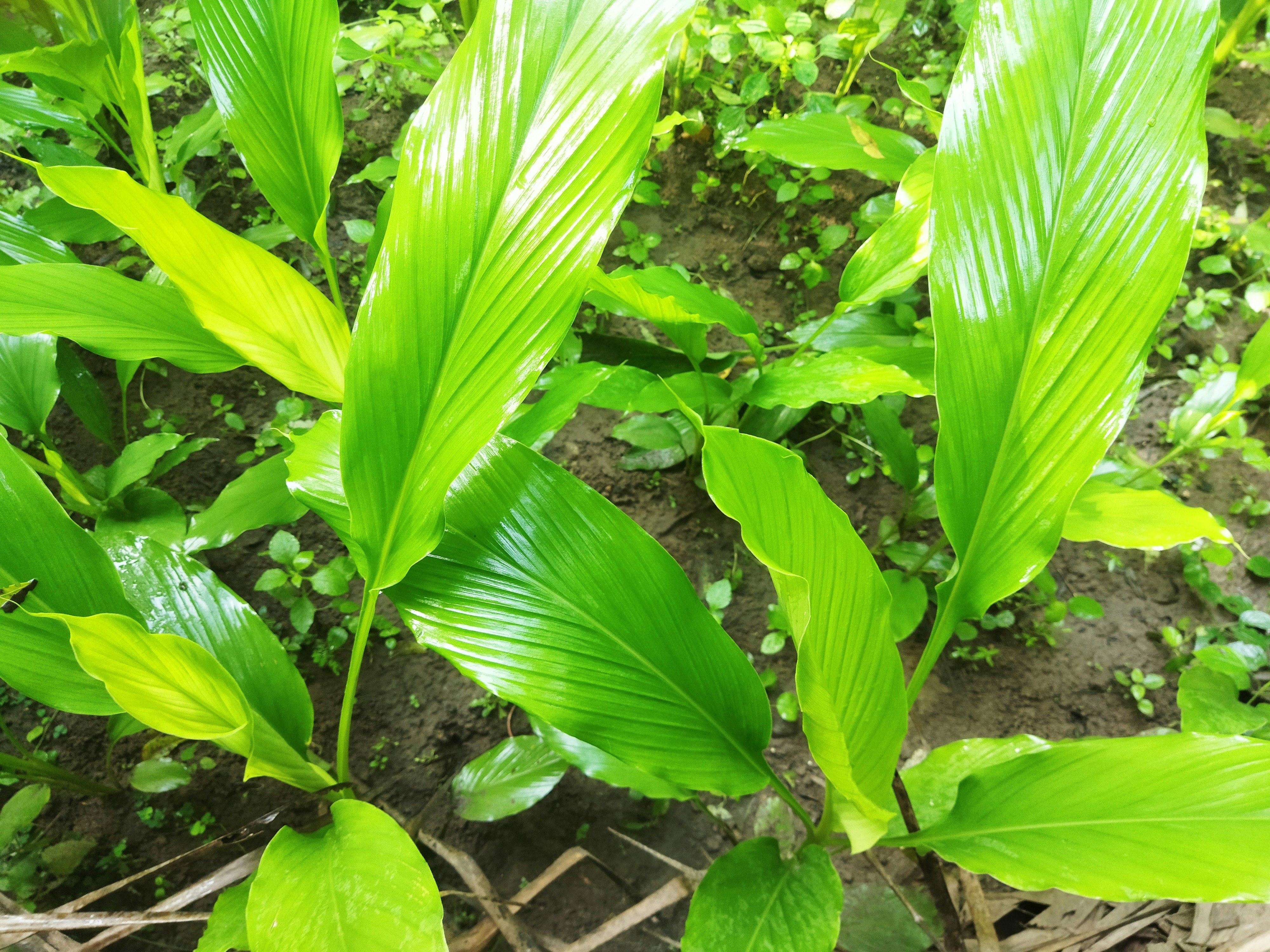
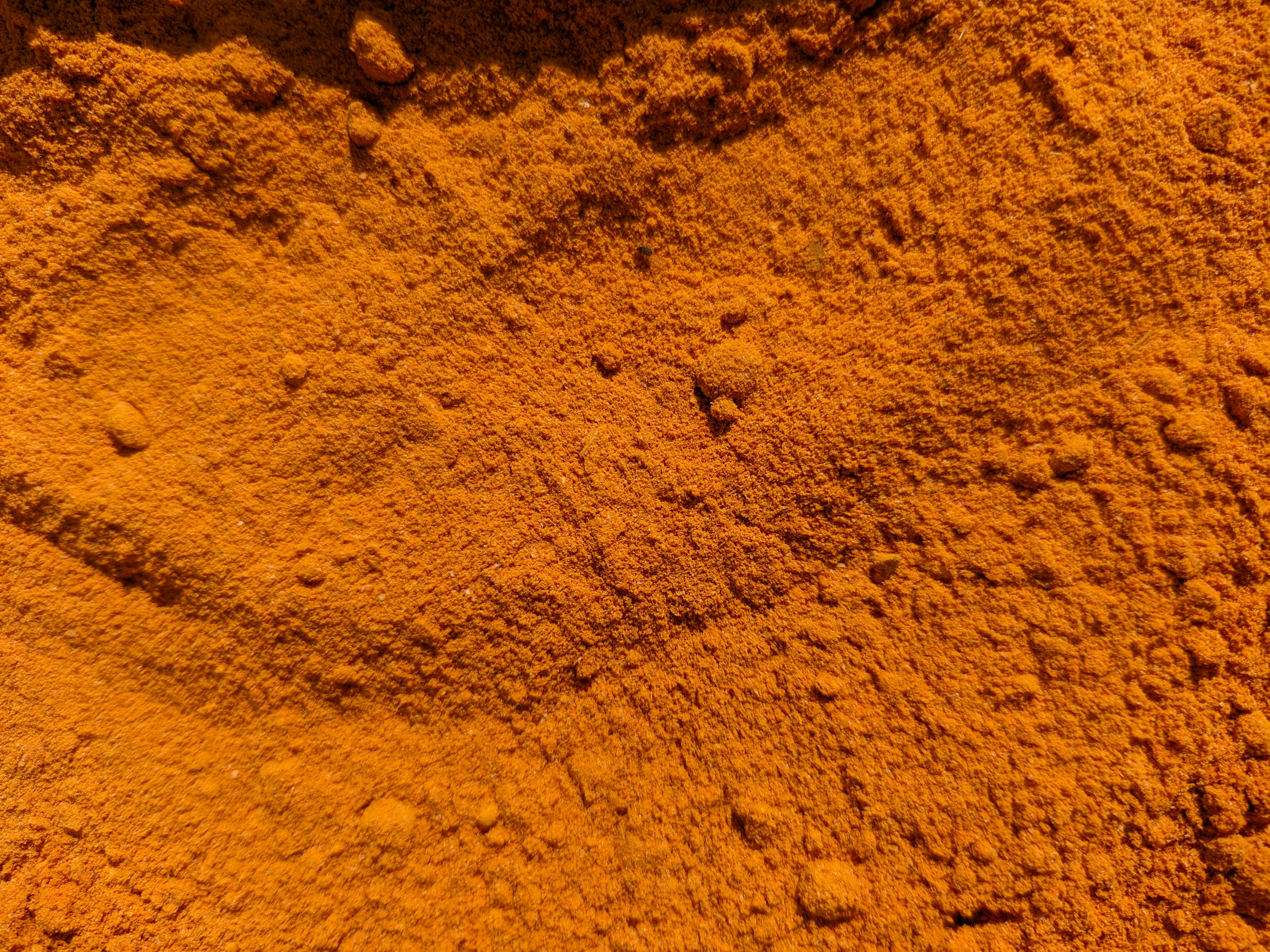
Herbal Tea Recipe: Golden Turmeric Tonic
This warming infusion brings turmeric's earthy depth into a soothing daily practice. The addition of black pepper significantly enhances curcumin absorption, while healthy fats help carry the compounds into the body. This is a tea for slow mornings or evening wind-down, when the body can fully receive what the plant offers.

Ingredients
1 teaspoon fresh grated turmeric root (or ½ teaspoon dried turmeric powder)
1–2 cups hot water
Small pinch of black pepper (essential for absorption)
½ teaspoon coconut oil or ghee
Optional additions: fresh grated ginger, a touch of honey, cinnamon stick, cardamom pods
Method
If using fresh turmeric, peel and grate the rhizome. If using powder, measure carefully.
Place turmeric in a heat-safe cup or small pot.
Pour hot water (just below boiling) over the turmeric.
Add black pepper and chosen fat (coconut oil or ghee).
Cover and steep for 10–15 minutes, allowing the golden color to deepen.
Strain if using fresh turmeric, or stir well if using powder.
Add optional honey or spices to taste.
Sip slowly, allowing the warmth to settle.
Notes for Use
Traditionally used to support healthy inflammatory response, digestive function, and liver health. The addition of black pepper (piperine) can increase curcumin bioavailability by up to 2000%. Best consumed with meals or alongside healthy fats. Turmeric can stain surfaces and clothing, so handle with care.
Safety Considerations
Turmeric is generally safe in culinary amounts. Those taking blood-thinning medications, managing gallbladder conditions, or scheduled for surgery should consult a healthcare practitioner before regular therapeutic use.
Healing Benefits and Preparations
Indications Uses: Support healthy inflammatory response, promote digestive health, support liver function and detoxification, ease joint discomfort, promote skin healing, support cognitive function, encourage healthy metabolic function.
Constituents: Curcuminoids (primarily curcumin), volatile oils (turmerone, atlantone, zingiberene), proteins, resins, sugars.
Preparations: Fresh or dried rhizome, powder, golden milk, tea, tincture, capsules, topical paste, curry blends.
Dosage: 1–3 grams of dried powder daily; 1.5–3 grams of fresh rhizome daily; standardized extract (curcumin) 400–600 mg three times daily. Always consume with black pepper and healthy fats for optimal absorption.
Actions: Anti-inflammatory, antioxidant, hepatoprotective (liver-protecting), cholagogue (promotes bile flow), carminative (digestive support), vulnerary (wound-healing), antimicrobial.
Safety Contraindications: Avoid therapeutic doses during pregnancy without professional guidance. Use caution with bile duct obstruction, gallstones, bleeding disorders, or when taking anticoagulant medications. Discontinue 2 weeks before scheduled surgery.
Energetics: Warming, drying, pungent, bitter.
Duration: Benefits typically become noticeable after 4–8 weeks of consistent use. Turmeric works cumulatively in the system.
Potency Level: Moderate to strong, depending on preparation and bioavailability enhancement.
Taste Profile: Earthy, slightly bitter, pungent with warming aromatic notes.
Growth Habitat: Tropical perennial requiring warm, humid conditions with well-drained, fertile soil and partial shade.
Harvest Notes: Rhizomes are harvested 7–10 months after planting, when leaves begin to yellow and die back. Carefully dig rhizomes, clean thoroughly, and cure by boiling briefly before drying. Fresh rhizomes can be used immediately or frozen for later use.

Historical References
Turmeric's documented use stretches back over 4,000 years, with Sanskrit medical texts describing it as a remedy for food poisoning and recommending it for various ailments. Ancient Ayurvedic texts classified turmeric as a heating spice capable of balancing all three doshas when used appropriately.
In traditional Chinese medicine, turmeric appeared in herbal formulas as early as the 7th century, valued for moving qi and blood. Marco Polo documented turmeric in his 13th-century travels, comparing its properties to saffron. European herbalists adopted turmeric more slowly, with Culpeper's herbal works eventually acknowledging its use for jaundice and liver complaints.
Modern research has validated many traditional applications, with thousands of peer-reviewed studies examining curcumin's anti-inflammatory, antioxidant, and neuroprotective properties. The plant's journey from ancient Vedic rituals to contemporary kitchens and supplement bottles reflects both its versatility and enduring therapeutic relevance.
Folk and Spiritual Medicinal Uses
In Hindu traditions, turmeric holds sacred status, used in wedding ceremonies, purification rituals, and as a symbol of prosperity and fertility. The practice of applying turmeric paste to the bride and groom before marriage, known as the Haldi ceremony, is believed to ward off the evil eye, purify the body, and bring an auspicious glow.
Turmeric threads (turmeric-dyed strings) are worn as protective amulets, particularly for children, to guard against negative energies and illness. In South Indian households, turmeric is tied to doorways during festivals to invite divine blessings and repel malevolent forces.
In folk magic traditions that adopted turmeric through trade routes, the golden root became associated with solar energy, abundance, and purification work. Rootworkers and practitioners of eclectic folk magic have incorporated turmeric into prosperity sachets, healing baths for energetic cleansing, and money-drawing incense blends. The root's bright color connects it symbolically to gold, making it a popular addition to financial abundance rituals.
Traditional healers across South and Southeast Asia burned turmeric to purify spaces before healing work, believing its smoke could clear stagnant energies and protect against spiritual intrusion. The powder was mixed into protective pastes and applied to the third eye during meditation practices to enhance clarity and spiritual perception.
Affirmations: "I release what no longer serves me. I invite clarity, vitality, and golden transformation into my life."
Spiritual Ritual Use: Used in purification ceremonies, abundance rituals, solar magic, wedding blessings, protection work, and offerings to deities associated with prosperity and healing.
Gemstones: Citrine, Amber, Golden Topaz, Sunstone
Phase of the Moon: Waxing Moon for growth and abundance work, Full Moon for purification and healing rituals, Sun day/hour for solar alignment
Vibe Code: Purification, Abundance, Transformation, Protection, Vitality, Solar Energy
YouTube Video Library
Turmeric: Ancient Golden Healer
Discover the profound healing properties of Turmeric, a sacred root revered for millennia across Ayurvedic, Chinese, and Southeast Asian healing traditions for its remarkable anti-inflammatory and restorative powers.
The Herbalist's Library: Turmeric
Turmeric's remarkable journey from ancient spice to modern therapeutic powerhouse has generated extensive documentation across culinary, medical, and spiritual traditions. For those seeking comprehensive understanding, from biochemistry to ritual application, the following texts offer authoritative guidance.
Foundational Herbals
The Yoga of Herbs by Dr. David Frawley and Dr. Vasant Lad provides essential Ayurvedic perspective on turmeric's energetics, constitutional applications, and traditional formulations. This text bridges ancient wisdom with accessible modern practice.
Healing Spices by Bharat B. Aggarwal, Ph.D. offers scientifically grounded exploration of turmeric's therapeutic compounds, with practical guidance on incorporating the spice into daily wellness routines.
Clinical & Nutritive Perspectives
Herbal Medicine: Biomolecular and Clinical Aspects, edited by Benzie and Wachtel-Galor, dedicates substantial research to curcumin's mechanisms of action, bioavailability challenges, and therapeutic applications supported by peer-reviewed studies.
The Green Pharmacy Herbal Handbook by James A. Duke, Ph.D. contextualizes turmeric among other anti-inflammatory botanicals, offering evidence-based dosing and preparation methods.
Culinary & Cultural Context
The Turmeric Cookbook by Suzy Scherr explores turmeric's role in global cuisines while providing accessible recipes that maximize both flavor and therapeutic benefit.
Ayurveda: The Science of Self-Healing by Dr. Vasant Lad places turmeric within the broader framework of Ayurvedic medicine, explaining its use according to individual constitution and seasonal considerations.
Spiritual & Folk Traditions
The Book of Hindu Imagery by Eva Rudy Jansen documents turmeric's sacred role in Hindu ritual, offering cultural context for its ceremonial applications.
The Complete Book of Ayurvedic Home Remedies by Vasant Lad includes traditional formulations using turmeric for both physical ailments and energetic imbalances.
Cultivation & Sustainable Use
The Herb Grower's Guide by various contributors offers practical information on growing turmeric in appropriate climates, with attention to sustainable harvest practices and soil health.
Affiliate links included. We earn a small commission from purchases at no cost to you.
Educational purposes only. Not medical advice. Consult a healthcare provider before use.
