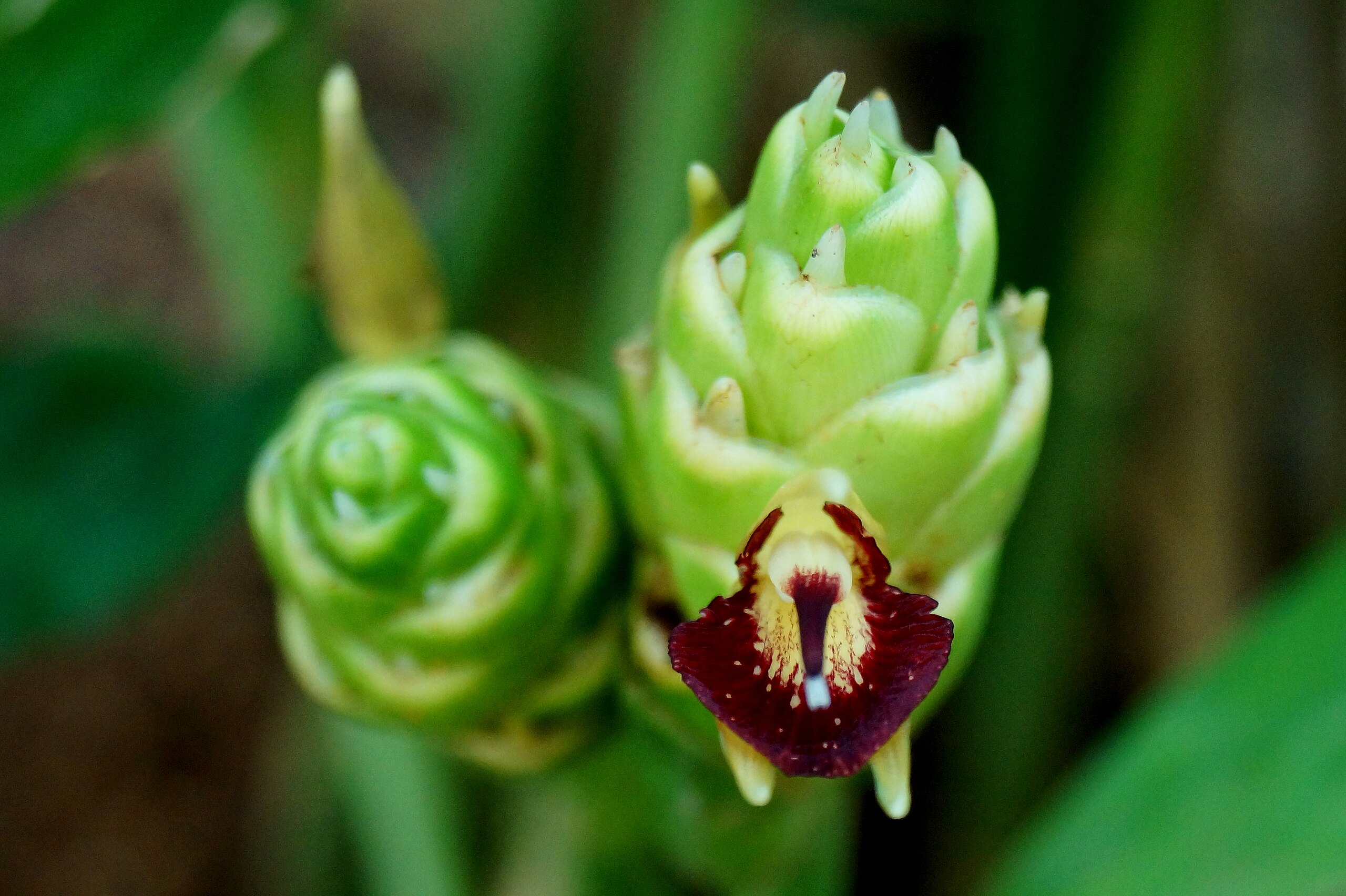
Ginger
Zingiber officinale
Zingiberaceae (Ginger family)
Native to: Southeast Asia, particularly southern China and the Indian subcontinent
Habitat: Tropical and subtropical regions worldwide, cultivated extensively in India, China, Jamaica, Nigeria, and Indonesia
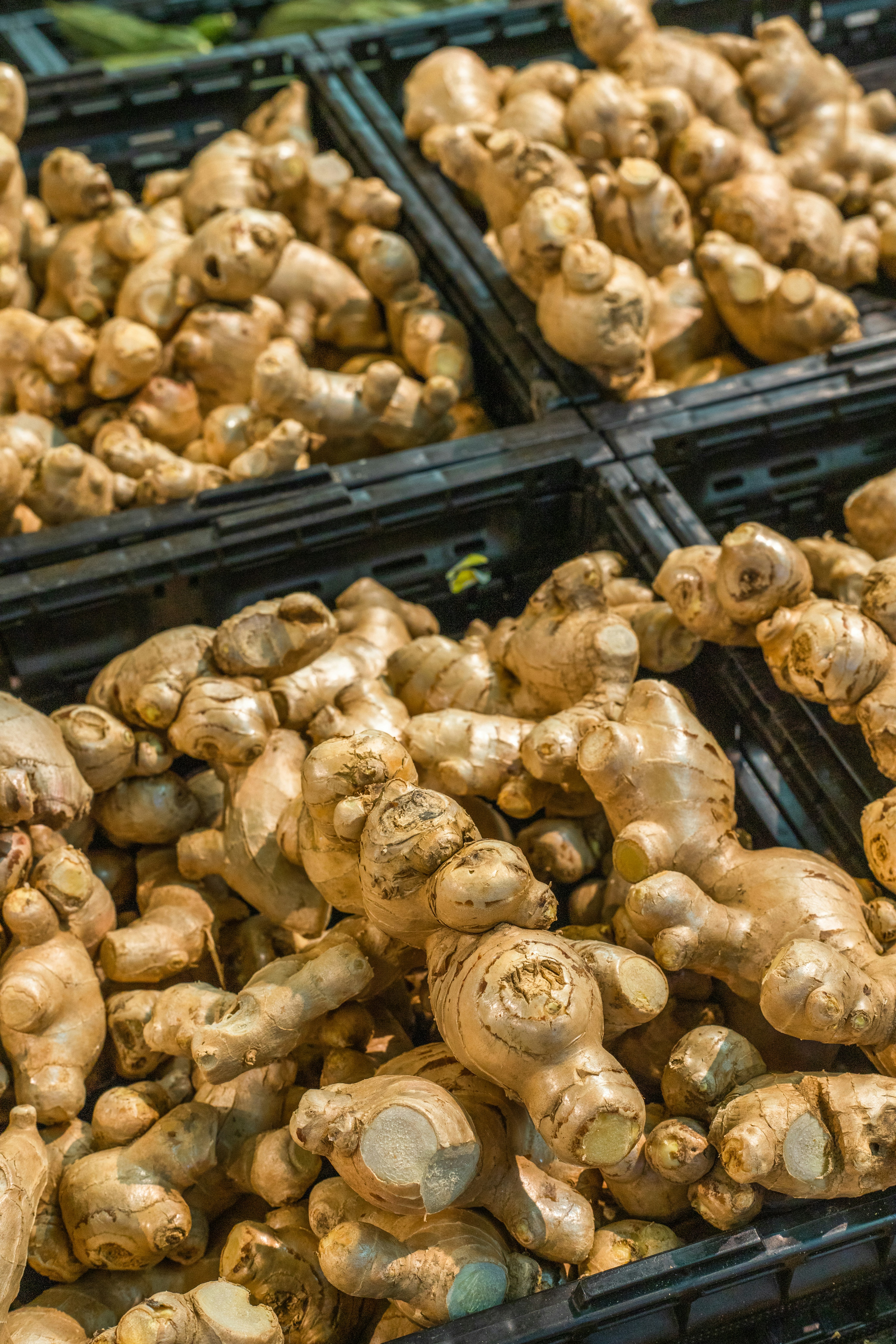
Ginger (Zingiber officinale)
Essence Overview
Ginger arrives with heat and momentum, a rhizome that radiates warmth from root to surface. For millennia, it has been revered as both culinary treasure and botanical medicine, prized for its ability to kindle circulation, settle unsettled stomachs, and ease the deep ache of inflammation. This is a plant of movement and activation, one that meets stagnation with purposeful force and transforms cold, sluggish conditions into dynamic flow.
Energetic & Emotional Profile
Ginger's energy is unmistakably yang, moving outward and upward with assertive warmth. It dispels what Chinese medicine calls "cold dampness," bringing clarity to foggy states and stimulating vitality where depletion has taken hold. Emotionally, ginger works on the solar plexus, encouraging personal power, digestive confidence, and the courage to metabolize both food and experience. It is the ally of those who feel stuck, those who need to break through inertia and reclaim their internal fire. There is boldness in its nature, a reminder that warmth is not passive but a force that transforms.
Traditional Uses
Herbalists across traditions have turned to ginger as a warming digestive, circulatory stimulant, and anti-inflammatory agent. In Traditional Chinese Medicine, it is categorized as a pungent, hot herb that warms the middle burner, expels cold, and stops vomiting. Ayurvedic practitioners call it vishwabhesaj, the universal medicine, using it to kindle agni (digestive fire) and clear ama (toxic accumulation).
Western herbalism adopted ginger enthusiastically, prescribing it for nausea, motion sickness, poor circulation, and arthritic pain. Eclectic physicians in 19th-century America included it in formulas for chronic indigestion and to enhance the action of other herbs. Fresh ginger is considered more warming and better for dispelling external cold, while dried ginger penetrates deeper, warming the interior and treating chronic coldness in the digestive system and joints.
Safety Considerations
Ginger is generally safe when used appropriately. Those with bleeding disorders, gallstones, or scheduled for surgery should consult a healthcare provider before regular use, as ginger can affect blood clotting. High doses may cause mild heartburn or digestive upset in sensitive individuals. Pregnant individuals should use moderate amounts, as ginger is helpful for morning sickness but excessive use should be avoided. Those on blood-thinning or blood pressure medications should seek professional guidance.
Tags
warming-herb, digestive-support, anti-inflammatory, circulation-stimulant, nausea-relief, pain-management, immune-support, traditional-medicine
Herbal Tea Recipe: Fresh Ginger Tea
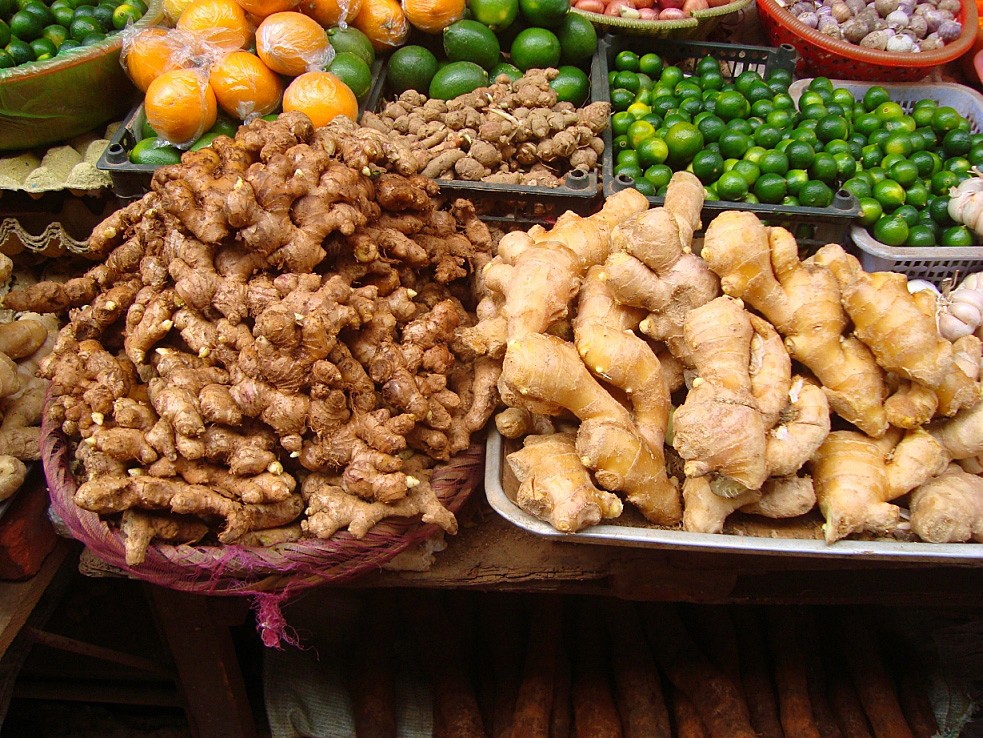
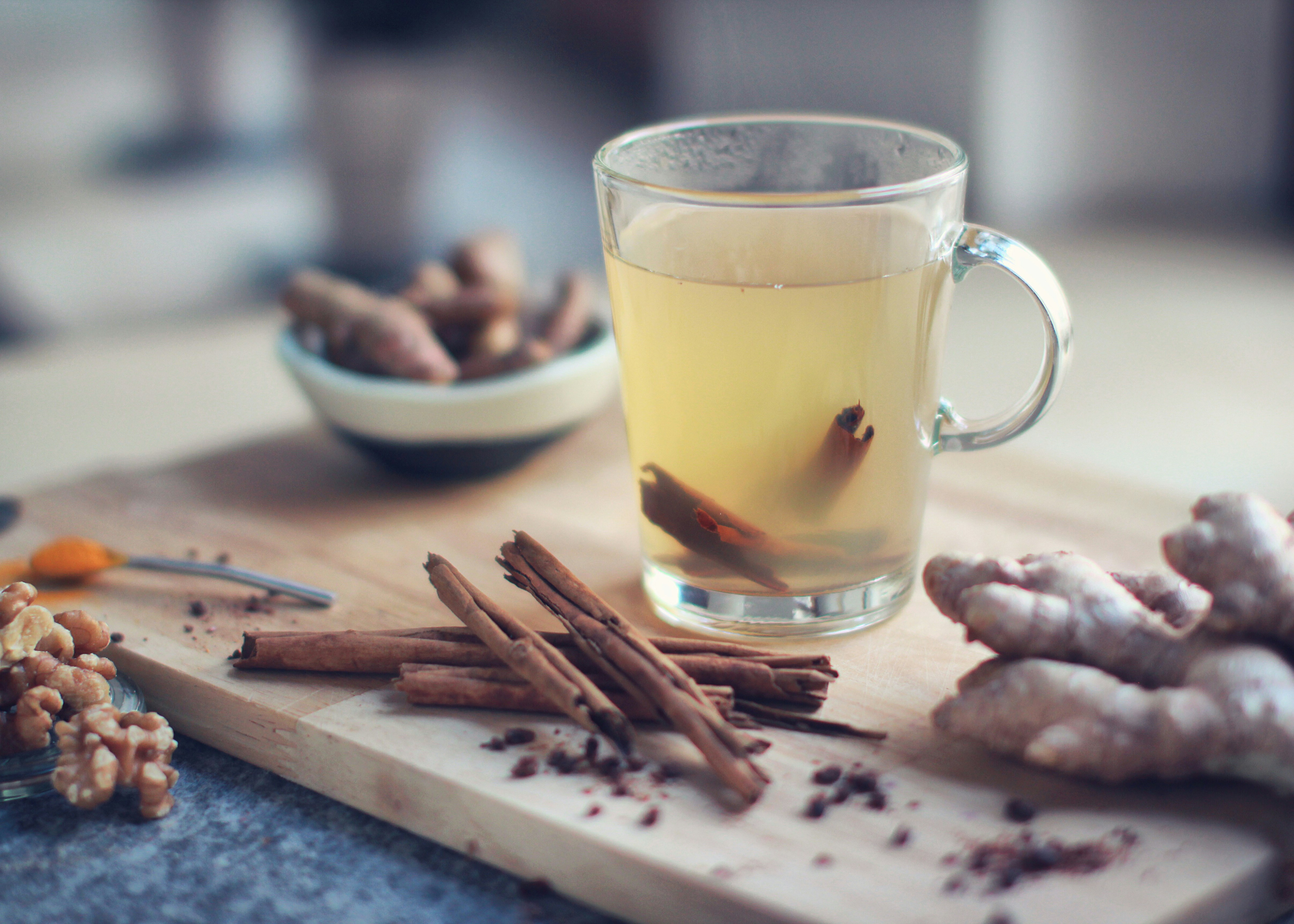
Ginger tea is a warming, slightly spicy infusion that has been used for centuries to support digestion, ease nausea, and promote circulation. Fresh ginger brings bright, pungent heat to the cup, while the addition of honey and lemon creates a soothing balance.
Ingredients
1 to 2-inch piece of fresh ginger root, peeled and thinly sliced or grated
Cinnamon stick or cinnamon powder
8 to 10 ounces hot water
Optional additions: raw honey, fresh lemon juice, a cinnamon stick, or a pinch of cayenne for extra warmth
Method
Place the sliced or grated ginger in a heat-safe cup or small pot.
Pour hot water (just under boiling) over the ginger.
Cover and steep for 10 to 15 minutes. A longer steep yields a more pungent, warming brew.
Strain the tea into a cup. Add honey and lemon if desired.
Sip slowly, allowing the warmth to settle into your body.
Notes for Use
Traditionally used to ease nausea, support digestion, and warm the body during cold conditions. Fresh ginger tea is particularly helpful for motion sickness, morning nausea, and sluggish digestion. It can be consumed daily as a tonic or as needed for acute discomfort.
Safety Considerations
Ginger is generally well tolerated. Those with bleeding disorders, gallstones, or taking blood-thinning medications should consult a practitioner before regular use. Pregnant individuals should use moderate amounts.
Healing Benefits and Preparations
Indications Uses: Relieve nausea and vomiting, reduce inflammation, support digestive health, ease joint and muscle pain, improve circulation, support immune function during colds and flu, reduce menstrual cramping.
Constituents: Gingerols, shogaols, zingerone, volatile oils (including zingiberene and bisabolene), resins, fiber, vitamins B6 and C, magnesium, potassium, manganese.
Healing Duration: Preparations: Fresh root tea, dried root powder, tincture, capsules, candied ginger, essential oil (external use only). Dosage: 1 to 3 grams of dried root powder per day, 2 to 4 grams of fresh root per day, or 1 to 2 cups of tea daily. Actions: Carminative, circulatory stimulant, anti-inflammatory, antiemetic, diaphoretic, expectorant.
Safety Contraindications: Use caution with bleeding disorders, gallstones, and before surgery. May interact with blood-thinning medications and blood pressure drugs. Avoid excessive use during pregnancy.
Energetics: Hot, pungent, dry. Moves energy outward and upward, dispels cold, activates circulation.
Duration: Acute symptoms such as nausea may respond within 30 minutes to 2 hours. Anti-inflammatory effects for chronic conditions may become noticeable within 2 to 4 weeks of consistent use.
Potency Level: Moderate to strong, depending on preparation and dosage.
Taste profile: Pungent, spicy, warming, slightly sweet when fresh, more intense and penetrating when dried.
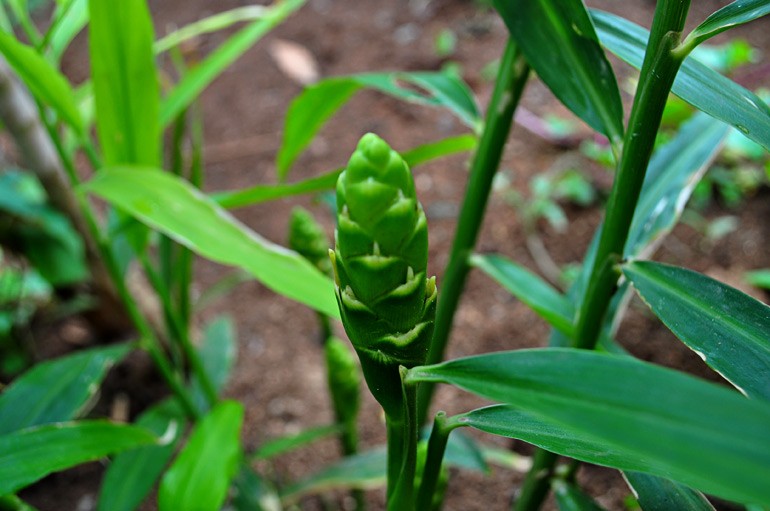
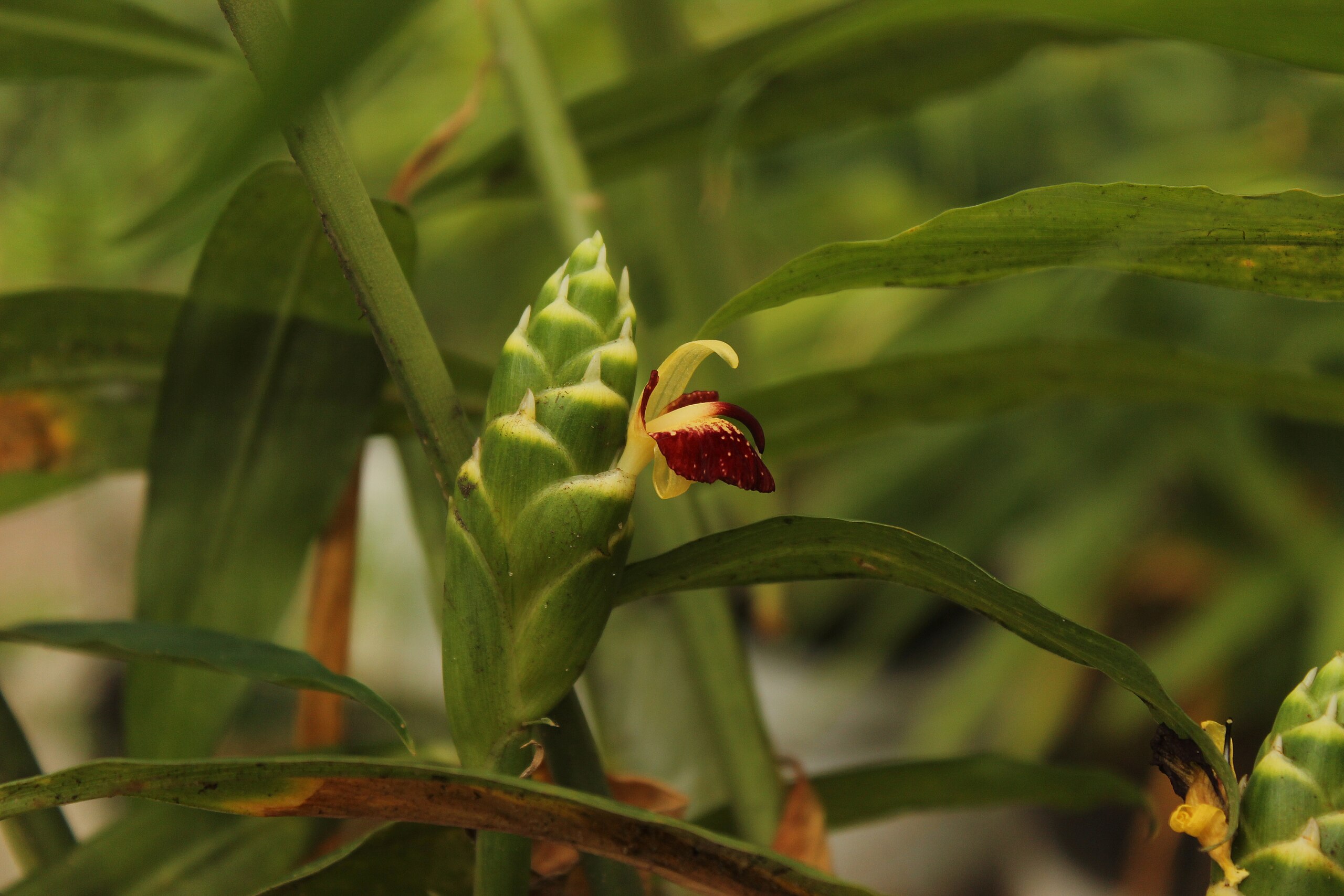
Growth Habitat: Perennial tropical plant, thrives in humid, warm climates with well-drained, rich soil. Prefers partial shade and consistent moisture.
Harvest notes: Rhizomes are typically harvested 8 to 10 months after planting, when the leaves begin to yellow and die back. Fresh ginger should be firm and fragrant. Sustainable cultivation practices include leaving portions of rhizome in the ground to regenerate the plant.

Historical References
Ginger's history as a healing plant stretches back over 5,000 years. Ancient Sanskrit texts describe its use in Ayurvedic medicine, where it was called maha aushadhi, the great medicine. The Charaka Samhita, one of the foundational texts of Ayurveda, recommends ginger for digestive complaints, respiratory conditions, and as a catalyst to enhance the absorption of other herbs.
In Traditional Chinese Medicine, ginger appears in the Shennong Bencao Jing (Divine Farmer's Materia Medica), one of the earliest pharmacopeias, dating to around 200 CE. It was classified as a warming herb that expelled cold, stopped vomiting, and dissolved phlegm. Both fresh ginger (生姜, sheng jiang) and dried ginger (干姜, gan jiang) were distinguished for their specific therapeutic actions.

Ginger traveled westward along ancient trade routes, becoming a prized commodity in the Roman Empire. Dioscorides, the Greek physician, documented its warming properties in De Materia Medica (circa 50 CE), recommending it for digestive disturbances and as a counterpoison. During the Middle Ages, ginger became a staple in European apothecaries and was mentioned in early English herbals for its ability to "comfort the stomach" and "expel wind."
By the time Nicholas Culpeper published The English Physician in 1652, ginger was well established in Western herbal practice, prescribed for cold constitutions, weak digestion, and to enhance the warming action of other remedies. Eclectic physicians in 19th-century America continued this tradition, incorporating ginger into compound formulas to improve circulation and digestive function.
Folk and Spiritual Medicinal Uses
In folk magic and spiritual herbalism, ginger is a plant of power, passion, and personal success. Its fiery nature makes it a natural choice for spells and rituals designed to accelerate momentum, attract prosperity, and ignite love or desire.
In hoodoo and rootwork traditions, ginger root is used in money-drawing formulas and carried in red flannel mojo bags to bring financial success and quick results. Powdered ginger is sprinkled at thresholds to invite prosperity into the home and ward off stagnant energy. Rootworkers also place ginger in honey jars to "sweeten" business dealings and speed up the manifestation of desired outcomes.
In Caribbean folk practices, ginger is steeped in rum or wine to create warming tonics believed to restore masculine vitality and increase personal magnetism. It is also used in spiritual baths to cleanse away lethargy and invoke confidence and courage before important endeavors.
Appalachian folk healers valued ginger as a "hot herb," using it in poultices for rheumatic pain and in teas to "break" fevers and colds. It was also believed that keeping dried ginger root in the kitchen brought good fortune and ensured that meals would nourish both body and spirit.
In Ayurvedic philosophy, ginger is considered sattvic when fresh, promoting clarity and vitality, and rajasic when dried, stimulating action and transformation. It is used in ritual offerings and consumed before meditation to enhance focus and internal fire.
Affirmations: "I am empowered by my internal fire. I move forward with courage, clarity, and warmth."
Spiritual Ritual Use: Used in spells for success, prosperity, courage, love, and breaking through energetic stagnation. Burned as incense or carried as a talisman to accelerate desired outcomes.
Gemstones: Carnelian, Red Jasper, Citrine, Amber
Phase of the Moon: Waxing Moon for growth and acceleration, Full Moon for peak manifestation
Vibe Code: Power, Action, Courage, Passion, Vitality, Success
Ginger: Ancient Medicine, Modern Applications
Explore the powerful healing properties of ginger root, from its origins in ancient Ayurvedic and Chinese medicine to its modern use for digestion, inflammation, and immune support.
YouTube Link: [To be added]
The Herbalist's Library: Ginger
Ginger's reputation as a universal medicine has inspired extensive documentation across medical traditions. For those seeking deeper understanding of its therapeutic applications, historical context, and spiritual significance, the following texts provide authoritative guidance.
Foundational Herbals
The Way of Herbs by Michael Tierra positions ginger as one of the most important warming stimulants in both Western and Eastern herbalism. Tierra provides detailed guidance on its use in combination formulas and explains the distinction between fresh and dried ginger in Traditional Chinese Medicine.
A Modern Herbal by Mrs. M. Grieve offers historical perspective on ginger's journey from ancient Asia to European apothecaries, documenting its traditional uses for digestive complaints, circulation, and respiratory support. Grieve's work bridges folk use with early pharmaceutical understanding.
Planetary Herbology by Michael Tierra explores ginger through the lens of energetic medicine, explaining its role in warming the interior, dispelling cold, and enhancing metabolic function according to Chinese and Ayurvedic principles.
Clinical & Scientific Perspectives
Herbal Medicine: Biomolecular and Clinical Aspects, edited by Benzie and Wachtel-Galor provides peer-reviewed research on ginger's bioactive compounds (gingerols, shogaols), their anti-inflammatory mechanisms, and clinical applications for nausea, pain management, and metabolic health.
The Herbal Medicine-Maker's Handbook by James Green includes practical preparation methods for ginger tinctures, syrups, oils, and compresses, with detailed extraction techniques to preserve its volatile constituents.
Medical Herbalism by David Hoffmann offers clinical dosing protocols, safety considerations, and evidence-based applications for ginger in professional herbal practice.
Traditional Medicine Texts
The Yoga of Herbs by David Frawley and Vasant Lad presents ginger from an Ayurvedic perspective, detailing its use as a universal adjuvant that enhances the action of other herbs, kindles digestive fire, and clears ama (toxins).
Chinese Herbal Medicine: Materia Medica by Dan Bensky and Andrew Gamble provides comprehensive entries on both fresh ginger (sheng jiang) and dried ginger (gan jiang), explaining their distinct therapeutic actions, traditional formulations, and classical references.
Folk & Spiritual Traditions
Hoodoo Herb and Root Magic by Catherine Yronwode explores ginger's role in conjure work, including its use in money spells, acceleration formulas, and as a catalyst for speeding up desired results.
Cunningham's Encyclopedia of Magical Herbs by Scott Cunningham documents ginger's associations with Mars and fire energy, providing practical suggestions for its use in love spells, success rituals, and personal empowerment work.
Affiliate links included. We earn a small commission from purchases at no cost to you.
Educational purposes only. Not medical advice. Consult a healthcare provider before use.
