Elderberry
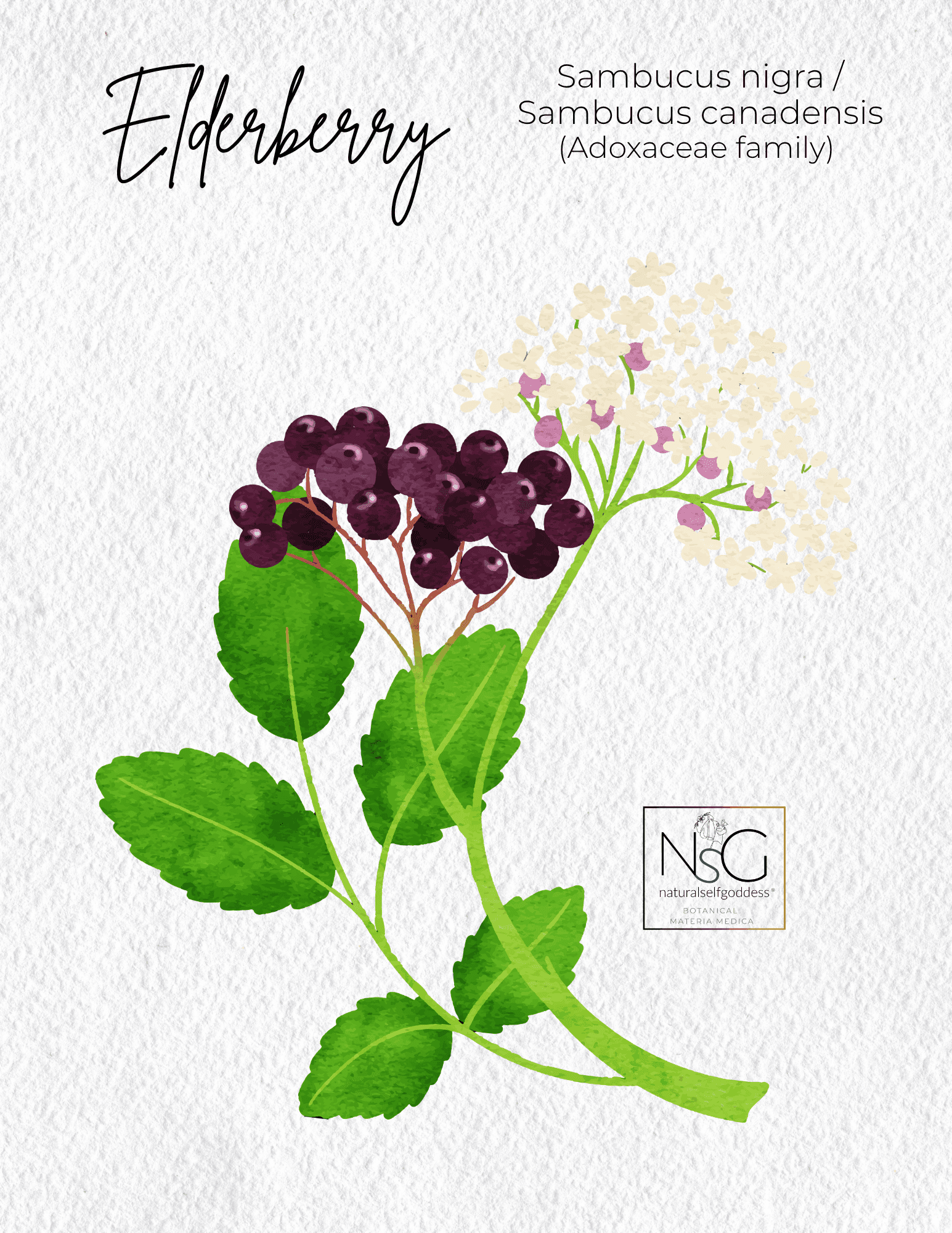
Sambucus nigra / Sambucus canadensis
Adoxaceae
Coming soon!
Overview
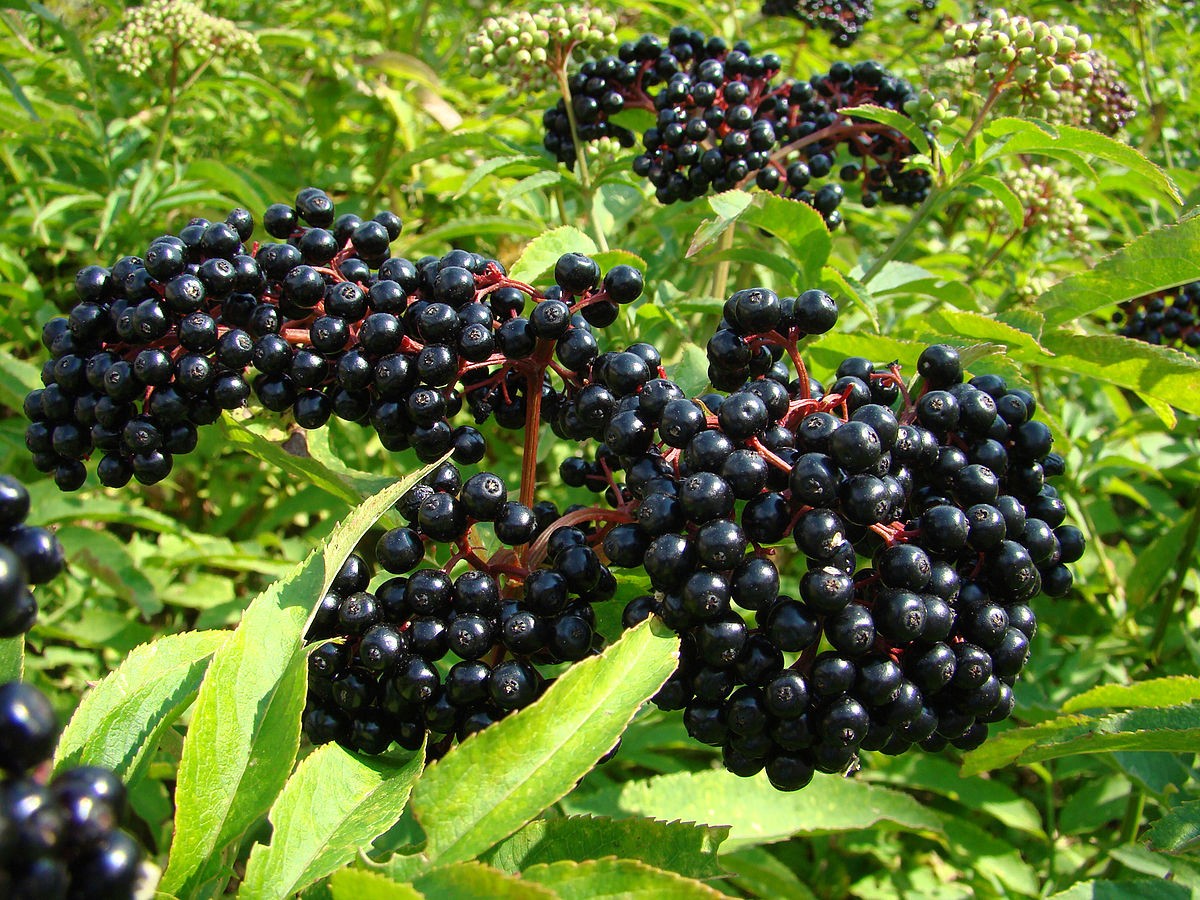
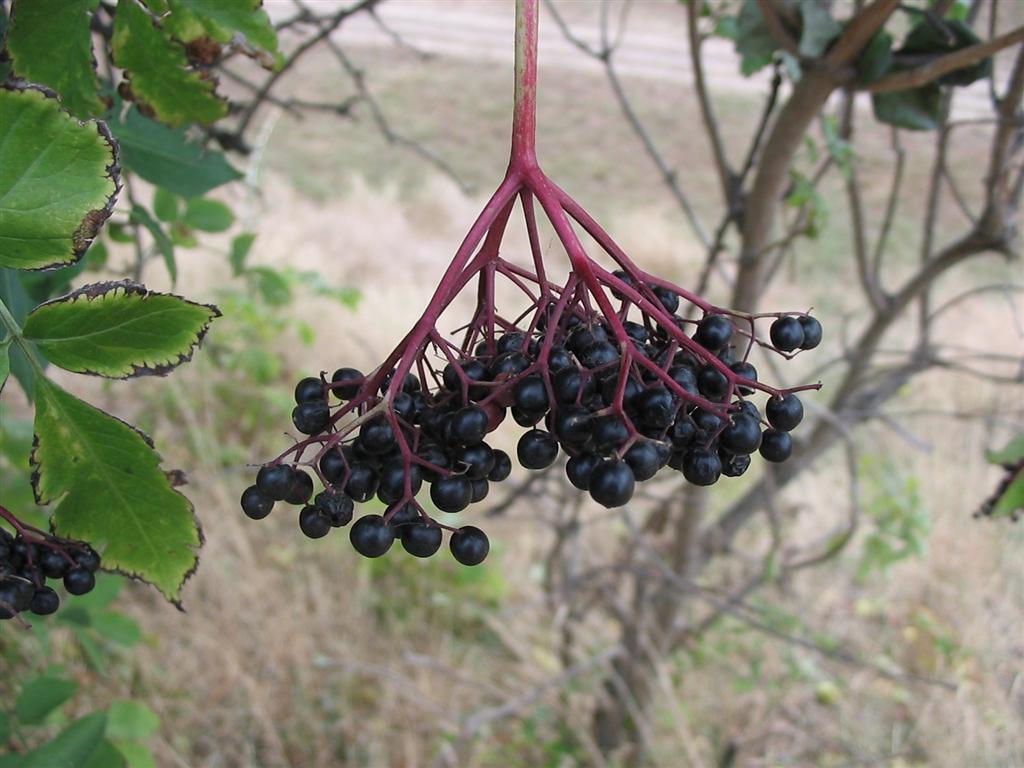
Elderberry stands as one of the most revered healing plants in herbal history, a steadfast guardian of vitality when the body faces depletion. Known for centuries as the "medicine chest of the countryside," this ancient ally offers profound immune support with a gentleness that belies its strength. The dark purple berries carry concentrated nourishment, while the creamy white flowers bring cooling relief. This is a plant that has walked alongside humanity through countless winters, offering protection when we need it most.
Energetic & Emotional Profile
Elderberry's energy moves with the wisdom of an elder, a protective grandmother energy that wraps around us when we are vulnerable. It teaches the body how to mount a swift, intelligent response to viral threats without overreaction. There is both fire and cooling moisture in this plant, a balance that helps the immune system find its appropriate intensity. Elderberry encourages resilience not through force, but through deep cellular intelligence. It reminds us that true protection comes from nourishment, that defense and care are one and the same.
Traditional Uses
Herbalists have treasured elderberry for millennia, using it to shorten the duration and severity of colds and influenza, support respiratory health, and bring down fevers. The flowers, taken as tea, act as a diaphoretic, opening the pores and encouraging healthy sweating to release fever. The berries, rich in vitamin C and anthocyanins, strengthen the immune response and provide powerful antiviral support.
In Appalachian folk herbalism, elderberry syrup became a winter staple, passed down through generations as essential medicine for keeping families well through harsh mountain winters. Appalachian herbalists combined elderberries with local honey, ginger, and clove, creating warming syrups that supported the respiratory system and built deep immunity. Children were given elderflower tea for fever, while adults relied on the potent berries for flu prevention and treatment. The tradition ran so deep that many mountain families would not enter cold season without elderberry in the cupboard, understanding its capacity to prevent illness entirely when taken regularly. This knowledge reflected the Appalachian practice of preventive medicine, the belief that the best time to support the body is before illness takes hold.
Safety Considerations
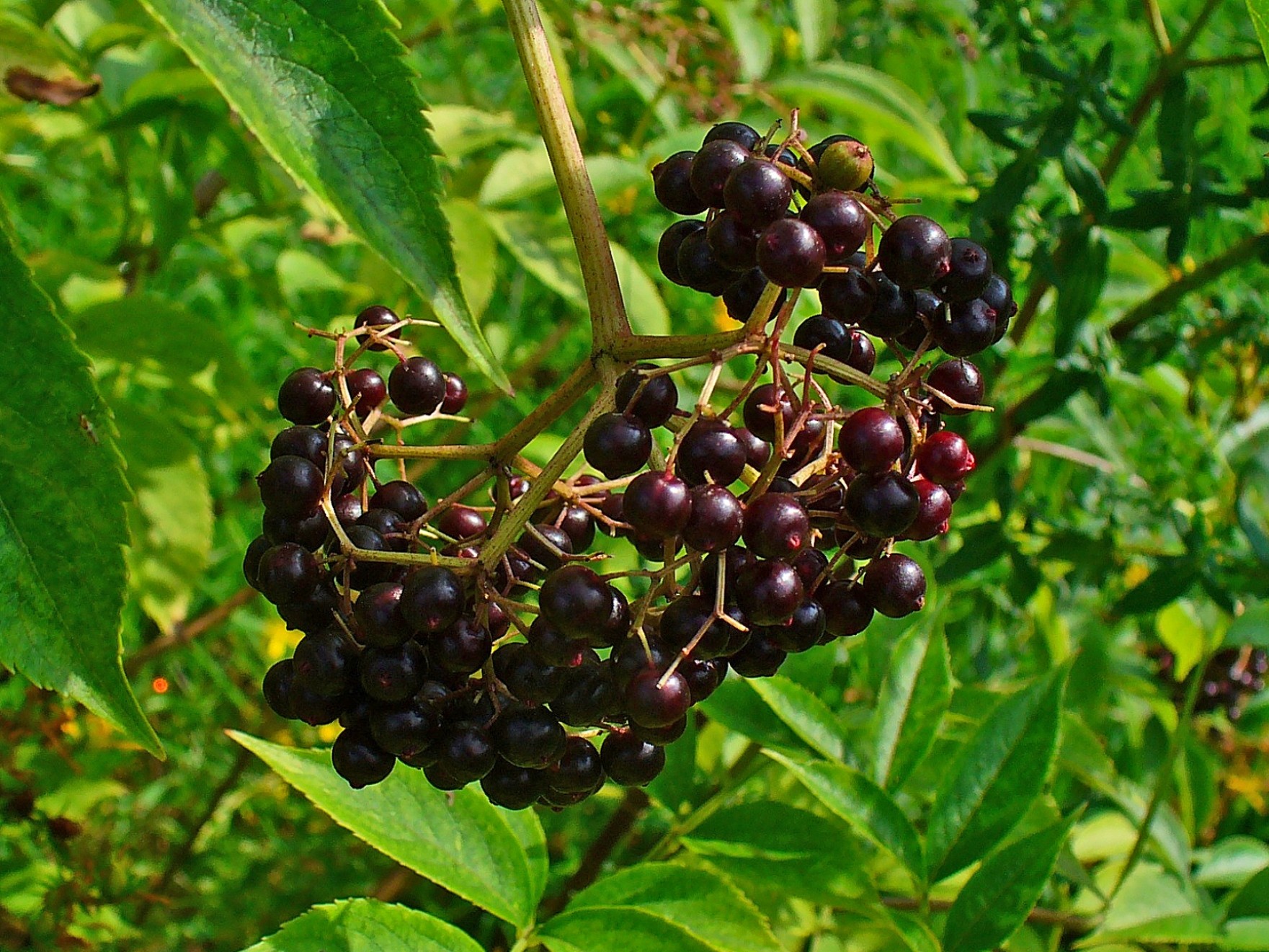
While elderberries and flowers are generally safe and well-tolerated, raw berries contain mild toxins and must be cooked before consumption. All stems, leaves, roots, and unripe berries should be avoided. Red elderberry species (Sambucus racemosa) are toxic and should never be consumed. Those with autoimmune conditions or taking immunosuppressive medications should consult with a qualified healthcare practitioner before use. As a diuretic, elderberry may interact with medications that affect urination.
Tags: immune-support, antiviral, respiratory-health, fever-remedy, protective-medicine, winter-wellness, ancestral-healing, sacred-plant
Herbal Tea Recipe: Elderflower Fever Tea
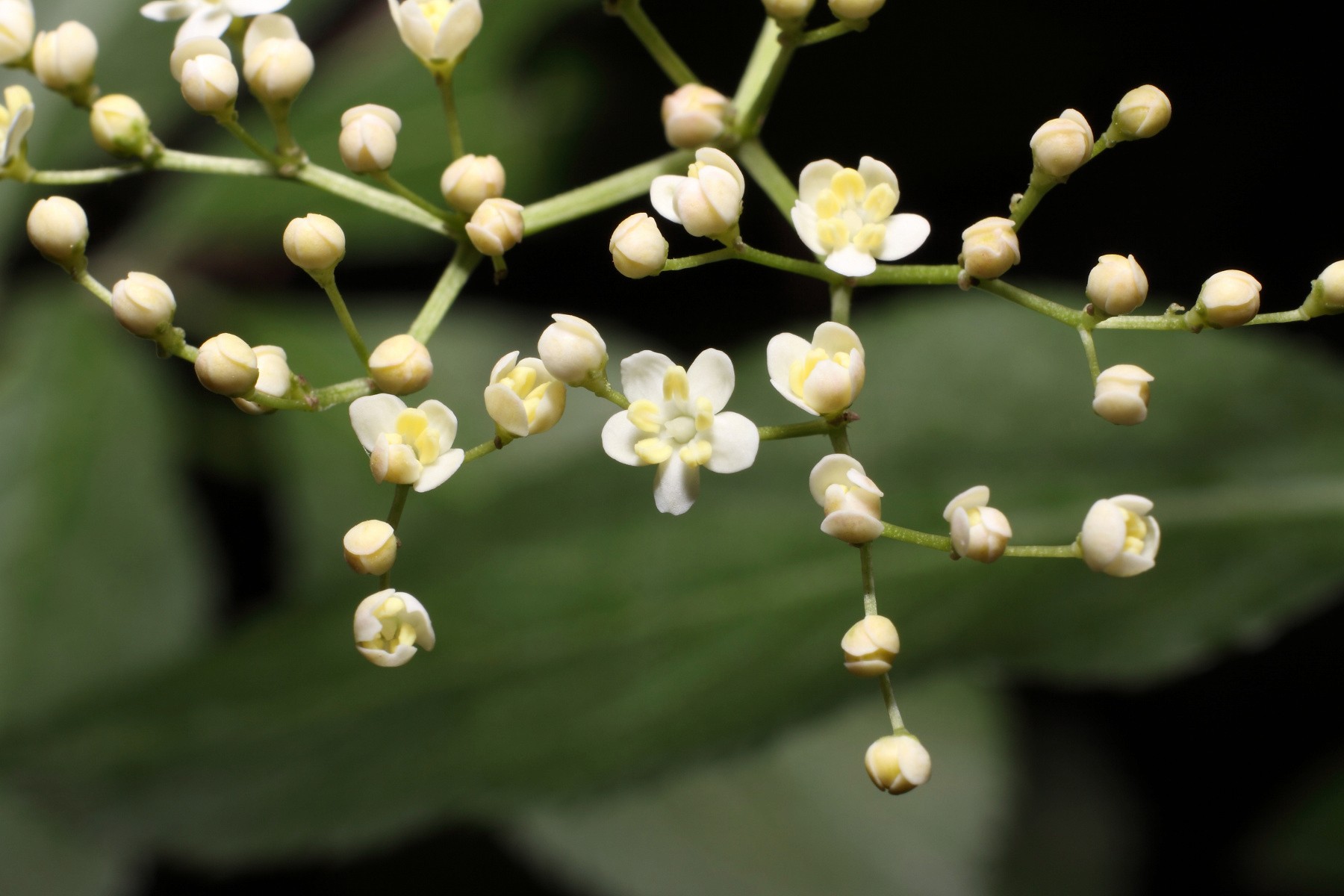
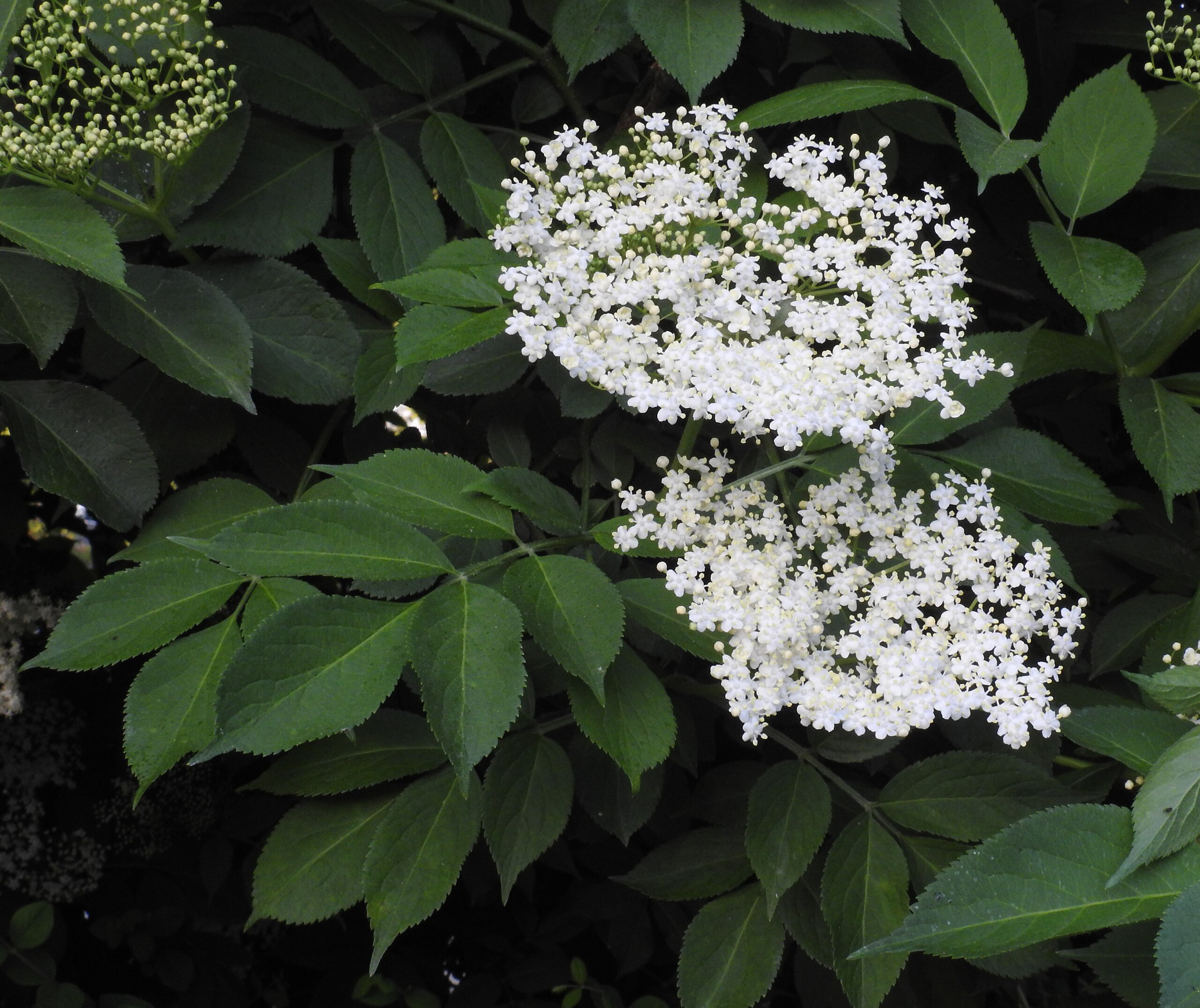
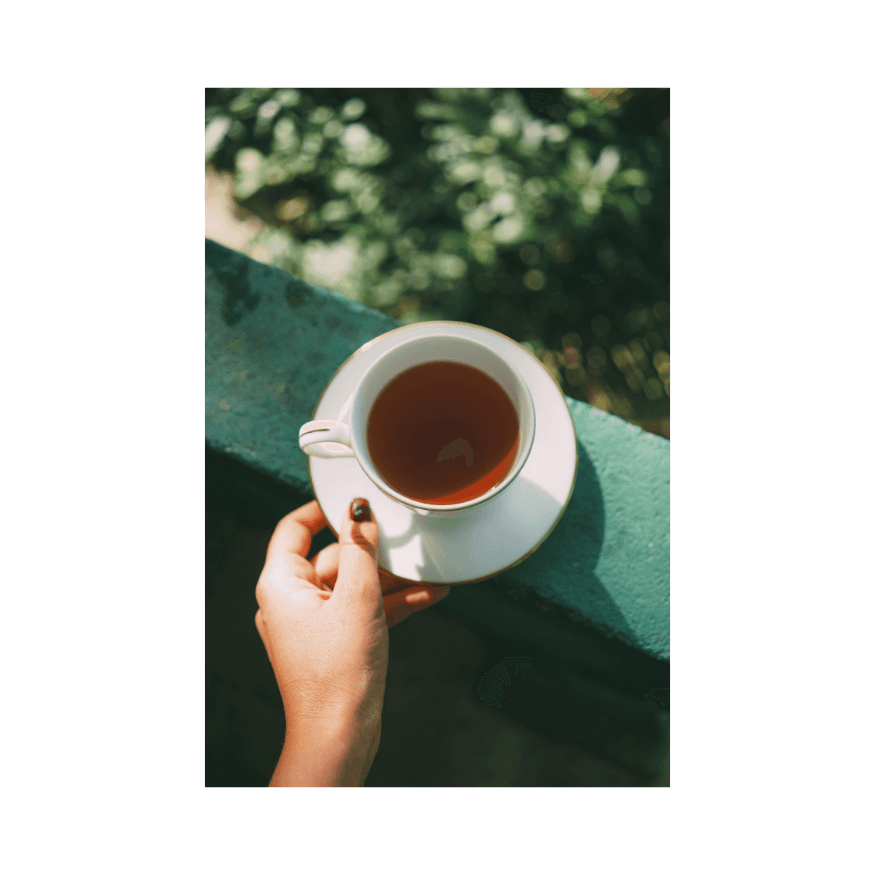
Elderflower brings gentle cooling relief when fever rises and the body needs to release heat through the skin. This traditional tea opens the pores, encourages healthy perspiration, and soothes agitation. It works beautifully for children and adults alike, offering comfort when illness takes hold.
Ingredients
2 tablespoons dried elderflowers
1 tablespoon dried peppermint
1 tablespoon dried yarrow
10 ounces hot water
Optional: honey to taste (after steeping)
Method
Combine the dried herbs in a heat-safe cup or teapot.
Pour hot water (just below boiling) over the herbs.
Cover tightly and steep for 10 minutes.
Strain and add honey if desired.
Drink warm, slowly, while resting.
Notes for Use
This traditional fever blend combines three gentle but powerful diaphoretics. Drink this tea at the first sign of fever, especially when the person feels hot, agitated, and is not sweating. Best taken warm and followed by rest under blankets to encourage perspiration. For children, reduce the amount to half and sweeten with honey (only for children over one year).
Safety Considerations
Generally safe for most people. Elderflower may increase urination, so ensure adequate hydration. Not recommended during pregnancy without practitioner guidance.
Healing Benefits and Preparations
Indications & Uses: Immune support, antiviral activity, cold and flu prevention and treatment, fever reduction, respiratory congestion, sinus infections, seasonal allergies, inflammation reduction. Constituents: Vitamins A, C, E; anthocyanins, flavonoids (quercetin, rutin), minerals (calcium, potassium, phosphorus, iron), tannins, essential oils (in flowers).
Preparations: Syrup, tea, tincture, glycerite, elixir, wine, jam, cordial (from flowers). Dosage: Syrup: 1-2 teaspoons daily for maintenance, 2 teaspoons four times daily during acute illness (adults); half dose for children. Tea: 1-2 cups daily. Tincture: 2-4 dropperfuls every 2-4 hours during acute viral illness. Actions: Antiviral, immune-modulating, diaphoretic (flowers), anti-inflammatory, antioxidant, expectorant, diuretic.
Safety Contraindications: Raw berries are toxic and must be cooked. Avoid all parts of red elderberry (S. racemosa). Remove all stems, leaves, and roots before preparation. May interact with immunosuppressive drugs and diuretics. Not recommended in large amounts during pregnancy.
Energetics: Cooling, drying (flowers), moistening (berries). Duration: Acute use shows effects within hours to days. Preventive use builds resilience over weeks of consistent intake.
Potency Level: High potency, especially for viral infections.
Taste Profile: Flowers: Sweet, slightly musty, aromatic with clove-like notes. Berries: Tart, earthy, slightly bitter when raw; rich and jammy when cooked with sweetener.
Growth Habitat: Deciduous shrub or small tree, 4-15 feet tall. Prefers moist, fertile soil in full sun to partial shade. Thrives along streams, woodland edges, fence rows, disturbed sites. Hardy in zones 3-10. Pioneer species that colonizes damaged land.
Harvest Notes: Flowers in late spring (May-June in most regions), harvest entire umbels when blooms are fully open but before browning. Berries in late summer to early fall (August-September), harvest when deep purple-black and fully ripe. Remove all stems before use. Dry flowers on screens; cook berries fresh or freeze for later use.
Historical References
Elderberry's reputation stretches back to ancient times, when Hippocrates called the elder tree his "medicine chest" around 400 BC. In medieval Europe, elderberry was considered so essential that Charlemagne ordered it planted widely across his empire in the 9th century. Nicholas Culpeper documented elder extensively in his 1653 Complete Herbal, noting its uses for feverish colds and as a wash to darken hair.
Dr. Martin Blochwich's 1644 text The Anatomy of Elder devoted 230 pages to the plant's extraordinary healing properties, combining elderberry with violets for feverish infections and with burdock for treating palsy. Hildegard von Bingen, writing in the 12th century, declared that while elder's other parts had some value, its fruit served humanity most profoundly.
Among 19th-century Eclectic physicians in America, elderberry was prescribed alongside yellow dock and dandelion for what they termed "blood impoverishment," recognizing its nutritive density and rebuilding capacity. The plant's folklore rivals its medicine, with elder appearing in Hans Christian Andersen's fairy tales as the doorway to magical realms and in Celtic tradition as home to the "elder mother," queen of the underworld.
Archaeological evidence shows elderberry seeds at prehistoric European sites from 17,000 to 12,000 BP, suggesting humans have relied on this plant since the Magdalenian era. Ceremonial flint spearheads modeled after elder leaves reveal the deep reverence ancient peoples held for this botanical ally.
Folk and Spiritual Medicinal Uses
In European folk tradition, elder was considered the dwelling place of the "elder mother" or "hylde moer," a powerful fairy queen or underworld guardian. Before harvesting, practitioners would make offerings at the tree's base to the spirit residing there, asking permission and giving thanks for the medicine and bounty to come. Crosses made from elder wood were placed on graves to bring peace to the departed.
In hoodoo and rootwork traditions, elderberry appears in protection work and boundary magic. The flowers can be scattered around property lines to create spiritual barriers, while the berries are sometimes included in healing pouches for their association with life force and vitality. Unlike some prosperity herbs, elderberry's magic centers on protection, health, and safe passage through difficult transitions.
Native American and American Indian communities across North America hold elderberry as sacred medicine, a plant that serves as a bridge between the physical and spiritual worlds. The hollow stems that create haunting music for ceremonies reinforce this liminal quality. The plant teaches about cycles, death, and renewal, about the necessity of letting go so new growth can emerge.
Affirmations: "I am protected by ancient wisdom; my body knows how to heal and defend itself."
Spiritual Ritual Use: Protection rituals, honoring ancestors, supporting passage through illness or transition, offering gratitude for healing, seasonal ceremonies marking the change from summer to fall.
Gemstones: Amethyst, Black Tourmaline
Phase of the Moon: Dark Moon for protection work, Waning Moon for releasing illness, Full Moon for harvest blessings
Vibe Code: Protection, Ancient Wisdom, Immune Strength, Sacred Guardian, Ancestral Medicine
The Herbalist's Library: Elderberry
Elderberry has captured the attention of herbalists, scientists, and storytellers for millennia. For those seeking to deepen their understanding of this profound ally, the following texts offer wisdom spanning folk tradition to modern research.
Foundational Herbals
A Modern Herbal by Mrs. M. Grieve remains essential reading, documenting elderberry's role in Western herbalism and its traditional applications for fevers, colds, and skin conditions. Grieve bridges historical use with early clinical observation.
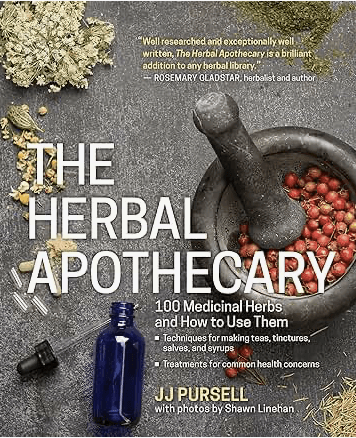
The Herbal Apothecary by JJ Pursell provides clear, practical instruction for preparing elderberry syrup, tinctures, and other medicines, honoring traditional methods while making them accessible for contemporary use.
.
Clinical & Scientific Perspectives
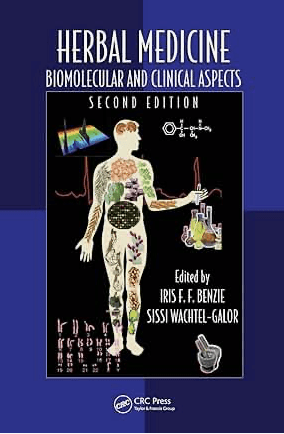
Herbal Medicine: Biomolecular and Clinical Aspects, edited by Benzie and Wachtel-Galor, explores the biochemistry behind elderberry's remarkable antiviral activity, including its ability to prevent viral entry into cells and modulate inflammatory response.
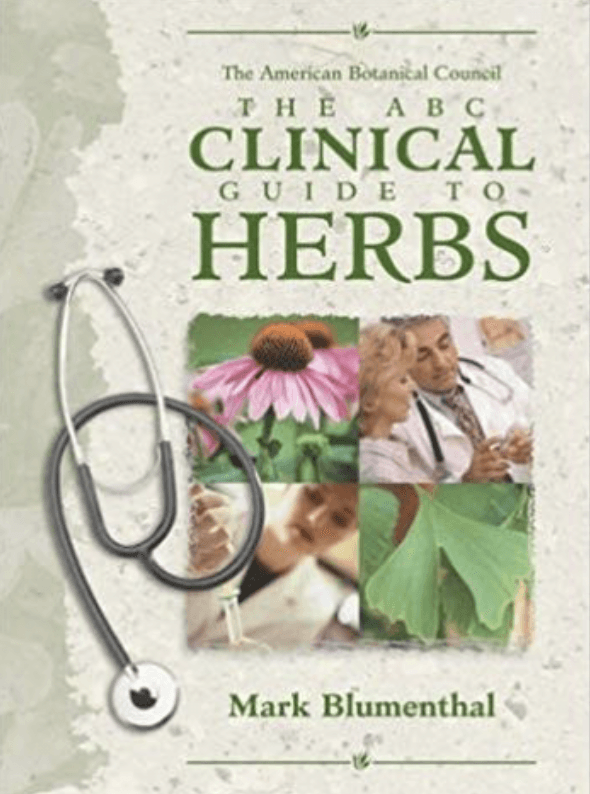
The ABC Clinical Guide to Elder Berry from the American Botanical Council offers peer-reviewed research summaries on elderberry's efficacy for treating influenza and upper respiratory infections.
Indigenous & Ethnobotanical Knowledge
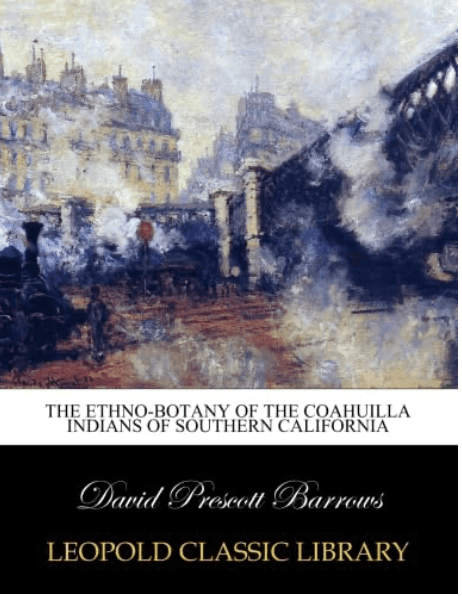
The Ethnobotany of the Coahuilla Indians of Southern California by David Prescott Barrows (1900) provides early documentation of Indigenous elderberry use, including food preparation and medicinal applications.
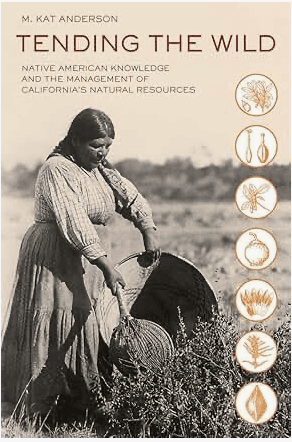
Tending the Wild: Native American Knowledge and the Management of California's Natural Resources by M. Kat Anderson explores how Indigenous burning practices enhanced elderberry production and how tribal communities continue these relationships today.
Folklore & Spiritual Traditions
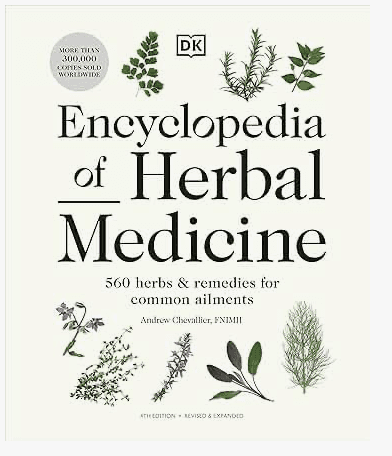
The Encyclopedia of Medicinal Plants by Andrew Chevallier notes that "Elder has more folklore attached to it than any other European plant," documenting its role in fairy tales, protection magic, and seasonal celebrations.
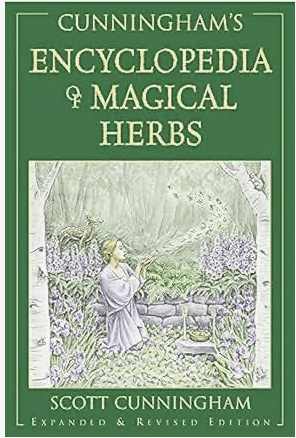
Cunningham's Encyclopedia of Magical Herbs by Scott Cunningham offers accessible guidance on elderberry's use in protection work and healing rituals.
Recipe & Practical Guides
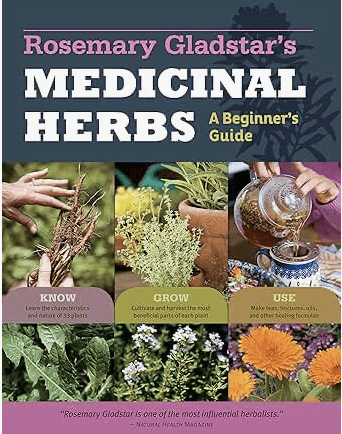
Rosemary Gladstar's Medicinal Herbs: A Beginner's Guide includes Gladstar's famous elderberry syrup recipe and discusses elderberry's role as a foundational remedy in every home apothecary.
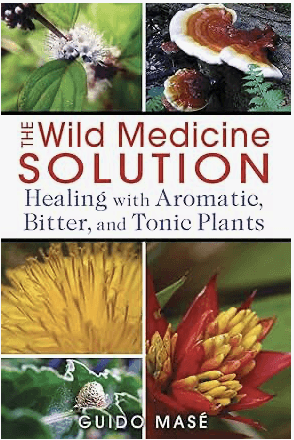
The Wild Medicine Solution by Guido Masé explores elderberry within the context of naturalized medicines and sustainable wildcrafting practices.
Affiliate links included. We earn a small commission from purchases at no cost to you.
Educational purposes only. Not medical advice. Consult a healthcare provider before use.
