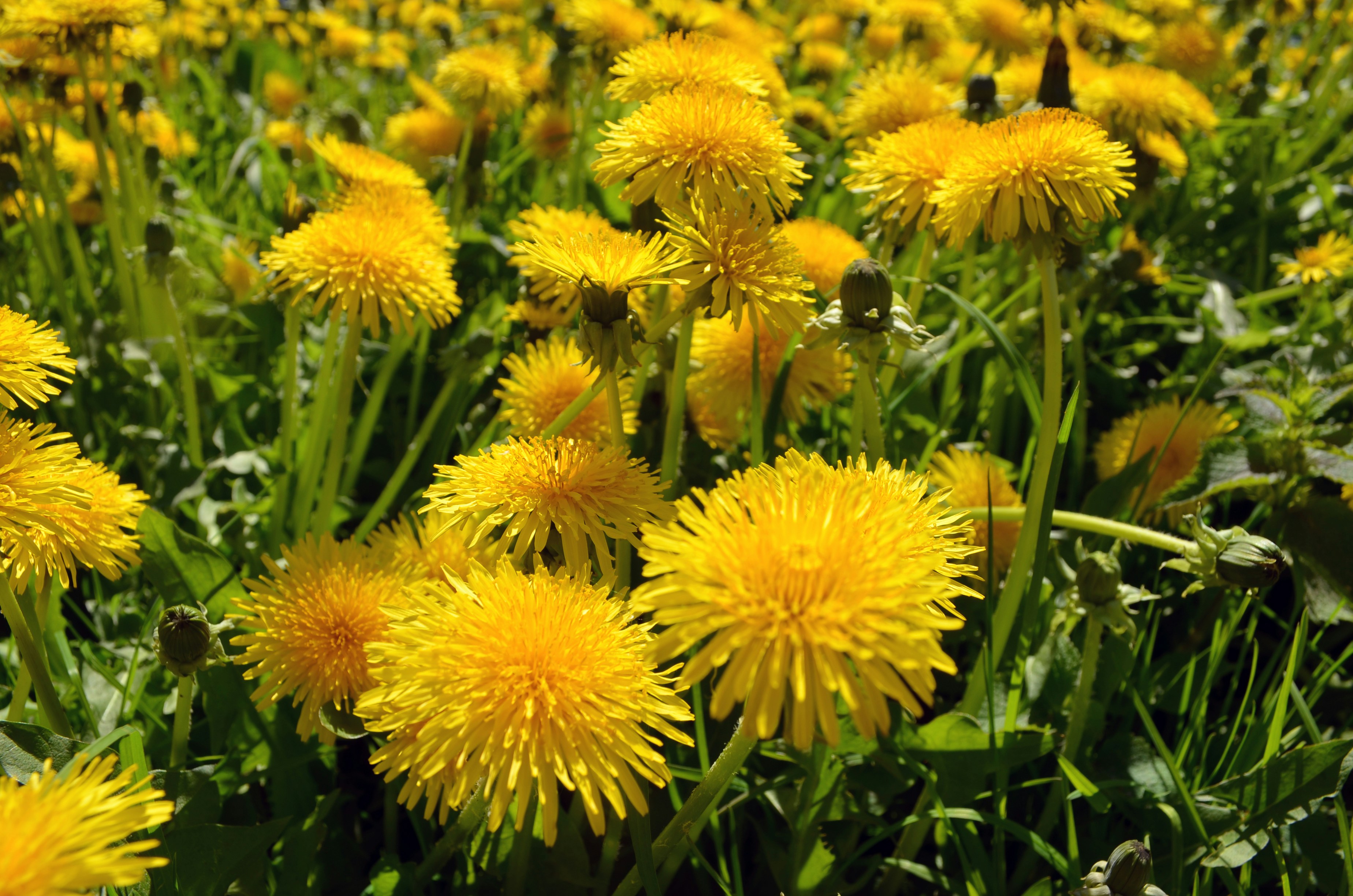
Dandelion
Taraxacum officinale
Asteraceae (Aster family)
Native to Europe and Asia, now naturalized across North America, temperate regions worldwide. Thrives in meadows, lawns, roadsides, and disturbed soils.
Dandelion (Taraxacum officinale)
Essence Overview
Dandelion moves through the body with a purposeful clarity, opening channels that have grown sluggish and encouraging the release of what no longer serves. This is a plant of transformation, working simultaneously on liver, kidney, and digestive pathways to restore flow and vitality. Root and leaf each carry distinct medicine: the root digs deep, supporting detoxification and metabolic resilience, while the leaf moves fluid with gentle diuretic action. Together, they offer a complete system of renewal.
Energetic & Emotional Profile
Dandelion's energy is both tenacious and adaptable. It teaches us about resilience, thriving in places others cannot, breaking through concrete and claiming space wherever it lands. Emotionally, it works on the subtle bitterness that accumulates when we've held onto grievances too long or when our systems have become overburdened. It encourages a clearing, not through force but through patient persistence, inviting us to let go of what weighs us down and reclaim our natural buoyancy. There is a lightness in dandelion's spirit, a reminder that even the heaviest burdens can be released, seed by seed, breath by breath.
Traditional Uses
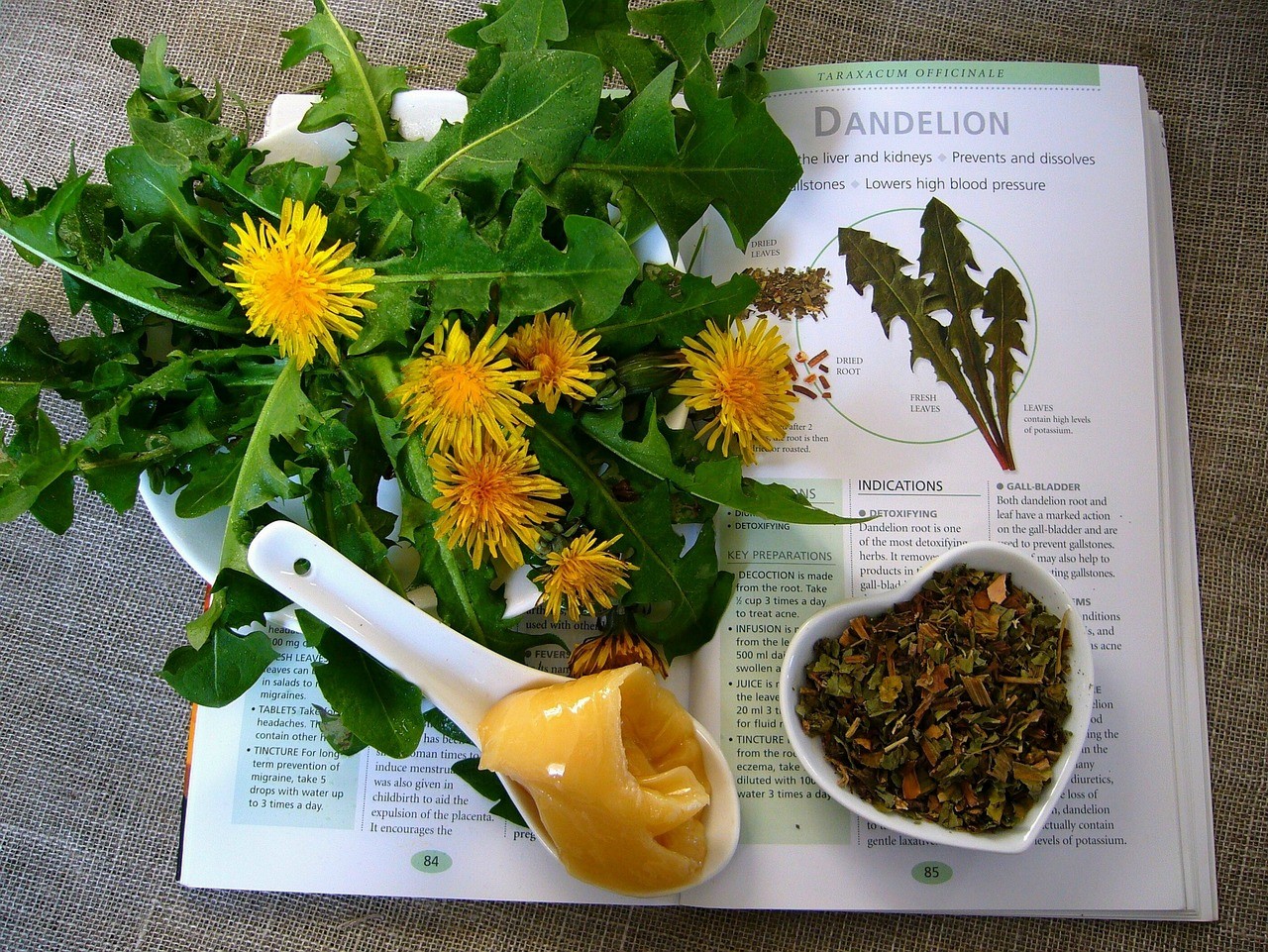
Western herbalists have revered dandelion for centuries as a supreme liver tonic and blood purifier. The root stimulates bile production, supports healthy digestion, and aids the body's natural detoxification processes. The leaf acts as a potassium-sparing diuretic, gently moving excess fluid without depleting essential minerals. Traditionally prepared as spring tonics, bitters formulas, roasted root coffee substitutes, and fresh leaf salads, dandelion has been used to address sluggish digestion, water retention, skin eruptions, and general constitutional depletion.
In Appalachian folk medicine, dandelion was celebrated as one of the essential spring greens, gathered when the body needed cleansing after a winter of heavy foods and limited fresh vegetation. Mountain herbalists understood the plant's ability to "wake up" the liver and kidneys, preparing the system for warmer months. The young leaves were eaten fresh in salads or cooked like spinach, while roots were dug in fall when their inulin content peaked, then dried for winter decoctions. Appalachian healers prescribed dandelion root tea for what they called "liver sluggishness," recognizing its bitter taste as medicine for digestion and its deep-reaching action for chronic complaints like joint pain, skin troubles, and fatigue. The flowers were infused in oil for massage or made into wine, while the whole plant was valued as a "weed that heals everything it touches." This practical tradition honored dandelion not just as medicine but as seasonal food, weaving health into everyday sustenance.
Safety Considerations
Dandelion is remarkably safe and well-tolerated. Those with gallbladder obstruction, bile duct blockage, or allergies to plants in the Asteraceae family should exercise caution. Consult a healthcare practitioner if taking medications for diabetes or diuretics, as dandelion may enhance their effects.
Tags liver-tonic, digestive-bitter, diuretic-herb, detoxifying-plant, blood-purifier, spring-tonic, nutritive-green, resilience-medicine



Tea Recipes
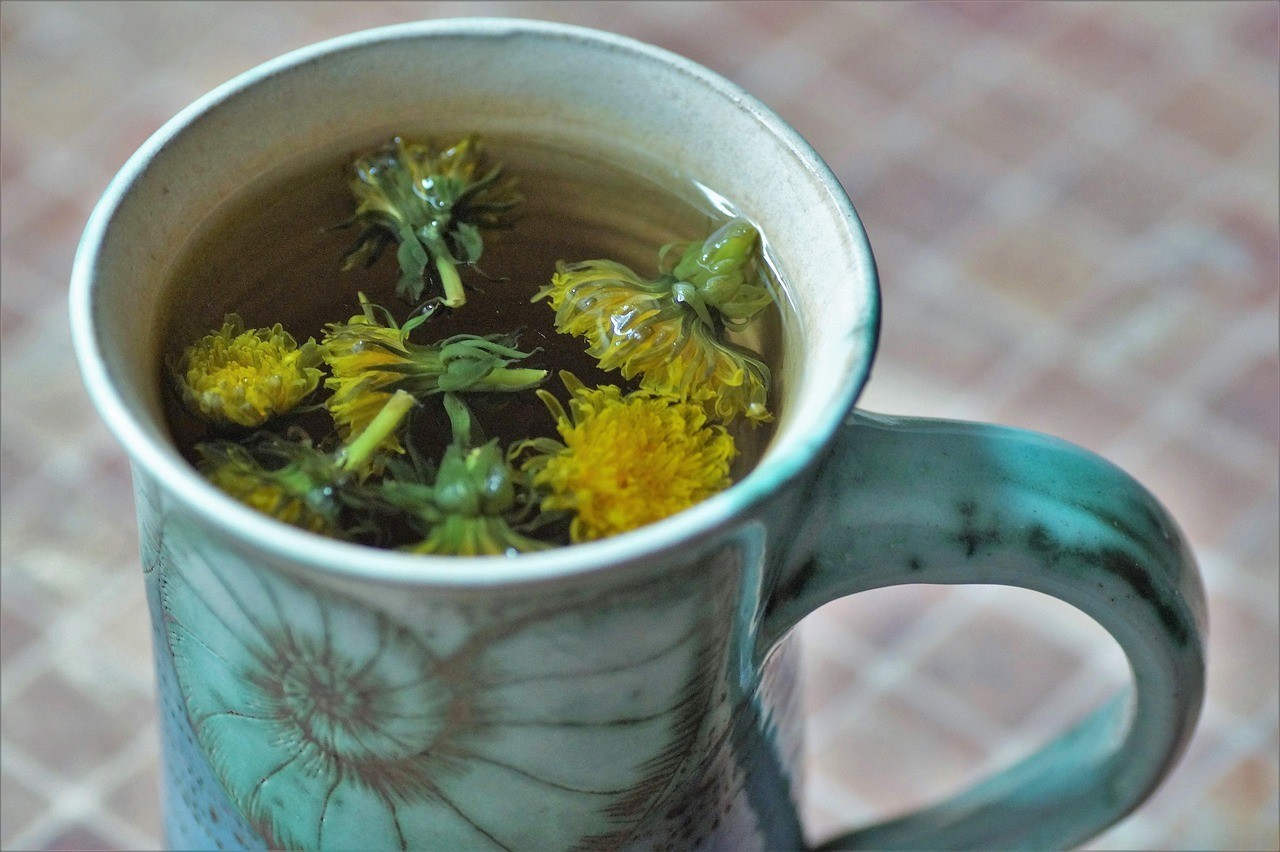
Herbal Tea Recipe: Dandelion Root Tea
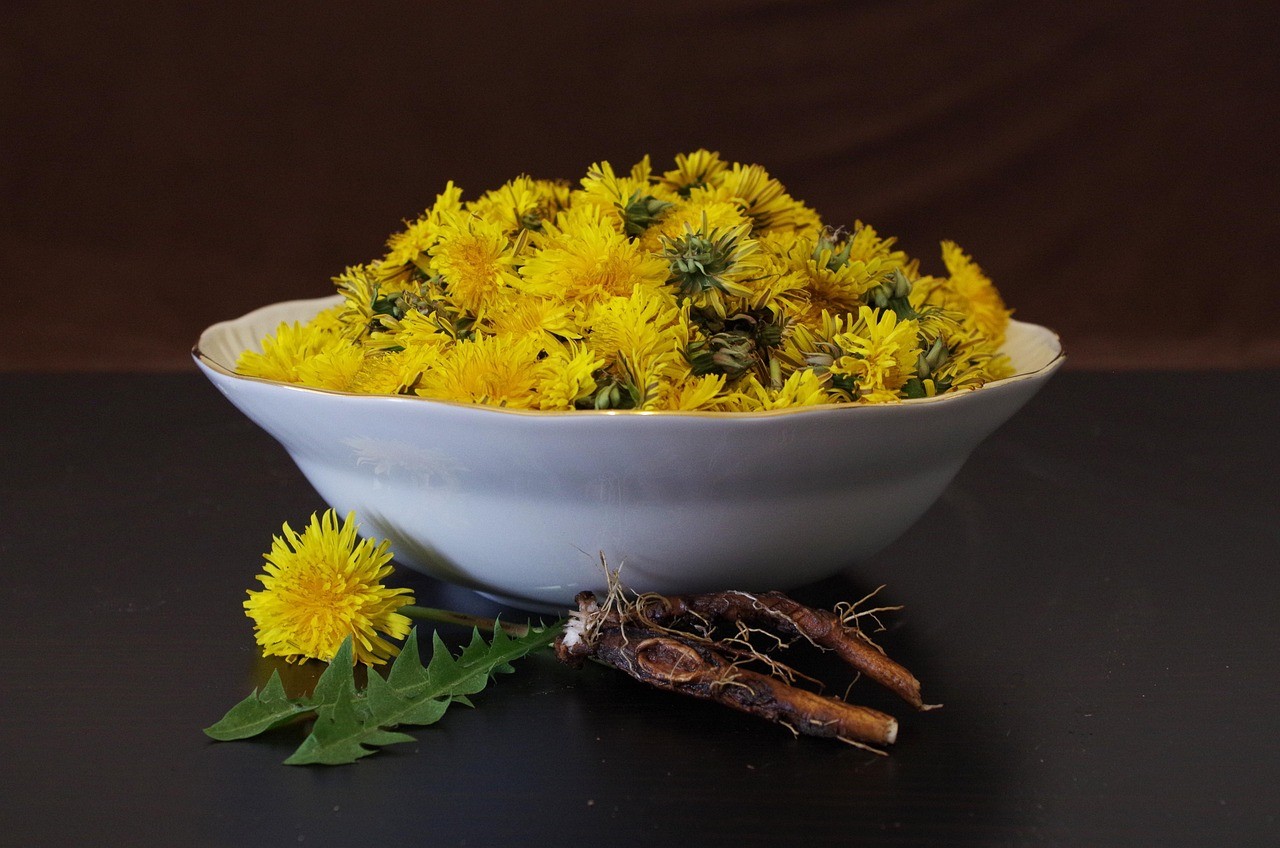
Dandelion root brings a deep, earthy bitterness to the cup, awakening digestion and supporting the liver's natural detoxification pathways. This tea works best when taken regularly, particularly during seasonal transitions or when the body feels sluggish and in need of metabolic support.
Ingredients
1 tablespoon dried dandelion root (chopped or roasted)
10 ounces water
Optional additions: a slice of fresh ginger, a touch of honey, or a squeeze of lemon to balance the bitter notes
Method
Place the dried dandelion root in a small pot.
Add water and bring to a gentle boil.
Reduce heat and simmer for 15-20 minutes. The longer simmer extracts deeper medicinal compounds.
Strain and sip slowly, ideally 20-30 minutes before meals to stimulate digestion.
Notes for Use
Traditionally used to support liver function, healthy digestion, and gentle detoxification. Roasted dandelion root offers a richer, coffee-like flavor and is often blended with roasted chicory for a warming, caffeine-free brew. Fresh or dried leaf can be steeped as a lighter infusion for diuretic support.
Safety Considerations
Well-tolerated by most individuals. Those with gallbladder concerns or taking blood sugar medications should consult a practitioner before regular use.
Healing Benefits and Preparations
Indications Uses: Support liver function, promote healthy digestion, gentle detoxification, reduce water retention, support kidney health, improve skin clarity, regulate blood sugar, and enhance nutrient absorption.
Constituents: Inulin, sesquiterpene lactones, taraxacin, taraxasterol, vitamins A, C, K, calcium, potassium, iron, magnesium.
Healing Duration: Preparations: Tea, tincture, fresh juice, roasted root decoction, dried leaf infusion, capsules. **Dosage:**Root decoction 1-2 cups daily; leaf infusion 2-3 cups daily; tincture 2-4 ml three times daily. Actions: Hepatic (liver tonic), cholagogue (bile stimulant), diuretic, digestive bitter, nutritive tonic, mild laxative.
Safety Contraindications: Avoid with bile duct obstruction or gallbladder blockage. Use caution with diuretic or diabetes medications.
Energetics: Duration: Benefits typically noticed within 1-3 weeks of consistent use, with deepest effects after 4-6 weeks.
Potency Level: Moderate to strong depending on preparation method and dosage.
Taste profile: Bitter, earthy, slightly sweet (root); sharp, mineral, mildly astringent (leaf); delicate, honey-like (flower).
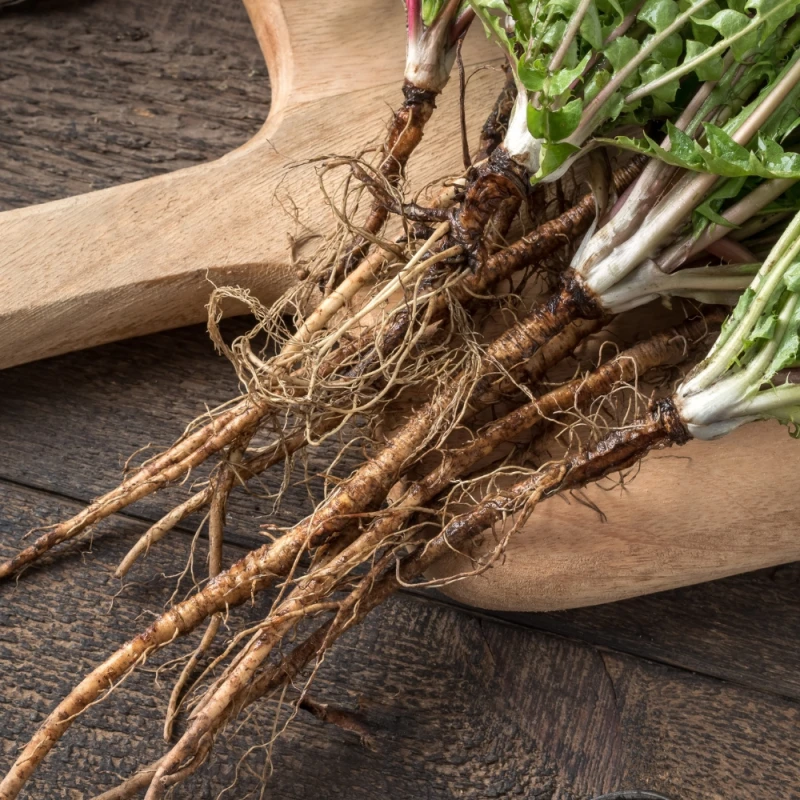
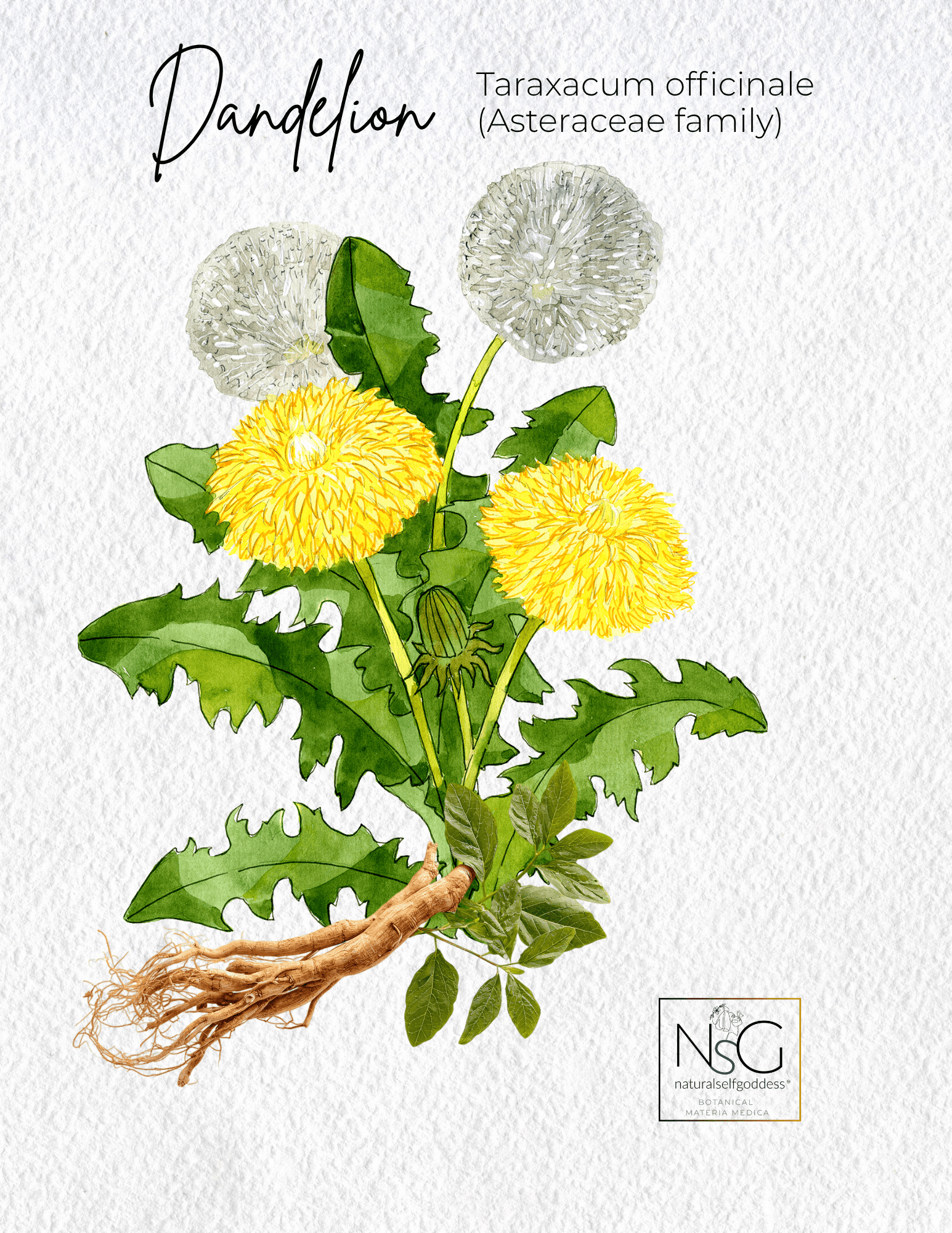
Growth Habitat: Perennial herbaceous plant, thrives in full sun to partial shade, tolerates poor soils, deeply taprooted, highly adaptable to disturbed environments.
Harvest notes: Harvest roots in fall after first frost when inulin content peaks, or in early spring before flowering. Gather leaves in spring when young and tender for culinary use, or later in season for stronger medicinal properties. Collect flowers in full bloom on dry mornings. Always leave some plants unharvested to ensure regeneration.
Historical References
Dandelion's medicinal use spans millennia. Arabian physicians documented its liver-supporting properties as early as the 10th century. European herbalists from the medieval period through the Renaissance praised it as a remedy for "obstructions of the liver and spleen." Nicholas Culpeper, in his 17th-century herbal, noted dandelion's effectiveness for "diseases of the liver" and its ability to "open obstructions."
The Eclectic physicians of 19th-century America embraced dandelion as a reliable alterative and hepatic, prescribing it for chronic skin conditions, digestive weakness, and constitutional sluggishness. They recognized the root's value in supporting the body's eliminative functions and restoring metabolic balance. Dandelion's reputation as a spring tonic reflects generations of folk wisdom, the understanding that after a long winter, the body requires bitter greens to stimulate digestion and clear stagnation.
Folk and Spiritual Medicinal Uses
In European folk magic, dandelion has long been associated with wishes, divination, and the power of transformation. Children blowing dandelion seeds into the wind unknowingly participate in an ancient practice of releasing intentions and making wishes, trusting that the wind will carry their desires into manifestation.
In hoodoo and Appalachian folk traditions, dandelion root was buried at the four corners of property for protection and to ensure prosperity, its deep taproot symbolizing grounded abundance. The flowers were gathered at dawn and placed under pillows to encourage prophetic dreams, while the root was carried in charm bags to enhance psychic abilities and open channels of communication with spirits.
Dandelion teaches the magic of persistence and adaptability. Despite being called a weed, it thrives everywhere, breaking through concrete and claiming its place. This resilience translates into spiritual practice as a reminder that true strength lies in flexibility, in the ability to grow where we're planted and transform adversity into medicine. In kitchen witchery, dandelion greens eaten during the waxing moon were believed to draw abundance, while root tea consumed during the waning moon supported release and letting go.
Affirmations: "I release what no longer serves me; I embrace transformation and renewal."
Spiritual Ritual Use: Used in purification rituals, wish-making practices, dream work, divination, protection spells, and abundance magic.
Gemstones: Citrine, yellow jasper
Phase of the Moon: Waxing moon for growth and manifestation; waning moon for release and detoxification
Vibe Code: Resilience, Transformation, Clarity, Release
The Herbalist's Library: Dandelion
Dandelion has earned its place as one of the most studied and celebrated herbs in Western herbalism. For those seeking to deepen their understanding of this ubiquitous yet profound plant, the following texts offer comprehensive guidance spanning traditional wisdom, clinical applications, and foraging practices.
Foundational Herbals
A Modern Herbal by Mrs. M. Grieve provides historical context for dandelion's use in European herbalism, documenting its traditional applications for liver complaints, digestive weakness, and skin conditions. Grieve's thorough exploration of dandelion's chemistry and folklore makes this an essential reference.
The Herbal Apothecary by JJ Pursell offers practical guidance for preparing dandelion in multiple forms, from fresh leaf salads to roasted root decoctions, tinctures, and infused honeys. Pursell's accessible approach honors both culinary and medicinal traditions.
Clinical & Nutritive Perspectives
The Way of Herbs by Michael Tierra positions dandelion as a cornerstone of alterative therapy, particularly valued for supporting liver function, clearing heat, and nourishing the blood. Tierra's integration of Traditional Chinese Medicine principles with Western herbalism provides a holistic understanding of dandelion's systemic effects.
Herbal Medicine: Biomolecular and Clinical Aspects, edited by Benzie and Wachtel-Galor, presents peer-reviewed research on dandelion's hepatoprotective, anti-inflammatory, and diuretic properties, examining its potential in metabolic health and chronic disease management.
Foraging & Wildcrafting
The Forager's Harvest by Samuel Thayer is the definitive guide to identifying, harvesting, and preparing wild dandelion. Thayer provides detailed instructions for gathering roots, leaves, and flowers at peak potency, along with culinary techniques that transform this common plant into gourmet food.
Backyard Medicine by Julie Bruton-Seal and Matthew Seal celebrates dandelion as a backyard pharmacy, offering simple home remedies and preparations that honor traditional folk medicine while remaining accessible to modern practitioners.
Folk Traditions & Magic
Cunningham's Encyclopedia of Magical Herbs by Scott Cunningham explores dandelion's role in folk magic, divination, and wish-making rituals, connecting its spiritual uses to centuries of folk practice.
Affiliate links included. We earn a small commission from purchases at no cost to you.
Educational purposes only. Not medical advice. Consult a healthcare provider before use.
