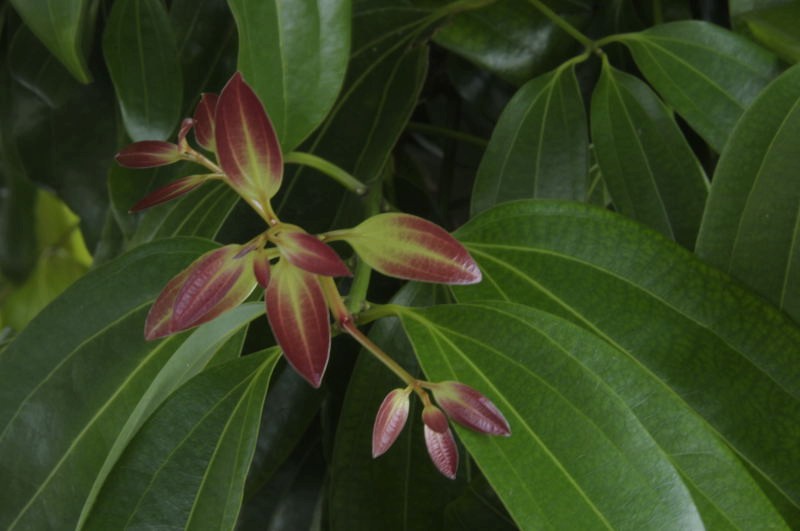
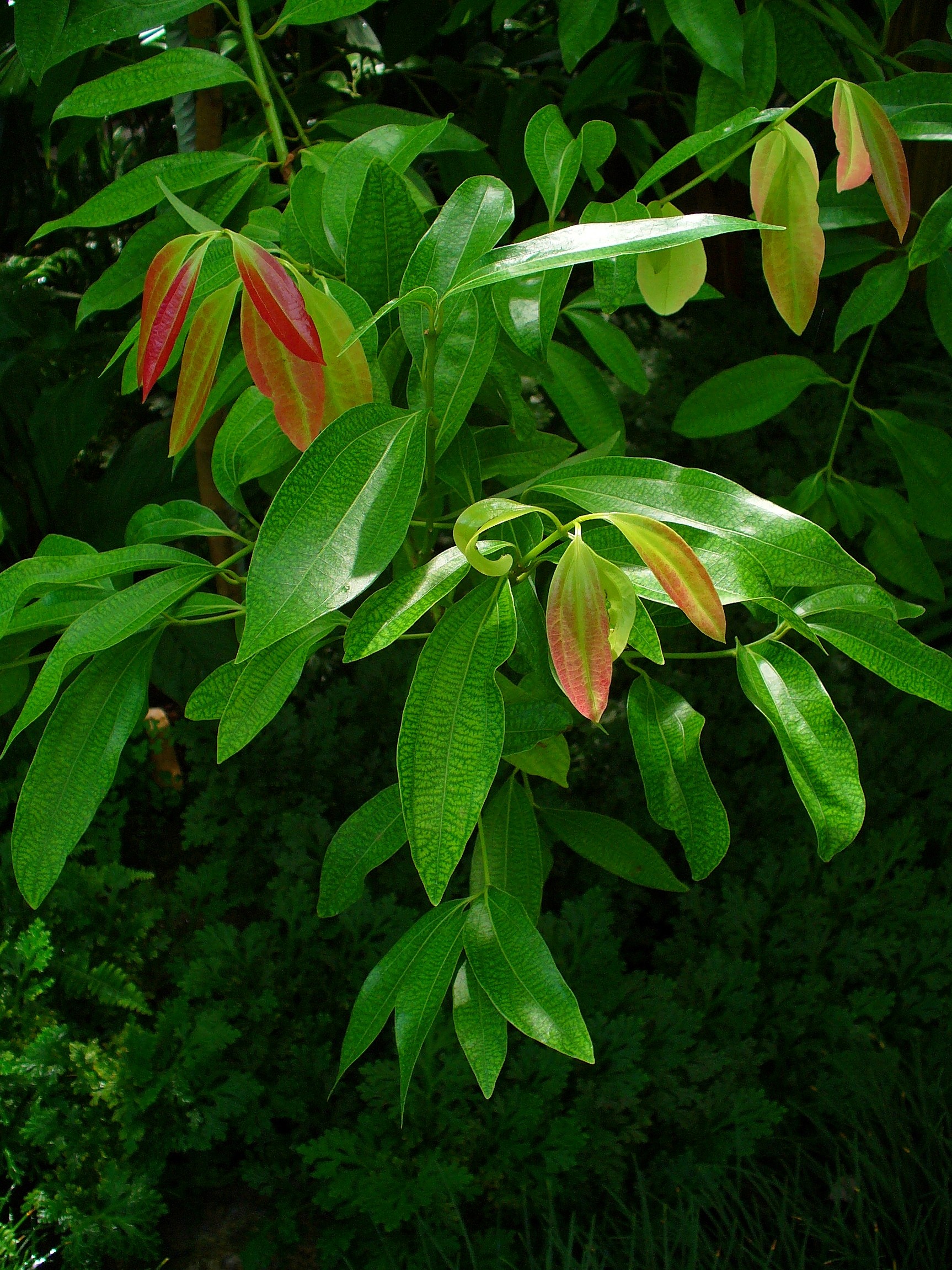
Ceylon Cinnamon
Cinnamomum verum (syn. Cinnamomum zeylanicum)
Lauraceae
Native to Sri Lanka (formerly Ceylon), southern India, and parts of Southeast Asia. Grows in tropical climates with rich, well-drained soil, requiring high humidity, consistent rainfall, and warm temperatures year-round.
Ceylon Cinnamon (Cinnamomum verum) (True Cinnamon)
Essence Overview
Ceylon cinnamon carries warmth that penetrates deep into the body's core. Known as "true cinnamon," this is the most prized and medicinally superior variety, distinguished by its delicate sweetness and gentle therapeutic action. For thousands of years, this ancient bark has been valued not only for its distinctive flavor but for its ability to kindle circulation, stabilize blood sugar, and bring heat to cold, stagnant conditions. There is an intensity to cinnamon, a concentrated fire that awakens the senses and moves what has grown sluggish. It is both medicine and spice, comfort and catalyst.
Unlike its cousin cassia, which dominates grocery store shelves, Ceylon cinnamon contains minimal coumarin, making it safe for daily medicinal use. This is the cinnamon herbalists reach for when building long-term protocols, the one that offers sweetness without harshness, activation without aggravation.
Energetic & Emotional Profile
Its energy is warming, activating, and gently stimulating. Ceylon cinnamon speaks to the parts of us that have gone quiet or withdrawn, inviting movement back into areas that feel stuck or depleted. It offers a sweetness that does not overwhelm but instead grounds and centers, making it particularly supportive during times of transition, grief, or emotional flatness. There is something about cinnamon that encourages gentle re-engagement with life, a softening into warmth rather than a forced push forward. It whispers rather than shouts, coaxing the body back into balance with patient, steady heat.
Traditional Uses
Herbalists across cultures have long regarded Ceylon cinnamon as a warming circulatory stimulant, digestive aid, and blood sugar regulator. Traditionally prepared as tea, consumed as powder, or taken in tincture form, it has been employed to support digestion, ease menstrual cramps, warm cold extremities, and address symptoms of metabolic imbalance. In Traditional Chinese Medicine, cinnamon bark (rou gui) is used to tonify yang energy, warm the kidneys, and dispel cold from the body's deepest layers. Ayurvedic practitioners value it as a balancing spice that kindles digestive fire (agni) without aggravating heat conditions when used appropriately.
In Appalachian folk medicine, cinnamon was combined with honey and apple cider vinegar as a remedy for colds, sore throats, and general weakness. It appeared in warming cordials, digestive bitters, and postpartum tonics designed to restore circulation and vitality. Mountain herbalists recognized its ability to "get things moving again" after illness, using it in small, consistent doses rather than large amounts. The bark was also valued for preserving foods and deterring spoilage, reflecting both its antimicrobial properties and its integration into daily life as a protective, nourishing presence.
Sri Lankan traditional medicine (Ayurveda Sinhala) has used Ceylon cinnamon for centuries to treat respiratory conditions, digestive complaints, and to balance the body's internal heat. The bark was considered precious enough to be offered to royalty and gods, woven into both medicine and ritual.
Safety Considerations
Ceylon cinnamon is generally well tolerated in both culinary and therapeutic amounts. Unlike cassia cinnamon, which contains high levels of coumarin (a compound that can affect liver function), Ceylon cinnamon contains only trace amounts of coumarin, making it safe for regular, long-term medicinal use. Pregnant individuals should use cinnamon sparingly, as large amounts may stimulate uterine contractions. Those taking blood sugar medications should monitor levels closely, as cinnamon can enhance hypoglycemic effects. Always consult a qualified healthcare practitioner when using cinnamon therapeutically alongside medications.
Tags
ceylon-cinnamon, true-cinnamon, warming-spice, circulatory-stimulant, blood-sugar-support, digestive-aid, antimicrobial, metabolic-tonic, aromatic-herb, traditional-remedy, low-coumarin
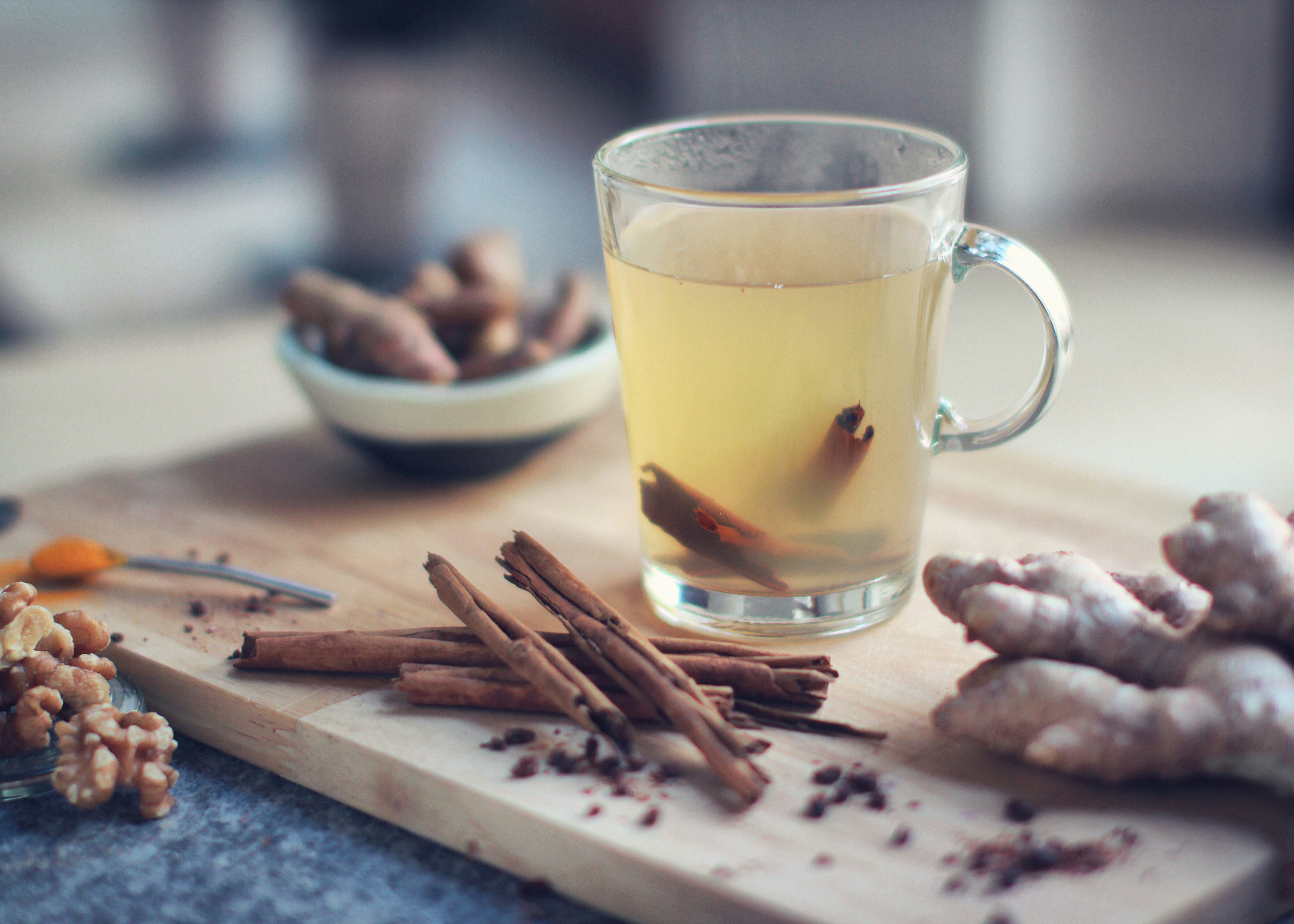
Herbal Tea Recipe: Ceylon Cinnamon Warming Tea
Ceylon cinnamon brings a rich, delicate sweetness to the cup. The infusion is aromatic and gently stimulating, traditionally valued for supporting digestion, circulation, and metabolic balance. This tea works well when the body feels cold, sluggish, or in need of gentle activation.
Ingredients
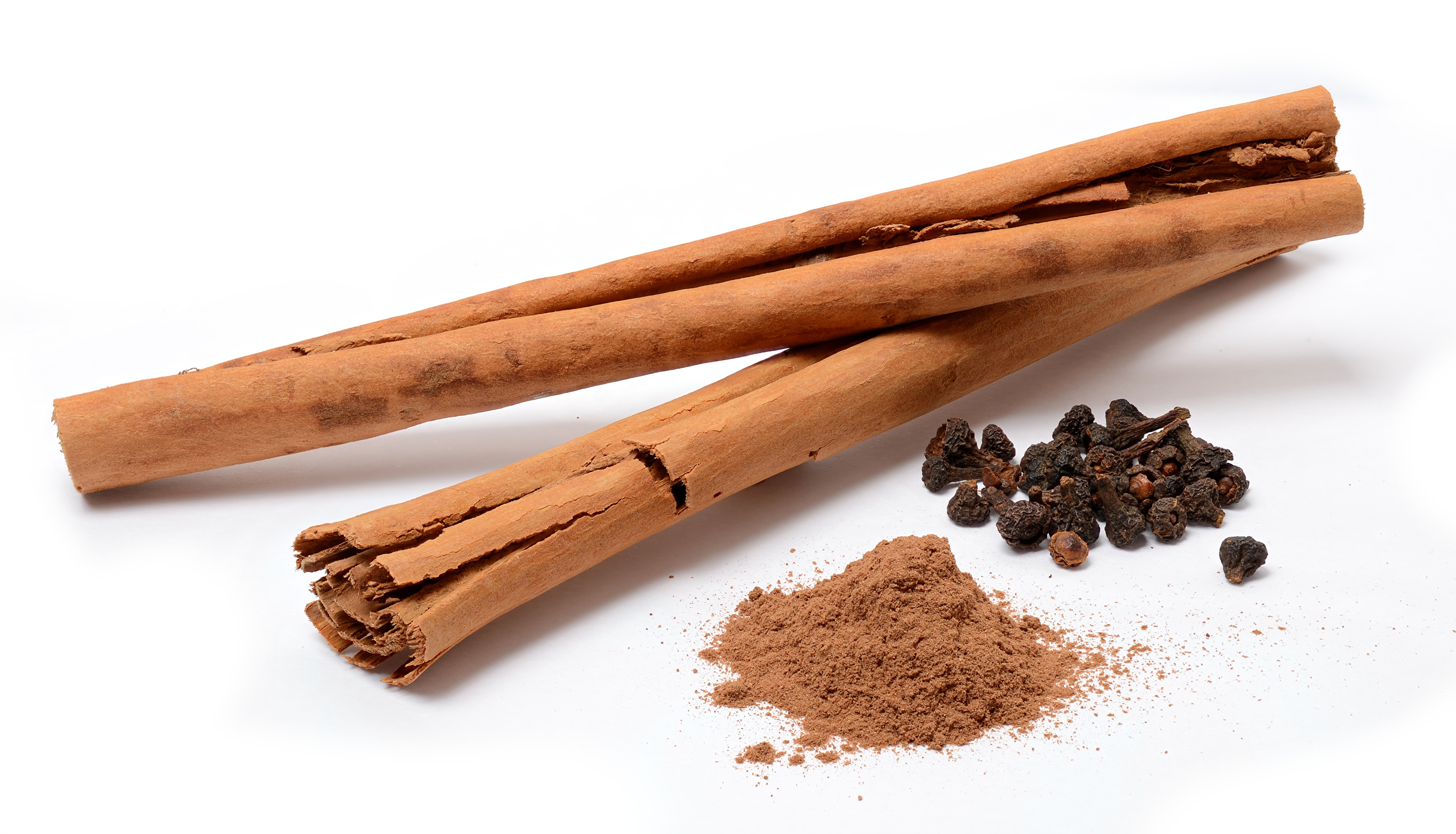
1 Ceylon cinnamon stick (or ½ teaspoon ground Ceylon cinnamon)
8–10 ounces hot water
Optional additions: a slice of fresh ginger, a touch of raw honey, a pinch of cardamom, or a squeeze of lemon
Method
Place the Ceylon cinnamon stick in a heat-safe cup or teapot. If using ground cinnamon, add it to a tea infuser or directly to the cup.
Pour hot water over the cinnamon. Aim for just below boiling (around 200°F).
Cover and steep for 10–15 minutes. For a stronger infusion, steep up to 20 minutes or gently simmer the cinnamon stick for 5 minutes before steeping.
Strain if using ground cinnamon. If using a stick, remove or leave in for continued infusion.
Sip slowly, allowing the warmth to settle into your system.
Notes for Use
Traditionally used as a warming digestive tonic that may support healthy blood sugar balance, circulation, and metabolic function. Often blended with ginger for enhanced warming effects, with tulsi (holy basil) for immune support, or with chamomile for a gentler, more grounding cup. Can be enjoyed before meals to kindle digestion or after meals to ease bloating and sluggishness.
Safety Considerations
Ceylon cinnamon is generally well tolerated for daily use. Those managing blood sugar levels or taking anticoagulant medications should consult a healthcare practitioner before regular therapeutic use. Pregnant individuals should use in moderation.
Postpartum Warming Tonic (Appalachian-Inspired)
This traditional preparation was used to restore warmth, circulation, and vitality after childbirth.
Ingredients
2 Ceylon cinnamon sticks
1 tablespoon dried ginger root
1 tablespoon blackstrap molasses
8 cups water
Raw honey to taste
Method
Simmer cinnamon sticks and ginger in water for 20–30 minutes until deeply fragrant and reduced slightly.
Strain into a jar or pitcher.
Stir in molasses while warm.
Add honey to taste.
Drink 1 cup, 2–3 times daily during the postpartum period.
Notes for Use
This tonic provides iron (from molasses), warming circulation support (from cinnamon and ginger), and gentle digestive stimulation. Traditionally given to new mothers to rebuild strength and prevent cold, damp conditions that were believed to settle in after birth. Always consult with a healthcare provider during the postpartum period.
Healing Benefits and Preparations
Indications Uses: Support healthy blood sugar balance, promote circulation, aid digestion, ease menstrual discomfort, provide antimicrobial support, warm the body in cold conditions, reduce inflammation, support respiratory health, enhance insulin sensitivity.
Constituents: Cinnamaldehyde (primary active compound), eugenol, linalool, beta-caryophyllene, minimal coumarin (unlike cassia), polyphenols, proanthocyanidins, essential oils, tannins, mucilage.
Healing Duration: Preparations: Tea, Tincture, Powder, Capsules, Infused honey, Essential Oil (diluted for external use only). Dosage: ½–1 teaspoon powdered bark per day for metabolic support, 1–2 cups of tea daily, tincture as directed by practitioner (typically 30–60 drops, 2–3 times daily).
Actions: Warming stimulant, carminative (relieves gas), antimicrobial, circulatory tonic, blood sugar regulator, anti-inflammatory, diaphoretic (promotes sweating), emmenagogue (promotes menstruation).
Safety Contraindications: Avoid large therapeutic doses during pregnancy, particularly in the first trimester. Monitor blood sugar if taking hypoglycemic medications, as cinnamon can enhance insulin sensitivity. Generally safe for long-term use due to low coumarin content. Those with known allergies to cinnamon or related plants should avoid.
Energetics: Warming, sweet, pungent, slightly drying.
Duration: Immediate effects (warming, digestive stimulation) felt within minutes to hours. Blood sugar support and metabolic effects may require 4–8 weeks of consistent daily use for measurable clinical changes. Circulatory benefits accumulate over weeks to months.
Potency Level: Moderate to strong, depending on dose and individual constitution. Ceylon cinnamon is gentler than cassia but still potent.
Taste profile: Sweet, warm, aromatic, delicate, slightly woody. Much smoother and less harsh than cassia cinnamon.
Growth Habitat: Tropical evergreen tree reaching 30–50 feet in height, prefers humid lowland climates with consistent rainfall (80+ inches annually), well-drained acidic to neutral soil, partial shade when young, full sun at maturity. Thrives in coastal and inland tropical regions of Sri Lanka.
Harvest notes: Bark is harvested during the monsoon season (May–June and October–November) when high moisture content allows the bark to peel easily from the wood. Young shoots (1–2 years old) are cut, and the outer bark is scraped away. The delicate inner bark is carefully removed in long strips, which naturally curl into quills as they dry. Proper curing takes several days and requires skill to maintain quality. Sustainable harvesting involves coppicing techniques that allow trees to regenerate. Ceylon cinnamon's labor-intensive harvest contributes to its higher cost compared to cassia.

Historical References
Ceylon cinnamon's history stretches back at least 4,000 years, woven into the fabric of ancient trade, ritual, and medicine. Egyptian priests used it in embalming rites as early as 2000 BCE, and it appears in biblical texts as a precious anointing oil and temple incense. Chinese physicians documented cinnamon's warming properties in texts dating to 2700 BCE, prescribing it to fortify yang energy and dispel cold. Roman naturalist Pliny the Elder wrote of its exorbitant value, noting that cinnamon was sometimes worth more than gold, its price inflated by merchants who guarded the secret of its true origin.
Arab traders controlled the cinnamon trade for centuries, spinning elaborate tales of giant birds and dangerous valleys to protect their monopoly. European demand for this "spice of paradise" fueled exploration and colonization. When Portuguese forces seized control of Ceylon (Sri Lanka) in 1505, they gained control of the world's finest cinnamon. The Dutch East India Company later displaced the Portuguese in 1658, establishing brutal plantation systems and maintaining aggressive control until the British took over in 1796.
Medieval European herbalists, limited by sporadic supply, regarded cinnamon as a luxury medicine reserved for the wealthy. Nicholas Culpeper, writing in the 17th century, noted its warming, drying nature and recommended it for cold stomachs, sluggish digestion, and to strengthen the heart. By the 19th century, Eclectic physicians in America incorporated cinnamon into formulas for digestive complaints, uterine tonics, and circulatory support, valuing its ability to move stagnation without harsh overstimulation.
Sri Lankan traditional healers have used Ceylon cinnamon continuously throughout this tumultuous history. In Ayurveda Sinhala (Sri Lankan Ayurveda), cinnamon bark, leaves, and oil are used to treat respiratory infections, digestive weakness, diabetes, and to balance internal heat. The harvesting and processing of cinnamon bark remains a specialized craft passed down through generations of Sri Lankan families, many of whom have worked with cinnamon for hundreds of years.
Today, Ceylon cinnamon's reputation as the superior medicinal variety is supported by both traditional wisdom and contemporary research. Its low coumarin content, delicate flavor, and broad therapeutic applications make it the cinnamon of choice for herbalists and holistic practitioners worldwide.
Folk and Spiritual Medicinal Uses
In hoodoo and folk magic traditions, cinnamon has long been associated with prosperity, protection, speed, and the drawing of success. Cinnamon powder is blown across thresholds to invite abundance into the home, sprinkled in wallets and cash registers to attract money, and burned as incense to raise vibrations and clear stagnant energy. Rootworkers use it in "fast luck" spells, combining it with other fiery herbs to accelerate manifestation and bring swift results to slow-moving situations.
Appalachian folk practitioners tucked cinnamon sticks into charm bags for protection during travel and used the powdered bark in love sachets to kindle passion and loyalty. The spice was also stirred clockwise into morning coffee with clear intention, a simple daily ritual to invite sweetness, success, and forward movement into one's life. Cinnamon added to floor washes before important business meetings was believed to "heat up" opportunities and ensure favorable outcomes.
In Sicilian and Italian American folk magic (stregheria), cinnamon appears in prosperity breads baked during the new moon, in protection amulets for children, and in love spells designed to warm a cold heart. The warming nature of cinnamon made it symbolically appropriate for kindling affection, speeding up romantic interest, or bringing heat back into relationships that had grown distant.
In kitchen witchery across many traditions, cinnamon appears in abundance cakes, prosperity pies, and blessing cookies, baked with clear intention and shared to spread good fortune. Its warming energy makes it a natural ally for winter solstice celebrations, symbolizing the return of light and the kindling of inner fire during the darkest time of year. Cinnamon rolls baked on the first day of a new venture or new home are considered auspicious, carrying the energy of sweet success and warm welcome.
Caribbean and Latin American traditions incorporate cinnamon into spiritual baths for attraction and purification, often combined with honey, rose petals, and cinnamon-infused rum or Florida water. The aromatic smoke of burning cinnamon sticks is used to cleanse spaces of negative influence and invite prosperous energy.
The essence of cinnamon carries the energy of activation, of waking up dormant potential and calling in what is desired with clarity, warmth, and speed. It does not force, but rather invites, sweetens, and accelerates. It is the plant ally of those who are ready to move forward, who seek to warm what has grown cold, and who wish to draw sweetness and abundance into their daily lives.
Affirmations: "I welcome abundance with an open heart. I move forward with warmth, clarity, and intention. My life is infused with sweetness and success."
Spiritual Ritual Use: Used in prosperity rituals, success spells, fast-luck work, protection magic, love spells, and purification ceremonies. Often combined with honey, bay leaves, citrus peels, cloves, or green candles for amplified effects.
Gemstones: Citrine (abundance), carnelian (motivation), amber (warmth), tiger's eye (prosperity), garnet (passion).
Phase of the Moon: Waxing moon for growth, attraction, and building momentum. Full moon for manifestation, amplification, and peak power work. New moon for new beginnings and setting intentions.
Vibe Code: Abundance, Activation, Warmth, Success, Protection, Passion, Speed, Prosperity.
The Herbalist's Library: Ceylon Cinnamon
Ceylon cinnamon's reach across global healing traditions makes it one of the most thoroughly documented botanicals in herbal literature. For those seeking to deepen their understanding of this warming ally, from biochemical action to cultural history to folklore, the following texts offer trusted guidance.
Foundational Herbals
A Modern Herbal by Mrs. M. Grieve provides an essential overview of cinnamon's historical use in European herbalism, detailing its warming, stimulating properties and traditional applications for digestive and circulatory support. Grieve distinguishes between Ceylon and cassia varieties, noting Ceylon's superior quality for medicinal purposes.
The Herbal Apothecary by JJ Pursell offers practical formulation guidance, including how to prepare Ceylon cinnamon in teas, tinctures, syrups, infused honeys, and culinary applications. Pursell's accessible approach honors tradition while providing clear instructions for home herbalists seeking to work with cinnamon therapeutically.
Folk & Spiritual Traditions
For those interested in cinnamon's role in folk magic and spiritual practice, Hoodoo Herb and Root Magic by Catherine Yronwode explores its use in prosperity work, fast-luck spells, protection rituals, and love magic. Yronwode's meticulous documentation of African American rootwork traditions makes this an authoritative resource for understanding cinnamon's spiritual applications.
Cunningham's Encyclopedia of Magical Herbs by Scott Cunningham offers a broad view of cinnamon's place in kitchen witchery, money magic, love spells, and abundance rituals, with practical suggestions for daily integration and simple home rituals.
Nutritive & Clinical Perspectives
The Way of Herbs by Michael Tierra situates cinnamon within the framework of Traditional Chinese Medicine and Western herbalism, exploring its role as a yang tonic, kidney warmer, and circulatory stimulant. Tierra discusses cinnamon's energetic properties and appropriate constitutional applications.
For a scientific exploration of cinnamon's effects on blood sugar regulation, insulin sensitivity, lipid metabolism, and anti-inflammatory pathways, Herbal Medicine: Biomolecular and Clinical Aspects, edited by Benzie and Wachtel-Galor, provides peer-reviewed research on cinnamaldehyde, polyphenols, and therapeutic mechanisms. This text is essential for practitioners seeking to understand the biochemistry behind cinnamon's traditional uses.
The Diabetes Solution by Dr. Jorge Rodriguez discusses Ceylon cinnamon's role in blood sugar management protocols, providing practical clinical guidance for integrating cinnamon into comprehensive metabolic health programs.
Ayurvedic Perspectives
The Yoga of Herbs by Dr. David Frawley and Dr. Vasant Lad explores cinnamon (called "tvak" or "dalchini" in Sanskrit) within Ayurvedic energetics, discussing its effects on the doshas, its use as a digestive stimulant (deepana), and its role in warming formulas for vata and kapha conditions.
Ayurveda: The Science of Self-Healing by Dr. Vasant Lad provides foundational knowledge for understanding cinnamon's warming, sweet, and pungent qualities within the Ayurvedic framework, including appropriate combinations and contraindications.
Culinary & Cultural History
The Spice Companion by Lior Lev Sercarz delves into the sensory and practical differences between Ceylon and cassia cinnamon, offering guidance on selection, storage, flavor profiles, and culinary pairing. This text is invaluable for those who work with cinnamon daily in both kitchen and apothecary.
Spice: The History of a Temptation by Jack Turner provides rich historical context for understanding cinnamon's role in global trade, colonialism, and economic exploitation, tracing the "cinnamon wars" and their lasting impacts on Sri Lankan communities and global spice markets.
Sri Lankan Traditional Knowledge
Indigenous Medical Traditions of Sri Lanka documents traditional Sri Lankan Ayurvedic uses of Ceylon cinnamon in respiratory formulas, digestive tonics, and warming therapies, preserving knowledge held by Sri Lankan healing lineages for generations.
Affiliate links included. We earn a small commission from purchases at no cost to you.
Educational purposes only. Not medical advice. Consult a healthcare provider before use.
