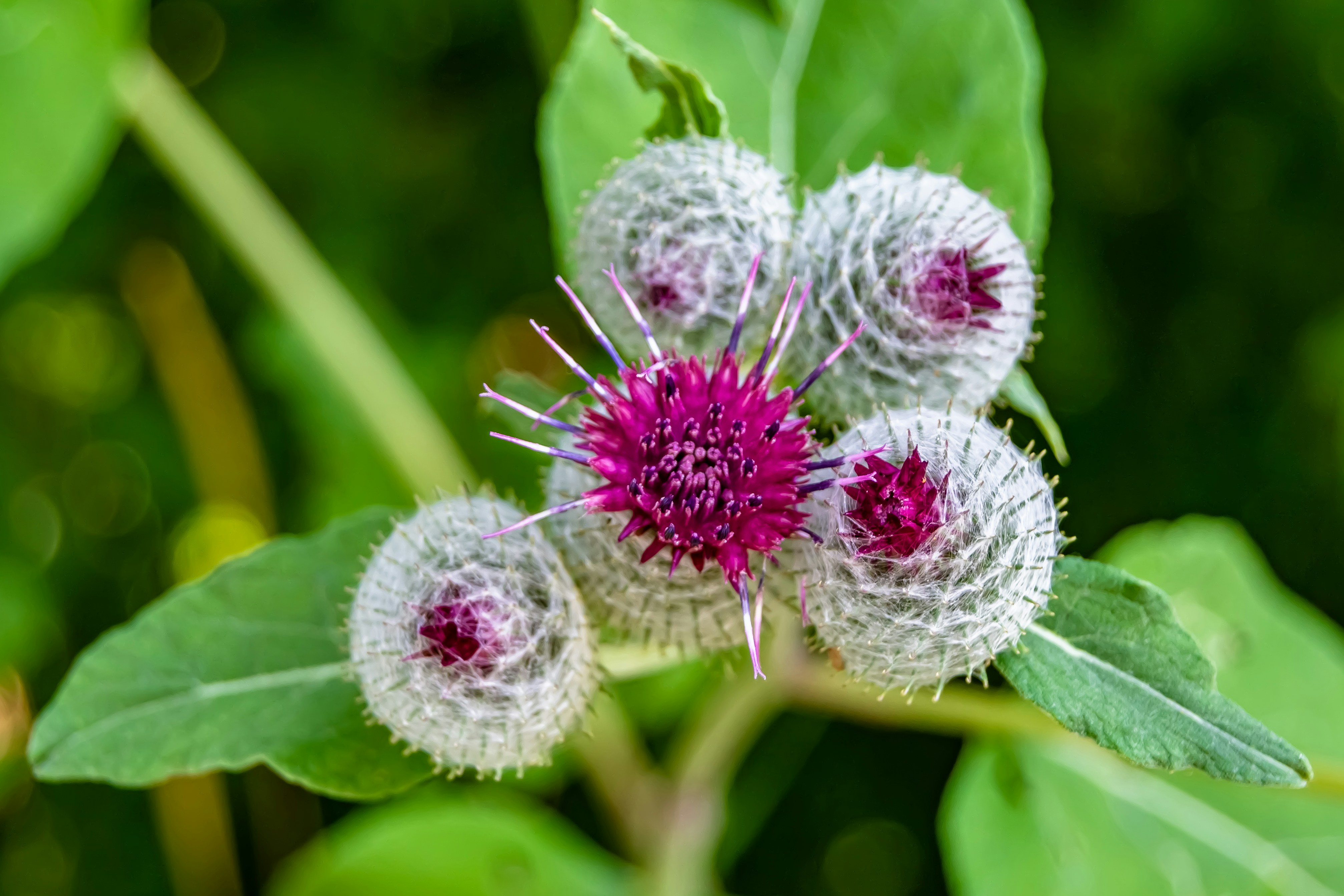
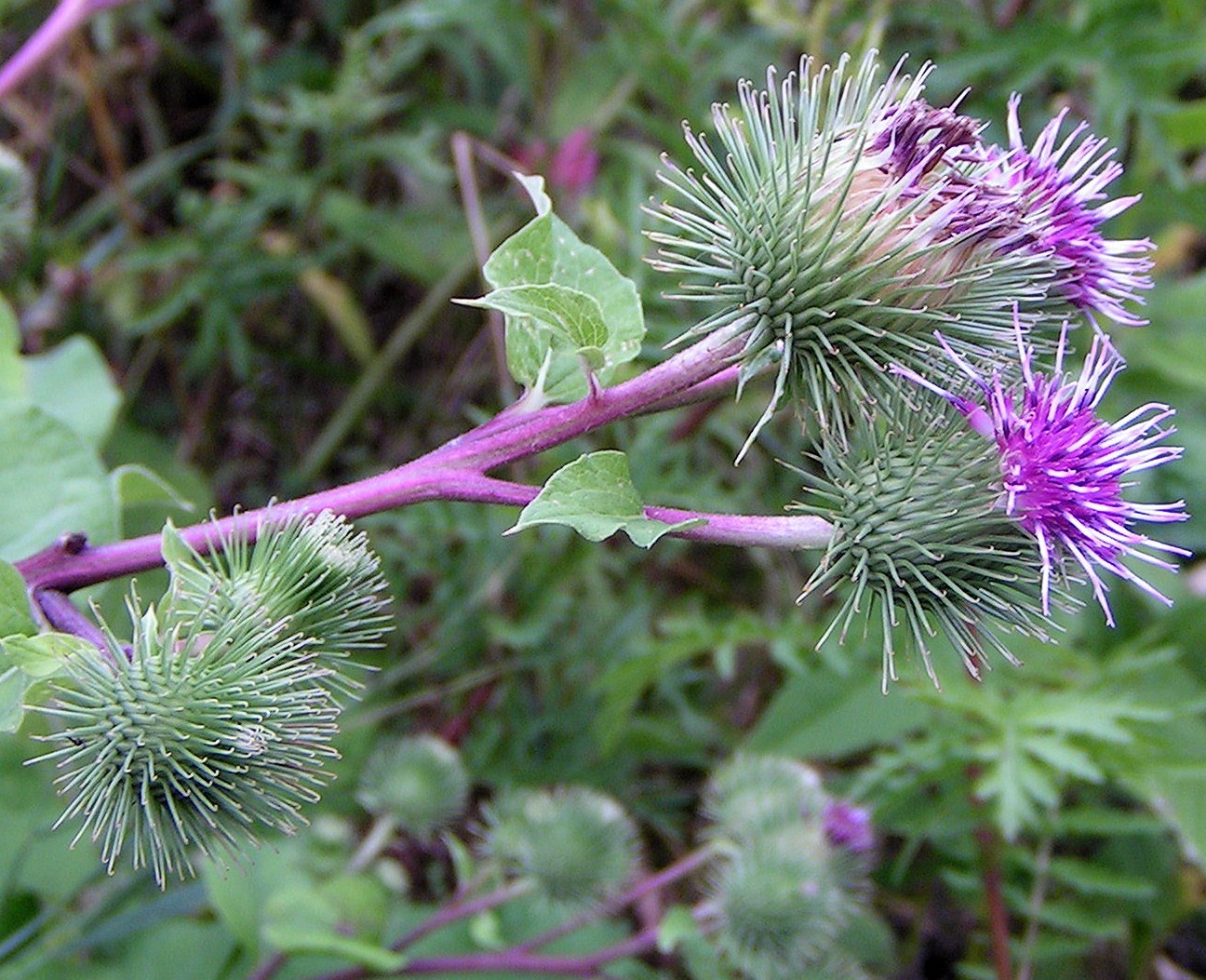
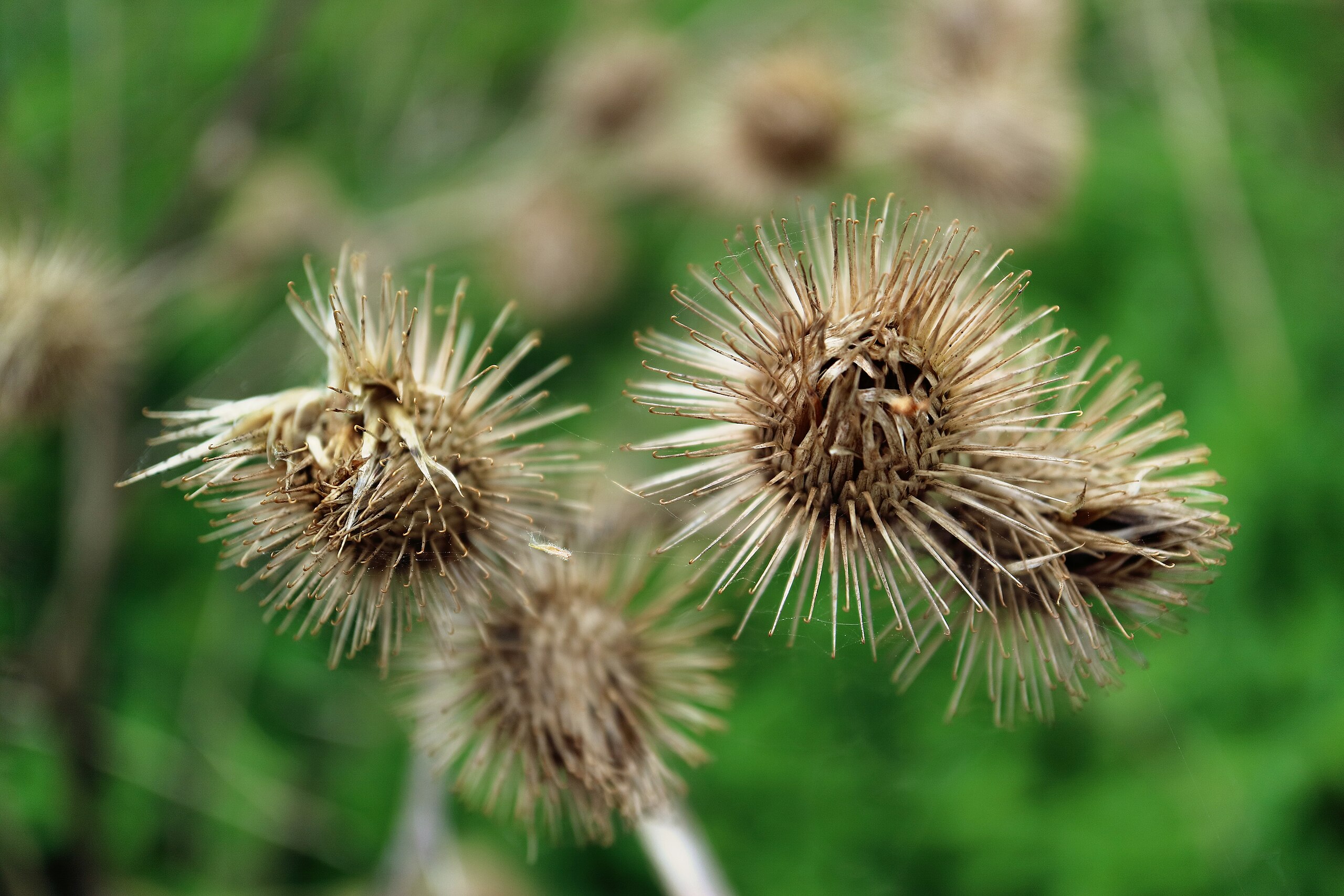
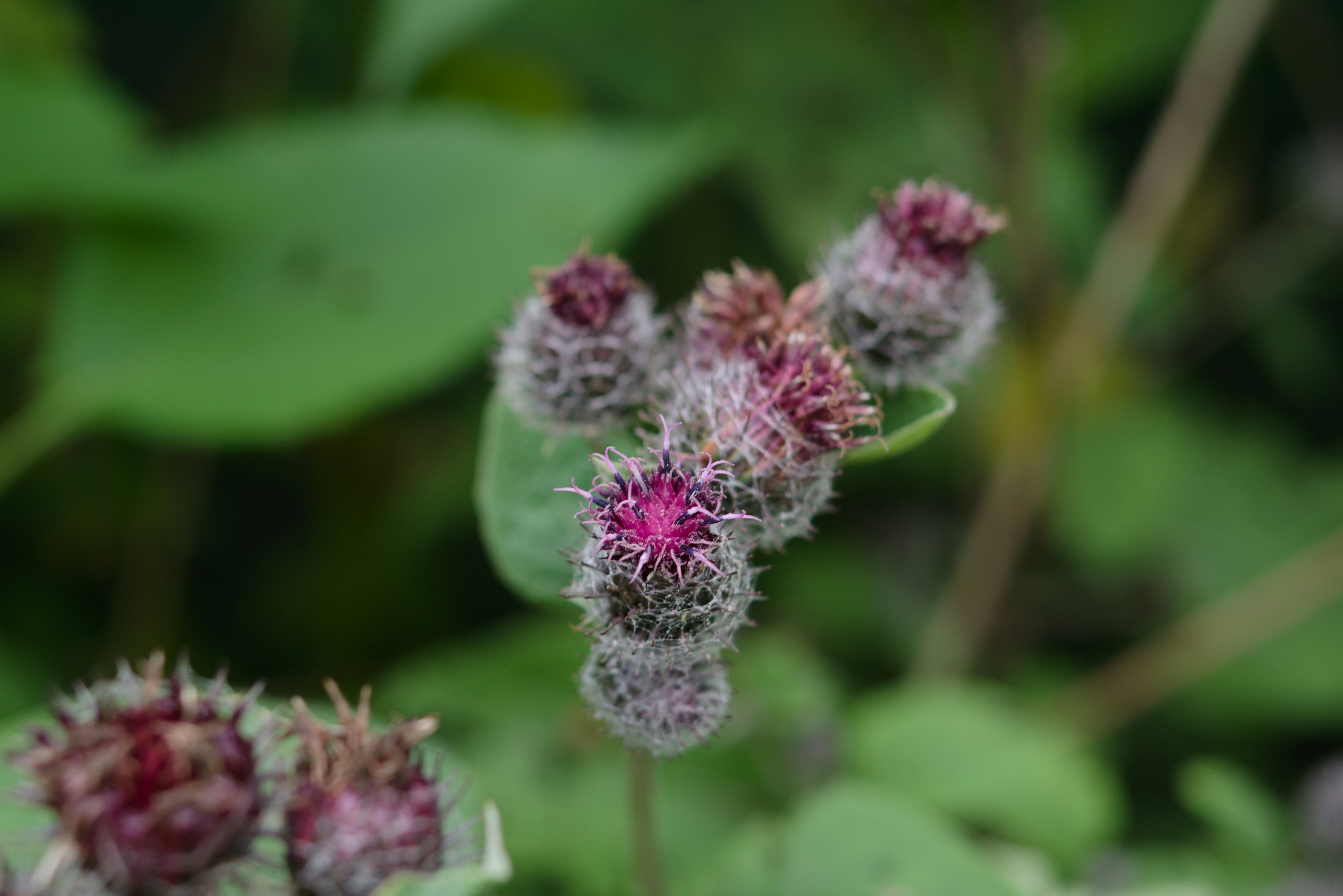
Burdock
Arctium lappa
Asteraceae (Sunflower family)
Native to: Europe and Asia; naturalized throughout North America
Burdock (Arctium lappa)
Essence Overview
Burdock works with the patience of deep earth. Its long taproot reaches down through compacted soil, drawing nutrients upward while loosening what has become stuck. As a plant of boundaries and thresholds, it clings to passersby with burrs designed for travel, yet its medicine moves through the body with quiet, methodical purpose. This is an herb of purification without force, clearing what has accumulated slowly over time.
Energetic & Emotional Profile
Burdock's energy is one of gentle, persistent clearing. It addresses the subtle accumulations that settle into tissue and thought, the residues of living that create inflammation, stagnation, and heaviness. There is something deeply grounding in its action, an invitation to release what no longer serves without drama or crisis. It encourages a return to clarity, not through sudden purging but through steady, incremental restoration. Burdock supports those who carry old burdens in the body, who feel weighted by what they cannot quite name.
Traditional Uses
Herbalists have long regarded burdock as a blood purifier and alterative, valued for supporting liver function, lymphatic flow, and skin clarity. The root has been used traditionally to address chronic skin conditions, digestive sluggishness, and inflammatory states. Prepared as decoction, tincture, or cooked as food (particularly in Japanese cuisine as gobo), burdock has served as both medicine and nourishment for centuries.
In Traditional Chinese Medicine, burdock seed (niu bang zi) is used to clear heat and toxins, particularly for skin eruptions and respiratory conditions. The root tonifies yin and clears heat from the blood.
Western herbalists in the Eclectic and Physiomedical traditions prescribed burdock for chronic skin diseases, rheumatic complaints, and what they termed "blood impurity." It was often combined with yellow dock, dandelion, or red clover for deeper systemic cleansing.
Safety Considerations
Burdock is generally well tolerated as both food and medicine. Those with allergies to plants in the Asteraceae family should use caution. Fresh burdock root can occasionally cause contact dermatitis in sensitive individuals. Pregnant and nursing individuals should consult a qualified practitioner before therapeutic use. As with all alteratives, burdock may amplify the effects of certain medications, particularly diuretics and diabetes medications.
Tags: alterative, blood-purifier, liver-support, lymphatic-cleanser, skin-health, root-medicine, grounding-herb, traditional-remedy
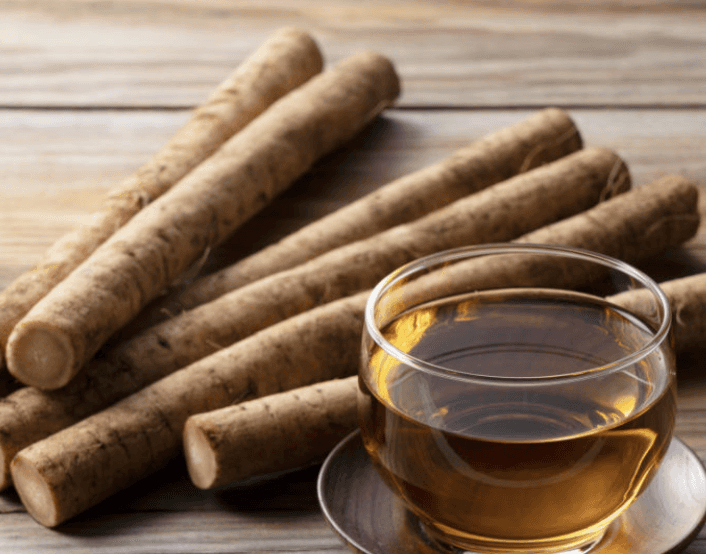
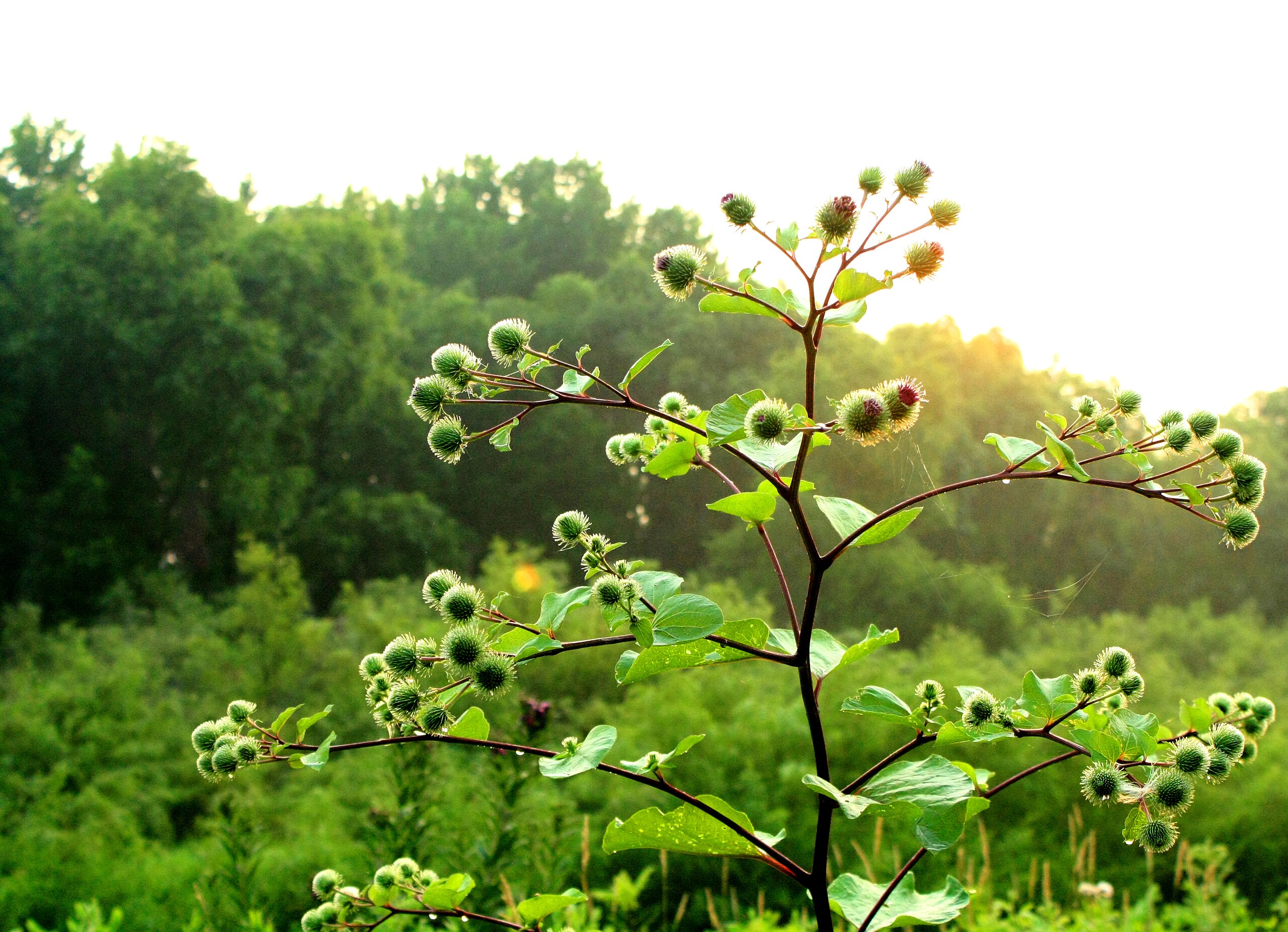
Tea Recipe: Burdock Root Decoction
Burdock root requires simmering to extract its full medicinal properties. The resulting tea is earthy and slightly sweet, with a gentle bitterness that speaks to its cleansing nature.
Ingredients
1 tablespoon dried burdock root (or 2 tablespoons fresh, chopped)
2 cups water
Optional additions: dandelion root, cinnamon stick, or a touch of honey
Method
Place burdock root in a small pot with water.
Bring to a gentle boil, then reduce heat to low simmer.
Cover and simmer for 20,30 minutes. The longer simmer extracts deeper constituents.
Strain and sip slowly while warm.
Notes for Use
Traditionally used as a daily tonic for skin clarity, digestive support, and gentle detoxification. Often combined with dandelion root or yellow dock for enhanced alterative effects. Can be enjoyed as a nourishing broth base when prepared with fresh root.
Safety Considerations
Burdock is generally gentle and well tolerated. Start with smaller amounts if new to the herb. Those on blood sugar or blood pressure medications should consult a practitioner before regular use.
Healing Benefits and Preparations
Indications & Uses: Support for chronic skin conditions (acne, eczema, psoriasis), liver function, lymphatic drainage, digestive health, blood sugar balance, inflammatory conditions.
Constituents: Inulin (prebiotic fiber), mucilage, polyacetylenes, flavonoids (quercetin), lignans (arctigenin), vitamins B-complex, vitamin E, potassium, iron, chromium, magnesium
Preparations: Decoction, tincture (fresh or dried root), vinegar extract, cooked as food (gobo), powder, capsules, oil infusion (for topical use)
Dosage: Decoction: 2,3 cups daily; Tincture (1:5, 40% alcohol): 2,4 ml three times daily; As food: unlimited
Actions: Alterative, depurative, diuretic (mild), anti-inflammatory, antimicrobial, prebiotic, hepatoprotective, lymphatic
Safety & Contraindications: Generally safe. Use caution with Asteraceae allergies. May potentiate diabetes and diuretic medications. Consult practitioner during pregnancy and lactation.
Energetics: Cooling, moistening, clearing
Duration: Effects often noticed within 2,6 weeks of consistent use, with deeper benefits emerging over several months
Potency Level: Gentle to moderate, cumulative
Taste Profile: Earthy, slightly sweet, mildly bitter, mucilaginous
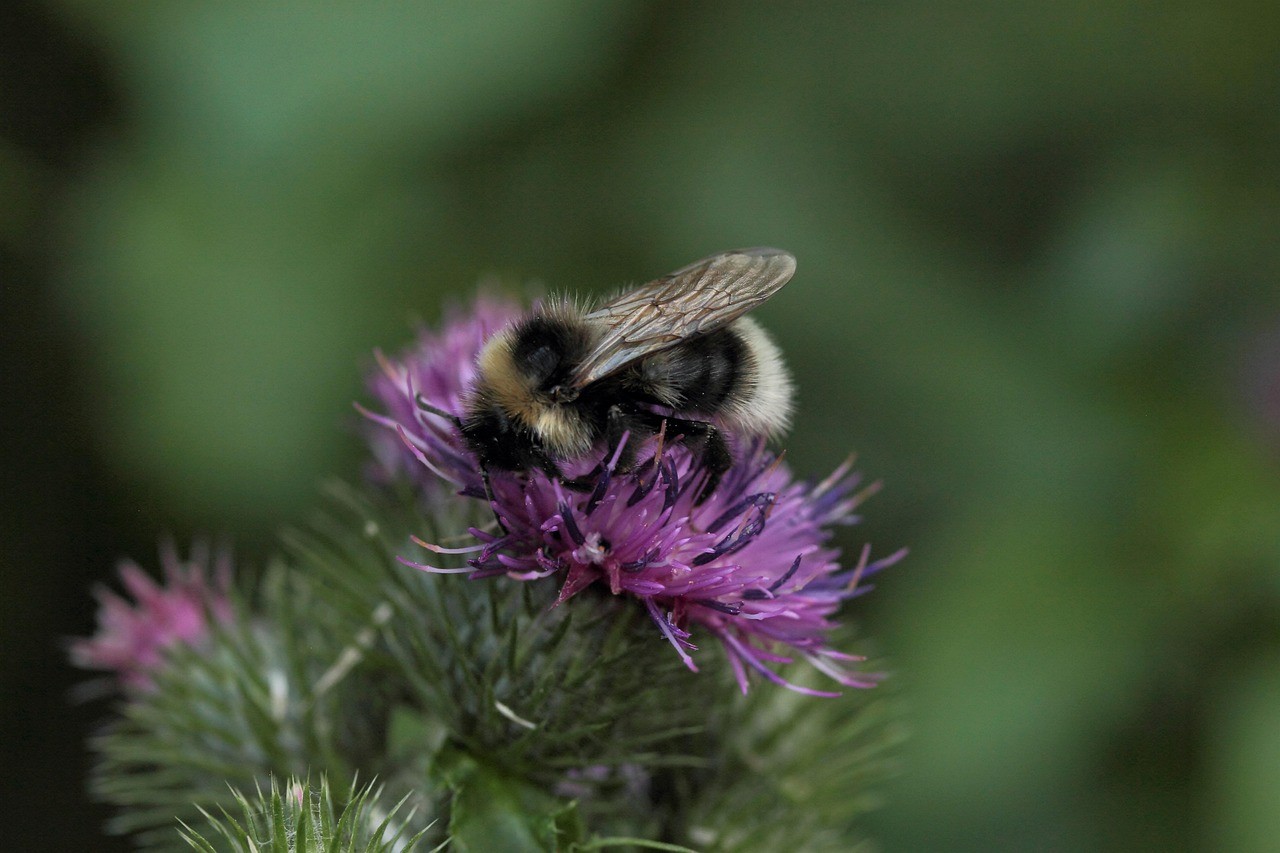
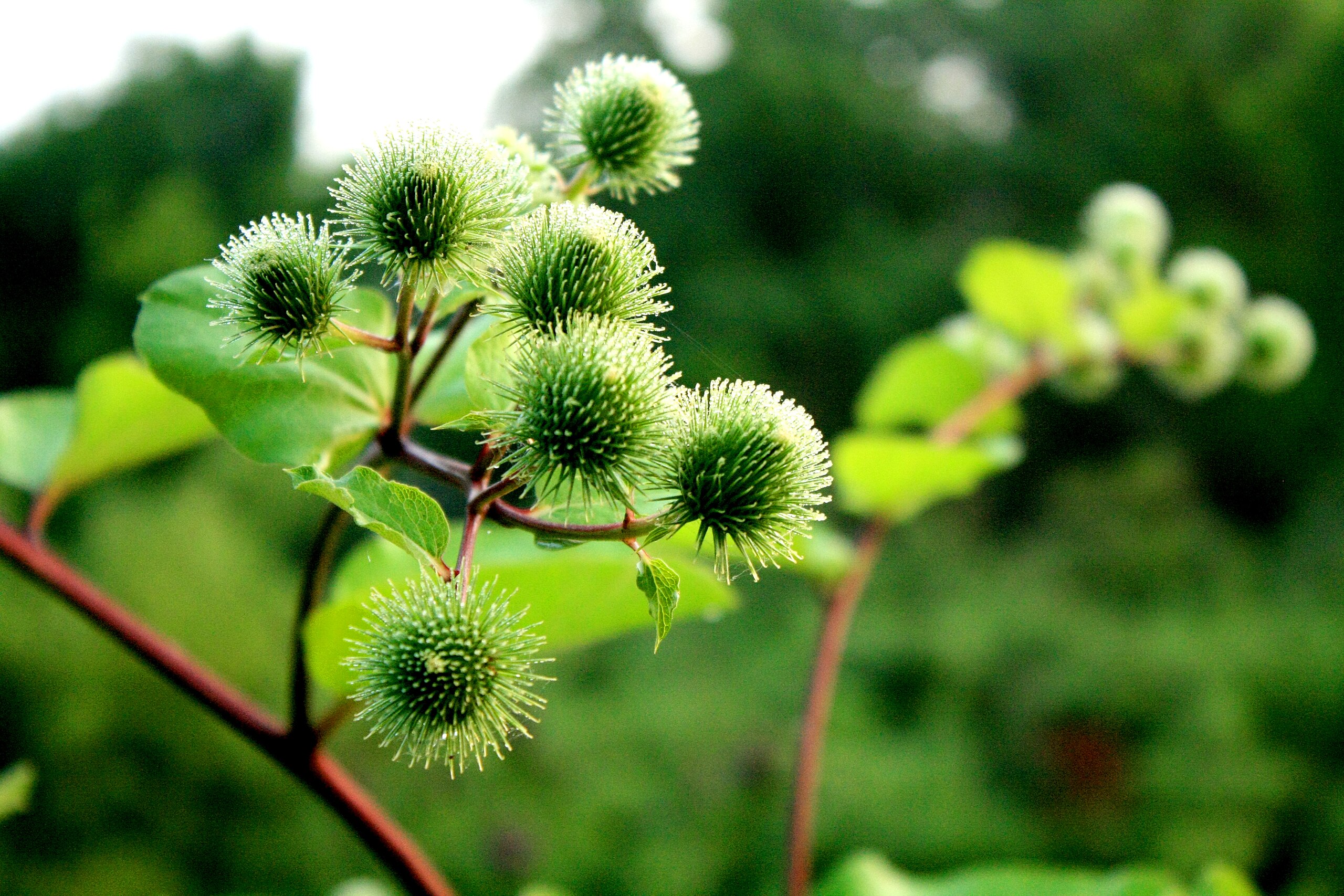
Growth Habitat: Biennial herb; prefers disturbed soils, roadsides, field edges; thrives in rich, deep soil; grows throughout temperate regions
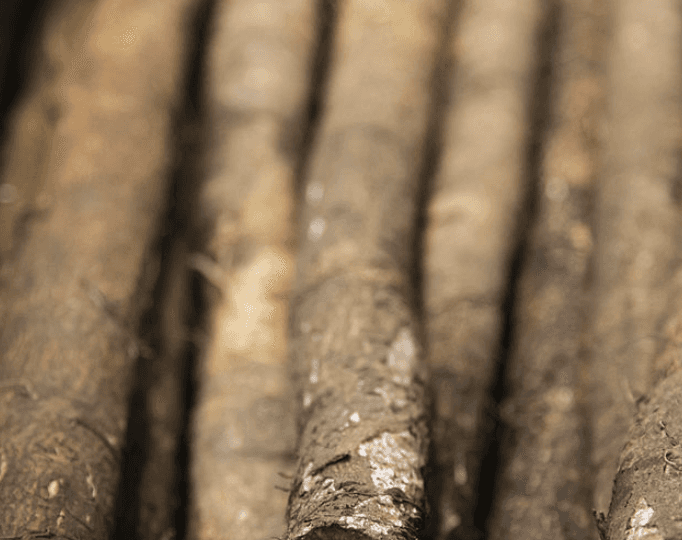
Harvest Notes: Harvest first-year roots in late fall or early spring before flowering stalk emerges. Roots from second-year plants become woody and less medicinal. Dig carefully, as roots can extend 2,3 feet deep. Clean thoroughly. Fresh root is superior but dries well when sliced thin.

Historical References
Burdock appears across herbalism traditions worldwide. In medieval Europe, it was known as a remedy for "corrupt blood" and featured in monastery gardens as both food and medicine. The 17th-century herbalist Nicholas Culpeper wrote of burdock's ability to "provoke urine and sweat" and recommended it for venomous bites, ulcers, and "the King's Evil" (scrofula).
The Eclectic physicians of 19th-century America, including Harvey Wickes Felter and John Uri Lloyd, prescribed burdock extensively for chronic skin diseases, rheumatism, and syphilis. They valued it as an alterative that worked slowly and deeply, shifting constitutional patterns rather than forcing acute elimination.
In Japan, burdock (gobo) has been cultivated as a vegetable for over a thousand years, prized for its prebiotic fiber and mineral content. Traditional Japanese medicine values it for supporting digestion and longevity.
Folk and Spiritual Medicinal Uses
In European folk magic, burdock was carried for protection and scattered around the home to ward off negativity. Its clinging burrs were seen as sympathetic magic for holding onto blessings or binding harmful influences away from the household.
Appalachian folk practitioners used burdock root in healing baths for chronic illness, believing it "drew out" disease through the skin. The root was sometimes buried near doorways to protect against curses or crossed conditions.
In hoodoo and Southern rootwork traditions, burdock has been used in purification baths, floor washes, and mojo bags intended to clear away jinxes and restore health. Its ability to "stick" made it symbolically useful for protection spells, ensuring harmful influences would cling to the burdock rather than the person.
The plant's deep root reaching into earth and its burrs traveling far from the parent plant create a symbolic bridge between grounding and release, making it useful in rituals for those seeking to clear old patterns while remaining rooted in their own center.
Affirmations: "I release what no longer serves me with patience and grace; I am cleansed and renewed from within."
Spiritual Ritual Use: Used in purification rituals, clearing baths, protection work, and ceremonies honoring cycles of release and renewal.
Gemstones:
Smoky Quartz

Black Tourmaline

Phase of the Moon:
Waning Moon for release work

New Moon for fresh starts after clearing

Vibe Code: Purification, Grounding, Release, Renewal, Protection
The Herbalist's Library: Burdock
Burdock's reputation as a cornerstone alterative spans centuries and continents. For those seeking comprehensive understanding, from clinical applications to folk traditions, the following texts offer authoritative guidance.
Foundational Herbals
A Modern Herbal by Mrs. M. Grieve provides detailed documentation of burdock's traditional uses across Europe, including preparations for skin diseases, rheumatism, and blood purification. Grieve's work remains essential for understanding how burdock moved from folk remedy to clinical practice.
The Herbal Apothecary by JJ Pursell offers practical formulation guidance for burdock root preparations, including decoctions, tinctures, and topical applications. Pursell's accessible approach makes this valuable for home herbalists.
Clinical & Nutritive Perspectives
The Way of Herbs by Michael Tierra places burdock within the broader context of blood-cleansing herbs, with attention to its role in Traditional Chinese Medicine as well as Western herbalism. Tierra's synthesis of Eastern and Western perspectives illuminates burdock's versatility.
Medical Herbalism by David Hoffmann provides clinical depth on burdock's actions as alterative, depurative, and lymphatic, with specific protocols for skin conditions, arthritis, and digestive complaints. Essential for practitioners seeking evidence-based applications.
Herbal Medicine: Biomolecular and Clinical Aspects, edited by Benzie and Wachtel-Galor offers peer-reviewed research on burdock's constituents, particularly its inulin content, polyacetylenes, and anti-inflammatory compounds.
Energetics & Traditional Medicine
Healing with the Herbs of Life by Lesley Tierra explores burdock through the lens of traditional energetics, examining its cooling, moistening properties and applications in constitutional herbalism.
The Earthwise Herbal, Volume I by Matthew Wood provides materia medica entries rich with clinical observations, traditional uses, and energetic considerations, making this invaluable for understanding burdock's deeper patterns of action.
Foraging & Cultivation
The Wild Medicine Solution by Guido Masé situates burdock within the context of naturalized plants that have become regional medicine, with ethical wildcrafting guidance and seasonal harvesting practices.
Backyard Medicine by Julie Bruton-Seal and Matthew Seal offers accessible foraging advice, preparation methods, and home remedy formulations for burdock and other common wayside plants.
Affiliate links included. We earn a small commission from purchases at no cost to you.
Educational purposes only. Not medical advice. Consult a healthcare provider before use.
