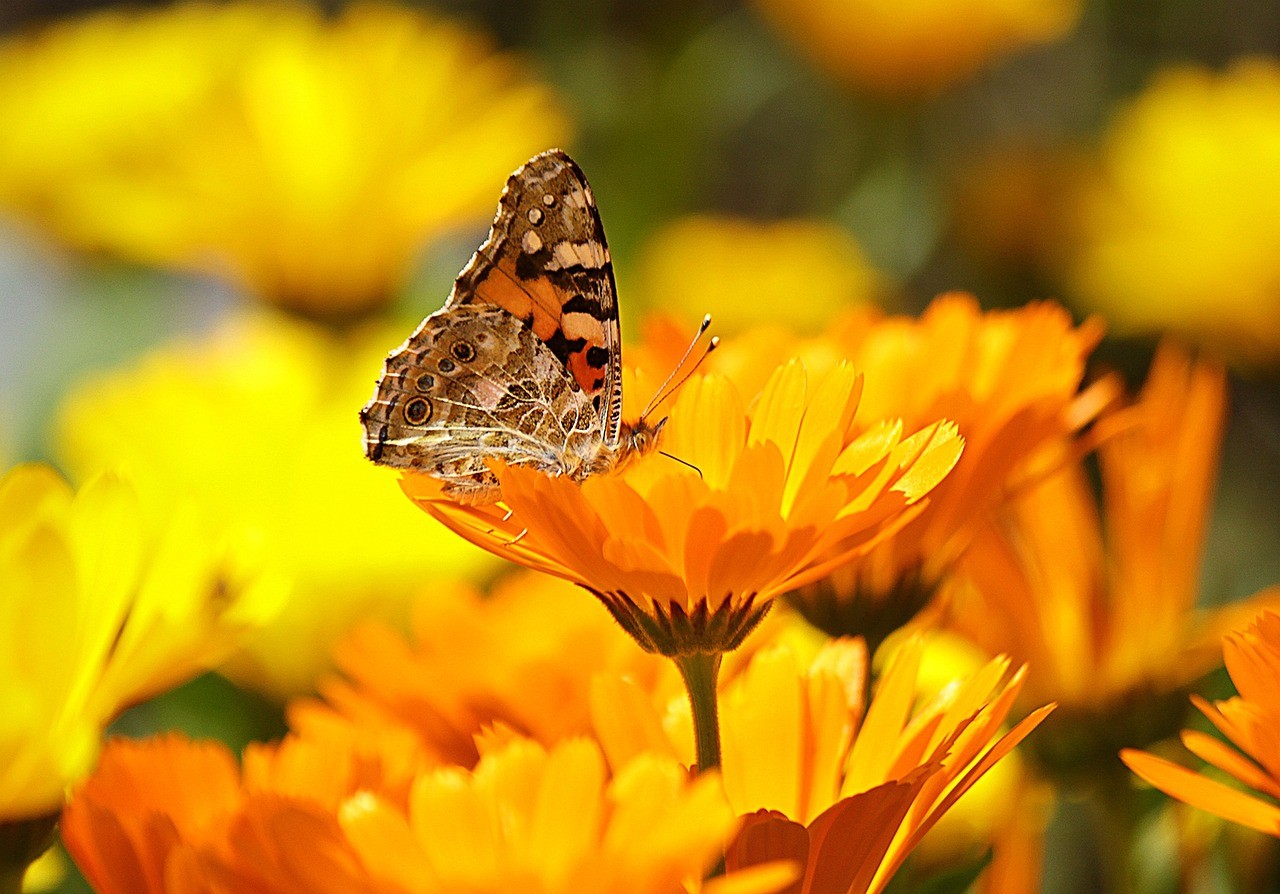
Calendula
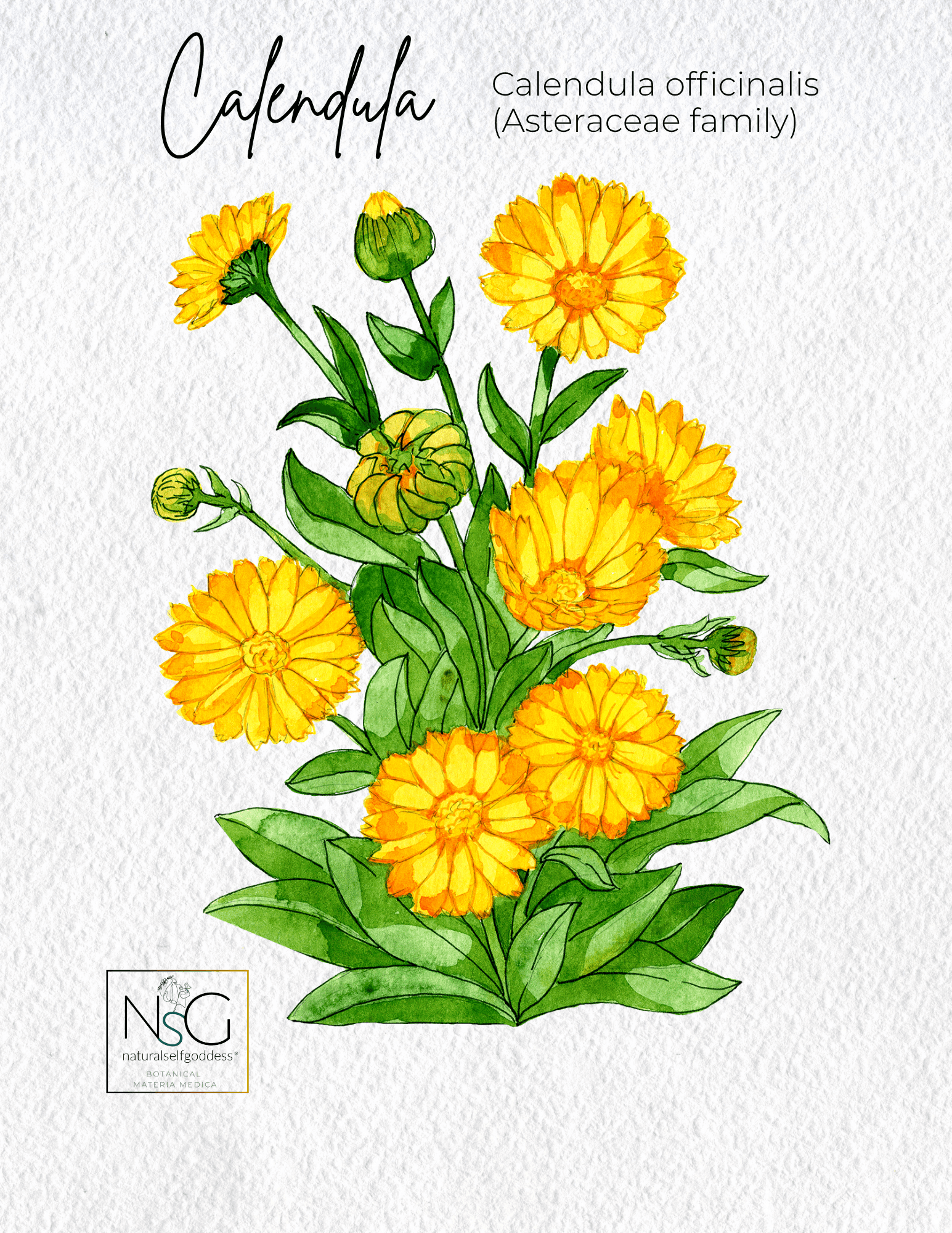
Calendula officinalis
Asteraceae (Daisy Family)
Native to Southern Europe, the Mediterranean region, and North Africa. Naturalized throughout temperate climates worldwide. Brought to North America by European settlers in the early colonial period.
Calendula (Pot Marigold, Mary's Gold)
Overview
Calendula offers a bright, solar medicine that works with patient devotion to restore what inflammation and injury have disrupted. Known across centuries as a skin healer and gentle ally to wounded tissue, it brings golden warmth to places that have become irritated, raw, or depleted. This is a plant of quiet repair, humble in its growing habit yet profound in its capacity to mend what has been broken.
Energetic & Emotional Profile
Its energy moves like sunlight reaching into shadow. Calendula works to soothe what has become inflamed, both in body and spirit, offering a gentle return to wholeness after periods of strain or depletion. It encourages a softening around old wounds, reminding us that healing need not be harsh or forced. There is something deeply renewing in its presence, a quality that invites us to trust the body's innate intelligence and to honor the slow, steady work of restoration.
Traditional Uses
Herbalists have long regarded calendula as a vulnerary, or wound healer, particularly valued for supporting skin integrity, easing inflammation, and encouraging tissue repair. Traditionally prepared as salves, oils, poultices, and teas, it has been used to treat cuts, burns, rashes, and ulcerations both external and internal. European settlers brought calendula to North America, where it became a staple in home apothecaries and was used extensively during the American Civil War to staunch bleeding and promote healing of battlefield wounds.
In early American Shaker medicine, calendula was considered essential for treating gangrene and infected wounds. The dried flowers were kept in every medicine chest, steeped as tea for internal inflammation, and applied as poultices for external injuries. Colonial herbalists recognized its ability to work gently without overstimulation, making it suitable for delicate constitutions and chronic conditions requiring sustained support. This tradition of gentle, patient healing continues in modern herbalism, where calendula remains one of the most trusted allies for restoring integrity to damaged tissue.
Safety Considerations
While calendula is generally well tolerated and considered a gentle herb, those with known allergies to the Asteraceae family (including ragweed, chrysanthemums, and daisies) should use caution. It should be avoided during pregnancy due to potential emmenagogue effects. Thoughtful consideration of individual sensitivities remains essential.
Tags
wound-healer, skin-repair, anti-inflammatory, vulnerary, gentle-medicine, tissue-integrity, solar-herb, traditional-remedy
Tea Recipes
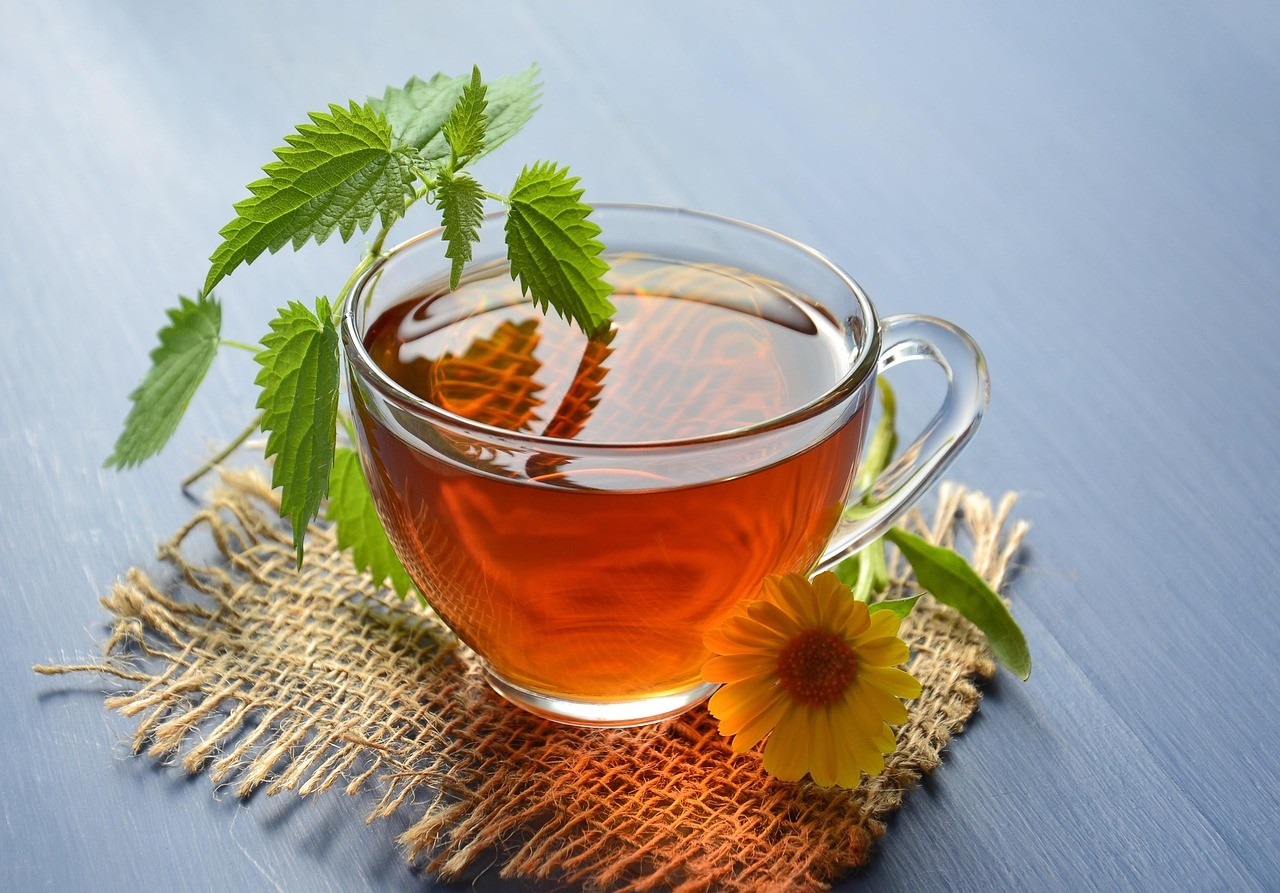
Herbal Tea Recipe: Calendula Infusion
Calendula brings a gentle, slightly bitter greenness to the cup with subtle honeyed undertones. The infusion has long been valued for soothing inflammation internally and externally. This tea works well when the digestive tract feels irritated or when the body needs gentle support for tissue repair.
Ingredients
1 to 2 tablespoons dried calendula flowers (or 3 to 4 fresh flower heads)
8 to 10 ounces hot water
Optional additions: honey, a slice of lemon, or fresh mint for brightness
Method
Place the dried calendula flowers in a heat-safe cup or teapot
Pour hot water over the flowers. Aim for just under boiling
Cover and steep for 10 to 15 minutes. A longer steep brings deeper medicinal properties
Strain and sip slowly
For Medicinal Strength Infusion (external use): Use 1/3 cup dried calendula to 1 cup water, steep overnight, strain, and apply topically as a compress, wash, or spray.
Notes for Use
Traditionally used as a gentle anti-inflammatory and vulnerary that may support digestive health, ease heartburn, and promote healing of internal ulcerations. The cooled tea can be applied externally to wounds, rashes, burns, or irritated skin. Often blended with chamomile, rose, or marshmallow root for enhanced soothing properties.
Safety Considerations
Generally well tolerated for most people. Those with Asteraceae family allergies should avoid. Not recommended during pregnancy. Consult a practitioner if taking sedative medications.
Healing Benefits and Preparations
Indications Uses: Support wound healing, reduce inflammation, soothe skin irritations, ease digestive inflammation, promote tissue repair, aid in ulcer healing, gentle lymphatic support.
Constituents: Triterpene saponins, flavonoids (including quercetin), carotenoids, polysaccharides, essential oils, mucilage, resins, bitter principles.
Healing Duration: Preparations: Tea, infused oil, salve, tincture, poultice, compress, wash
Dosage: 1 to 2 cups tea per day; topical applications as needed
Actions: Vulnerary, anti-inflammatory, antimicrobial, lymphatic, astringent, emmenagogue
Safety Contraindications: Avoid during pregnancy. Use caution with Asteraceae family allergies. May interact with sedative medications.
Energetics: Duration: Results for topical applications may be noticed within days; internal use shows benefits within 2 to 4 weeks of consistent use
Potency Level: Gentle to moderate
Taste profile: Mildly bitter with subtle sweet, honeyed notes and a slightly resinous quality.
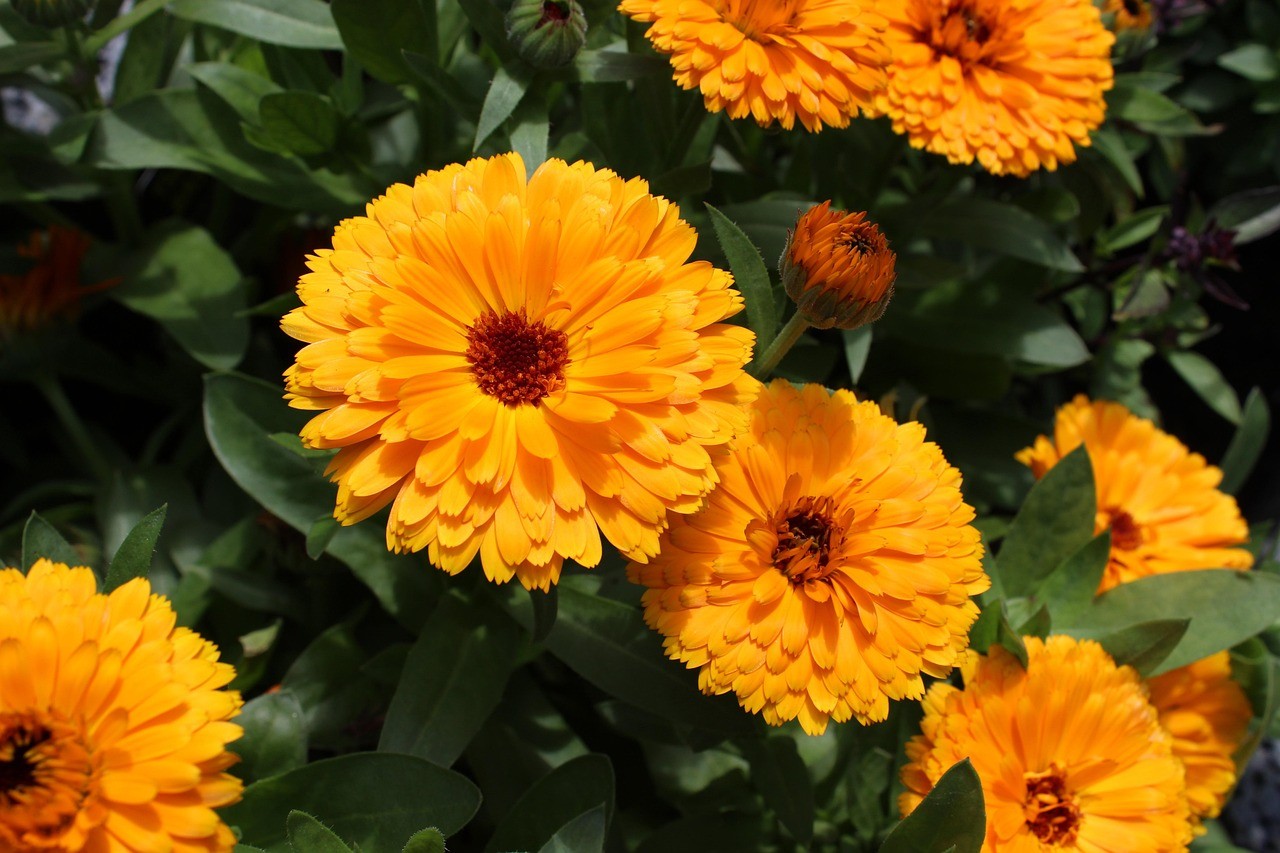
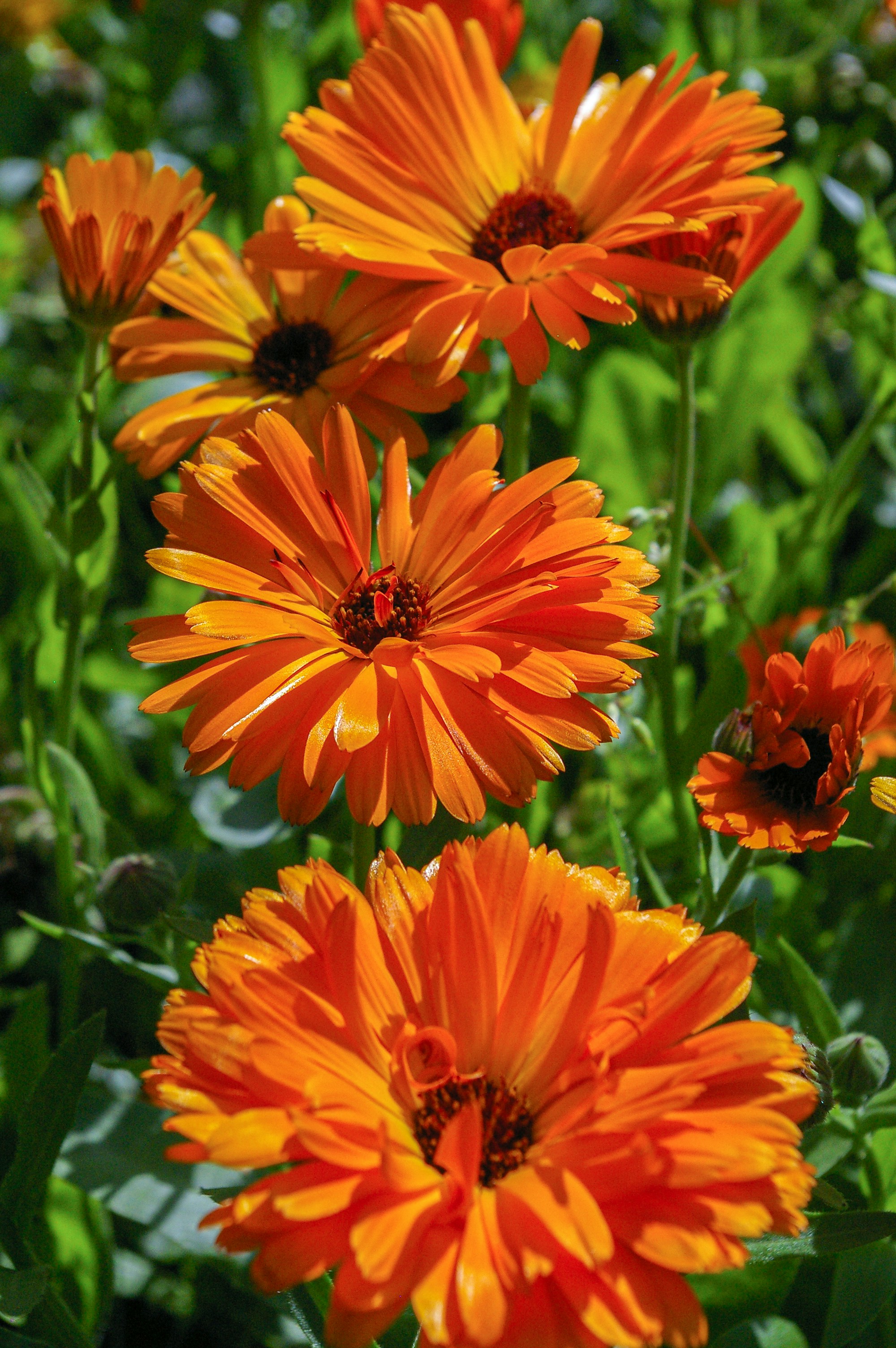
Growth Habitat: Annual or short-lived perennial, thrives in well-drained soil, prefers full sun, tolerates poor soil. Grows 12 to 24 inches tall with bright orange to yellow daisy-like flowers.
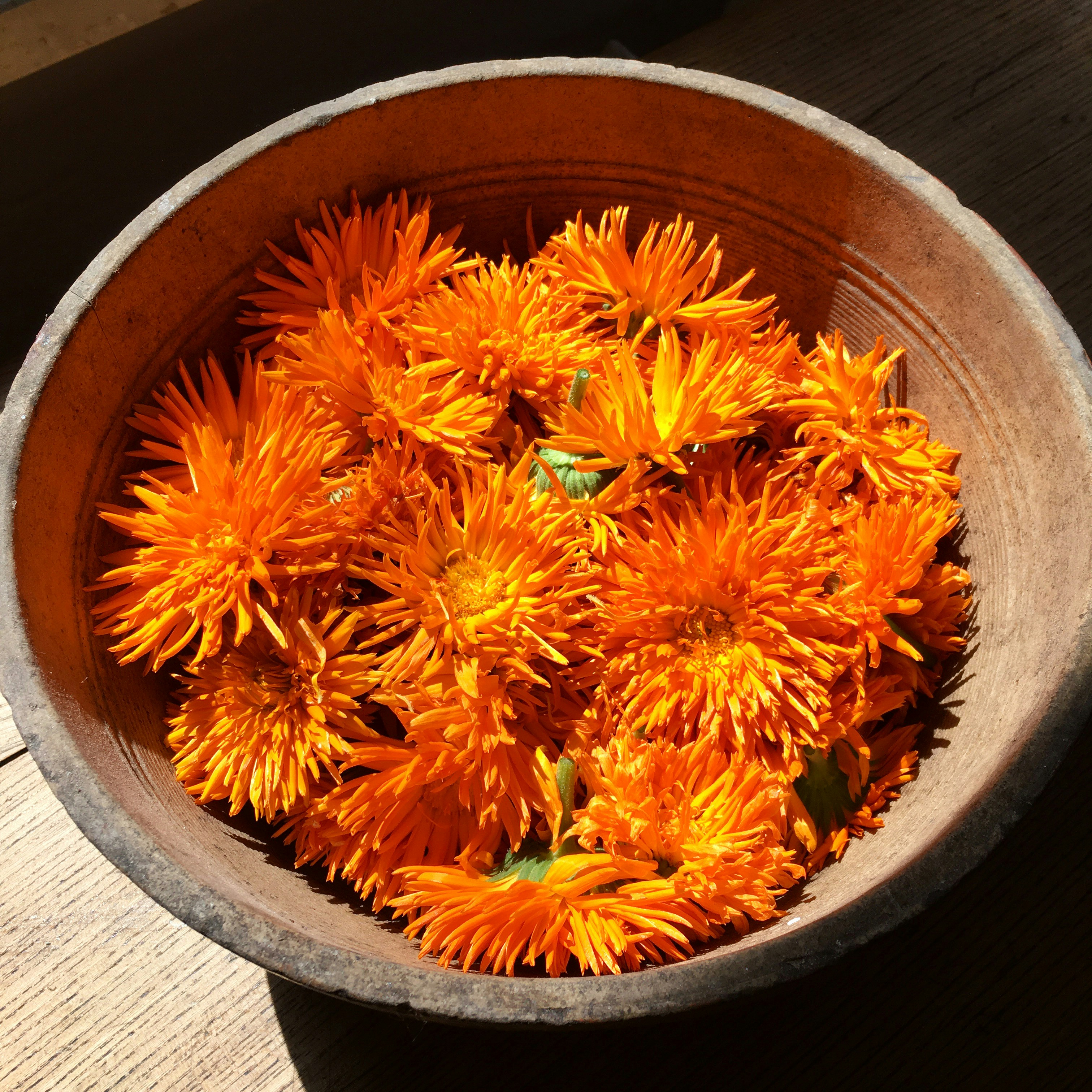
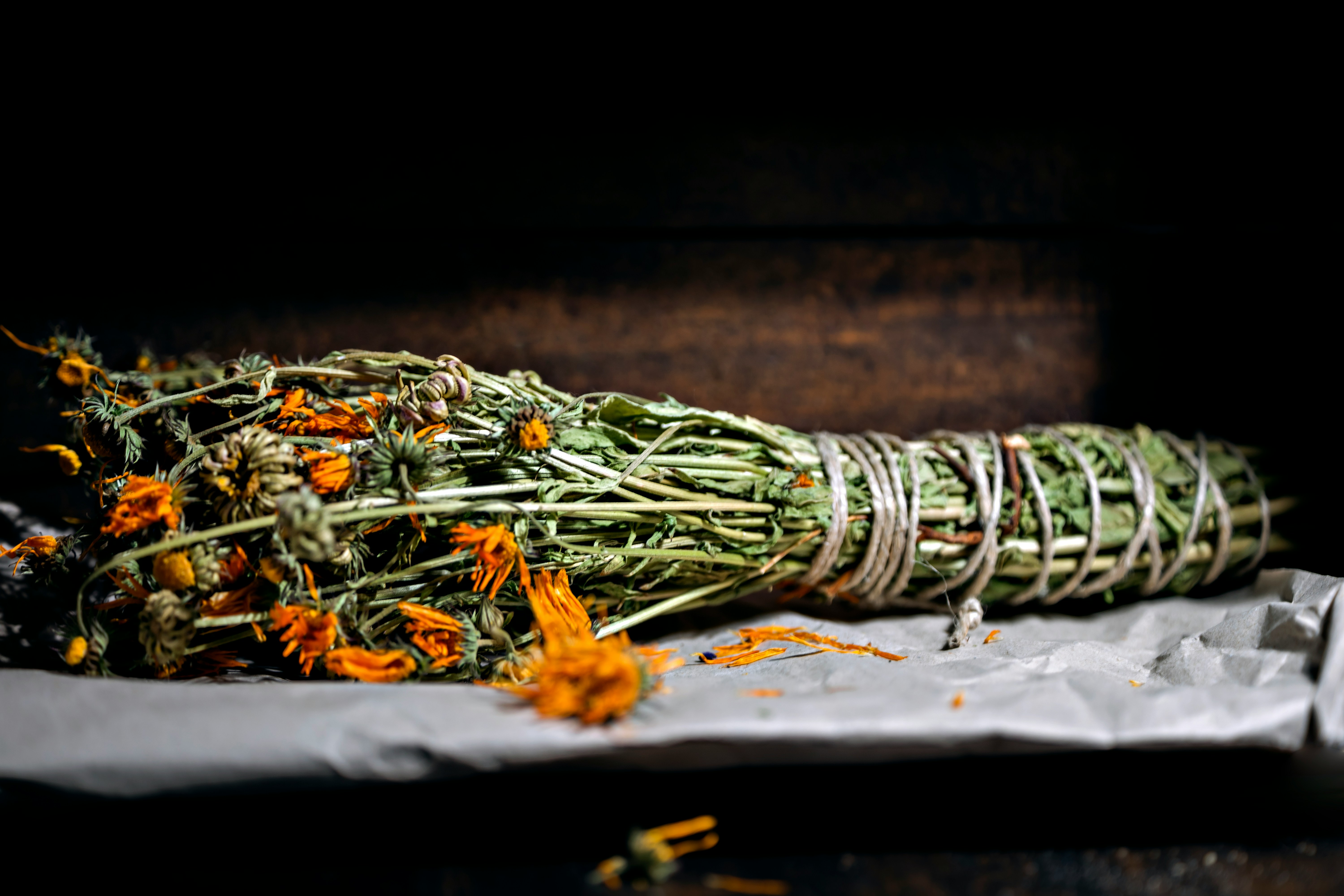
Harvest notes: Harvest flowers at full bloom after morning dew has dried but before midday heat. Pick regularly to encourage continued blooming. Dry in a well-ventilated space away from direct sunlight. Store dried flowers in airtight containers away from light and moisture.
Historical References
Calendula's history stretches back to ancient Mediterranean civilizations, where Romans, Greeks, and Egyptians valued it as both medicine and culinary herb. The Romans used it to break fevers and as a cheerful addition to celebratory garlands. In medieval Europe, calendula became known as "Mary's Gold," dedicated to the Virgin Mary and woven into Christian folk traditions as a protective and blessed plant.
Nicholas Culpeper, the 17th-century English herbalist, noted calendula's affinity for the heart and spirits, teaching that as a plant under Leo's influence, it brought solar warmth and courage to those who worked with it. Though he considered it gentle rather than dramatically powerful, he recognized its steady, reliable nature.
During the American Civil War, calendula earned its reputation as a battlefield medicine. Doctors and field nurses carried dried calendula flowers to staunch bleeding and dress wounds, relying on its antiseptic and tissue-mending properties when conventional supplies ran short. This practice continued through World War I, when British herbalist Gertrude Jekyll led campaigns to supply calendula to military hospitals in France.
Eclectic physicians in 19th-century America incorporated calendula into their materia medica, prescribing it for gangrenous wounds, chronic ulcers, and stubborn skin conditions. The Shakers, known for their meticulous herbal practice, cultivated calendula in their physic gardens and prepared it as both internal tea and external application, recognizing its dual capacity to heal from within and without.
Folk and Spiritual Medicinal Uses
In European folk magic and hoodoo traditions, calendula has long been recognized as a plant of solar blessing, legal victory, and protective grace. Its golden petals were sewn into mojo bags for court cases, ensuring favorable outcomes and dignified presence before judges. Rootworkers placed calendula in green flannel with coins to draw steady income and placed wreaths of the dried flowers over doorways to turn away ill will and welcome prosperity.
In kitchen witchery and cottage magic, calendula was scattered beneath beds for prophetic dreams, particularly dreams that would reveal the identity of thieves or bring visions of future lovers. Young women placed the flowers under pillows on Midsummer's Eve, hoping to dream of their future husband. The plant's bright, sun-following nature made it symbolically powerful for maintaining clarity of vision and preventing deception.
Appalachian practitioners used calendula in floor washes before important legal or financial matters, mopping from back to front to clear obstacles and invite success. The flowers were added to baths for those seeking respect and admiration in their community, believed to lend a golden glow to one's presence that would draw favorable attention.
In Mexican and Central American traditions, calendula (known as cempasúchil) plays a sacred role in Día de los Muertos celebrations, where the flowers' vibrant color and musky fragrance are believed to guide the souls of the dead from their burial places to family altars. This practice honors the plant's dual nature as both a healer of the living and a bridge to the beloved dead.
The essence of calendula carries the energy of sustained abundance, teaching that prosperity blooms when we create the right conditions and maintain them with patient attention, just as the plant continues flowering through the entire growing season.
Affirmations: "I create the conditions for my own flourishing; I honor the slow, steady work of healing."
Spiritual Ritual Use: Used in prosperity rituals, court-case work, protection magic, dream work, ancestral honoring, and abundance maintenance spells.
Gemstones:
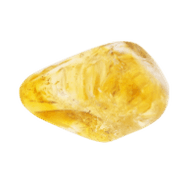
Citrine
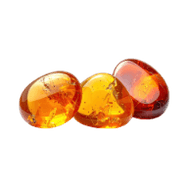
Amber
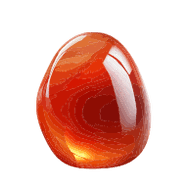
Carnelian
Phase of the Moon:
Waxing Moon for growth and healing rituals

Full Moon for peak solar energy

Vibe Code: Healing, Protection, Solar Power, Prosperity, Clarity, Renewal
YouTube Video Library
Calendula: The Golden Healer
Discover the healing wisdom of Calendula, a bright solar medicine used for centuries to mend wounds, soothe inflammation, and restore integrity to damaged tissue.

YouTube Link: Coming soon!
The Herbalist's Library: Calendula
Calendula has been valued across centuries and continents as a plant of gentle repair and persistent healing. For those seeking to understand its full scope, from biochemical constituents to folk traditions, the following texts offer trusted guidance.
Foundational Herbals
A Modern Herbal by Mrs. M. Grieve remains an essential reference, documenting calendula's long history in European herbalism and its traditional use as a wound healer and anti-inflammatory. Grieve's work bridges folk observation with early clinical understanding, making it invaluable for those studying how plants moved from cottage garden to formal medicine.
The Herbal Apothecary by JJ Pursell provides practical formulation guidance, including detailed instructions for preparing calendula as oil, salve, tea, and tincture. Pursell's approach honors tradition while offering clear, accessible direction for modern practitioners seeking to work with this versatile plant.
Clinical & Scientific Perspectives
Herbal Medicine: Biomolecular and Clinical Aspects, edited by Benzie and Wachtel-Galor, provides peer-reviewed research on calendula's triterpene saponins, flavonoids, and anti-inflammatory mechanisms. This text offers scientific validation for traditional uses and explores the plant's pharmacological actions at a molecular level.
The Way of Herbs by Michael Tierra includes calendula among essential vulnerary herbs, particularly valued for its ability to heal both hot and cold conditions through gentle, sustained action rather than dramatic intervention.
Skin & External Applications
Rosemary Gladstar's Medicinal Herbs: A Beginner's Guide offers straightforward recipes for calendula oil, salve, and skin preparations that have become standards in home herbalism. Gladstar's teaching emphasizes accessibility and empowerment, making calendula medicine available to everyone.
The Wild Medicine Solution by Guido Masé explores calendula within the context of naturalized European plants that have become staples in North American herbalism, with attention to sustainable harvesting and ethical wildcrafting practices.
Folk & Spiritual Traditions
Cunningham's Encyclopedia of Magical Herbs by Scott Cunningham documents calendula's place in protection magic, prosperity work, and dream divination, offering practical suggestions for integrating it into daily spiritual practice.
Hoodoo Herb and Root Magic by Catherine Yronwode explores calendula's specific use in court-case work and money-drawing rituals, providing historical context for rootwork traditions that continue in modern practice.
Affiliate links included. We earn a small commission from purchases at no cost to you.
Educational purposes only. Not medical advice. Consult a healthcare provider before use.
