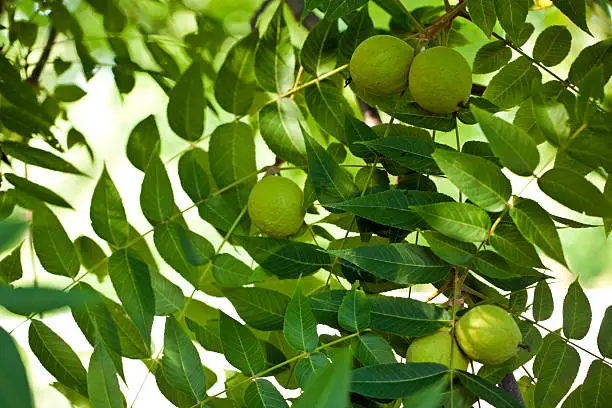
Black Walnut
Juglans nigra
Juglandaceae
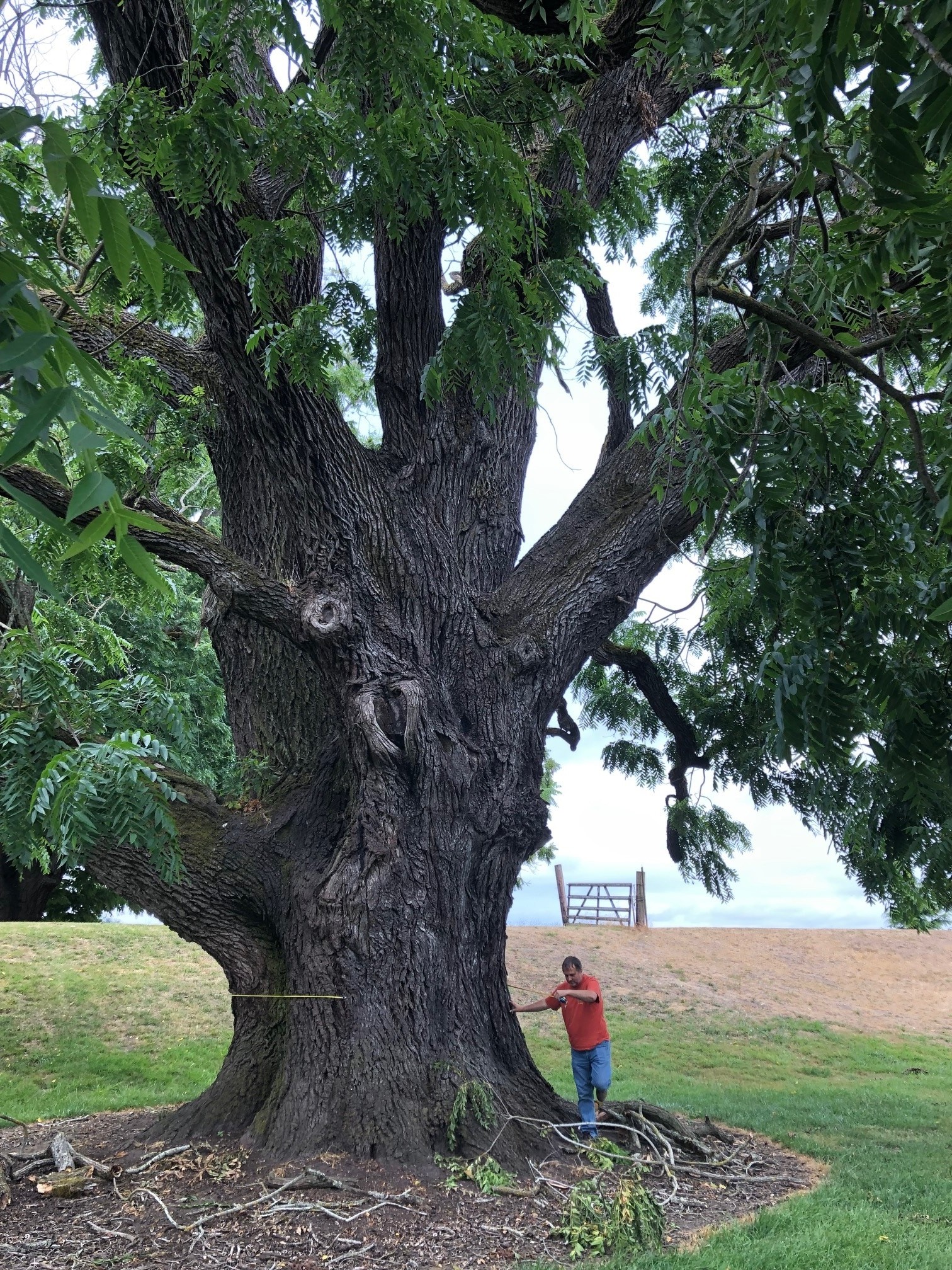
Native to Eastern United States, from Massachusetts to Florida and west to Minnesota and Texas. Naturally occurring in southern Ontario, Canada. Thrives in rich, well-drained bottomlands and fertile valleys.
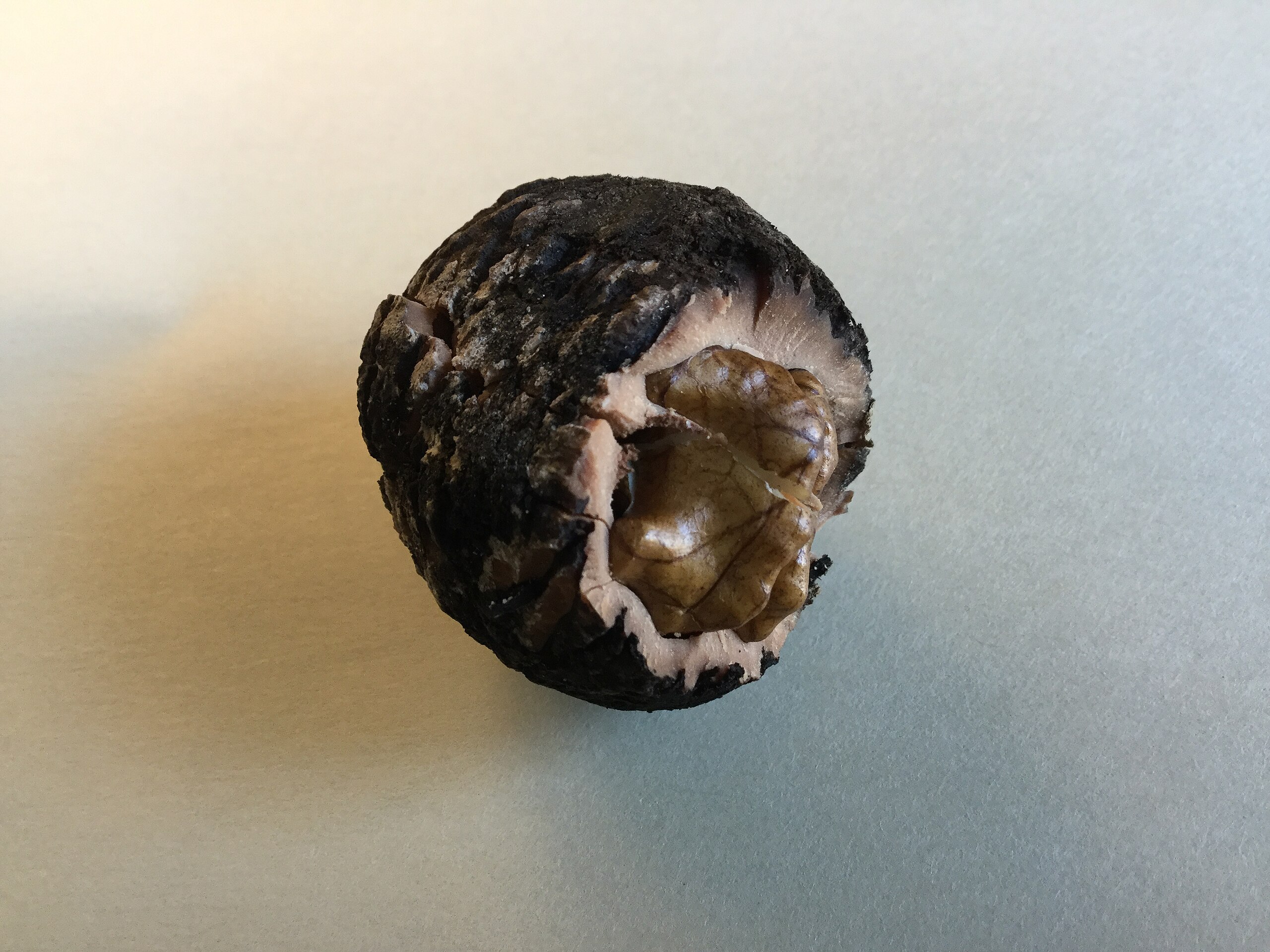
Black Walnut Hull
Overview
Black walnut holds a paradox within its form. Beneath the fierce protection of tannin-rich hulls lies medicine of rare potency, a plant that knows both the art of boundaries and the necessity of breaking them. This is not a gentle herb. It carries the sharp clarity of expulsion, the determined energy of what must be released so that vitality can return. Black walnut teaches us that sometimes healing requires a firm hand, a clear severance, a willingness to let go.
Energetic & Emotional Profile
Its energy moves through the body like a decisive sweep, clearing what has overstayed, drawing out what has taken hold where it doesn't belong. There is something fiercely protective in black walnut's nature, a quality that establishes boundaries with unwavering conviction. Emotionally, it supports the work of disentanglement, of cutting cords that bind us to what no longer serves. It asks us to examine what we've been carrying that isn't ours to carry, what attachments have become parasitic rather than nourishing. Black walnut doesn't soften the blow of necessary endings. Instead, it offers the fortitude to move through them with clarity and purpose.
Traditional Uses
Herbalists have long turned to black walnut's green hulls for their potent antimicrobial, antifungal, and antiparasitic properties. The plant has been used traditionally to address intestinal parasites, fungal infections including ringworm and athlete's foot, and various skin conditions marked by inflammation or infection.
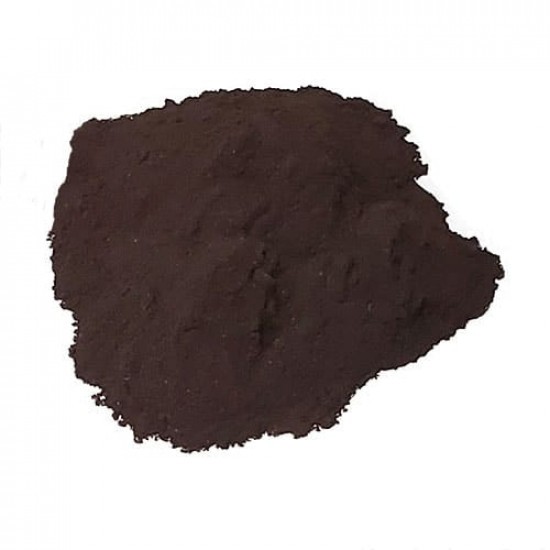
Prepared as tincture, powder, or external wash, black walnut hull has served as a decisive remedy when the body's systems need clearing and fortification. The bark and leaves, though used more cautiously, have appeared in traditional preparations for digestive sluggishness and as topical treatments for wounds.
In Appalachian folk medicine, black walnut hull powder was dusted on fungal infections, and the strong tannin content made it valuable for tightening tissues, reducing inflammation, and protecting against infection. The tree's fierce chemistry, the juglone that prevents other plants from growing beneath its canopy, translates into medicine that establishes clear boundaries in the body, creating inhospitable conditions for unwanted guests while allowing what belongs to thrive.
Safety Considerations
Black walnut is a powerful herb and should be used with respect and awareness. The bark is considered potentially unsafe for internal use due to toxicity concerns. Green hulls and leaves contain high levels of tannins and juglone, which can cause digestive upset or skin irritation if used improperly or in excessive amounts. Not recommended during pregnancy or lactation. Those with chronic digestive conditions should consult a qualified practitioner before use. Black walnut hull will stain skin temporarily, a reminder of its potent presence. Always work with this plant thoughtfully, honoring its strength. Extremely toxic to horses, even in small amounts.
Tags
antiparasitic, antifungal, boundary-setting, cord-cutting, protective-herb, decisive-medicine, cleansing-plant, traditional-remedy, expelling-herb
Bitters: Parasite Tea Recipe
Black Walnut Hull Decoction
Black walnut hull creates a deeply astringent, bitter brew. This is not a tea for casual sipping, but rather a focused medicinal preparation used when decisive action is needed. The decoction carries the plant's protective and expelling qualities, traditionally used for short-term internal cleansing protocols or as an external wash for fungal infections.

Important: This decoction is for short-term use only and should not be consumed regularly or long-term.
Ingredients
1 teaspoon dried black walnut hull powder (or 1 tablespoon chopped dried green hulls)
8-10 ounces water
Optional: small amount of honey to balance bitterness (for internal use)
Method
Place dried black walnut hull in a small pot with water.
Bring to a gentle boil, then reduce heat and simmer for 10-15 minutes.
Remove from heat and let steep covered for an additional 10 minutes.
Strain thoroughly through fine mesh or cheesecloth.
For internal use: sip slowly, maximum 1/4 to 1/2 cup per day for no more than 2 weeks.
For external use: allow to cool and apply as a wash to affected areas of skin.
Notes for Use
Traditionally used in short-term protocols for intestinal cleansing, addressing fungal overgrowth, or supporting the body during parasite clearing. Often combined with other herbs like wormwood and cloves in traditional antiparasitic formulas. The strong tannin content makes this a powerful astringent. External applications can temporarily stain skin brown.
Safety Considerations
Not for long-term use. Excessive tannins can irritate the digestive system and potentially affect kidney and liver function. Pregnant and nursing individuals should avoid. Consult with a qualified herbalist or healthcare practitioner before use, especially for internal applications.
Healing Benefits and Preparations
Indications Uses
Antiparasitic support, antifungal applications, skin infections including ringworm and athlete's foot, supporting healthy microbial balance, topical wound care (astringent), addressing candida overgrowth.
Constituents
Juglone (naphthoquinone), tannins (up to 16%), ellagic acid, gallic acid, flavonoids, essential fatty acids, minerals including silica, vitamin C.
Preparations
Tincture, powder, decoction, external wash, poultice.
Dosage
Hull tincture: 10-20 drops, 1-3 times daily for maximum 2 weeks. Hull powder: 500mg-1g capsules, 1-3 times daily for short-term use only. External powder: dust directly on affected areas as needed.
Actions
Antiparasitic, antifungal, antimicrobial, astringent, alterative (in small amounts), vulnerary (external).
Safety Contraindications
Avoid during pregnancy and lactation. Not for long-term internal use. Avoid in chronic gastrointestinal conditions. May interact with medications. Extremely toxic to horses. Can cause skin staining and irritation. May cause allergic reactions in sensitive individuals.
Energetics
Cooling, drying, bitter, astringent.
Duration
Results for fungal applications may be noticed within 1-2 weeks. Antiparasitic protocols typically run 2-4 weeks maximum with breaks between rounds.
Potency Level
High. This is a strong medicine requiring respect and proper dosing.
Taste Profile
Intensely bitter, astringent, with a sharp tannin bite.
Growth Habitat
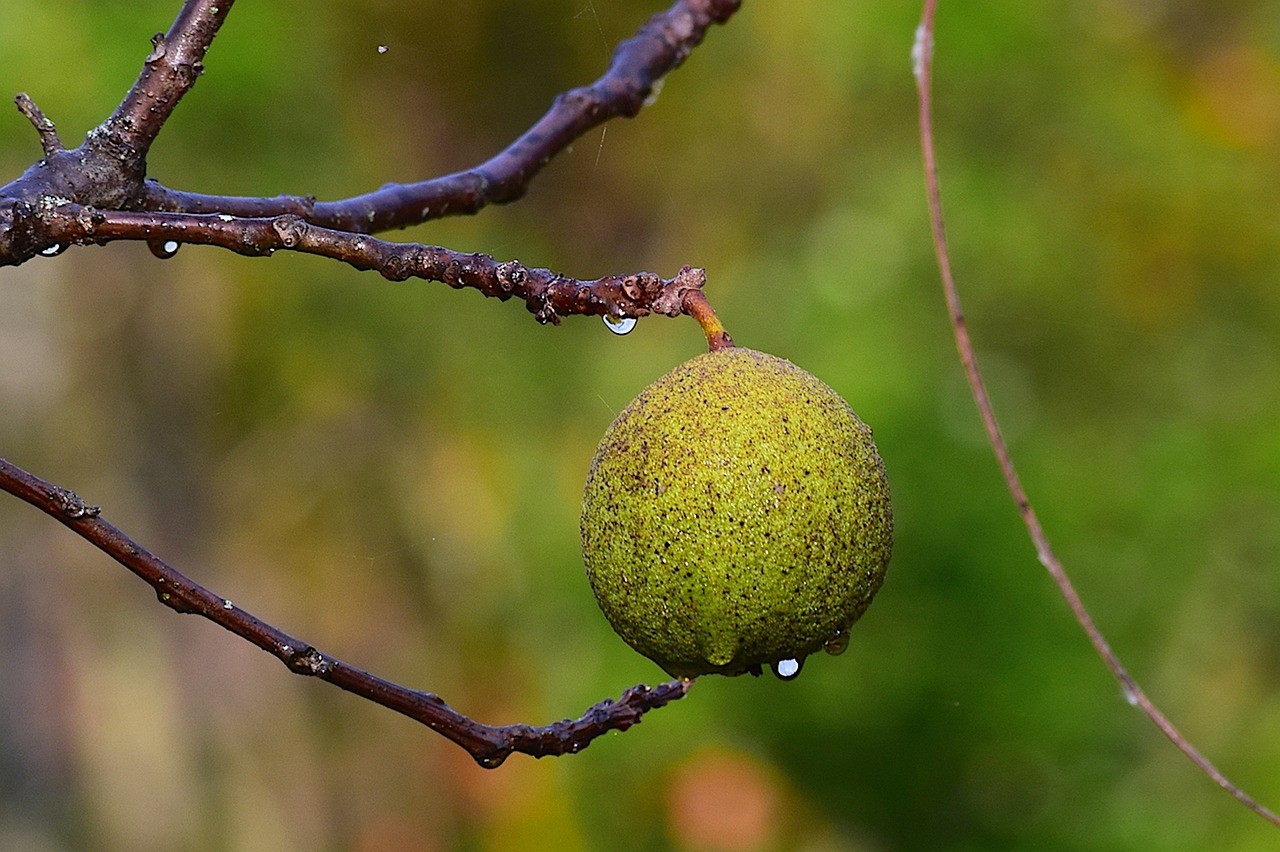
Large deciduous tree reaching 70-90 feet tall, thriving in rich bottomlands, fertile valleys, and well-drained soils. Prefers full sun. Notable for allelopathic properties, the juglone in its roots preventing most other plants from growing beneath its canopy.
Harvest Notes
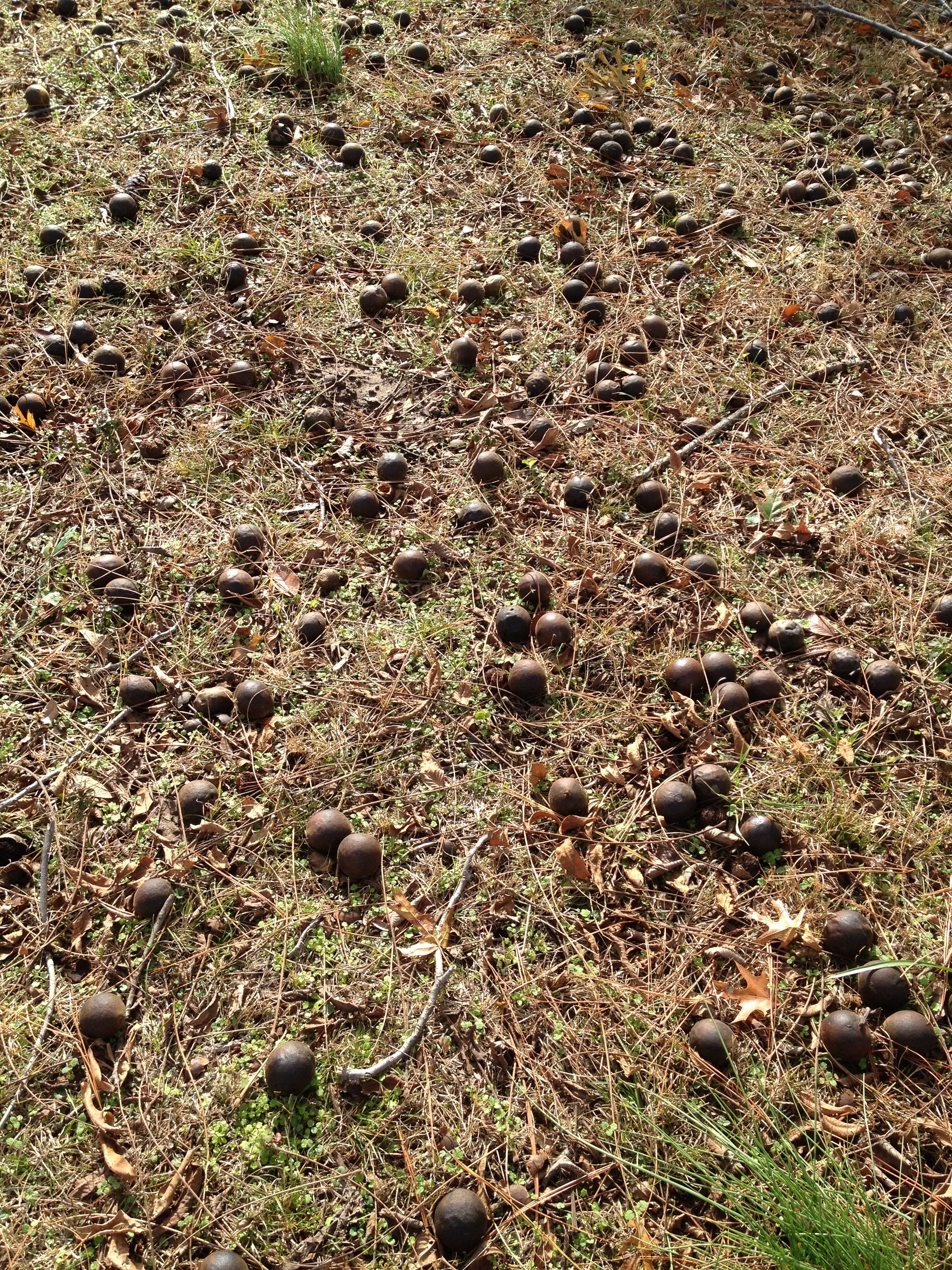
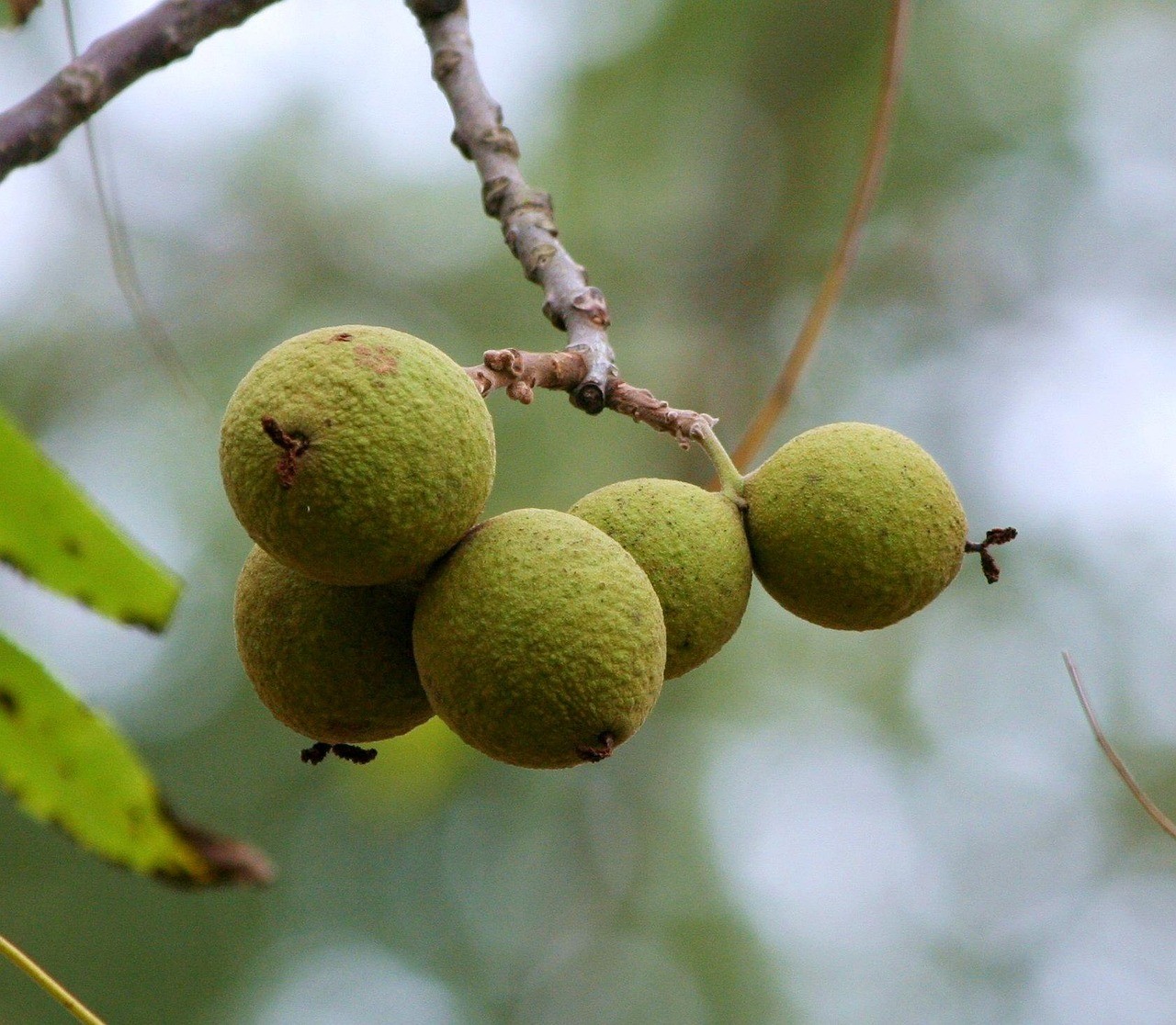
Green hulls harvested in late summer to early fall when they begin to soften but before they blacken. Wear gloves as hulls stain skin persistently. Remove hulls from nuts promptly for medicinal use. Bark should generally be avoided for medicinal preparations due to toxicity concerns. Sustainable harvesting requires leaving sufficient nuts for wildlife and forest regeneration.

Historical References
Black walnut's reputation as a boundary keeper and protective medicine spans continents and healing traditions. Indigenous peoples of North America held deep relationships with this tree for millennia, recognizing its dual nature as both nourishment and fierce medicine. European settlers quickly adopted black walnut into their own materia medica, influenced by Indigenous knowledge and their own herbal traditions.
Nicholas Culpeper's Complete Herbal associated walnut with the sun and noted its warming, protective qualities, recommending the green fruit gathered before it hardens. Nineteenth-century Eclectic physicians in America incorporated black walnut hull into their practice, particularly valuing its antiparasitic and antifungal properties. They prescribed it alongside other bitters and alteratives for what they termed "blood impurities" and stubborn skin conditions.
The plant's powerful allelopathic nature, its ability to prevent other vegetation from establishing beneath its canopy through the chemical juglone, made it symbolically significant in folk medicine traditions. What protects the tree's territory externally translates to medicine that establishes boundaries internally, creating inhospitable conditions for parasites and fungal overgrowth while supporting the body's own defensive systems.
Folk and Spiritual Medicinal Uses
In hoodoo and African American folk magic traditions, black walnut occupies a unique position as a plant of severance, protection, and decisive endings.
Unlike herbs of attraction and sweetness, black walnut specializes in what must be expelled, cut away, released. Rootworkers used black walnut hulls in spiritual baths for cord-cutting work, particularly the powerful "falling out of love" bath where nine whole walnuts in their hulls are boiled down to a concentrated decoction, then used to bathe while renouncing ties to a former lover. The bathwater is then thrown at a crossroads, carrying the attachment away.
The hard shell of the walnut symbolizes protection and boundary-setting. In protective work, black walnut hull powder was scattered at property lines or added to mojo bags to create firm barriers against negative influence and unwanted intrusion. The plant's fierce chemical nature, the juglone that keeps other plants from encroaching on its territory, translates spiritually into medicine that maintains clear energetic boundaries.
In Appalachian folk magic, black walnut was recognized as a tree of strength and decision. The dark dye from the hulls was used in crafts and also symbolically represented the plant's ability to mark, claim, and transform. Kitchen witches used the hulls in floor washes before important decisions or negotiations, the bitter astringency clearing away confusion and establishing clarity of purpose.
The energy of black walnut is not gentle or inviting. It's the magic of necessary endings, of cutting what binds us to harm, of establishing sovereignty over our own space and spirit. This is the plant ally for breaking curses, severing toxic relationships, ending patterns that have become parasitic, and reclaiming power that has been given away or taken.
Affirmations
"I release what no longer serves my highest good. I establish clear boundaries with strength and clarity."
Spiritual Ritual Use
Cord-cutting baths, breaking curses and hexes, protective barrier work, severing unhealthy attachments, ending toxic relationships, clearing parasitic energy, and establishing firm boundaries.
Gemstones
Black Tourmaline (protection, grounding)

Obsidian (cutting cords, revealing truth)

Smoky Quartz (clearing, transmuting negativity)

Phase of the Moon
Waning Moon for releasing and banishing work

Dark Moon for deep severance and shadow work

Last Quarter for final endings

Vibe Code
Severance, Protection, Clarity, Boundaries, Expulsion, Strength, Liberation, Decision

Coming soon!
The Herbalist's Library: Black Walnut
Black walnut demands study from multiple angles: its fierce chemistry, its powerful antimicrobial actions, its role in spiritual protection, and its proper preparation. For those working with this decisive plant ally, the following texts offer essential guidance.
Clinical & Herbal Medicine
Herbal Medicine: Biomolecular and Clinical Aspects edited by Iris F.F. Benzie and Sissi Wachtel-Galor provides peer-reviewed research on black walnut's antimicrobial constituents, particularly the mechanism of juglone's antiparasitic and antifungal actions. This text bridges traditional use with contemporary understanding of the plant's biochemistry.

The Practice of Traditional Western Herbalism by Matthew Wood explores black walnut within the context of North American botanical medicine, discussing its energetics, tissue states, and appropriate applications. Wood's approach honors both traditional use and clinical observation.
Traditional & Indigenous Knowledge
American Indian Food and Lore by Carolyn Niethammer documents Indigenous relationships with black walnut across multiple nations, including detailed food preparation methods, medicinal applications, and cultural significance. Essential reading for understanding the plant's traditional context.

Indian Herbalogy of North America by Alma Hutchens provides comprehensive documentation of black walnut's use among Native American peoples, including preparation methods, dosage guidance, and tribal-specific applications.
Folk Medicine & Spiritual Practice
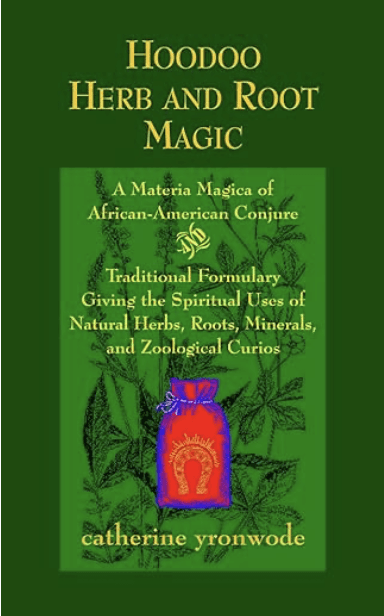
Hoodoo Herb and Root Magic by Catherine Yronwode offers authoritative documentation of black walnut's role in African American folk magic, particularly its use in cord-cutting baths, protective work, and separation spells. Yronwode's research into rootwork traditions is meticulous and culturally grounded.
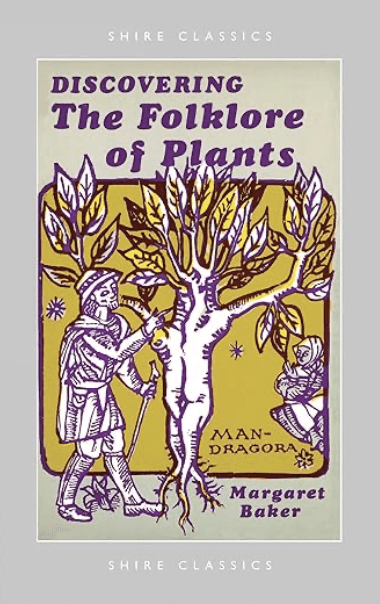
The Folklore of Herbs by Margaret Baker explores European and American folk beliefs surrounding walnut, including protective folklore, symbolic associations, and traditional magical uses that influenced New World practices.
Practical Application
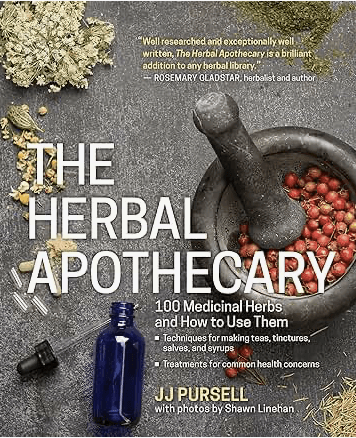
The Herbal Apothecary by JJ Pursell includes practical guidance for preparing black walnut hull tinctures, powders, and external applications, with attention to safety considerations and dosage guidelines.
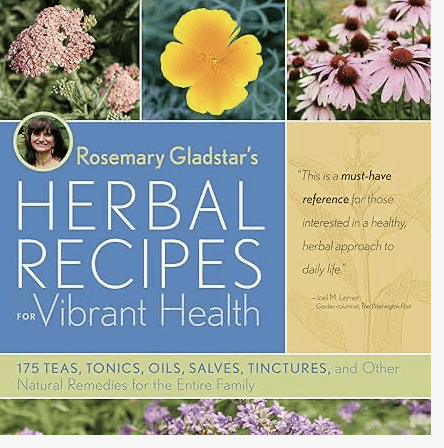
Herbal Recipes for Vibrant Health by Rosemary Gladstar features black walnut in antifungal powder formulations, providing accessible recipes for home herbalists while maintaining respect for the plant's potency.
Safety & Toxicology
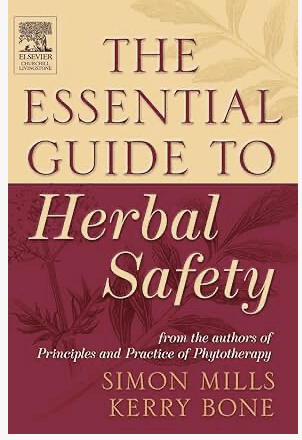
The Essential Guide to Herbal Safety by Simon Mills and Kerry Bone provides crucial information on black walnut's contraindications, potential interactions, and safe usage parameters. Required reading for anyone working with this powerful plant internally.
Affiliate links included. We earn a small commission from purchases at no cost to you.
Educational purposes only. Not medical advice. Consult a healthcare provider before use.
