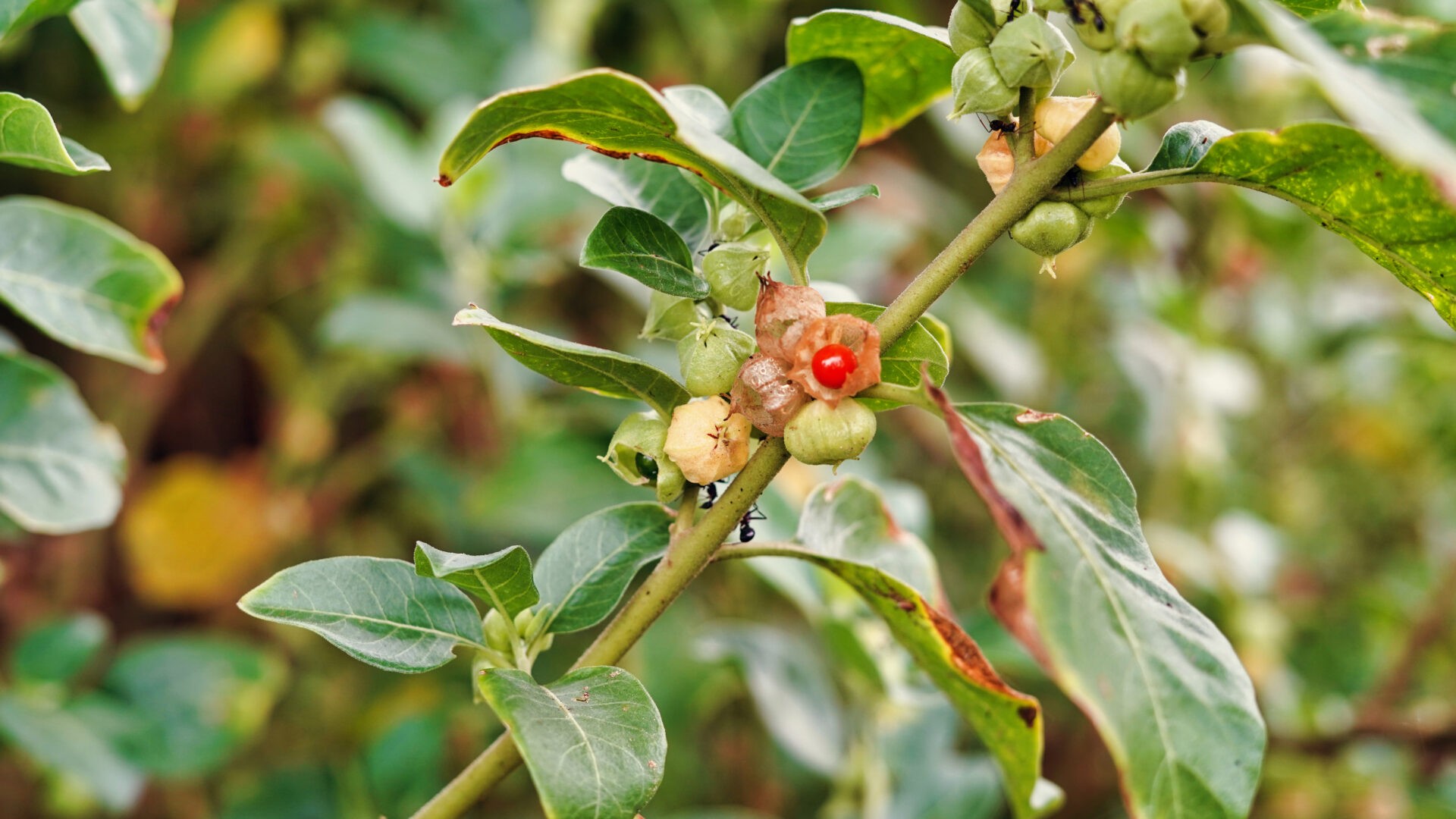
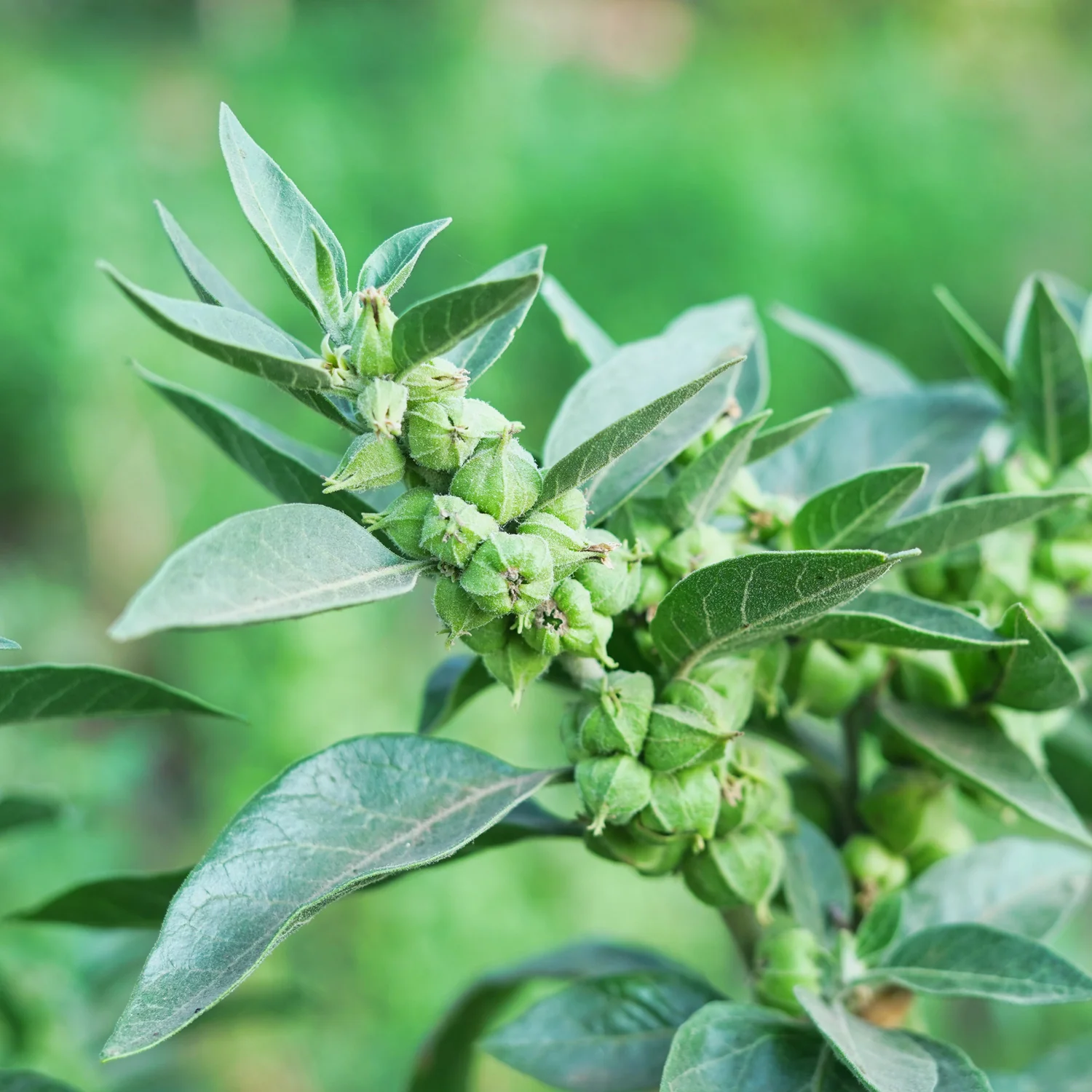
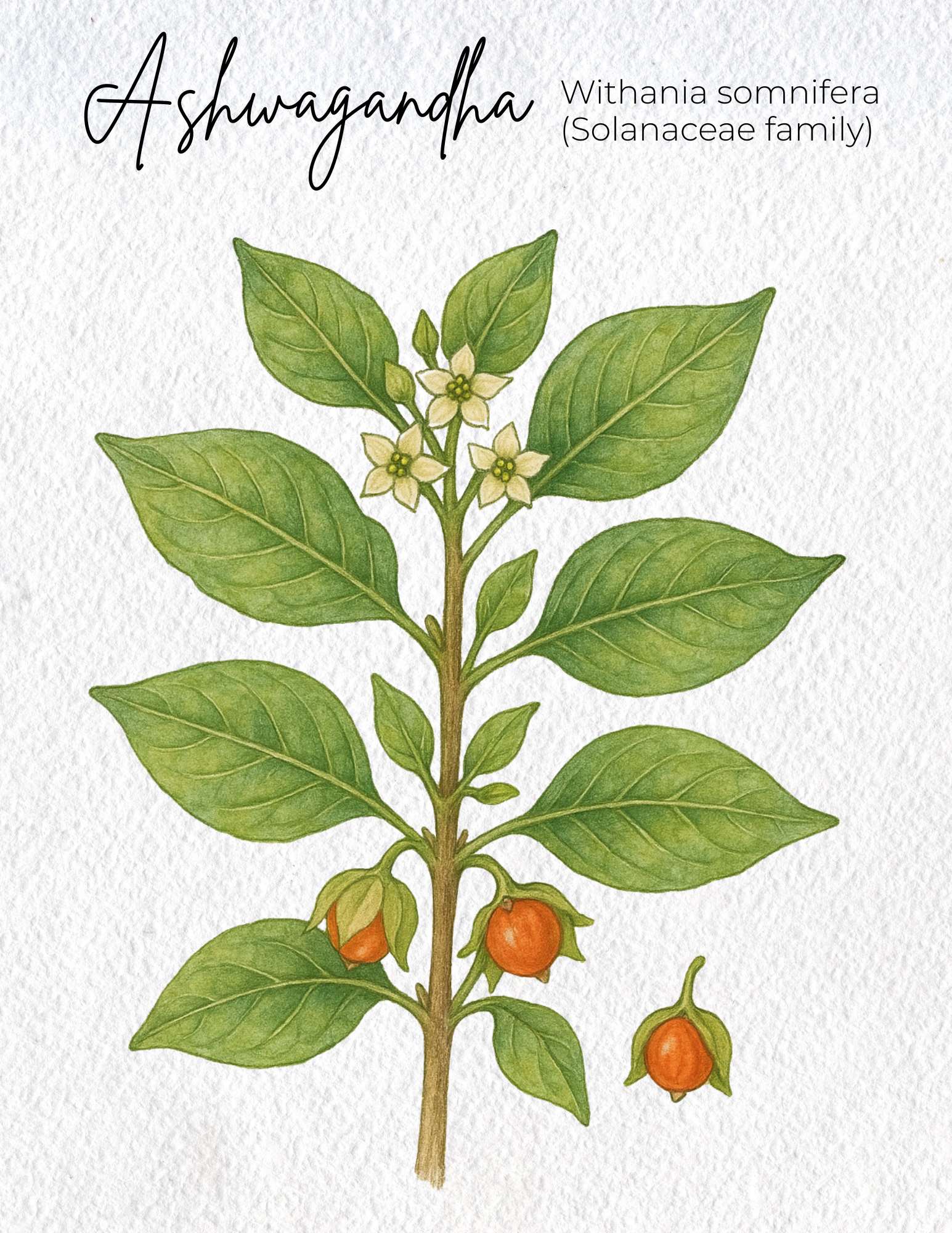
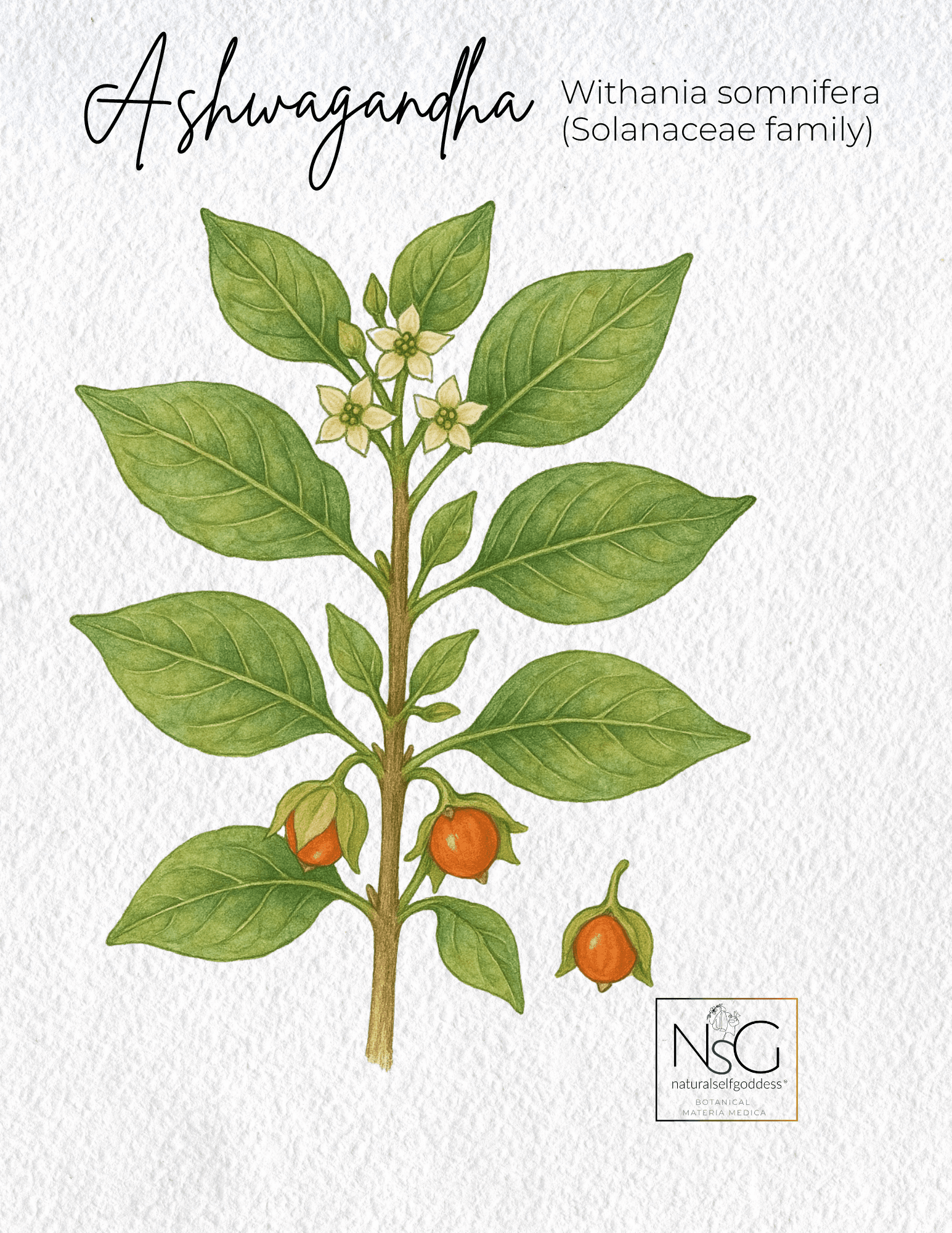
Ashwagandha
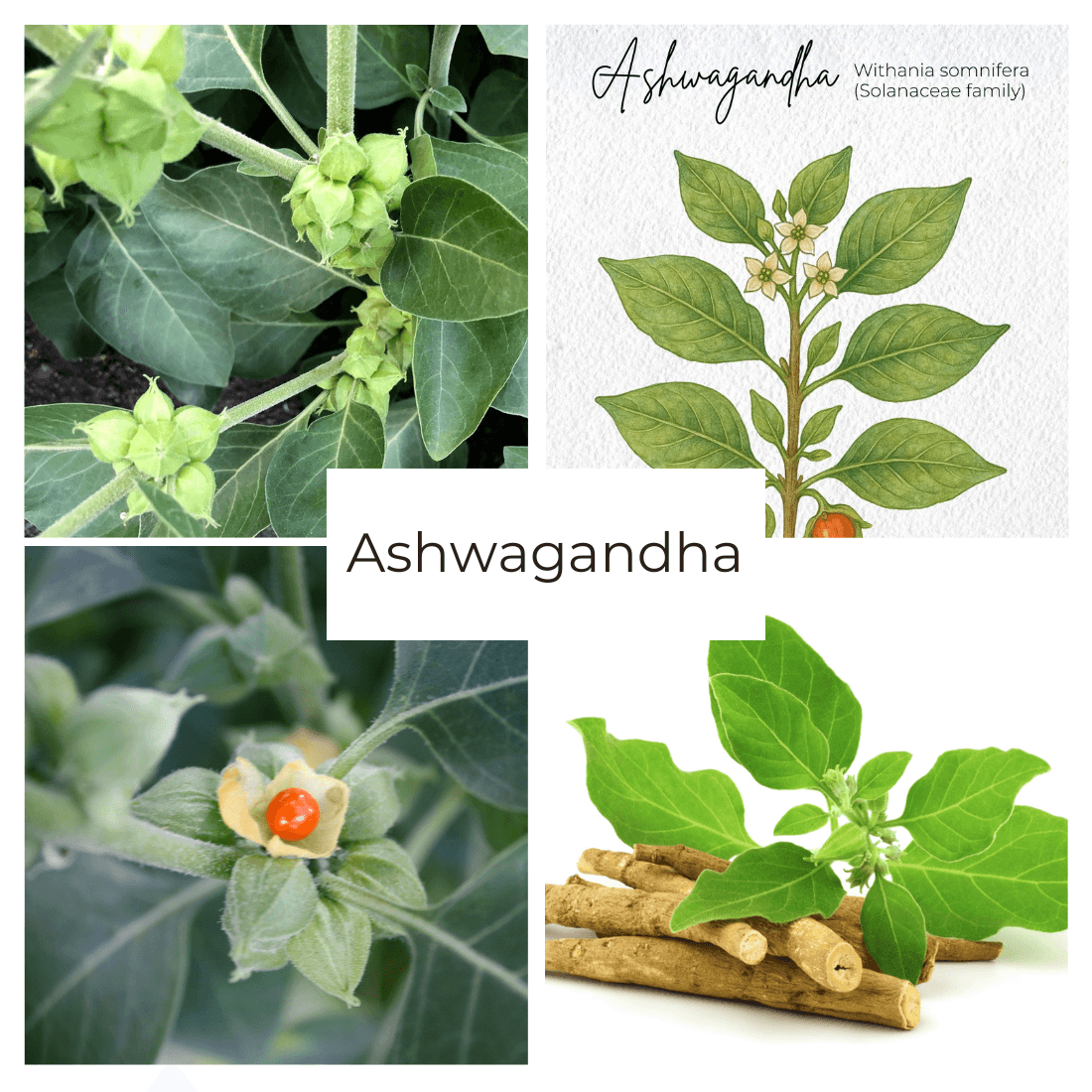
Withania somnifera
Solanaceae (Nightshade Family)
Native Regions & Habitat
Native to: India, Pakistan, Sri Lanka, and Afghanistan; also found naturally in parts of the Middle East, including Yemen and Jordan, and extends into northern Africa, particularly in drier regions of the Mediterranean basin.
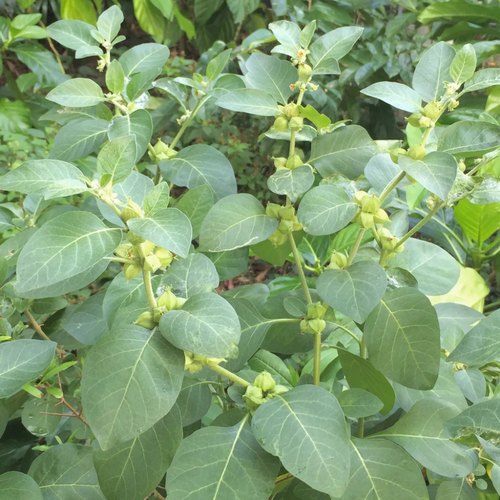
Habitat: Ashwagandha is a hardy shrub that thrives in arid and semi-arid climates, favoring dry, stony, and sandy soils with excellent drainage. It grows naturally in disturbed areas, along roadsides, in open scrublands, and at the edges of cultivated fields. The plant demonstrates remarkable drought tolerance and can withstand poor soil conditions, making it well-adapted to regions with low rainfall and intense sunlight.
It is commonly found at elevations ranging from sea level up to approximately 1,500 meters (5,000 feet) in its native range. In India, it grows wild throughout the drier states, including Rajasthan, Gujarat, Madhya Pradesh, and parts of the Deccan Plateau, where traditional harvesting has occurred for millennia.
Cultivation: While still wildcrafted in some regions, the majority of ashwagandha used commercially today is cultivated, particularly in India, which remains the world's primary producer. Sustainable cultivation practices have become increasingly important as demand has grown, helping to protect wild populations from overharvesting.
Ashwagandha (Withania somnifera)
Essence Overview
Ashwagandha carries the ancient weight of renewal, a root that reaches deep into both earth and tradition. Known as the "strength of the stallion," it has served for millennia as a cornerstone of Ayurvedic medicine, offering resilience when the nervous system frays and vitality when the body's reserves run thin. This is a plant of adaptive power, capable of meeting us where depletion lives and guiding us back toward wholeness.
Energetic & Emotional Profile
Its energy is warm, grounding, and deeply fortifying. Ashwagandha works to calm the restless mind while simultaneously building endurance in the body, a rare combination that speaks to its classification as an adaptogen. It addresses the fatigue that comes from chronic stress, the kind that settles into the bones and refuses to lift. There is a steadying quality here, an invitation to move through overwhelm without collapse, to find strength not through force but through restoration. It encourages the nervous system to release its grip, creating space for both rest and sustained energy to coexist.
Traditional Uses
In Ayurvedic tradition, ashwagandha has been revered as a rasayana, a rejuvenating tonic used to promote longevity, vitality, and mental clarity. It was prescribed to strengthen the body after illness, to support reproductive health, and to calm vata imbalances, which manifest as anxiety, insomnia, and nervous exhaustion. The root was traditionally prepared as a powder mixed with warm milk and honey, consumed before bed to promote deep, restorative sleep and to rebuild tissues worn down by stress or overwork.
Western herbalism has adopted ashwagandha as a premier adaptogen, particularly valued for supporting the adrenal glands, modulating cortisol levels, and enhancing the body's ability to cope with physical and emotional stressors. It has been used to support thyroid function, improve stamina and endurance, ease muscle tension, and promote cognitive function during times of mental fatigue. Modern clinical herbalists often recommend it for individuals experiencing burnout, chronic fatigue, or anxiety disorders, recognizing its ability to both calm and strengthen simultaneously.
The root has also found use in supporting immune function, particularly in those whose resistance has been compromised by prolonged stress, and in promoting balanced energy throughout the day without the overstimulation associated with many energizing herbs.
Safety Considerations
While ashwagandha is generally well tolerated, it is a member of the nightshade family and may not be suitable for individuals with nightshade sensitivities. Those with hyperthyroidism should use caution, as ashwagandha may increase thyroid hormone levels. It is traditionally contraindicated during pregnancy due to its potential effects on uterine tone. Individuals taking sedative medications, thyroid medications, or immunosuppressants should consult with a qualified healthcare practitioner before use. Thoughtful consideration of individual health contexts remains essential.
Tags
adaptogen, stress-support, nervous-system-tonic, restorative-herb, energy-builder, sleep-support, adrenal-support, traditional-ayurvedic-medicine
Herbal Tea Recipe: Ashwagandha Root Tea
Ashwagandha brings an earthy, slightly bitter warmth to the cup. The taste is grounding and mineral-rich, with subtle notes that some describe as horsey or rooty. This is not a delicate tea but rather a restorative brew meant for deep nourishment. It works well when the body feels wrung out from stress and the nervous system needs both calming and strengthening.
Ingredients
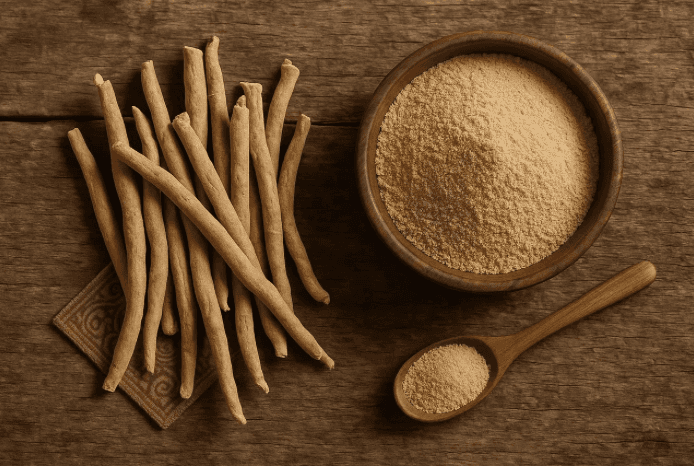
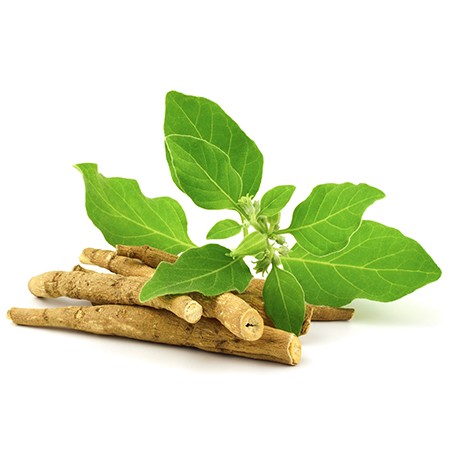
1 teaspoon dried ashwagandha root powder (or 1 tablespoon dried root pieces)
8–10 ounces hot water or warm milk (dairy or plant-based)
Optional additions: a touch of honey, a pinch of cinnamon, cardamom, or nutmeg for warmth and flavor balance
Method
Place the ashwagandha root in a small saucepan.
Add water or milk and bring to a gentle simmer.
Reduce heat and let simmer covered for 10–15 minutes to extract the beneficial compounds.
Strain and pour into a cup.
Add honey and spices if desired. Sip slowly, preferably in the evening.
Notes for Use
Traditionally used as an adaptogenic tonic that may support stress resilience, nervous system balance, and sustained energy. Often prepared with warming spices or combined with other nervine herbs like milky oats or holy basil for a more complex blend. Best taken consistently over time rather than as a single dose.
Safety Considerations
Ashwagandha is generally well tolerated. Individuals who are pregnant, managing hyperthyroidism, or taking sedative or thyroid medications should consult a practitioner before regular use.
Healing Benefits and Preparations
Indications Uses: Support stress resilience, promote restful sleep, enhance stamina and endurance, support thyroid function, ease anxiety, aid in recovery from chronic stress or illness, support cognitive function and memory.
Constituents: Withanolides, alkaloids, saponins, steroidal lactones, iron, amino acids
Healing Duration: Preparations: Tea, Tincture, Powder, Capsules
Dosage: 3–6 grams of root powder daily; 1–2 cups of tea per day; tincture as directed by practitioner
Actions: Adaptogen, Nervine, Tonic, Immune-modulating, Anti-inflammatory
Safety Contraindications: Avoid during pregnancy; use caution with hyperthyroidism and nightshade sensitivities; may interact with sedative, thyroid, or immunosuppressant medications.
Energetics: Warming, grounding, tonifying
Duration: Results may be noticed within 2–6 weeks of consistent use, with deeper benefits emerging over several months
Potency Level: Moderate to strong adaptogenic action
Taste profile: Earthy, slightly bitter, with a subtle sweetness and warming finish.
Growth Habitat: Perennial shrub native to India, the Middle East, and parts of Africa; thrives in dry, subtropical climates with well-drained, sandy soils; prefers full sun.
Harvest notes: Roots are typically harvested after the plant has matured for at least two years, preferably in autumn after the growing season; sustainable cultivation practices are essential to prevent overharvesting of wild populations.
Historical References
Ashwagandha appears throughout Ayurvedic texts dating back over 3,000 years, including the Charaka Samhita and Sushruta Samhita, where it is classified among the most revered rasayanas. Ancient physicians prescribed it for a wide range of conditions, from debility and nervous exhaustion to reproductive weakness and premature aging. Its Sanskrit name translates to "smell of the horse," referring both to the root's distinctive aroma and to the strength and vitality the herb was believed to bestow.
In Unani medicine, a system with roots in ancient Greece and Persia, ashwagandha was similarly valued as a powerful tonic for restoring vigor and balancing the humors. Its use spread across trade routes, becoming integrated into healing traditions throughout the Middle East and North Africa.
Western interest in ashwagandha surged in the late 20th century as research into adaptogens expanded, with scientists investigating its effects on cortisol regulation, neuroprotection, and immune function. Today, it stands as one of the most researched botanicals in modern herbal medicine, bridging ancient wisdom with contemporary clinical application.
Folk and Spiritual Medicinal Uses
In Ayurvedic spiritual practice, ashwagandha has long been associated with ojas, the subtle essence of vitality and immunity that supports both physical health and spiritual clarity. It was used by yogis and meditators to cultivate inner strength, mental focus, and the stamina needed for prolonged spiritual practice. The root was believed to ground the body while opening pathways for deeper states of meditation and contemplation.
In traditional Indian households, ashwagandha was given to children and elders alike as a fortifying tonic, often mixed with ghee and honey to strengthen the constitution and protect against illness. It was considered a plant that not only healed the body but also calmed the mind and steadied the spirit, making it suitable for those recovering from grief, trauma, or prolonged periods of hardship.
Folk healers in rural India would prepare ashwagandha as part of post-childbirth recovery rituals, believing it helped restore the mother's strength and supported lactation. The root was also used in protective rituals, burned as incense or carried in small pouches to ward off negative energies and promote inner peace.
In modern spiritual herbalism, ashwagandha is often used to support grounding practices, particularly for individuals who feel unmoored by anxiety or overstimulation. It is seen as a plant that helps us root down into our own resilience, reminding us that true strength comes not from constant output but from the capacity to rest, restore, and rise again.
Affirmations: "I am grounded in my own strength; I meet life's challenges with calm resilience and steady energy."
Spiritual Ritual Use: Used in grounding rituals, to support meditation and spiritual endurance, and as offerings in practices honoring vitality and ancestral strength.
Gemstones:
Black Tourmaline

Red Jasper

Phase of the Moon:

New Moon for deep rest and renewal; Full Moon for building sustained energy
Chakras:
Root Chakra (Muladhara):
"I AM safe, grounded, and secure."

Sacral Chakra (Svadhisthana):
"I AM creative, passionate, and adaptable."

Vibe Code: Resilience, Strength, Grounding, Restoration
Ashwagandha: Ancient Adaptogen for Modern Stress
Explore the history and healing power of ashwagandha, one of Ayurveda's most treasured herbs for resilience, vitality, and deep restoration in times of stress.
The Herbalist's Library: Ashwagandha
Ashwagandha has earned its place as one of the most studied and revered adaptogens in both traditional and modern herbalism. For those seeking to understand its full scope, from Ayurvedic roots to contemporary clinical research, the following texts offer trusted guidance.
Foundational Herbals
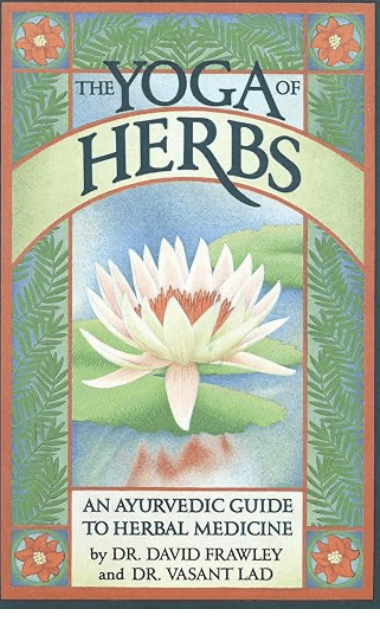
The Yoga of Herbs by Dr. David Frawley and Dr. Vasant Lad remains an essential reference for understanding ashwagandha within the Ayurvedic tradition. Frawley and Lad explore its energetics, therapeutic actions, and traditional formulations, making this text invaluable for those studying herbal medicine through the lens of constitutional balance.
Adaptogens: Herbs for Strength, Stamina, and Stress Relief by David Winston and Steven Maimes provides comprehensive coverage of ashwagandha's role as a premier adaptogen, including dosage guidelines, clinical applications, and safety considerations. Winston's decades of clinical experience inform every recommendation.

Clinical & Scientific Perspectives
For those interested in the biochemical mechanisms behind ashwagandha's effects, Herbal Medicine: Biomolecular and Clinical Aspects, edited by Benzie and Wachtel-Galor offers peer-reviewed research on its withanolides, neuroprotective properties, and immune-modulating actions.

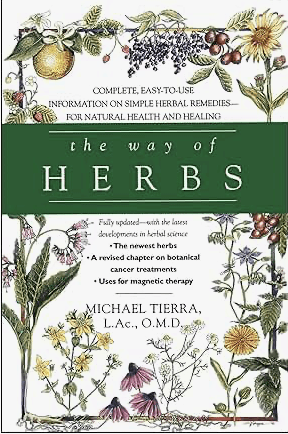
The Way of Herbs by Michael Tierra includes ashwagandha among the great tonic herbs, particularly valued in integrative herbalism for supporting adrenal health and restoring vitality after chronic stress or illness.
Traditional Ayurvedic Texts
For deeper study into ashwagandha's historical and spiritual significance, The Complete Book of Ayurvedic Home Remedies by Dr. Vasant Lad provides accessible guidance on preparing and using ashwagandha in daily life, with attention to individual constitution and seasonal rhythms.
Modern Herbalism
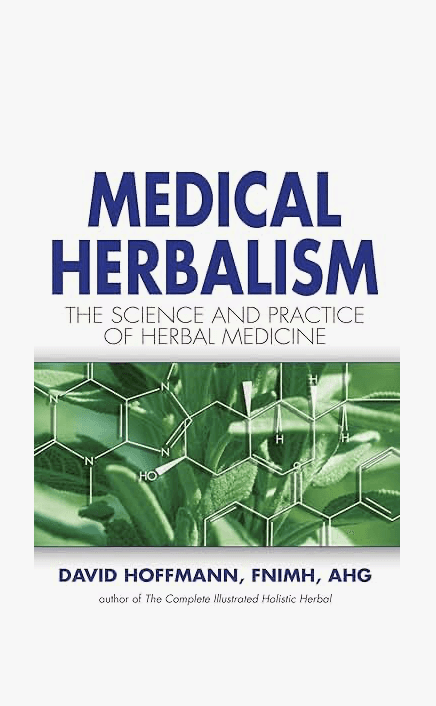
Medical Herbalism: The Science and Practice of Herbal Medicine by David Hoffmann explores ashwagandha's therapeutic applications in Western clinical herbalism, including its use for anxiety disorders, chronic fatigue, and immune support.
Affiliate links included. We earn a small commission from purchases at no cost to you.
Educational purposes only. Not medical advice. Consult a healthcare provider before use.
