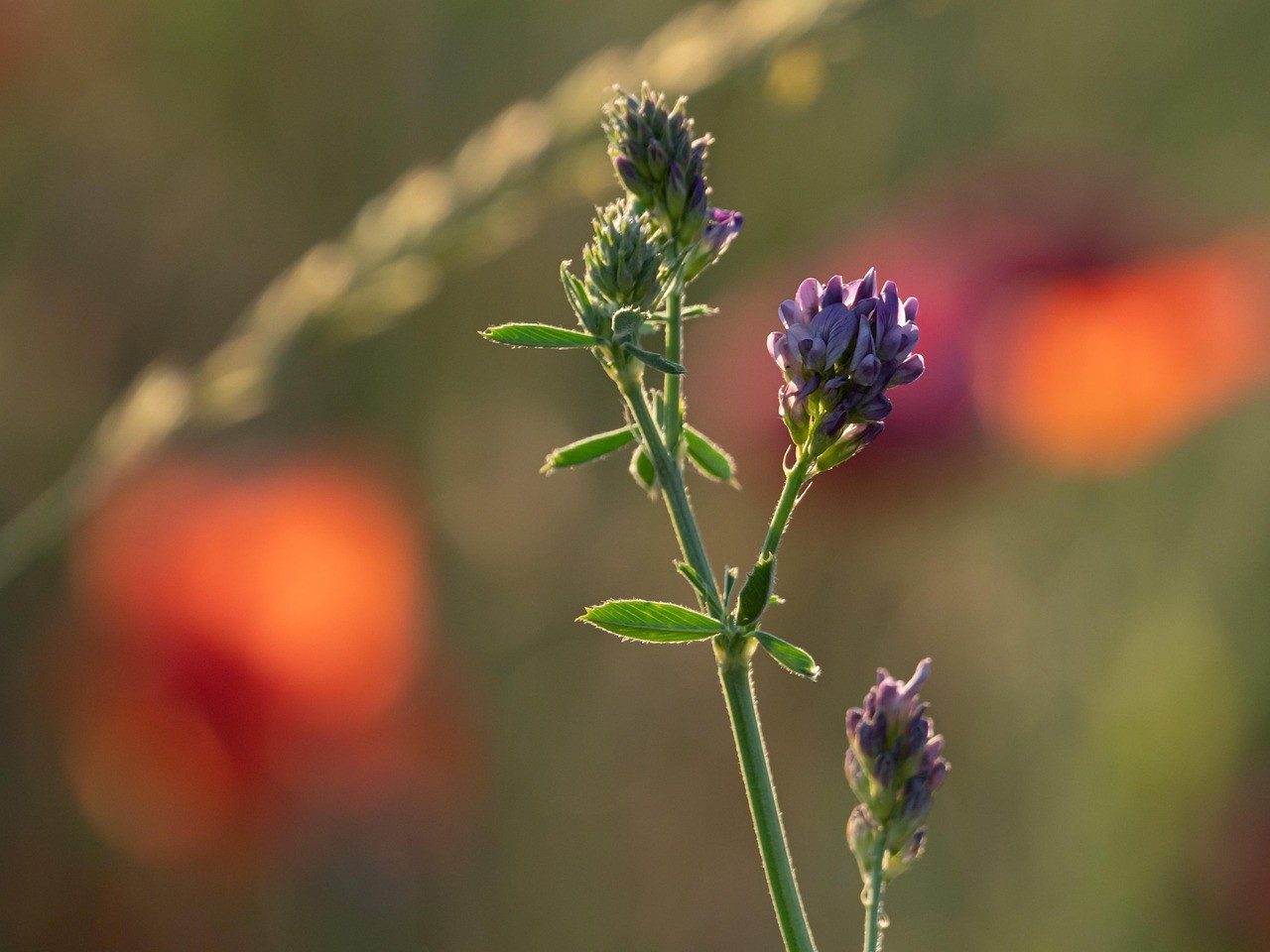
Alfalfa
Medicago sativa
Fabaceae
Originally native to southwestern Asia, particularly Iran and the mountainous regions surrounding the Mediterranean. Now naturalized across North America, Europe, and temperate regions worldwide.
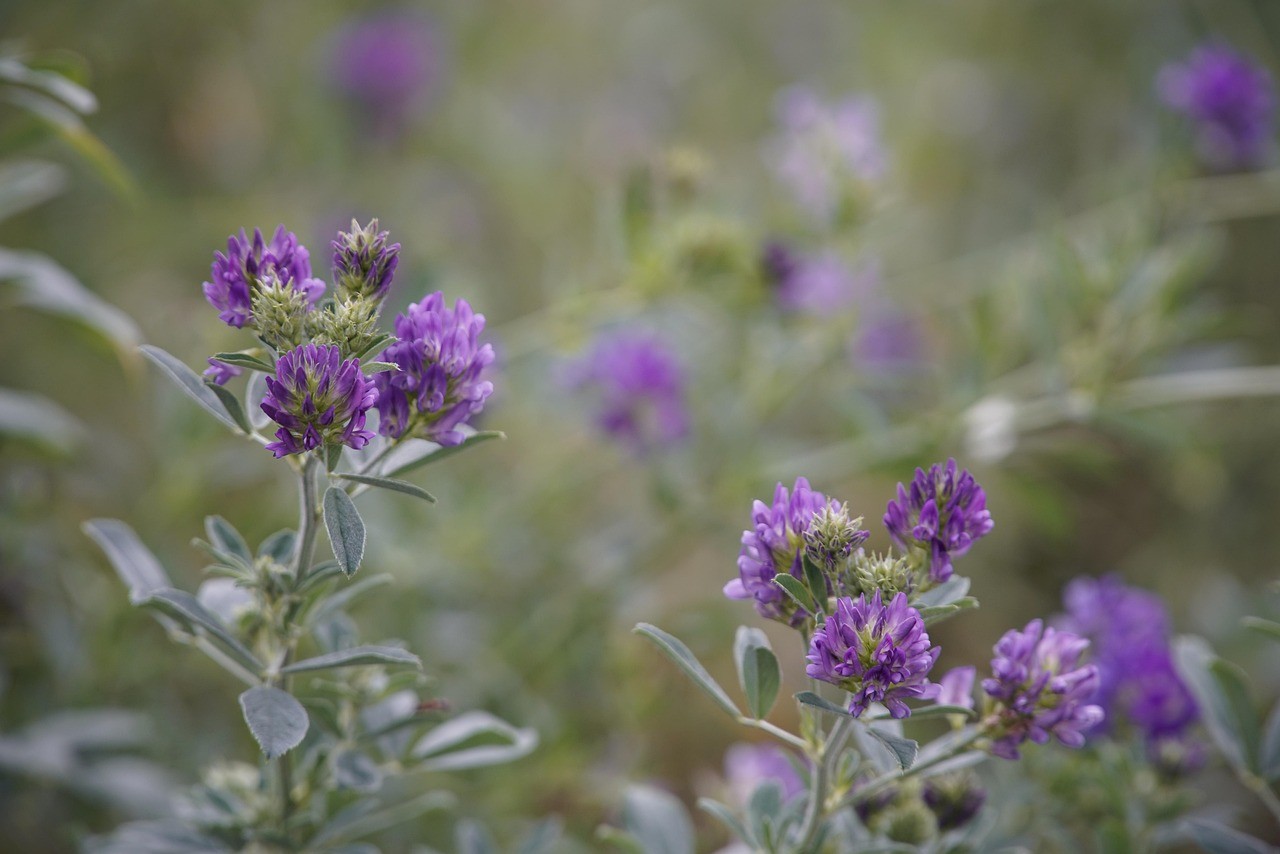
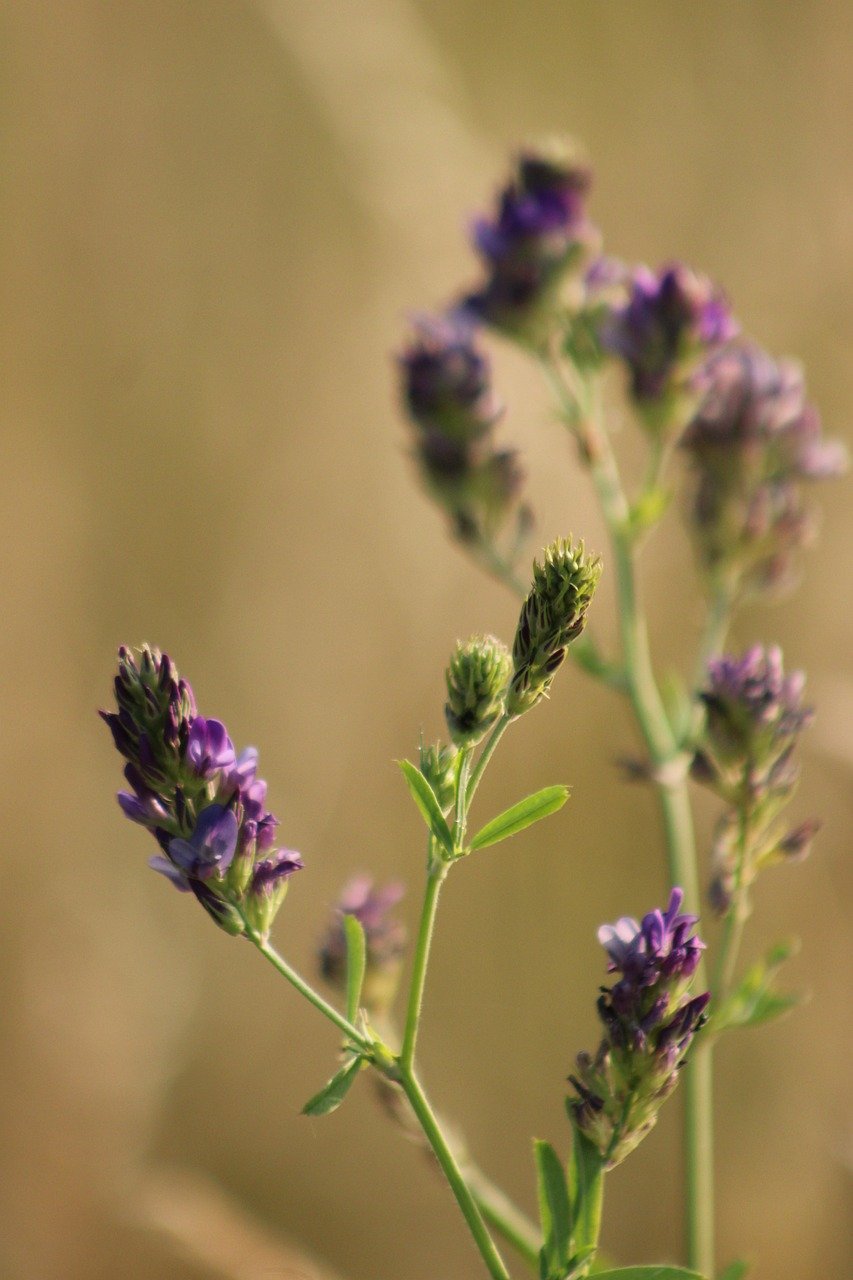
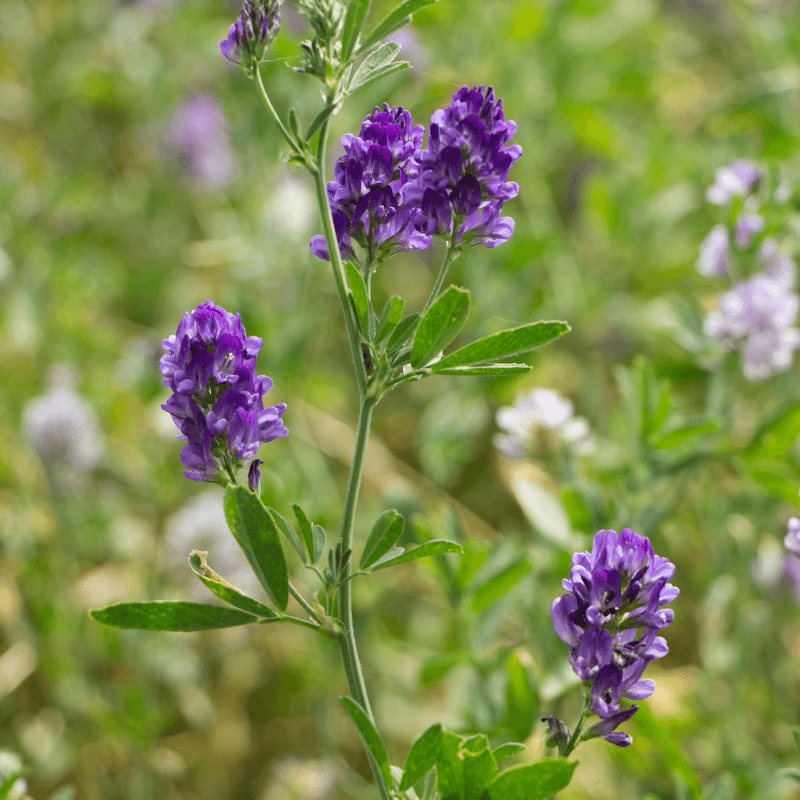
Alfalfa (Medicago sativa)
Essence Overview
Alfalfa offers a quiet, mineral-dense nourishment that works beneath the surface. Known for centuries as a restorative botanical, it brings a grounded steadiness to the body when vitality has been drawn down, and internal reserves need patient rebuilding.
This is a plant of substance, humble in appearance and profound in effect.
Energetic & Emotional Profile
Its energy moves like a slow return to equilibrium. Alfalfa works to replenish what has been depleted, easing the subtle dryness that can settle in both body and spirit after prolonged periods of output.
It encourages a softening around the act of receiving, reminding us that nourishment is not indulgence, but necessary restoration. There is something deeply grounding in its presence, a quality that invites us back into our own center with gentleness and intention.
Traditional Uses
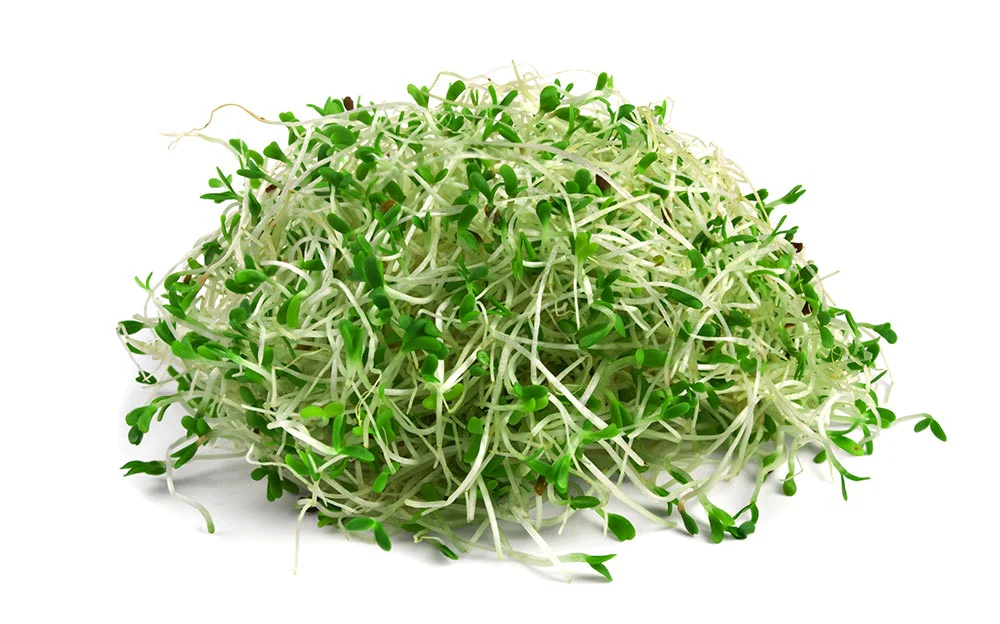
Herbalists have long regarded alfalfa as a nutritive tonic, particularly valued for supporting overall vitality, easing internal dryness, and encouraging balanced digestion. Traditionally prepared as tea, consumed as sprouts, or taken in powdered form, it has been used to restore mineral balance and bring gentle, sustained energy back into the system.
In Appalachian folk herbalism, alfalfa was adopted as a "blood builder" and spring tonic—integrated into practices that emphasized seasonal cleansing and fortification after long winters.
Appalachian herbalists recognized its mineral density and used it to address what they called "tired blood" or general weakness, often combining it with native plants like nettles or dandelion for enhanced vitality. The dried leaf was steeped as a daily tea for those recovering from illness or childbirth, valued for its ability to gently restore without overstimulation.
This adaptation reflected the practical, observational tradition of Appalachian medicine—taking what worked from introduced plants and weaving them thoughtfully into established healing frameworks.
Folk practitioners in these mountain communities saw alfalfa as particularly useful for nursing mothers, elders experiencing frailty, and anyone whose body showed signs of depletion after hard labor or prolonged stress.
Safety Considerations
While alfalfa is generally well-tolerated and considered a gentle herb, those managing autoimmune conditions or taking anticoagulant medications should consult with a qualified healthcare practitioner before use. Thoughtful consideration of individual health contexts remains essential.
Tags
nutritive-tonic, mineral-rich, grounding-herb, gentle-strength, digestive-support, replenishing-plant, moisture-restoring, traditional-remedy
Herbal Tea Recipe: Alfalfa Tea
Alfalfa brings a quiet greenness to the cup. The taste is grassy and mineral-rich, and the infusion has long been valued for gentle nourishment. This tea works well when the body feels depleted and in need of steady plant-based support.
Ingredients
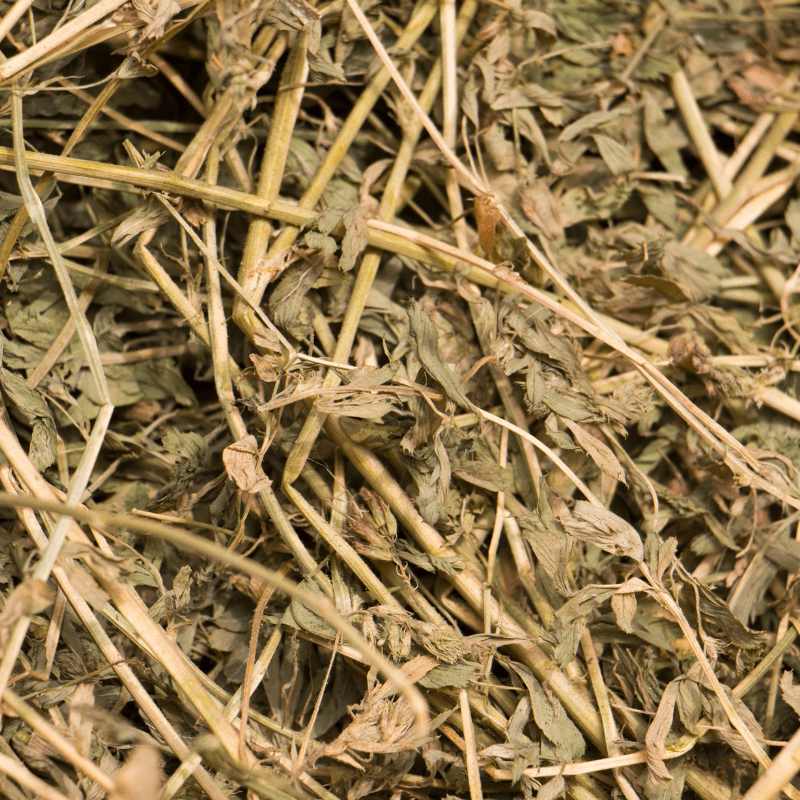
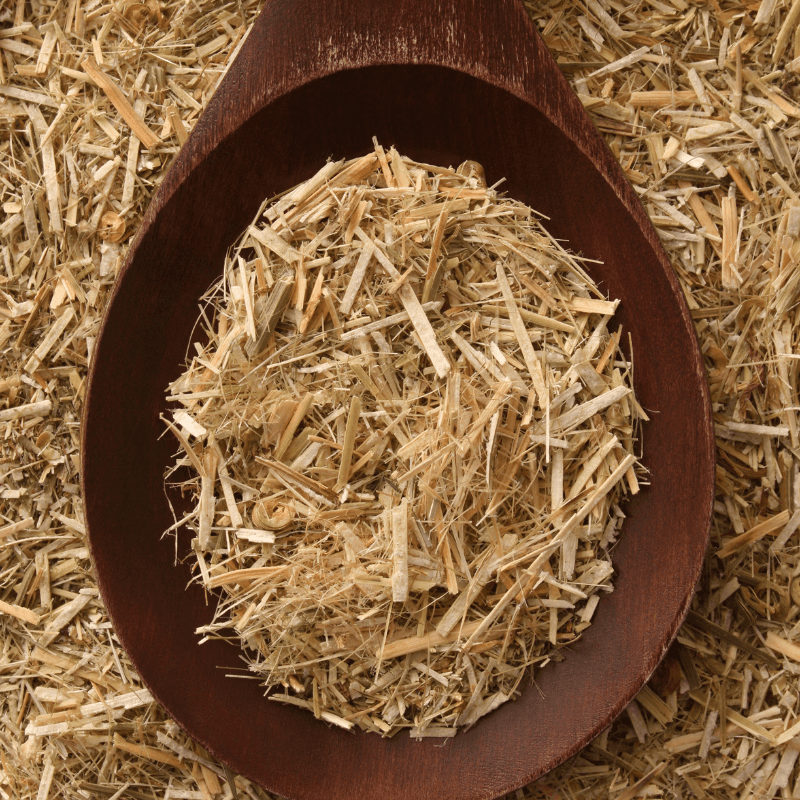
1 tablespoon dried alfalfa leaf
8–10 ounces hot water
Optional additions: a touch of honey, a slice of lemon, or a small pinch of peppermint for brightness
Method
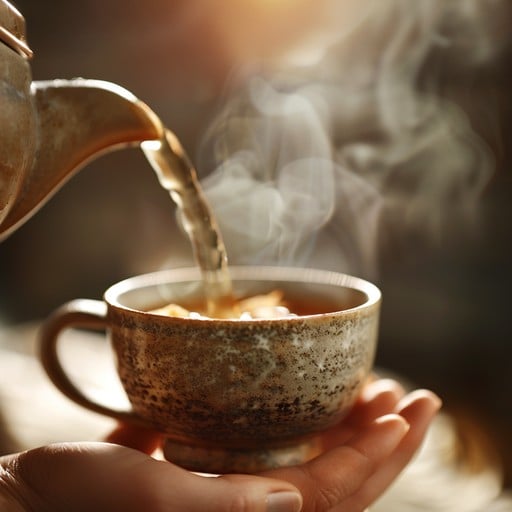
Place the dried alfalfa in a heat-safe cup or teapot.
Pour hot water over the herb. Aim for just under boiling.
Cover and steep for 10–15 minutes. A longer steep brings deeper mineral notes.
Strain and sip slowly.
Notes for Use
Traditionally used as a nutritive tonic that may support energy, mineral replenishment, and general vitality. Often blended with oatstraw, nettle leaf, or peppermint for a more balanced flavor.
Safety Considerations
Alfalfa is generally well tolerated. Individuals managing autoimmune conditions or taking medications that affect blood clotting should consult a practitioner before regular use.
Healing Benefits and Preparations
Indications Uses: Support digestive health, boost immune system, reduce inflammation, promote lactation, aid in detoxification.
Constituents: Vitamins A, C, D, E, K, calcium, potassium, magnesium, phosphorus, proteins, saponins
Healing Duration:
Preparations: Tea, Tincture, Powder, Capsules
Dosage: 2-3 grams of leaf powder; 1-2 cups of tea per day
Actions: Alterative, Nutrient-rich, Diuretic
Safety Contraindications: Avoid in large amounts during pregnancy; may interact with blood-thinning medications.
Energetics: Duration: Results may be noticed within 2-4 weeks of consistent use
Potency Level:
Taste profile: Mild, grassy flavor with a slight nutty aroma.
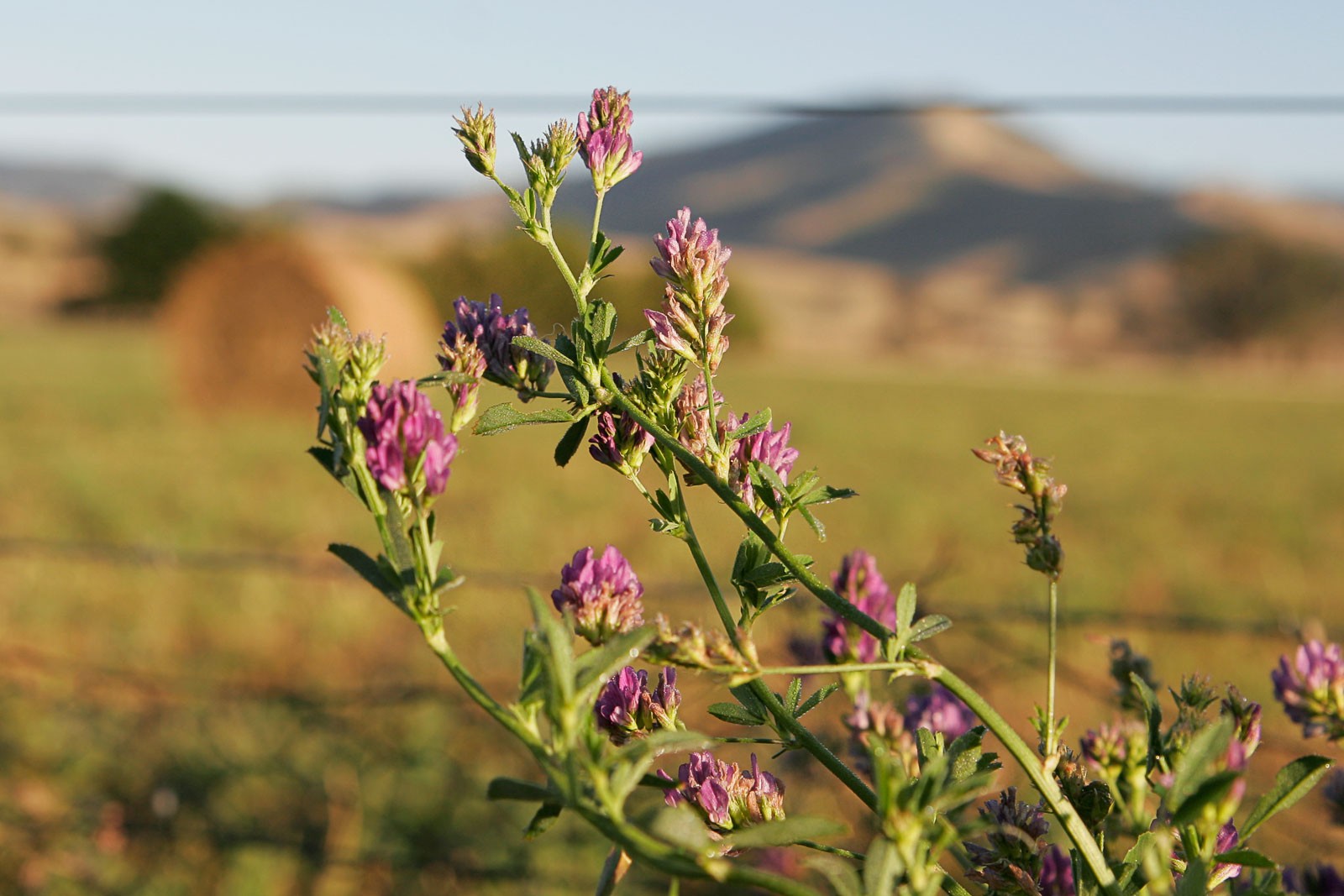
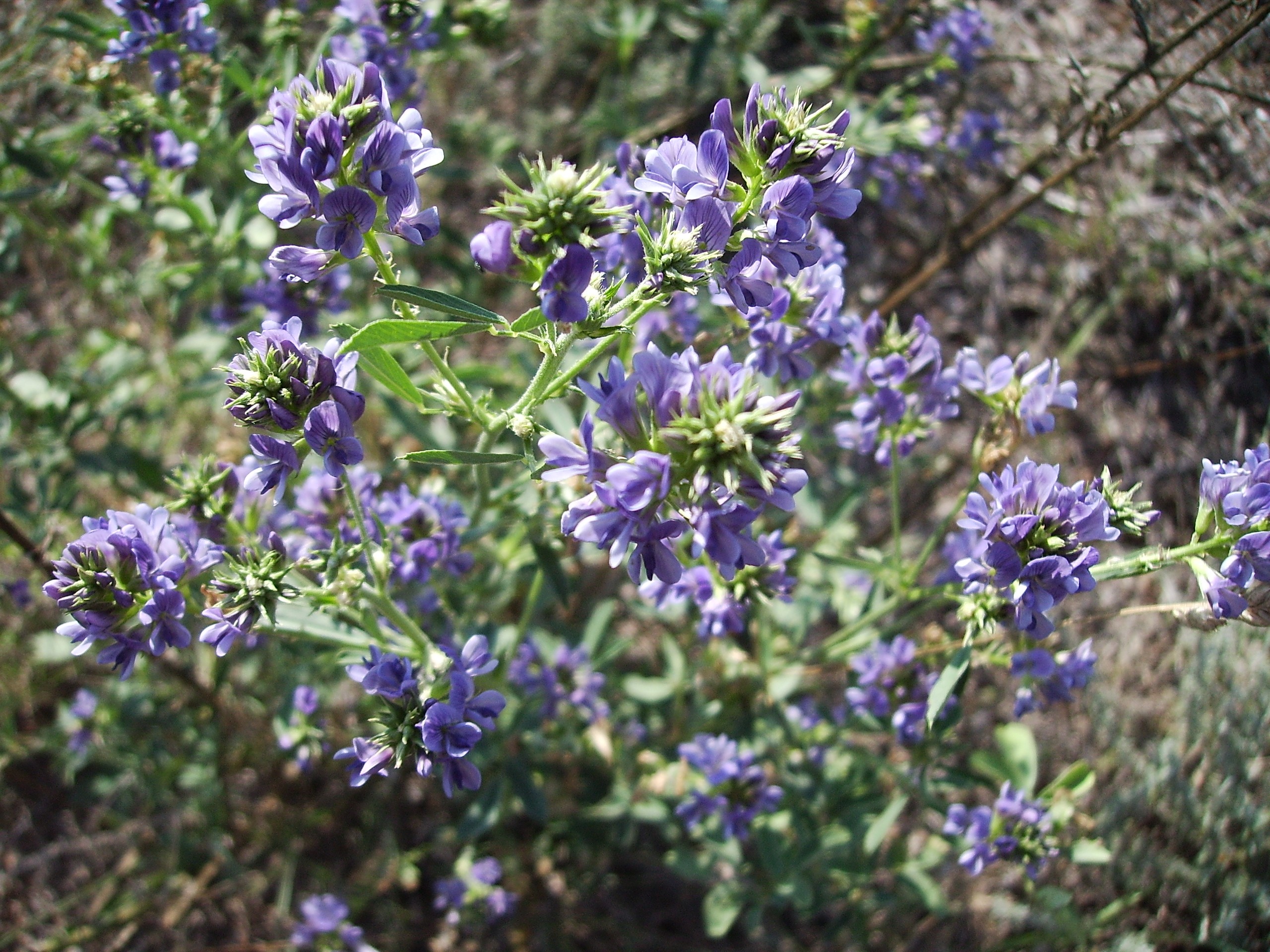
Growth Habitat: Perennial herbaceous plant, thrives in well-drained soils, prefers full sun.
Harvest notes: Harvest leaves just before flowering for the best nutrient content; ensure sustainable practices by not overharvesting.

Historical References
Though alfalfa arrived in North America relatively recently, European herbalists documented similar clovers and mineral-rich legumes for centuries. Nicholas Culpeper noted the cooling, moistening nature of related species, while 19th-century Eclectic physicians in America quickly recognized alfalfa's nutritive density, prescribing it alongside yellow dock and dandelion for what they termed "blood impoverishment." The plant's reputation as a rebuilding tonic spans continents and medical traditions.
Folk and Spiritual Medicinal Uses
In hoodoo and folk magic traditions, alfalfa has long been recognized as a prosperity herb, tucked into mojo bags for financial luck and burned as incense to draw abundance into the home.
Appalachian practitioners would scatter dried alfalfa around property lines to protect livestock and ensure fertile land, while rootworkers placed it in green flannel pouches with coins to "feed" money-drawing work. The plant's deep root system, reaching far into the earth, made it symbolically powerful for grounding wealth and ensuring resources wouldn't run dry. In kitchen witchery, alfalfa sprouts were eaten during waxing moons to internalize growth energy, and the dried herb was added to floor washes before important financial ventures.
Native American and American Indian communities in the Southwest, where alfalfa became naturalized, incorporated it into prayer bundles for herd animals and used it ceremonially to honor the relationship between land fertility and community sustenance. Its essence carries the energy of patient accumulation by the steady building of reserves that sustain through lean times.
Affirmations: "I am nourished by the earth's abundance; I embrace growth and prosperity."
Spiritual Ritual Use: Used in prosperity rituals, for enhancing abundance, and as offerings in gratitude practices.
Gemstones: Green Aventurine
Phase of the Moon: Waxing Moon for growth and abundance rituals

Vibe Code: Abundance, Growth, Nurture, Vitality
Alfalfa: The Forgotten Superfood
Discover the hidden benefits of the Alfalfa Herb which traveled globally as the Father of Food, used by Indigenous and Native American Indians to nourish and revive the body.
The Herbalist's Library: Alfalfa
Alfalfa has been valued across centuries and continents as a plant of deep nourishment and quiet resilience. For those seeking to understand its full scope. From mineral composition to folk magic—the following texts offer trusted guidance.
Foundational Herbals
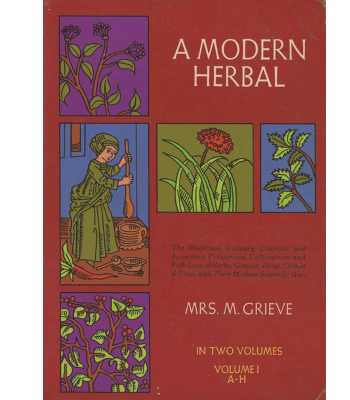
A Modern Herbal by Mrs. M. Grieve remains an essential reference, documenting alfalfa's adoption into Western herbalism and its traditional use as a nutritive tonic for weakness and depletion. Grieve's work bridges folk observation with early clinical understanding, making it invaluable for those studying how herbs moved from field to apothecary.
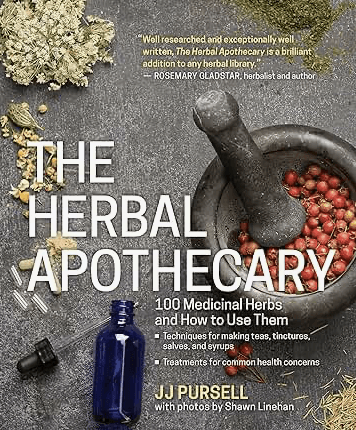
The Herbal Apothecary by JJ Pursell provides practical formulation guidance, including how to prepare alfalfa as tea, tincture, and powder. Pursell's approach honors tradition while offering clear, accessible instruction for modern practitioners.
Folk & Spiritual Traditions
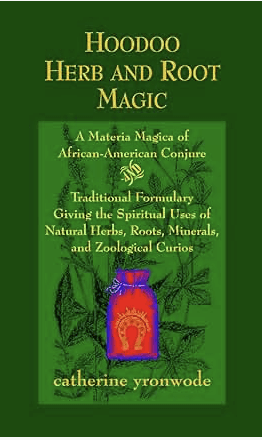
For those drawn to alfalfa's role in prosperity work and folk magic, Hoodoo Herb and Root Magic by Catherine Yronwode explores its use in money-drawing rituals and mojo bags. Yronwode's meticulous research into rootwork traditions makes this an authoritative source for spiritual herbalism.
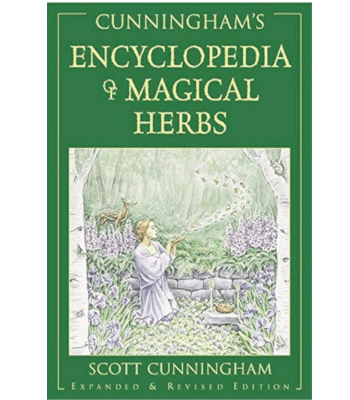
Cunningham's Encyclopedia of Magical Herbs by Scott Cunningham offers a broader view of alfalfa's place in kitchen witchery and abundance rituals, with practical suggestions for integrating it into daily practice.
Nutritive & Clinical Perspectives
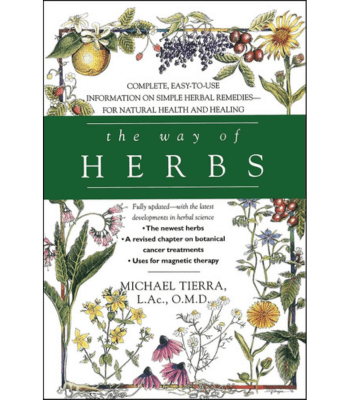
The Way of Herbs by Michael Tierra includes alfalfa among the great nutritive tonics, particularly valued in Traditional Chinese Medicine-influenced Western herbalism for building blood and restoring vitality after illness or childbirth.
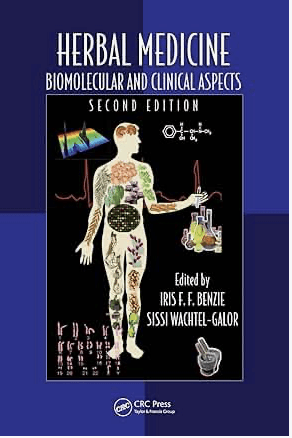
For a deeper dive into the plant's biochemical constituents and therapeutic applications, Herbal Medicine: Biomolecular and Clinical Aspects, edited by Benzie and Wachtel-Galor provides peer-reviewed research on alfalfa's saponins, minerals, and phytonutrients.
Foraging & Cultivation
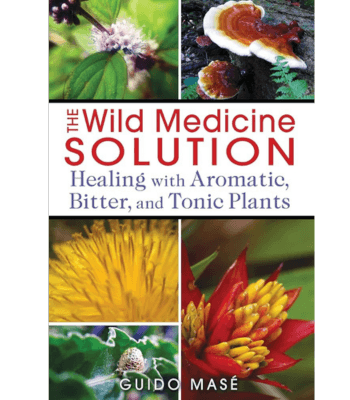
The Wild Medicine Solution by Guido Masé explores alfalfa within the context of naturalized plants that have become part of regional food and medicine systems, with attention to ethical wildcrafting and sustainable use.
*Affiliate links included. We earn a small commission from purchases at no cost to you.
Educational purposes only. Not medical advice. Consult a healthcare provider before use.
