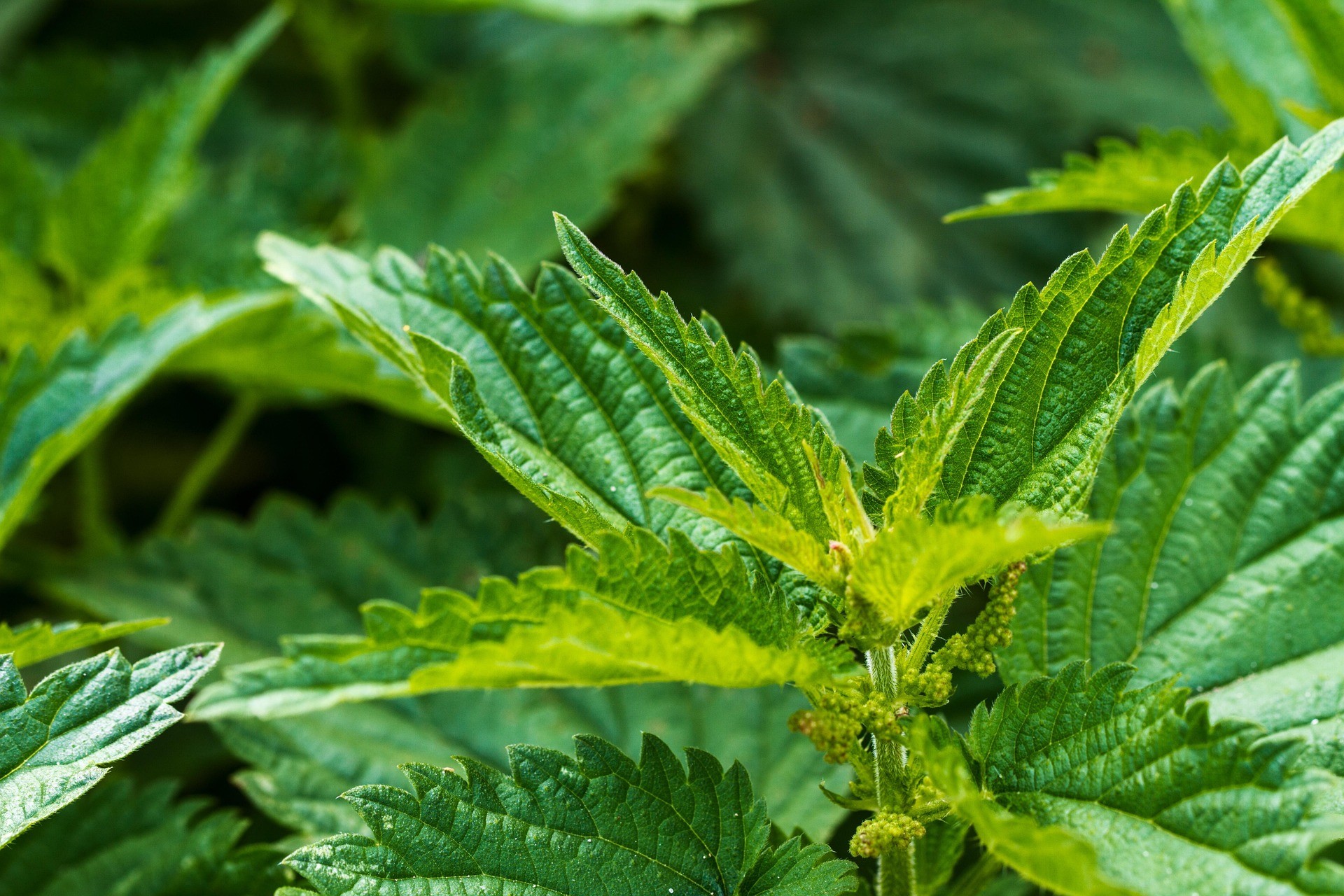
Stinging Nettle
Urtica dioica
Urticaceae (Nettle family)
Native to Europe, Asia, North Africa, and North America. Thrives in nitrogen-rich soils along streams, forests, disturbed ground, and meadows.
Stinging Nettle (Urtica dioica)
Essence Overview
Stinging nettle arrives with a paradox held in each leaf. What burns on contact becomes profound nourishment within. This is a plant that asks for respect before offering its gifts, a teacher of boundaries that ultimately dissolves internal barriers to vitality. Nettle doesn't whisper, it declares itself through formic acid and then rebuilds what depletion has worn thin.
Energetic & Emotional Profile
Nettle's energy is direct and clarifying. It cuts through stagnation, moves what has settled too long in the tissues, and brings fresh mineral-rich blood to depleted reserves. There is something fiercely protective in nettle's sting, a reminder that true nourishment sometimes requires us to slow down, pay attention, and approach with care. Once that relationship is established, nettle becomes one of the most generous allies in the plant world. It teaches us that defensiveness can transform into sustenance, that what pricks us awake may be exactly what we need.
Traditional Uses
Herbalists across continents have regarded stinging nettle as a supreme tonic herb, particularly valued for building blood, supporting kidney function, relieving seasonal allergies, and strengthening hair and nails. Traditionally prepared as nourishing infusions, cooked greens, nettle soup, or dried for winter teas, it has been used to address anemia, support lactation, ease arthritis, and tonify the entire system. The root has been employed specifically for prostate health, while the seeds were valued as a kidney restorative.
In European folk medicine, nettle was fundamental to spring tonics, beaten into the skin to relieve rheumatic pain (a practice called urtication), and woven into textiles before cotton became widespread. Traditional herbalists recognized nettle as particularly valuable during pregnancy, postpartum recovery, and for elders experiencing mineral depletion. The plant was also used in beer brewing before hops became standard, and young shoots were eaten as one of the first wild greens after winter's scarcity.
Safety Considerations
While stinging nettle is generally safe and well-tolerated, those with kidney disease, heart conditions, or diabetes should consult a healthcare practitioner before use, as nettle can affect fluid balance and blood sugar. Pregnant individuals should avoid nettle root and large amounts of nettle seed, though nettle leaf tea is traditionally considered safe during pregnancy. The fresh plant must be handled with gloves or blanched to neutralize stinging hairs. Those taking diuretics, blood pressure medications, or blood thinners should seek professional guidance.
Tags
nutritive-tonic, mineral-rich, blood-builder, kidney-support, anti-inflammatory, seasonal-allergies, hair-health, spring-green, wildcrafted-nourishment
Tea Recipes
Herbal Tea Recipe: Nettle Nourishing Infusion
Nettle transforms in hot water from defensive to deeply giving. This is not a quick tea but a mineral-rich infusion that asks for time. The result is a dark green liquid with an earthy, slightly hay-like flavor that speaks of fields and vitality. This preparation maximizes nettle's nutritional profile, extracting minerals, vitamins, and chlorophyll into a potent tonic.
Ingredients
1 ounce (approximately 1 cup) dried nettle leaf
1 quart (32 ounces) boiling water
Optional additions: fresh lemon juice, a touch of honey, or a sprig of fresh mint
Method
Place the dried nettle leaf in a quart-sized glass jar.
Pour boiling water over the herb, filling the jar completely.
Cap tightly and let steep for 4–8 hours, or overnight. The long infusion extracts maximum minerals and nutrients.
Strain through a fine mesh strainer or cheesecloth, pressing the herbs to extract all liquid.
Drink at room temperature or gently warmed. Store refrigerated for up to 48 hours.
Notes for Use
This preparation is traditionally used as a daily nutritive tonic, particularly valued during pregnancy, postpartum, for addressing anemia, supporting hair and nail health, and seasonal allergy relief. Many herbalists recommend drinking 2–4 cups daily for several weeks to experience nettle's full restorative effects. The long infusion creates a concentrated mineral drink, different from a quick tea steep.
Can be combined with oatstraw, red raspberry leaf, or alfalfa for a comprehensive mineral infusion.
Safety Considerations
Nettle leaf infusion is generally safe for most people. Those with kidney disease, heart conditions, or taking diuretics should consult a practitioner. The long infusion creates a more potent preparation than standard tea.
Healing Benefits and Preparations
Indications Uses: Build blood and address anemia, support kidney and urinary function, relieve seasonal allergies and hay fever, reduce inflammation in arthritis and joint pain, support healthy hair and nail growth, tonify during pregnancy and postpartum, promote prostate health (root), restore adrenal function, ease eczema and skin conditions.
Constituents: Rich in iron, calcium, magnesium, potassium, silica, vitamins A, C, K, B-complex, chlorophyll, flavonoids, carotenoids, tannins, formic acid (in fresh plant).
Healing Duration: For chronic conditions like anemia, allergies, or joint pain, consistent use for 6–12 weeks often shows significant results. For acute allergies, effects may be noticed within days to weeks.
Preparations: Long infusion (nourishing), tea, tincture, freeze-dried capsules, cooked greens, soup, nettle pesto, root decoction, powdered leaf.
Dosage:
Nourishing infusion: 1 quart daily
Tea: 2–3 cups daily
Tincture (leaf): 2–4 mL three times daily
Tincture (root): 2–3 mL three times daily
Freeze-dried capsules: Follow manufacturer guidelines (typically 300–500 mg, 2–3 times daily)
Actions: Nutritive tonic, anti-inflammatory, antihistamine, diuretic, alterative, astringent, galactagogue, hemostatic.
Safety Contraindications: Avoid nettle root and large amounts of seed during pregnancy. Those with kidney disease, heart conditions, fluid retention issues, or taking blood pressure medications, diuretics, or anticoagulants should consult a practitioner. Fresh plant causes stinging, must be blanched or dried before internal use.
Energetics: Cooling, drying, nourishing. Particularly suited for conditions of heat and dampness with underlying depletion.
Potency Level: Moderate to strong, depending on preparation. Long infusions are more potent than quick teas.
Taste profile: Earthy, slightly grassy, mineral-rich with mild astringency. Fresh cooked greens taste similar to spinach with a richer, more complex flavor.
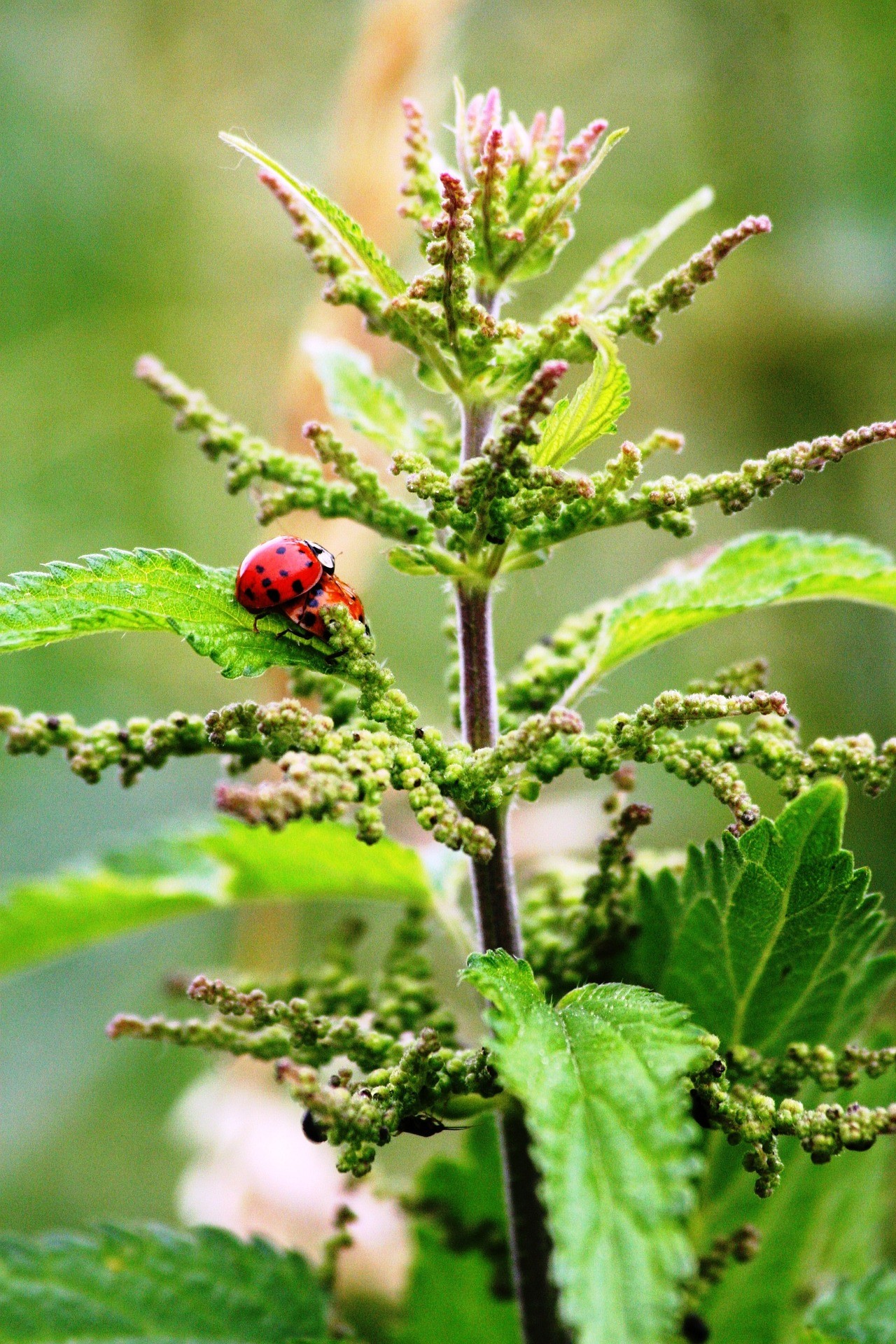
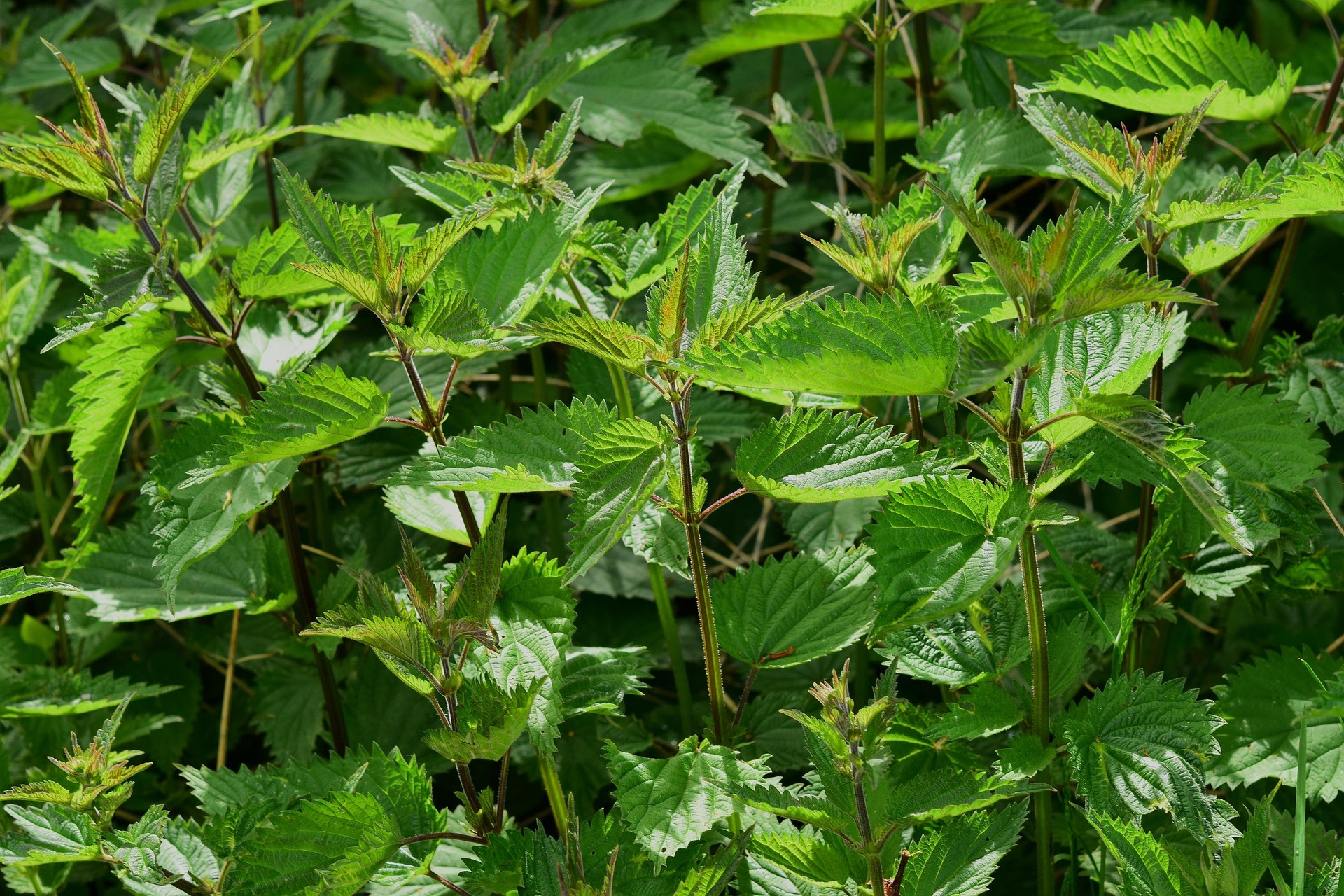
Growth Habitat: Perennial plant growing 3–7 feet tall in nitrogen-rich, moist soils. Prefers partial shade to full sun. Spreads via rhizomes, forming dense colonies. Found along stream banks, forest edges, disturbed ground, and cultivated gardens worldwide.
Harvest notes: Harvest young leaf tips in spring before flowering for food and medicine. Wear gloves to protect from stinging hairs. Cut the top 4–6 inches of growth. For fiber, harvest mature stalks in late summer. Roots are dug in fall or early spring. Leave enough plants to regenerate. Nettle readily resprouts after cutting. Dry leaves away from direct sunlight to preserve color and nutrients.

Historical References
Nettle's presence in human culture extends back thousands of years, woven into food, medicine, textile, and ritual across continents. Archaeological evidence reveals nettle fiber cloth from Bronze Age Denmark, and Roman soldiers reportedly carried nettle seeds to stay warm in Britain's cold climate by flogging themselves with the fresh plant to stimulate circulation.
Medieval European herbalists considered nettle essential medicine. The 10th-century Anglo-Saxon Nine Herbs Charmnamed nettle among sacred healing plants. Nicholas Culpeper, in his 17th-century herbal, praised nettle as "the most profitable of all green herbs," documenting its use for everything from nosebleeds to joint pain, kidney stones to scurvy.
In Traditional European Medicine, nettle featured prominently in spring tonics designed to "renew the blood" after winter's preserved foods. The practice of urtication, deliberately applying fresh nettle to arthritic joints, persisted into the 20th century across rural Europe, with practitioners claiming significant pain relief from the inflammatory response triggered by the sting.
The Eclectic physicians of 19th-century America, who bridged folk herbalism and clinical practice, documented nettle extensively for uterine hemorrhage, profuse menstruation, and as a nutritive during pregnancy. They particularly valued the root for urinary difficulties, noting its gentle but effective action on the prostate.
Nettle's role extended beyond medicine into survival. During World War I, when cotton became scarce, both Germany and Austria revived nettle textile production, harvesting wild stands to manufacture military uniforms and medical supplies. The plant's strong fiber had clothed humans for millennia before cotton became widespread, a fact largely erased from collective memory until scarcity forced its rediscovery.
Folk and Spiritual Medicinal Uses
In European folk magic, nettle served as powerful protective medicine. Bundles of dried nettle were hung in doorways and windows to turn back curses and malevolent energy, while fresh nettle scattered around the home perimeter created an energetic boundary against unwelcome intrusions. The plant's fierce sting was seen as defensive magic made manifest.
Russian folk tradition held that nettle gathered at sunrise on Ivan Kupala (summer solstice) possessed especially potent protective qualities. Woven into wreaths or tucked into clothing, it warded against dark magic and brought courage to the wearer. In Scotland, nettle was considered a plant of Mars, associated with warriors and the strength to face conflict directly.
Nettle featured in divination practices across Northern Europe. Young women would pull nettle plants from the ground, examining the roots to divine the character of future partners. Thick, strong roots indicated a robust, reliable spouse, while tangled roots suggested complications. In some traditions, the number of root offshoots predicted the number of children to come.
In folk healing, nettle was seen as a plant that "wakes up" the body. Its sting forced attention, brought blood to the surface, and cleared stagnation. This philosophy extended to spiritual practice, where nettle was used in purification rituals to "sting away" energetic lethargy and restore vital force. Nettle baths were taken before important undertakings to sharpen focus and fortify will.
Appalachian folk practitioners recognized nettle as a "spring bitter" that cleared winter's accumulation from the body. The first nettle greens of spring were eaten ceremonially, acknowledging the plant's role in seasonal renewal. Nettle tea was given to those experiencing spiritual malaise or lack of direction, believed to restore clarity and purpose alongside physical vitality.
In contemporary herbalism with spiritual dimensions, nettle is associated with boundary work, helping individuals establish healthy limits while remaining nourished and connected. Its medicine is called upon when someone needs to be simultaneously protected and open, defended yet receptive.
Affirmations: "I am fortified from within. I set boundaries that protect my vitality. I transform what stings into strength."
Spiritual Ritual Use: Protective bundles, purification baths, courage talismans, boundary-setting ceremonies, spring renewal rituals, energetic cleansing.
Gemstones: Bloodstone, Green Aventurine, Malachite
Phase of the Moon: Waxing Moon for building strength, Full Moon for protection work
Vibe Code: Protection, Vitality, Boundaries, Renewal, Fortification, Clarity
Stinging Nettle: The Spring Tonic That Builds Blood
Discover why stinging nettle transforms from fierce defender to profound nourisher. Learn traditional harvesting methods, preparation techniques for maximum mineral extraction, and how Indigenous peoples and European herbalists relied on this plant as foundational medicine for vitality, blood building, and seasonal renewal.
YouTube Link:
The Herbalist's Library
The Herbalist's Library: Stinging Nettle
Nettle's reputation as a foundational nutritive and restorative herb spans centuries of herbal literature. For those seeking to understand its full therapeutic potential, from mineral density to energetic signatures, the following texts provide comprehensive guidance rooted in traditional wisdom and contemporary research.
Foundational Herbals
The Earthwise Herbal, Volume I: A Complete Guide to Old World Medicinal Plants by Matthew Wood offers profound insight into nettle's traditional uses across European and North American practice. Wood's focus on energetic signatures and constitutional patterns makes this essential reading for understanding how nettle works on deeper levels beyond biochemistry.
Medical Herbalism: The Science Principles and Practices Of Herbal Medicine by David Hoffmann provides clinical depth on nettle's actions as an anti-inflammatory, antihistamine, and nutritive tonic. Hoffmann bridges traditional use with modern research, making this valuable for practitioners seeking evidence-based applications.
Healing Wise by Susun Weed (2003) devotes significant attention to nettle as one of the supreme nourishing herbs, with detailed instructions for long infusions and incorporation into daily life. Weed's approach emphasizes nettle's role in women's health, particularly during pregnancy and menopause.
Nutritive & Clinical Perspectives
The Modern Herbal Dispensatory: A Medicine-Making Guide by Thomas Easley and Steven Horne (2016) offers practical formulation guidance, including how to prepare nettle as nourishing infusions, tinctures, and in combination with other herbs for specific conditions. Their contemporary approach honors tradition while addressing modern health challenges.
The Herbal Medicine-Maker's Handbook: A Home Manual by James Green provides detailed instruction on harvesting, drying, and preparing nettle in various forms, from fresh juice to freeze-drying. Green's emphasis on quality and proper technique ensures maximum therapeutic benefit.
Foraging & Food
The Forager's Harvest: A Guide to Identifying, Harvesting, and Preparing Edible Wild Plants by Samuel Thayer (2006) includes excellent coverage of nettle as wild food, with specific guidance on identification, safe harvesting, and culinary preparation. Thayer's expertise makes this essential for those approaching nettle through foraging.
Braiding Sweetgrass: Indigenous Wisdom, Scientific Knowledge, and the Teachings of Plants by Robin Wall Kimmerer (2013) weaves Indigenous perspectives on reciprocal relationship with plants, including nettle's role in traditional food systems and the ethics of wildcrafting. Kimmerer's work deepens understanding of sustainable harvest practices.
Folk & Ethnobotanical Traditions
Nettle: Culinary Uses and Recipes by Henriette Kress provides historical documentation of nettle's role in European foodways, from soup to beer to textile fiber. The book explores how nettle sustained communities through scarcity and abundance alike.
Sacred Plant Medicine: The Wisdom in Native American Herbalism by Stephen Harrod Buhner offers context on nettle's role in Indigenous North American medicine, particularly among Pacific Northwest tribes who used it for fiber, food, and healing.
Affiliate links included. We earn a small commission from purchases at no cost to you.
Educational purposes only. Not medical advice. Consult a healthcare provider before use.
