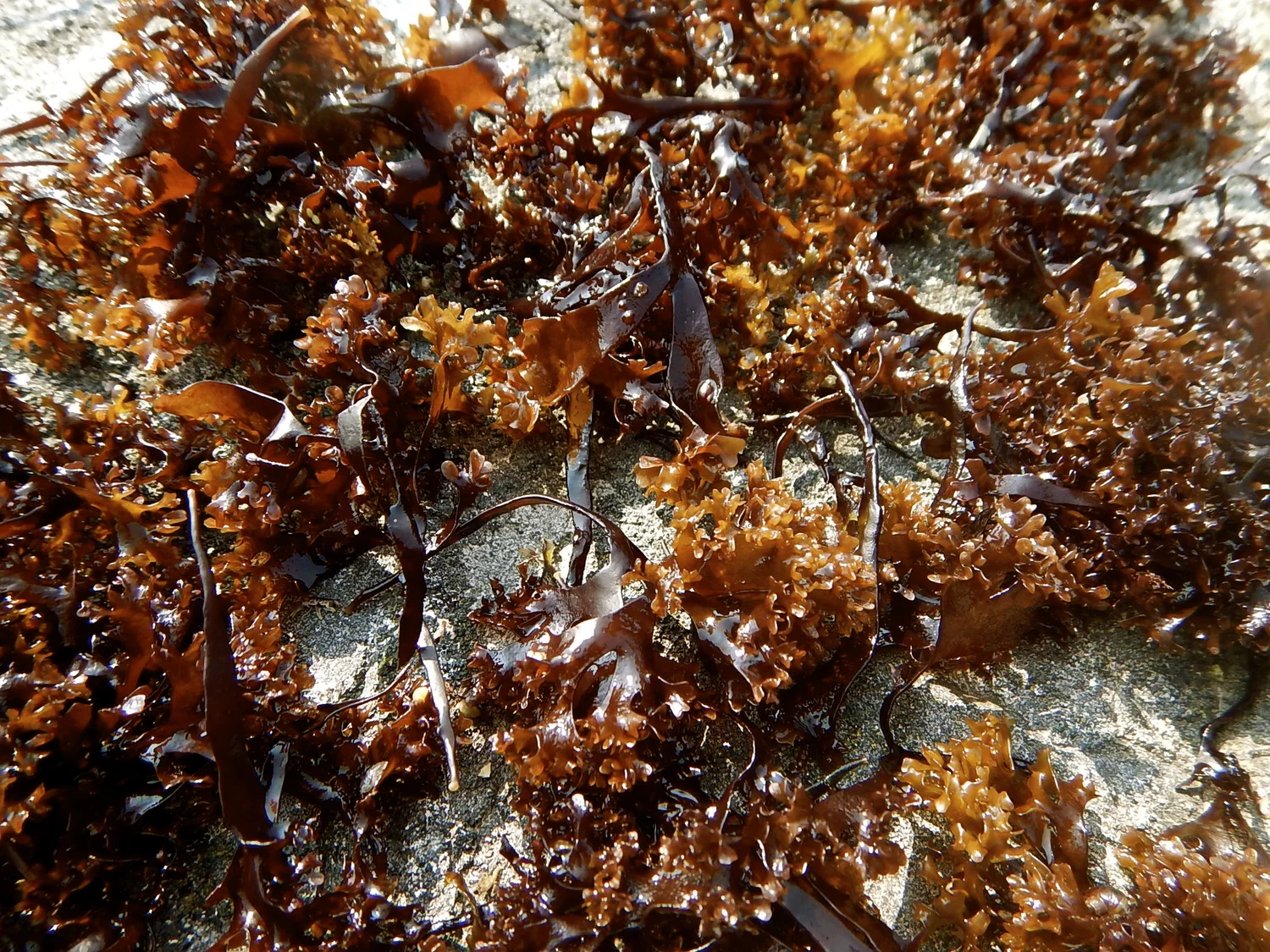
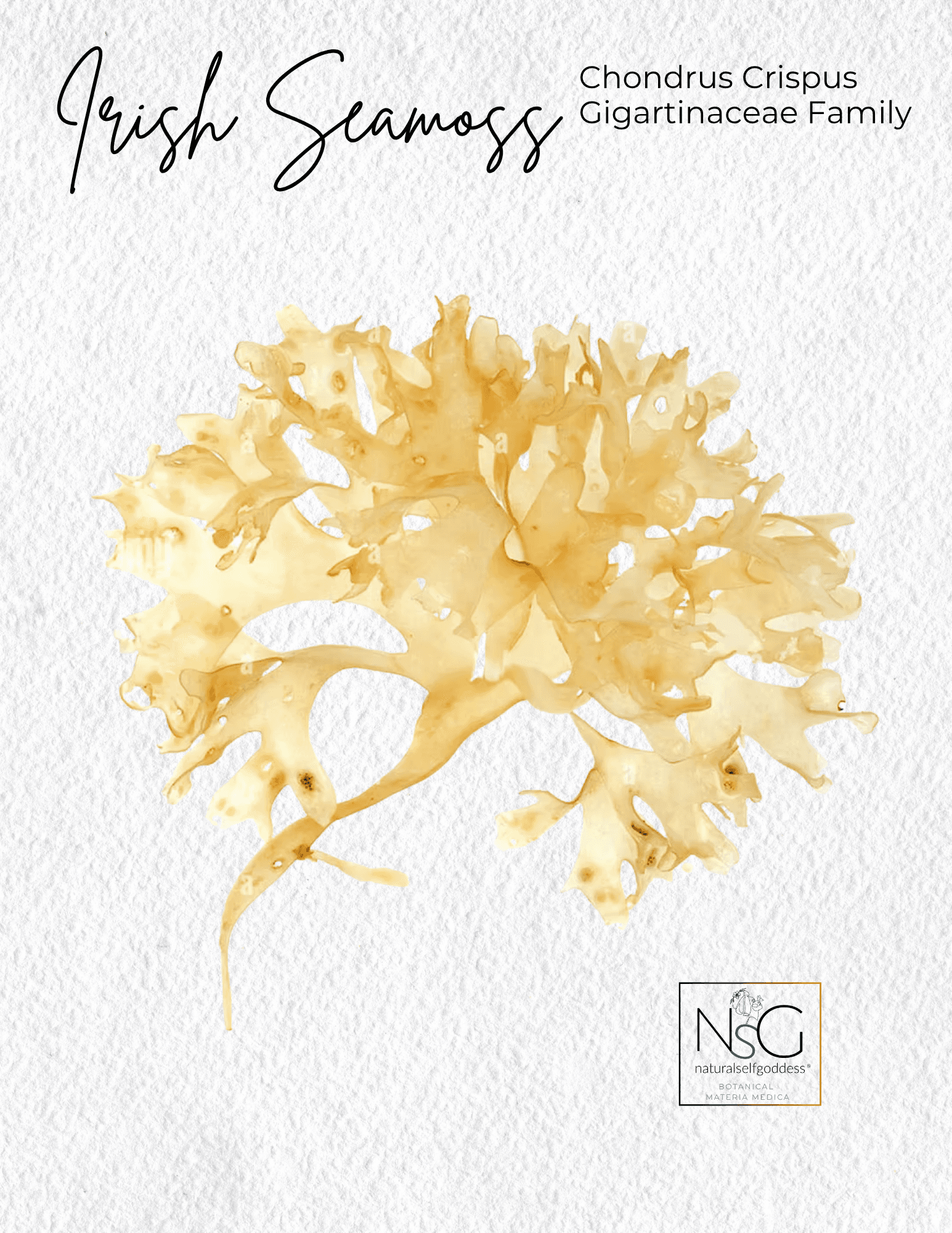
Irish Sea Moss
Chondrus Crispus
Gigartinaceae family
Eurasia: Europe, British Isles, Brittany, Ireland, Great Britain, Iceland, France, Norway, Portugal, Spain; North America (Atlantic Coast), Canada; Caribbean (other species)
Irish Sea Moss (Chondrus crispus)
Essence Overview
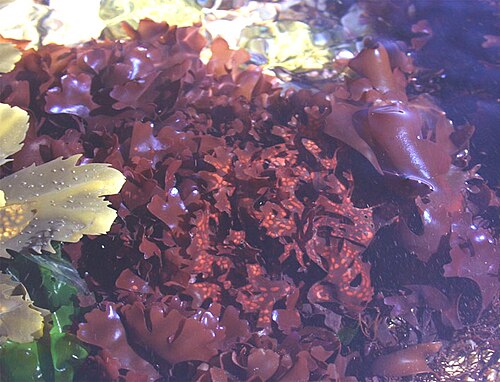
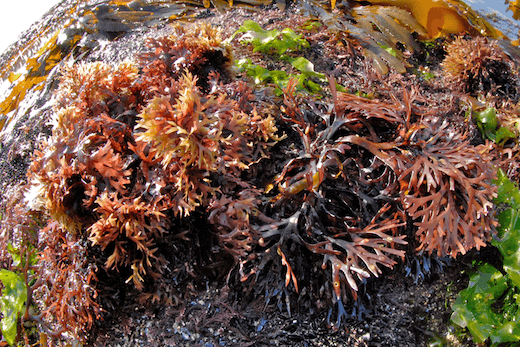
Sea moss arrives from cold Atlantic waters carrying the mineral wealth of the ocean itself. This red algae, harvested from rocks along Irish and North American coastlines, has sustained coastal communities for centuries through famine and scarcity. It offers a mucilaginous richness that soothes inflamed tissues while delivering concentrated nourishment from the sea. This is a plant of resilience, clinging to storm-battered rocks, transforming salt water and sunlight into medicine.
Energetic & Emotional Profile
Its energy moves like the tide, gentle yet persistent. Sea moss works to coat, protect, and restore tissues that have become irritated or depleted. It carries the ocean's cooling, moistening quality, particularly valuable for those experiencing dryness in body or spirit. There is something deeply primordial in its presence, a quality that reminds us we are made largely of water, that nourishment can come from the most unexpected places, that what appears humble on the surface may hold profound treasure beneath.
Traditional Uses
Irish herbalists have long regarded sea moss as a survival food and respiratory tonic, particularly valued during the Great Famine when it provided critical nutrition and mineral support. Traditionally prepared as a gel, added to broths, or simmered into medicinal drinks, it has been used to soothe coughs, support mucous membranes, and provide sustained energy when other food sources were scarce.
In Jamaican traditional medicine, sea moss (often called Irish moss despite being a different species) became central to vitality tonics, particularly for men's health and stamina. Caribbean herbalists recognized its mineral density and used it in blended drinks with spices, milk, and sweeteners. The preparation emphasized both nutrition and pleasure, reflecting a holistic understanding that medicine should nourish the whole person, not just address isolated symptoms.
Safety Considerations
While sea moss is generally well tolerated and considered nourishing, those with thyroid conditions should consult with a qualified healthcare practitioner before use due to its iodine content. Individuals taking anticoagulant medications should also seek guidance, as sea moss contains vitamin K. As with all sea vegetables, sourcing from clean waters is essential to avoid heavy metal contamination.
Tags
mineral-rich, respiratory-support, mucilaginous-herb, ocean-medicine, thyroid-nourishment, traditional-Irish-remedy, Caribbean-tonic, demulcent-plant
Herbal Tea Recipe: Sea Moss Gel
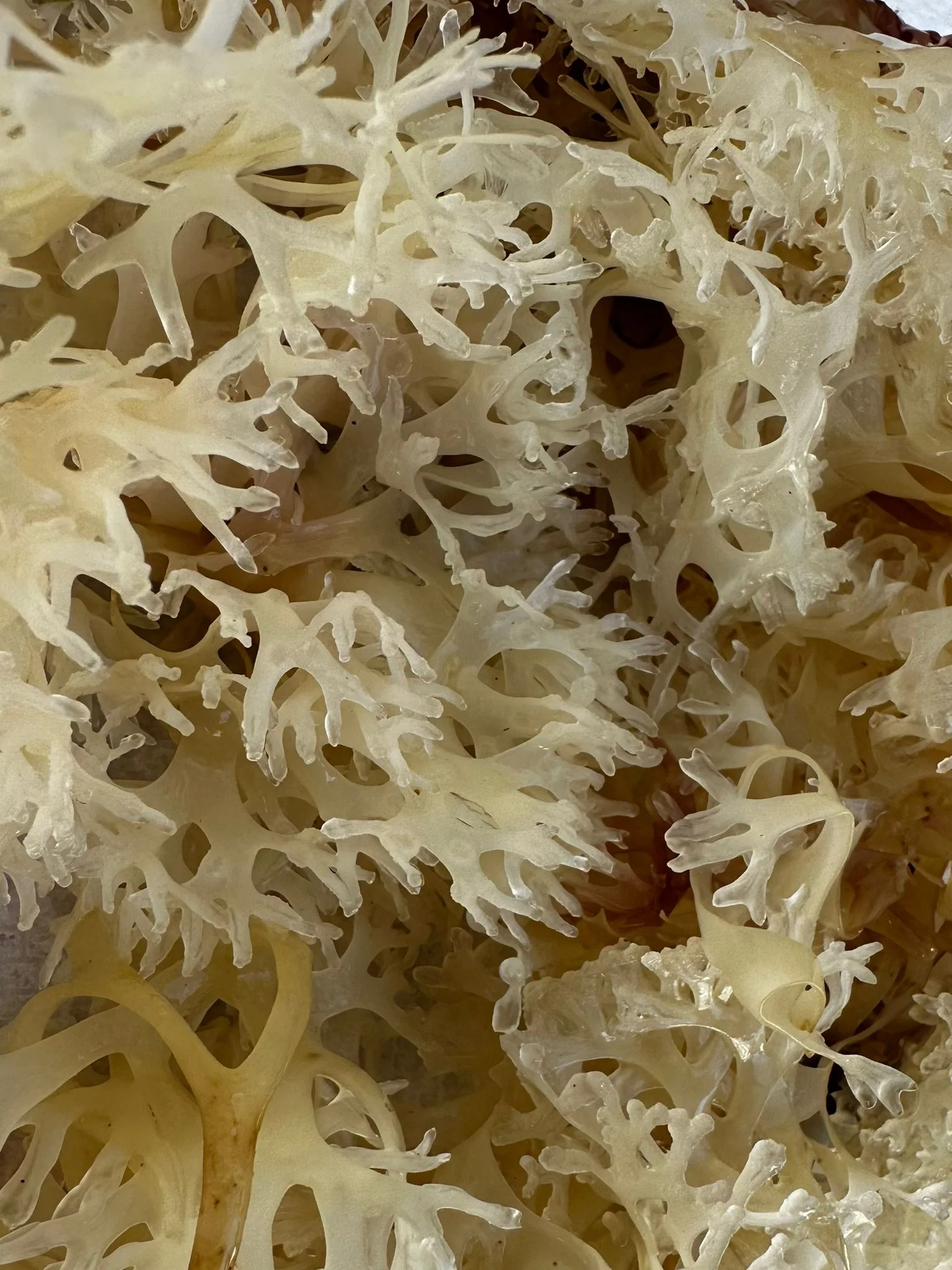
Sea moss doesn't steep like a traditional leaf or flower. Instead, it transforms water into a mineral-rich gel that can be added to teas, smoothies, and broths. The process is simple but requires patience.
Ingredients
1 cup dried sea moss
Filtered water for soaking and blending
Optional: lime or lemon juice for soaking
Method
Rinse the dried sea moss thoroughly under cool water to remove salt and debris.
Place in a glass bowl and cover completely with filtered water. Add a squeeze of citrus if desired (helps remove any ocean smell).
Soak for 12-24 hours. The moss will expand significantly and become soft and translucent.
Drain and rinse the soaked moss.
Place in a blender with 2 cups fresh filtered water. Blend on high until completely smooth, about 1-2 minutes.
Pour into a glass jar. The mixture will thicken into gel as it cools.
Refrigerate for up to 3 weeks.
Notes for Use
Add 1-2 tablespoons of sea moss gel to smoothies, teas, soups, or use as a thickener in cooking. Traditionally valued as a nutritive tonic that may support respiratory health, skin hydration, and mineral replenishment. Often combined with bladderwrack and burdock root in traditional formulas.
Safety Considerations
Sea moss is generally well tolerated. Individuals managing thyroid conditions or taking thyroid medications should consult a practitioner due to iodine content. Ensure your source is from clean Atlantic waters to avoid contamination.
Healing Benefits and Preparations
Indications Uses: Support respiratory health, soothe mucous membranes, provide mineral nutrition, support thyroid function, promote skin hydration, aid digestive health.
Constituents: Iodine, potassium, calcium, magnesium, sulfur, iron, selenium, zinc, vitamins A, E, K, B vitamins, carrageenan (mucilage), omega-3 fatty acids.
Healing Duration:
Preparations: Gel, powder, capsules, topical mask
Dosage: 1-2 tablespoons gel daily; follow product instructions for powder/capsules
Actions: Demulcent, nutritive tonic, expectorant, emollient
Safety Contraindications: High iodine content may affect thyroid conditions. May interact with anticoagulant medications due to vitamin K content. Avoid if allergic to iodine or seafood.
Energetics:
Duration: Nutritive effects noticed within 2-4 weeks of consistent use
Potency Level: Gentle yet profound
Taste profile: Mild, slightly salty ocean flavor with neutral undertone when prepared as gel.
Growth Habitat: Perennial red algae, grows attached to rocks in cold Atlantic waters, harvested sustainably from wild populations along Irish, Scottish, and North American coastlines.
Harvest notes: Traditionally hand-harvested during low tide from May through October. Sustainable harvesting requires leaving the holdfast (root structure) intact so plants regenerate. Sun-dried on rocks or indoors to preserve nutrients. Quality varies by water temperature, season, and location.
Historical References
Sea moss entered Irish tradition as both food and medicine during periods of profound scarcity. During the Great Famine (1845-1852), coastal communities relied heavily on seaweeds including Chondrus crispus for survival when potato crops failed. This wasn't simply desperate foraging, it was an extension of existing knowledge about the ocean's capacity to nourish.
Irish herbalists documented sea moss in blancmange recipes and cough remedies throughout the 19th century, recognizing its ability to soothe irritated respiratory tissue while providing concentrated mineral nutrition. The plant's reputation spread through Irish diaspora communities to the Caribbean, where it became foundational in Jamaican herbal traditions under the name "Irish moss."
In traditional Chinese medicine, similar red algae species have been valued for centuries, though Chondrus crispus specifically is Atlantic. The principle of using marine plants to tonify yin (moistening, cooling energy) and build blood remains consistent across ocean-based healing traditions.
Folk and Spiritual Medicinal Uses
In Irish folk tradition, sea moss was more than nutrition, it carried protective qualities for those who worked the sea. Fishermen's families would prepare it before voyages, and the dried fronds were sometimes kept in homes as talismans for safe return from ocean journeys.
Caribbean practitioners integrated sea moss into vitality and prosperity work, recognizing how it builds sustainable strength rather than providing quick energy bursts. In Jamaican folk healing, sea moss drinks prepared with specific herbs and spices became ceremonial beverages for significant life transitions, weddings, recovery from illness, or when undertaking important ventures requiring stamina.
Rootworkers sometimes added powdered sea moss to mojo bags for financial stability, recognizing how its slow, steady building of reserves mirrored the kind of wealth accumulation that sustains families across generations. The plant's ability to cling to rocks through storms made it symbolically powerful for maintaining
stability through difficult times.
Contemporary practitioners use sea moss in beauty and self-love rituals, recognizing how external nourishment reflects internal regard. Face masks made with sea moss gel become acts of devotion to the body's largest organ.
Affirmations: "I receive nourishment from ancient sources. My body remembers the ocean. I am sustained through all seasons."
Spiritual Ritual Use: Added to ritual baths for purification and mineral replenishment. Used in prosperity work for sustainable abundance. Incorporated into self-care rituals honoring the body.
Gemstones: Aquamarine, Moonstone
Phase of the Moon: Full Moon for abundance work, New Moon for purification and new beginnings
Vibe Code: Sustenance, Ocean Wisdom, Resilience, Mineral Wealth, Protective Nourishment
YouTube Video Library
Sea Moss: Ancient Ocean Medicine for Modern Vitality
Discover how this humble Atlantic seaweed became essential medicine across Irish, Caribbean, and coastal traditions. Learn proper preparation methods and the deep mineral nourishment sea moss provides.
YouTube Link: [To be added]
The Herbalist's Library: Sea Moss
Sea moss occupies a unique place in herbal literature, existing at the intersection of food, medicine, and survival knowledge. For those seeking a comprehensive understanding from harvest to therapeutic application, the following texts offer trusted guidance.
Foundational Herbals
The Herbal Apothecary: 100 Medicinal Herbs and How to Use Them by JJ Pursell (2015) provides practical guidance for preparing sea moss gel and incorporating it into contemporary herbal practice, with clear instructions for home preparation.
Medical Herbalism: The Science Principles and Practices Of Herbal Medicine by David Hoffmann (2003) examines demulcent herbs, including sea moss for respiratory and digestive applications, with detailed constituent analysis and therapeutic rationale.
A Modern Herbal by Mrs. M. Grieve (1931, still in print) includes documentation of Chondrus crispus as both food and respiratory remedy, with attention to its use during periods of scarcity in coastal communities. This remains essential reading for understanding sea moss in Western herbal tradition.
Contemporary Seaweed Medicine & Nutrition
The Seaweed Cookbook: 65+ Delicious Recipes with Ocean Vegetables by Lisette Kreischer (2020) bridges traditional knowledge and modern culinary application, offering practical recipes that honor sea moss as both food and medicine. Includes sourcing guidance and sustainability considerations.
Sea Vegetables: Harvesting Guide & Cookbook by Evelyn McConnaughey (2021) provides comprehensive coverage of Atlantic seaweeds including Chondrus crispus, with ethical wildcrafting protocols, identification guides, and nutritional profiles. Essential for those interested in hands-on harvesting.
Seaweed in the Kitchen: Delicious and Sustainable Recipes from the Ocean by Ole G. Mouritsen and Klavs Styrbæk (2024) represents the latest scientific and culinary thinking on marine vegetables, written by food scientists who bridge molecular gastronomy with traditional preparation methods.
Eating Seaweed: A Food Lover's Guide by Ole G. Mouritsen (2023) explores the nutritional science behind seaweed consumption with accessible explanations of why ocean plants offer unique health benefits not found in terrestrial vegetables.
Ocean Herbalism & Thalassotherapy
The Wellness Encyclopedia of Natural Healing by Gary Null (2023, updated edition) includes updated sections on sea vegetables and their role in contemporary wellness protocols, with attention to thyroid support and mineral nutrition.
Herbal Medicine for Beginners: Your Guide to Healing Common Ailments with 35 Medicinal Herbs by Katja Swift(2018) includes sea moss among accessible herbs for home practice, with safety guidelines for those new to marine botanicals.
Wild Remedies: How to Forage Healing Foods and Make Your Own Herbal Medicine by Rosalee de la Forêt and Emily Han (2020) dedicates space to coastal foraging including seaweed harvesting, with beautiful photography and accessible preparation methods.
Cultural & Traditional Knowledge
The Caribbean Herbal: 100+ Healing Herbs You Can Grow and Use by Yvonne Granston (2021) documents sea moss within Caribbean healing traditions, including traditional Jamaican preparations and cultural context for its use in vitality tonics.
Irish Herbal Medicine by David Hoffman (2020) provides historical and contemporary perspective on Irish sea moss traditions, connecting Famine-era survival knowledge to modern applications.
African Caribbean Herbal Traditions by Dr. Sebi (Alfredo Bowman) Research Team (2023) explores sea moss within Dr. Sebi's alkaline approach, documenting how Caribbean herbalists have integrated this plant into comprehensive healing protocols. (Note: Approach with critical thinking, as some claims lack scientific validation.)
Clinical & Scientific Perspectives
Herbal Medicine: Biomolecular and Clinical Aspects, 2nd Edition edited by Iris F. F. Benzie and Sissi Wachtel-Galor (2011, updated 2024 digital edition) provides peer-reviewed research on seaweed constituents including carrageenan, iodine content, and therapeutic properties of marine algae.
The Encyclopedia of Herbal Medicine: 550 Herbs and Remedies for Common Ailments by Andrew Chevallier(2016, 3rd edition) includes Chondrus crispus with clear safety information, traditional uses, and evidence-based applications.
Adaptogens in Medical Herbalism: Elite Herbs and Natural Compounds for Mastering Stress, Aging, and Chronic Disease by Donald R. Yance (2013) discusses sea vegetables within broader tonic herb traditions, connecting ocean medicine to adaptogenic protocols.
Thyroid Health & Mineral Nutrition
The Thyroid Connection: Why You Feel Tired, Brain-Fogged, and Overweight by Dr. Amy Myers (2016) includes guidance on iodine-rich foods including sea moss, with important safety considerations for those managing thyroid conditions.
Herbal Healing for Women (A Guide to Holistic Healing) by Rosemary Gladstar (2022, updated edition) addresses sea moss as nutritive support for women's health across life stages, with preparation methods and dosing guidance.
The Modern Herbal Dispensatory: A Medicine-Making Guide by Thomas Easley and Steven Horne (2016) provides professional-level guidance for incorporating sea vegetables into clinical practice, including extraction methods and formulation principles.
Foraging & Sustainable Harvesting
Seaweed Foraging: A Complete Guide to Harvesting, Preparing and Cooking Wild Seaweed by Liz Cunningham(2022) offers comprehensive identification, harvesting seasons, and sustainable collection practices for Atlantic seaweeds including Chondrus crispus.
The Wildcrafting Brewer: Creating Unique Drinks and Boozy Concoctions from Nature's Ingredients by Pascal Baudar (2018) includes creative uses for sea moss in fermented beverages, connecting traditional Irish sea moss drinks to contemporary wild fermentation.
The Forager's Calendar: A Seasonal Guide to Nature's Wild Harvests by John Wright (2019) includes coastal foraging seasons with attention to seaweed identification and ethical harvesting along Atlantic coastlines.
Beauty & Topical Applications
Herbs for Natural Beauty: Create Your Own Herbal Shampoos, Cleansers, Creams, Bath Blends, and More by Rosemary Gladstar (2023, revised edition) provides recipes for sea moss face masks and skin treatments, honoring traditional Caribbean beauty practices.
Herbal Formularies for Health Professionals, Volume 1: Digestion and Elimination by Jill Stansbury (2018) includes sea moss in demulcent formulas for digestive support, with detailed preparation methods for professional practice.
The Complete Guide to Adaptogens: From Ashwagandha to Rhodiola, Medicinal Herbs That Transform and Heal by Agatha Noveille (2018) discusses tonic herbs including nutritive ocean plants, connecting sea moss to broader resilience-building protocols.
