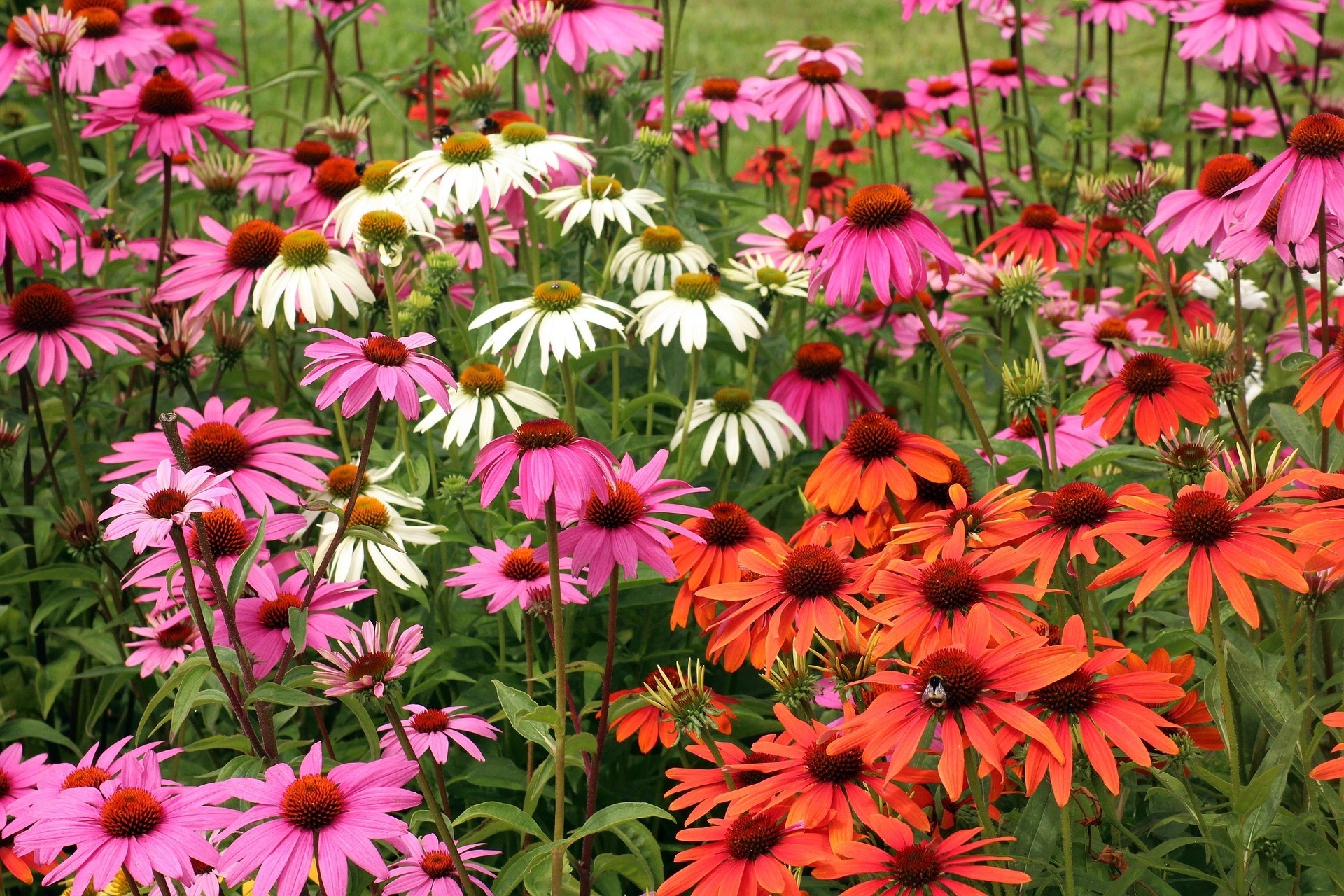
Echinacea
Echinacea purpurea, Echinacea angustifolia, Echinacea pallida
Asteraceae (Daisy family)
Central and Eastern North America, native to the Great Plains
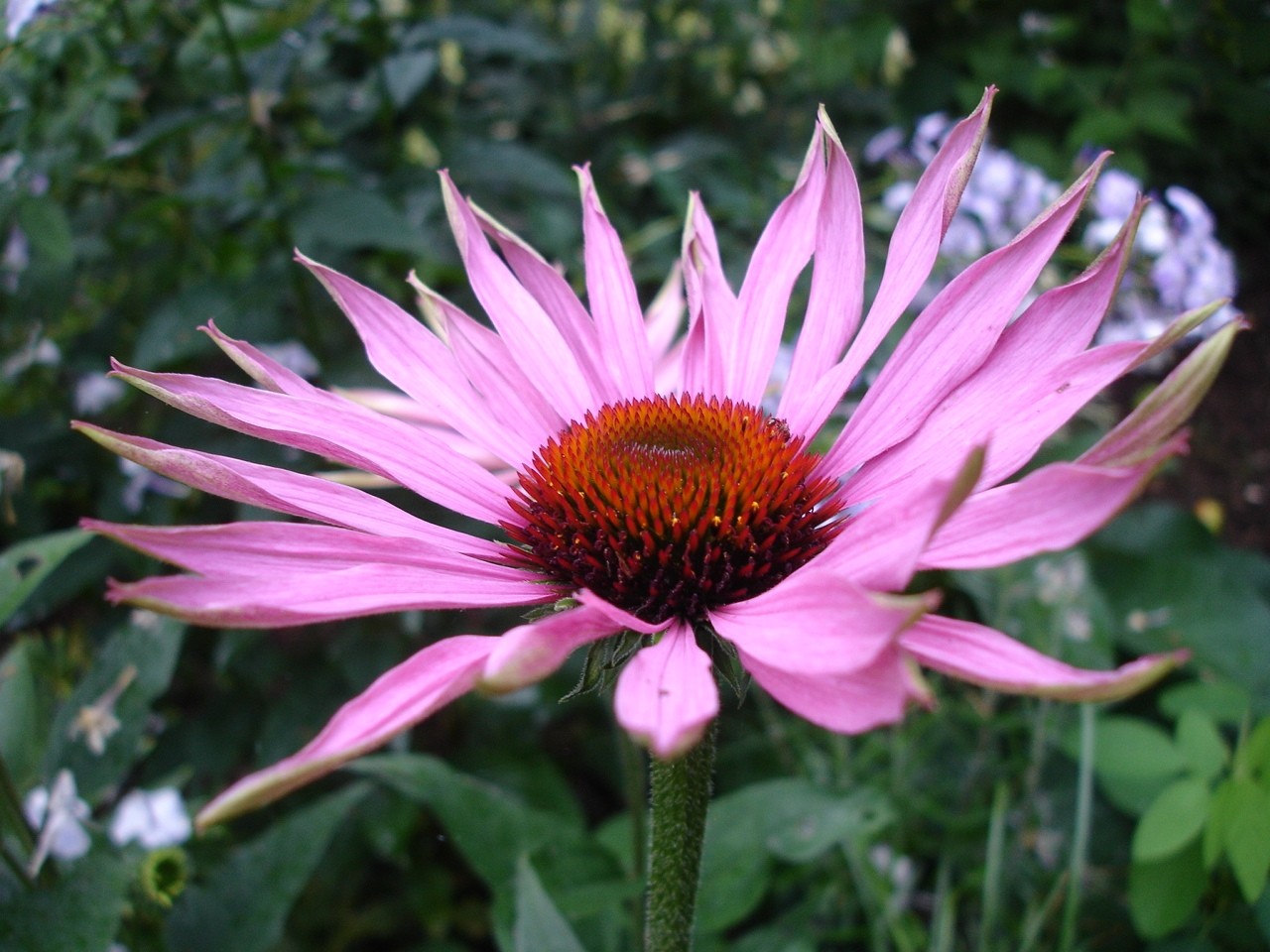
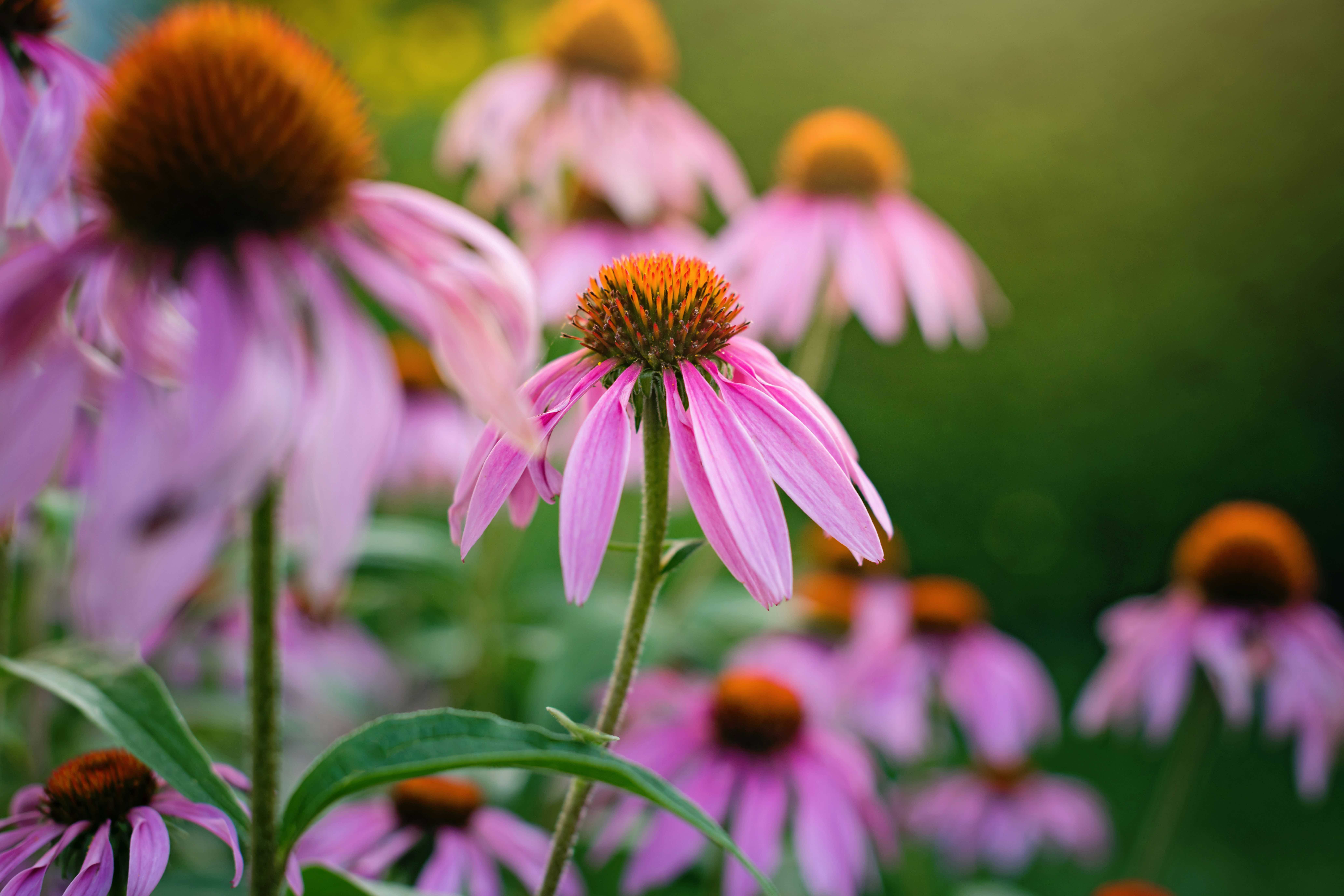
Echinacea (Echinacea purpurea)
Essence Overview
Echinacea stands as one of North America's most recognized immune allies, a plant of fierce vitality and protective strength. With deep purple petals that radiate from spiky centers like small suns, it carries the energy of fortification, called upon when the body's defenses need support. This is not a plant of gentle suggestion but of active engagement, a botanical guardian that has earned its place in both Indigenous medicine and modern herbalism.
Energetic & Emotional Profile
Its energy moves like a shield raising, a quickening of internal resources when vulnerability threatens. Echinacea works at the boundary between self and world, supporting the body's recognition of what belongs and what does not. There is something clarifying in its presence, a quality that brings focus when illness approaches or when the system feels overwhelmed by external demands. Emotionally, it offers a reminder that protection is not the same as isolation, that healthy boundaries allow us to meet the world with resilience rather than retreat.
Traditional Uses
Herbalists turn to echinacea primarily as an immune stimulant, particularly valued at the first signs of respiratory infection, supporting the body's natural defenses during cold and flu season. Traditionally prepared as tincture, tea, or decoction, it has been used to reduce the duration and severity of upper respiratory infections and to support wound healing.
In Plains Indian herbalism, echinacea held profound significance as one of the most important medicinal plants. Multiple tribal nations including the Lakota, Cheyenne, Pawnee, and Omaha recognized its power for treating snakebites, infections, and systemic illnesses. The root was considered sacred medicine, used both internally and externally for conditions ranging from toothaches to blood poisoning. This was not a plant taken casually but reserved for serious ailments requiring strong intervention.
Safety Considerations
While echinacea is generally well-tolerated for short-term use, those with autoimmune conditions or allergies to plants in the Asteraceae family should exercise caution. It is typically recommended for acute use (7-10 days) rather than extended daily consumption. Pregnant or nursing individuals should consult with a qualified healthcare practitioner before use.
Tags
immune-support, respiratory-health, protective-herb, acute-remedy, wound-healing, traditional-medicine, native-plant, infection-fighter
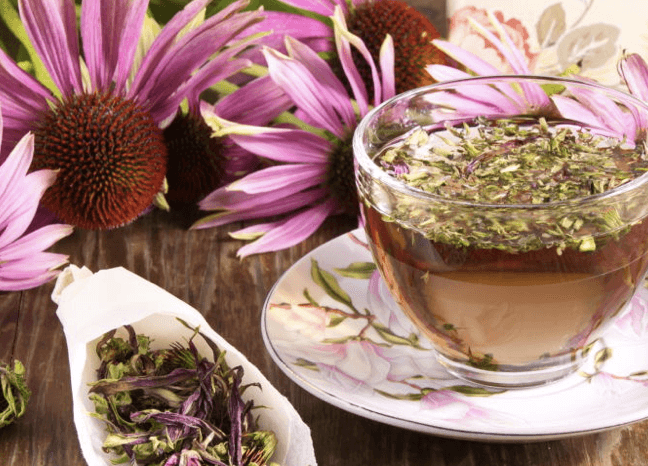
Herbal Tea Recipe: Echinacea Root Tea
Echinacea root tea carries a distinctive tingling sensation on the tongue, a sign of its active constituents. The taste is earthy and slightly bitter, with a numbing quality that traditional herbalists consider evidence of potency. This preparation works best at the first signs of illness or when immune support is needed.
Ingredients
1 tablespoon dried echinacea root (chopped or powdered)
8-10 ounces water
Optional additions: elderberry, ginger root, or raw honey for enhanced immune support and improved flavor
Method
Place the dried echinacea root in a small saucepan.
Add cold water and bring to a gentle boil.
Reduce heat and simmer covered for 15-20 minutes to extract the deeper constituents.
Strain and drink warm.
Notes for Use
Traditionally used at the onset of cold or flu symptoms, taken three times daily for 7-10 days. The characteristic tongue-tingling sensation indicates active polysaccharides and alkylamides. Often combined with elderberry for synergistic immune support.
Safety Considerations
Echinacea is best used for acute situations rather than as a daily long-term tonic. Those with ragweed allergies should approach with caution. Consult a practitioner if symptoms persist beyond a few days.
Healing Benefits and Preparations
Indications Uses: Immune system stimulation, upper respiratory infections, wound healing, inflammation reduction, lymphatic support
Constituents: Polysaccharides, alkylamides, caffeic acid derivatives, essential oils, flavonoids
Preparations: Tincture (most potent), tea/decoction, capsules, topical salves
Dosage: Tincture: 2-4 ml three times daily for acute use; Tea: 1-2 cups daily; typically taken for 7-10 days during active infection
Actions: Immune stimulant, anti-inflammatory, antimicrobial, lymphatic, vulnerary
Safety Contraindications: Avoid with autoimmune conditions, progressive systemic diseases, or allergies to Asteraceae family plants. Not recommended for extended daily use beyond two weeks.
Energetics: Cooling, drying, stimulating
Duration: Acute use recommended, effects typically noticed within 24-48 hours
Potency Level: Strong, active
Taste Profile: Earthy, slightly bitter, characteristic tongue-tingling sensation
Growth Habitat: Perennial prairie plant, thrives in well-drained soil, full sun to partial shade, drought-tolerant once established
Harvest Notes: Roots harvested in fall after 3-4 years of growth when medicinal constituents are most concentrated. Flowers and leaves collected during blooming. Sustainable wildcrafting requires leaving at least 50% of population undisturbed.

Historical References
Echinacea's journey from Indigenous sacred medicine to mainstream botanical therapy represents one of herbalism's most significant transcultural exchanges. While Plains tribes had used it for centuries, European settlers first documented its medicinal properties in the late 1800s. The Eclectic physicians, a reform medical movement in 19th-century America, adopted echinacea enthusiastically after learning of its uses from Indigenous practitioners.
Dr. H.C.F. Meyer, a traveling medicine salesman, popularized echinacea in the 1870s, claiming it could cure snakebite, though his commercial preparations were often of questionable quality. More serious investigation came from Eclectic physicians like John Uri Lloyd and John King, who recognized its legitimacy as an anti-infective and immune stimulant. Their King's American Dispensatory (1898) devoted significant space to echinacea's proper preparation and clinical applications.
The plant's reputation crossed the Atlantic to Germany in the early 20th century, where it became the subject of extensive phytochemical and clinical research. German scientists identified key active constituents and developed standardized extracts, establishing echinacea as one of Europe's most prescribed herbal medicines for respiratory infections.
Folk and Spiritual Medicinal Uses
In folk herbalism traditions beyond its Indigenous origins, echinacea has been incorporated into protection magic and boundary-strengthening work. Appalachian herbalists adopted it from Indigenous knowledge, using it in similar ways for infections but also adding it to protective sachets and immune-supporting spring tonics.
In contemporary spiritual herbalism, echinacea is associated with psychic protection and energetic boundaries. The plant's physical action of supporting immune recognition (distinguishing self from non-self) mirrors its metaphysical use in helping practitioners maintain clarity about what energy they allow into their personal field. Root pieces are sometimes carried as protective talismans or added to mojo bags for strength during challenging times.

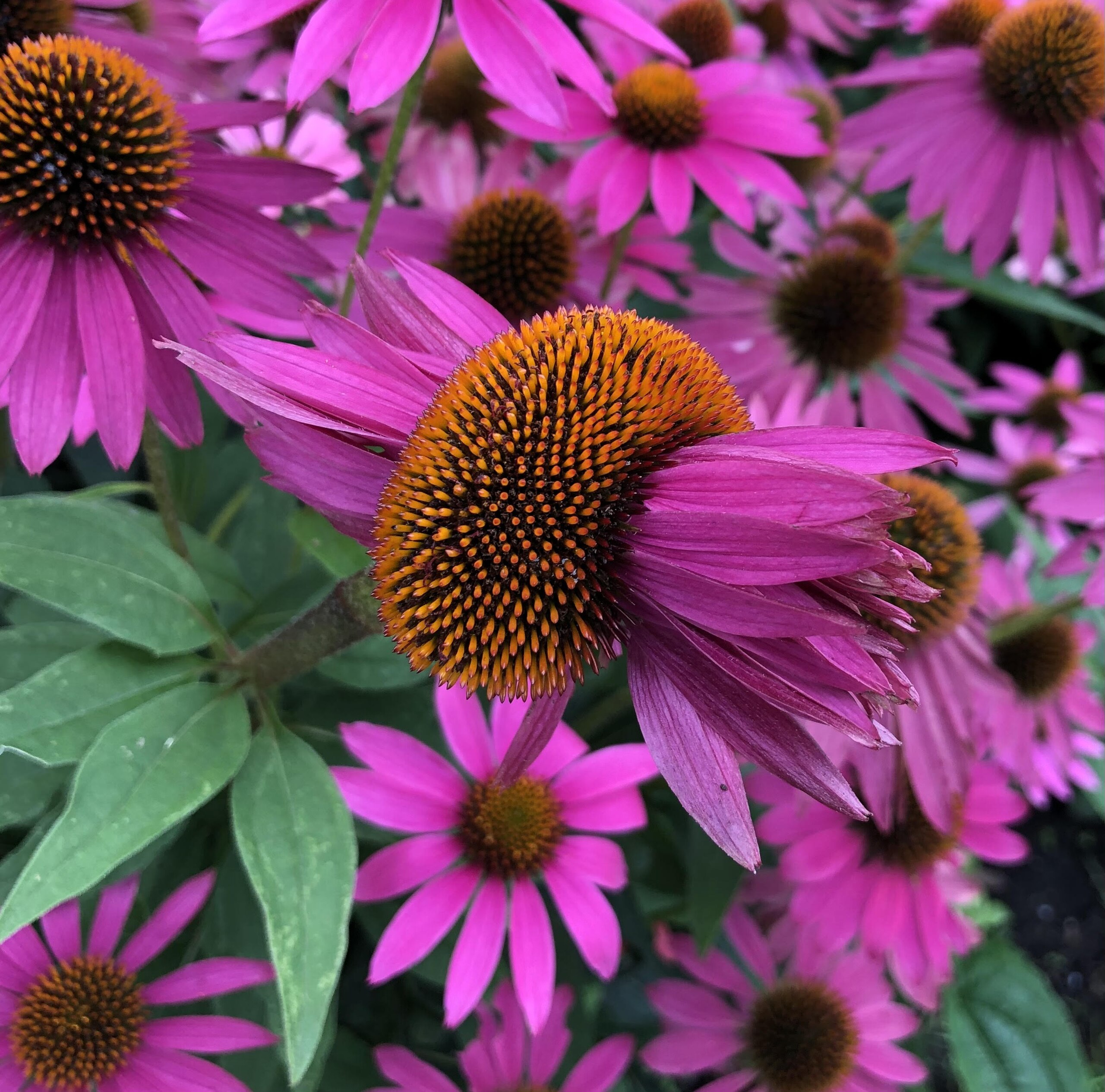
The spiky center cone of the echinacea flower, which remains standing long after petals fade, has made it a symbol of endurance and resilience. Flower essences prepared from echinacea are used by practitioners working with trauma recovery, particularly for restoring a sense of intact selfhood after violation or boundary rupture.
Affirmations: "My boundaries are clear and strong; I meet the world with resilient vitality."
Spiritual Ritual Use: Protection work, boundary-setting ceremonies, immune and energetic shielding, resilience cultivation
Gemstones: Black tourmaline, clear quartz
Phase of the Moon: Waning moon for releasing illness, new moon for establishing protective intentions
Vibe Code: Protection, Resilience, Clarity, Strength
The Herbalist's Library: Echinacea
Echinacea's significance in both Indigenous and clinical herbalism has generated substantial literature. For those seeking to understand its full therapeutic scope and cultural importance, the following texts offer essential guidance.
Indigenous & Historical Context
Medicinal Plants of the Mountain West by Michael Moore documents echinacea's traditional uses among Western tribes and provides clear identification guidance for the three primary species used medicinally.
Echinacea: The Genus Echinacea (Medicinal and Aromatic Plants - Industrial Profiles series) edited by Sandra Miller offers comprehensive coverage of ethnobotanical history, phytochemistry, and clinical research.
Clinical & Scientific Perspectives
The ABC Clinical Guide to Herbs by Mark Blumenthal provides evidence-based information on echinacea's effectiveness for upper respiratory infections, with summaries of key clinical trials.
Herbal Medicine: Biomolecular and Clinical Aspects, Second Edition edited by Benzie and Wachtel-Galor includes detailed analysis of echinacea's immune-modulating constituents and mechanisms of action.
Practical Herbalism
The Herbal Medicine-Maker's Handbook by James Green offers detailed instruction on preparing echinacea tinctures, decoctions, and topical applications with proper extraction ratios.
Medical Herbalism: The Science and Practice of Herbal Medicine by David Hoffmann positions echinacea within broader immune support protocols and discusses appropriate dosing for acute versus preventive use.
Affiliate links included. We earn a small commission from purchases at no cost to you.
Educational purposes only. Not medical advice. Consult a healthcare provider before use.
