
Chaste Tree
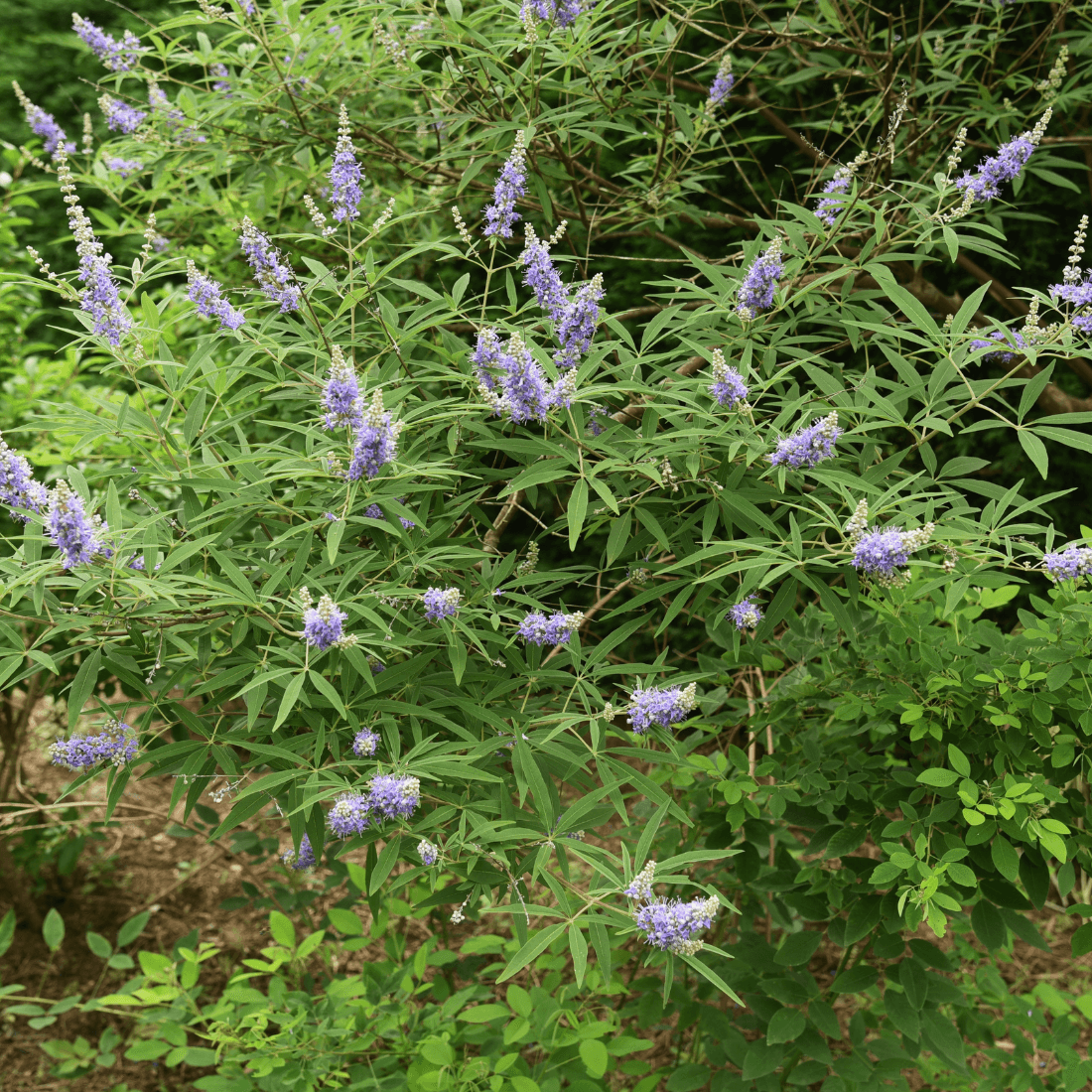
Latin Name: Vitex agnus-castus
Family Name: Lamiaceae (Mint Family)
Native to the Mediterranean region and Central Asia. Thrives in moist soils along riverbanks, open woodlands, and sunny scrublands.
Essence Overview
Chaste tree commands hormonal sovereignty. It acts directly upon the pituitary-ovarian axis, regulating and restoring balance to a fluctuating endocrine system. It does not force suppression; it brings order, grounding the reproductive sphere into a calm, steady rhythm.
Energetic & Emotional Profile
Its energy moves through the body with quiet authority, offering a stabilizing anchor when internal rhythms feel fragmented or chaotic. Chaste tree works to restore equilibrium to the subtle tides of the body, easing the emotional turbulence that can accompany hormonal transitions. There is something fiercely sovereign in its presence—a quality that helps establish firm internal boundaries and brings clarity to emotional storms rooted in the cycle.
Traditional Uses
Herbalists have long turned to chaste tree berries for their profound ability to regulate female cycles, ease premenstrual tension, and support overall endocrine health. Traditionally prepared as a tincture, capsule, or dried berry infusion, it has been used to restore hormonal harmony and bring steady, sustained balance back into the system.
In traditional European herbalism, chaste tree was utilized by monastic practitioners to cool passions and maintain physical restraint, leading to its historic moniker of chastity. Over time, herbalists observed its specific affinity for the female reproductive system, adapting its use to address irregular cycles, luteal phase support, and hormonal acne.
This adaptation reflected an evolving observational tradition—recognizing how a plant that moderates physical intensity could also bring order and equilibrium to human physiology. Folk practitioners and early phytotherapists saw chaste tree as particularly useful for women navigating cyclical fluctuations, postpartum transitions, and the demanding shifts of reproductive maturation.
Safety Considerations
While chaste tree is a respected botanical ally, its potent action on the endocrine system means it should be used with intention and awareness. Not recommended during pregnancy or lactation. Those taking hormone replacement therapy, birth control pills, or dopamine-antagonist medications should consult a qualified healthcare practitioner before use, as chaste tree influences dopaminergic pathways.
Tags
hormonal-regulator, endocrine-support, cycle-balance, reproductive-sovereignty, pms-relief, botanical-ally, women-health, traditional-remedy



Herbal Tea Infusion: Chaste Tree Berry Infusion
Chaste tree brings a peppery, aromatic depth to the cup. The taste is spicy and slightly bitter, and the infusion has long been valued for targeted endocrine support. This tea works well when the body requires steady, patient alignment over time.
Ingredients
1/2 to 1 teaspoon slightly crushed dried chaste tree berries
8-10 ounces hot water
Optional additions: a touch of honey to balance the peppery warmth
Method
Lightly crush the dried chaste tree berries using a mortar and pestle to release their aromatic constituents.
Place the crushed berries in a heat-safe cup or teapot.
Pour hot water just under a rolling boil over the berries.
Cover and steep for 15 minutes to extract the active compounds fully.
Strain thoroughly and sip slowly.
Notes for Use
Traditionally used in consistent, long-term protocols to support hormonal rhythm, ease premenstrual changes, and encourage luteal phase balance. Best taken daily over several weeks for optimal effect.
Safety Considerations
Avoid during pregnancy and lactation. Individuals using hormone-altering medications or psychiatric medications affecting dopamine should consult a healthcare provider prior to use.
Healing Benefits and Preparations
Indications Uses:
Regulate menstrual cycles, ease PMS and premenstrual dysphoric symptoms, support hormonal acne management, assist with luteal phase defects, encourage overall endocrine balance.
Constituents:
Iridoid glycosides (agnuside, aucubin), essential oils (pinene, cineole), flavonoids (castastic), diterpenes.
Preparations:
Tincture, capsule, dried berry infusion.
Dosage:
1/2 to 1 teaspoon of dried berries as an infusion daily; tincture dosages vary by concentration (typically 30-60 drops daily).
Actions:
Endocrine regulator, dopaminergic, galactagogue (in specific traditional contexts), pelvic tonic.
Safety Contraindications:
Avoid during pregnancy and lactation.
Contraindicated with oral contraceptives and hormone replacement therapies. Avoid with dopamine-blocking medications.
Energetics:
Duration: Results for hormonal regulation typically unfold over 2-3 months of consistent, daily use.
Potency Level:
Moderate to High—acts directly on the endocrine feedback loop. Taste profile: Piquant, peppery, slightly bitter, and warm.
Growth Habitat:
Deciduous shrub or small tree reaching 10-20 feet tall; thrives in full sun, well-ventilated spaces, and moist, well-drained soils, often found near riverbanks.
Harvest notes:
Harvest ripe dark purple or black berries in late autumn when fully mature; dry thoroughly for long-term storage and remedy preparation.

Historical References
Though chaste tree has deep roots in Old World herb craft, its reputation as a guardian of bodily discipline and endocrine order spans centuries. Ancient Greek physicians Dioscorides and Galen documented the peppery berries and leaves, noting their cooling properties and traditional use in controlling desires and managing reproductive health.
Medieval herbalists incorporated chaste tree into monastery gardens across Europe, where it earned its common name as a symbol of purity and restraint. In later centuries, 19th-century eclectic and modern phytotherapeutic traditions re-examined chaste tree, isolating its profound capacity to support the pituitary gland and bring predictable rhythm to the female reproductive cycle.
Folk and Spiritual Medicinal Uses
In European folk magic and modern pagan traditions, chaste tree has long been recognized as a plant of self-mastery, personal boundaries, and emotional clarity. Cunning folk and traditional herbalists used chaste tree leaves and berries in amulets designed to protect emotional chastity, safeguard personal space from energetic intrusion, and maintain calm focus during chaotic life transitions.
The plant's historical association with restraint translated spiritually into a botanical ally for strengthening the will, breaking impulsive cycles, and anchoring a steady, unshakeable sense of inner sovereignty.
In kitchen paganism, chaste tree was occasionally woven into threshold wreaths to filter out erratic energies and preserve a peaceful, protected domestic environment. Its essence carries the energy of deliberate alignment—teaching how to step back from emotional reactivity and command the inner tides with grace and resolve.
Affirmations:
"I claim sovereignty over my physical and emotional rhythms. I move through life with steady grace and clear boundaries."
Spiritual Ritual Use:
Used in boundary-setting rituals, protecting personal energy fields, fostering emotional self-mastery, and anchoring calm focus during transformative life phases.
Gemstones:
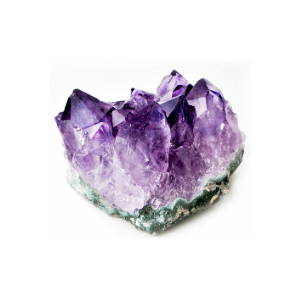
Amethyst (inner peace, spiritual clarity)
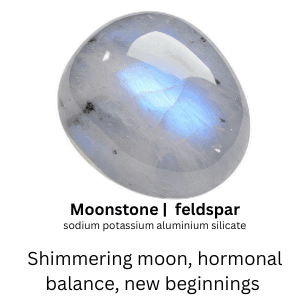
Moonstone (cyclical alignment, emotional balance)
Phase of the Moon:
Because the sign of Cancer is ruled by the Moon, any plant governing bodily fluids, hormonal rhythms, and internal tides naturally links to Cancerian energy. Chaste Tree operates as a medical astrological "mothering" herb, acting on the pituitary-ovarian axis to mirror the 29.5-day cycle of the moon itself. Like the crab's protective shell, it guards the soft, deeply feeling interior—cooling hyper-reactive emotional states, preventing emotional flooding, and re-establishing strong, sovereign personal boundaries.
Waning Moon for releasing erratic energy and restoring balance.

Waning Moon (Releasing & Cooling): This phase mirrors the historical, protective "Monk's Pepper" aspect of the herb, its capacity to cool the heat of erratic impulses, quiet an overactive mind, and cut ties with chaotic emotional attachments. In rituals, use it during the waning moon to banish intrusive thoughts, release old patterns, and clear spiritual clutter.
Waxing Moon for cultivating steady personal power.

Waxing Moon (Restoring & Building): This phase mirrors the adaptive, hormone-regulating power of the plant. Instead of suppressing energy, it steadily builds up balanced personal power, reinforces emotional sovereignty, and brings calm stability to the luteal phase of both body and life.
Vibe Code: Sovereignty, Boundaries, Rhythm, Clarity, Restraint, Balance
Chaste Tree: Sovereign of the Endocrine System
Discover the balancing properties of Chaste Tree (Vitex agnus-castus), a classical botanical that interacts with the pituitary-ovarian axis to restore calm rhythm and sovereign order to the female reproductive cycle.

YouTube Link: coming soon!
The Herbalist's Library
Chaste Tree
Chaste tree demands respect and careful study, bridging historical European herb craft with modern endocrinology. For those seeking to master its application—from chemical constituents to hormonal pathways—the following texts offer essential guidance.
Clinical & Herbal Medicine Medical Herbalism:
The Science and Practice of Herbal Medicine by David Hoffmann provides rigorous insight into chaste tree's physiological mechanisms, detailing its specific action on the pituitary gland and its clinical application in regulating the female reproductive system.
Principles and Practice of Phytotherapy: Modern Herbal Medicine by Simon Mills and Kerry Bone offers advanced, evidence-based analysis of chaste tree constituents like iridoid glycosides and their modulatory effects on hormonal feedback loops.
Traditional & Historical Herbals
A Modern Herbal by Mrs. M. Grieve documents the rich historical folklore, classical Greek origins, and traditional European uses of chaste tree, bridging ancient observation with early modern herbal practice.
Practical Formulation & Safety
The Herbal Apothecary
by JJ Pursell offers accessible, clear instructions for preparing chaste tree tinctures and infusions, with thoughtful attention to dosage guidelines and daily wellness integration.
The Essential Guide to Herbal Safety
by Simon Mills and Kerry Bone provides critical professional data on chaste tree's contraindications, hormonal interactions, and pharmacological parameters.
Essential reading for safe clinical and home use.
Affiliate links included.
We earn a small commission from purchases at no cost to you. Educational purposes only. Not medical advice. Consult a healthcare provider before use.
