Bayberry
Morella cerifera (syn. Myrica cerifera)
Myricaceae (Bayberry Family)
Native Countries / Native to / Habitat
Native to North America, particularly coastal lowlands, pine barrens, tidal marsh edges, and sand dunes ranging from New Jersey south to Florida and west to Texas. Thrives in moist, acidic, sandy soils and maritime scrublands; tolerates coastal salt spray and flooding.
Bayberry (Morella cerifera)
Essence Overview
Bayberry arrives with the fierce, uncompromising authority of deep astringency and thermal activation. Sinking tough root systems into barren coastal sands, it understands how to hold ground against chronic erosion. In the human body, Bayberry acts as a sovereign structural contractor: where tissues have relaxed, lost their tone, and are weeping vital fluids through sluggish, leaking mucosal membranes, it commands an immediate halt. It does not soothe with passive moisture; it grips, tightens, stimulates local circulation, and rebuilds the integrity of compromised borders.
Energetic & Emotional Profile
Its energetic profile is warm, dry, intensely astringent, and pungent. Bayberry cuts through cold, boggy, and stagnant tissue states where circulation has stalled and secretions have turned passive and chronic. Emotionally, Bayberry serves as an energetic sealant for individuals whose personal boundaries have eroded from persistent boundary-crossing or chronic people-pleasing. By tonifying the solar plexus and sacral centers, it imparts the inner spine necessary to stem energetic leaks, say "no" with unwavering conviction, and maintain structural self-possession under external pressure.
Traditional Uses
In historical North American botanical medicine, Bayberry root bark was celebrated as one of the most dependable astringents and arterial stimulants. Prepared as pungent decoctions, fine powders, and warm gargles, it was deployed to tighten spongy, bleeding gums, arrest exhausting watery diarrhea, dry persistent nasal catarrh, and stimulate peripheral capillary circulation. Early domestic apothecaries utilized the boiled wax from the autumn berries to fashion soothing, aromatic salves for ulcerations, while the pungent root bark formed the active base of historical systemic stimulants designed to purge cold phlegm.
Safety Considerations
Bayberry root bark is an exceptionally active astringent and mild circulatory stimulant. Avoid use during pregnancy, as it can stimulate uterine smooth muscle tone. Because of its mineralocorticoid-like constituents (specifically myricadiol), high doses or extended unmonitored use should be avoided by individuals with hypertension, congestive heart failure, or active kidney disease. Concentrated doses can cause gastric irritation or nausea in sensitive stomachs if taken without food.
Tags
astringent, mucosal-tonic, circulatory-stimulant, tissue-tightener, boundary-setter, styptic, traditional-medicine, southern-native, gut-health


Tea Recipe
Herbal Decoction: Bayberry Mucosal Tightening Brew
Bayberry root bark yields a warm, pungent, deeply astringent brew that leaves a dry, puckering sensation across the palate, followed by an unmistakable warming glow in the stomach.
Ingredients
1 teaspoon finely crushed or cut-and-sifted dried Bayberry root bark
8 to 10 ounces cold spring water
Optional: 1/4 teaspoon dried ginger root or a small strip of orange peel to temper the biting astringency
Method
Combine the dried Bayberry root bark and water in a small non-reactive saucepan.
Bring the mixture to a rolling boil over medium-high heat.
Reduce heat to low, cover tightly with a lid, and simmer gently for 15 to 20 minutes to draw out the condensed tannins and resinous triterpenes.
Remove from heat and allow to steep covered for an additional 10 minutes.
Strain through a fine-mesh sieve or cheesecloth to catch all gritty bark particles.
Sip warm in small, measured 2 to 3-ounce doses, or allow to cool for use as a topical wash or oral gargle.
Notes for Use
Consume in small doses immediately before or after meals to address chronic digestive looseness, or use cooled as a targeted gargle 3 times daily for spongy gums and relaxed uvula.
Safety Considerations
Not for use during pregnancy or lactation. Avoid in cases of severe dry, atrophic constipation.
Healing Benefits and Preparations
Indications Uses: Chronic passive diarrhea, relaxed and weeping mucous membranes, spongy/bleeding gums (gingivitis), sore throat with swollen tonsils, aphthous ulcers (canker sores), leucorrhea, cold peripheral circulation, atonic dyspepsia.
Constituents: Flavonoids (notably myricitrin), triterpenes (myricadiol, taraxerol), condensed gallotannins (up to 13%), resinous volatile oils, gum, starch.
Preparations: Root bark decoction, alcohol tincture (1:5 in 50-60% alcohol), powdered bark for topical dusting or tooth powders, infused topical salve.
Dosage: Decoction: 2 to 4 ounces up to three times daily; Tincture: 20 to 40 drops in warm water 2 to 3 times daily; Topical gargle/wash: Use full-strength decoction as needed.
Actions: Astringent, circulatory stimulant, styptic, diaphoretic, carminative, alterative, mild sternutatory (when powdered).
Safety Contraindications: Contraindicated in pregnancy. Not recommended for long-term daily use in patients with hypertension or edema due to sodium-retention tendencies associated with myricadiol.
Energetics: Warming, drying, pungent, intensely astringent.
Duration: Immediate astringent binding felt across mucous membranes within minutes; digestive and mucosal tonification establishes within 5 to 7 days of structured administration.
Potency Level: High. Dense, concentrated tannin and triterpene profile.
Taste Profile: Pungent, slightly peppery, intensely astringent, woodsy, and mouth-puckering.
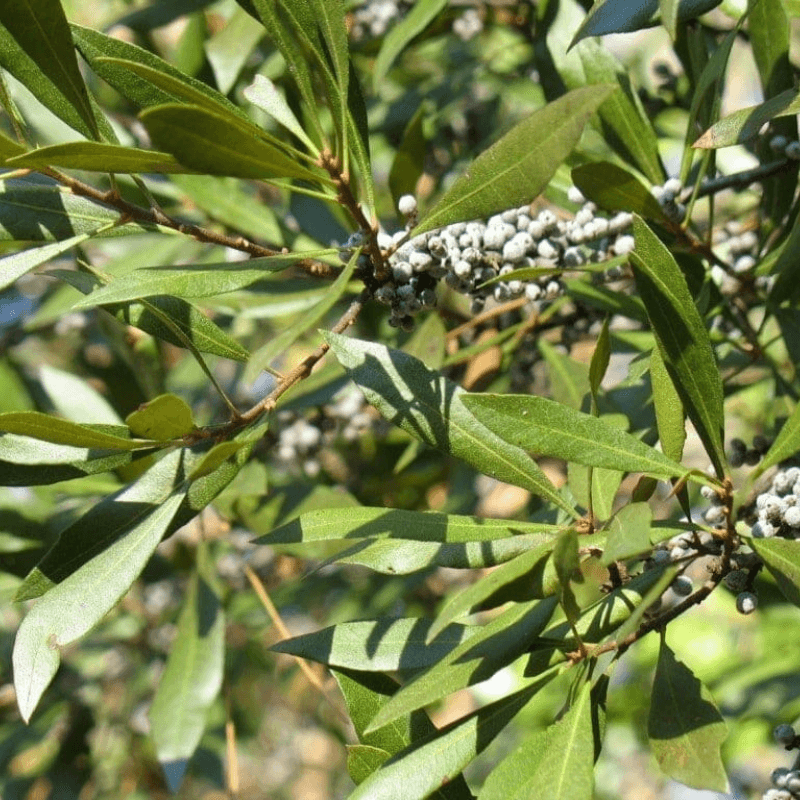
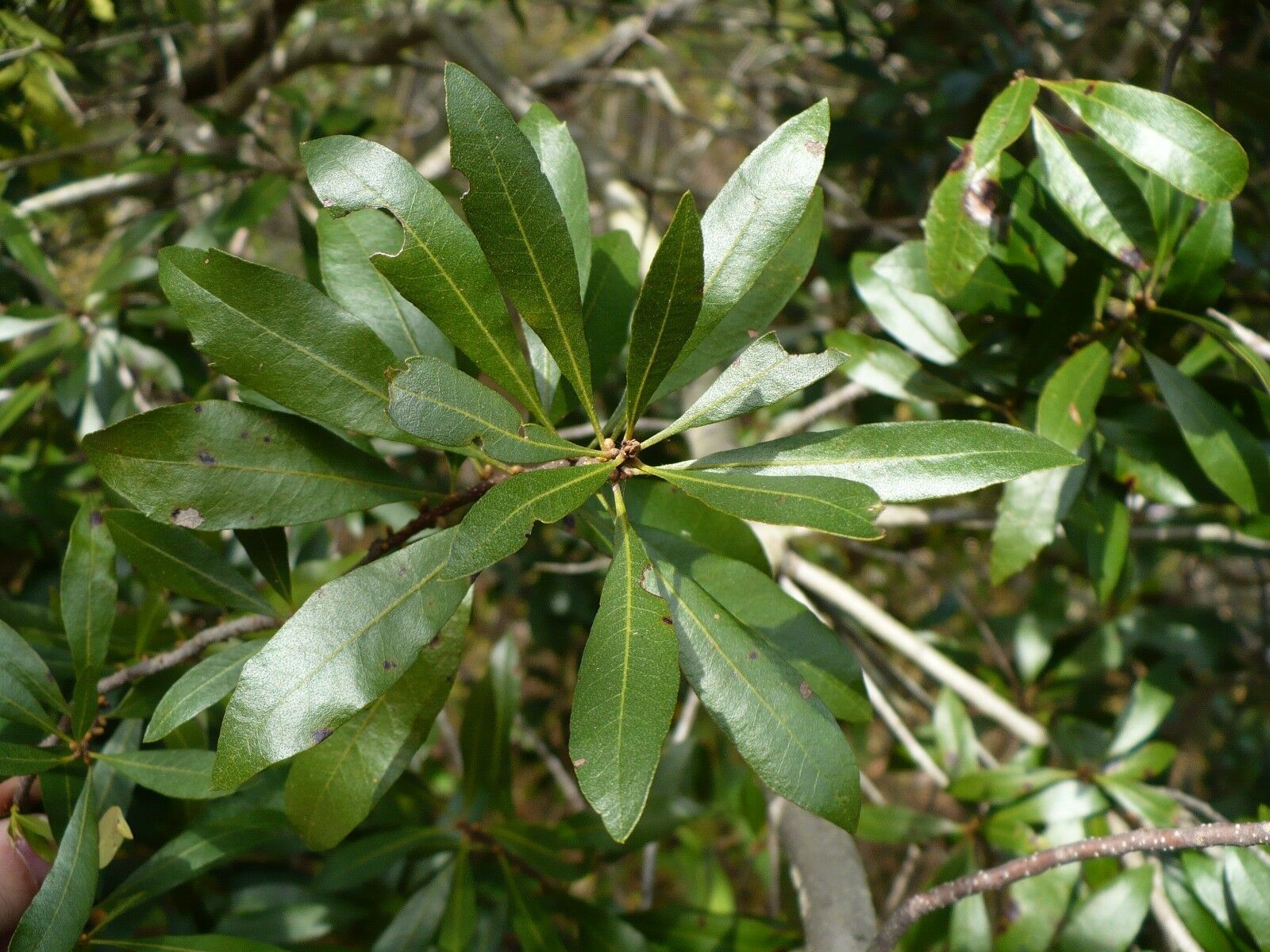
Growth Habitat: Dense, evergreen to semi-evergreen multi-stemmed shrub or small tree growing 10 to 20 feet tall, bearing narrow, glossy olive-green leaves with resin glands beneath, and clustered waxy pale-blue berries; thrives in sandy, coastal soils.
Harvest Notes: Dig roots in late autumn when sap has descended. Strip the root bark immediately while fresh from the woody inner core, as it becomes nearly impossible to separate once dry. Dry the peeled bark thoroughly in warm, shaded conditions with active airflow.

Historical References
Bayberry holds a legendary position in early American domestic and clinical medicine. It served as the central pillar of Samuel Thomson’s 19th-century Thomsonian movement, where it was formulated as the primary ingredient in his famous "Composition Powder" (alongside ginger, cayenne, and cloves) designed to restore internal caloric heat and purge morbific matter from relaxed tissues.
Eclectic physician Dr. John King praised Myrica in King’s American Dispensatory as an unrivaled remedy for chronic catarrhal states, noting its ability to stimulate sluggish capillary circulation while tightening lax surfaces. Colonial households also boiled the small berries in large iron kettles to render the fragrant green bayberry tallow, crafting smoke-free candles that became a hallmark of early American domestic life.
Folk and Spiritual Medicinal Uses
In Southern rootwork, Appalachian folklore, and traditional American folk magic, Bayberry is legendary as a plant of financial preservation, sovereignty, and prosperous stability. Unlike aggressive quick-luck botanicals, Bayberry provides sustainable, lasting abundance. It does not simply draw money in; it prevents resources from draining out.
Root bark powder and bayberry wax candles are burned on New Year’s Eve or during financial hardship to ensure that "gold stays in the purse."
Spiritually, its fierce astringency is utilized to bind negative speech, silence malicious gossip, and cast a hard perimeter of protection around the home, ensuring that energetic parasites cannot cross the threshold.
Affirmations: "I seal every energetic and physical leak. My borders are fortified, my tone is sovereign, and my abundance remains firmly within my keeping."
Spiritual Ritual Use: Prosperity candle dressing, household threshold sealing, financial mojo bags, uncrossing baths, boundary-reinforcing charms.
Gemstones:
Pyrite (wealth retention, shielding)
Bloodstone (grounding, vitality)
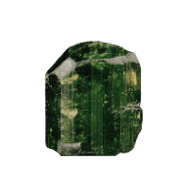
Green Tourmaline (cellular strength, prosperity)
Phase of the Moon:
Waxing Moon for drawing and locking in financial security

Full Moon for sealing household wards and protective boundaries

Chakras:
Chakra | Role of Bayberry | Key Spiritual Action |
Root (Primary)
| Material stability, survival, grounding, and plugging resource leaks. | "I am secure." |
Solar Plexus (Primary) 💛💛 | Personal power, agency, silencing critics, and sovereign authority. | "I am sovereign." |
Heart (Secondary) 💚 | Guarding empathy, emotional self-defense, and healing through boundaries. | "I am protected." |
Vibe Code: Preservation, Structural Tone, Financial Sovereignty, Boundary Defense, Firmness, Resilience.
YouTube Video Library
Bayberry: Sovereign Astringency & The Lost Art of Tissue Toning
Explore the clinical pharmacology, historical Thomsonian applications, and structural tissue-toning properties of Bayberry (Morella cerifera), nature’s premier coastal sentinel for sealing boundaries.

YouTube Link: Coming soon!
The Herbalist's Library: Bayberry
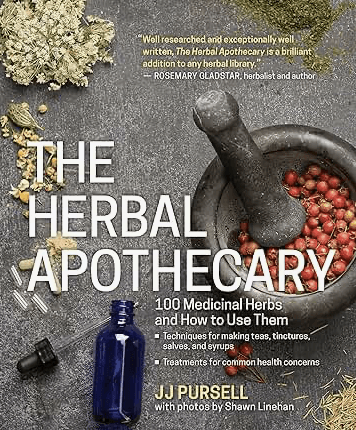
The Herbal Apothecary by JJ Pursell provides practical formulation guidance, including how to prepare alfalfa as tea, tincture, and powder. Pursell's approach honors tradition while offering clear, accessible instruction for modern practitioners.
Folk & Spiritual Traditions
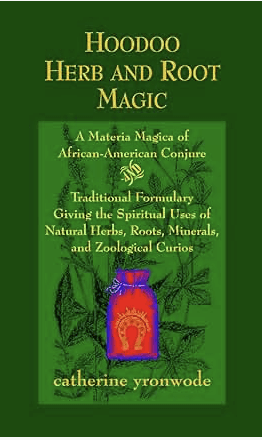
For those drawn to alfalfa's role in prosperity work and folk magic, Hoodoo Herb and Root Magic by Catherine Yronwode explores its use in money-drawing rituals and mojo bags. Yronwode's meticulous research into rootwork traditions makes this an authoritative source for spiritual herbalism.
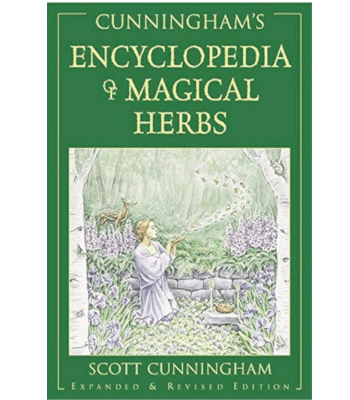
Cunningham's Encyclopedia of Magical Herbs by Scott Cunningham offers a broader view of alfalfa's place in kitchen witchery and abundance rituals, with practical suggestions for integrating it into daily practice.
Nutritive & Clinical Perspectives
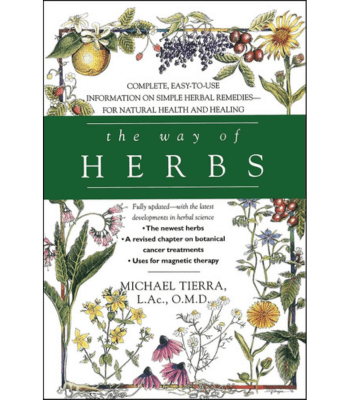
The Way of Herbs by Michael Tierra includes alfalfa among the great nutritive tonics, particularly valued in Traditional Chinese Medicine-influenced Western herbalism for building blood and restoring vitality after illness or childbirth.
For a deeper dive into the plant's biochemical constituents and therapeutic applications, Herbal Medicine: Biomolecular and Clinical Aspects, edited by Benzie and Wachtel-Galor provides peer-reviewed research on alfalfa's saponins, minerals, and phytonutrients.

Foraging & Cultivation
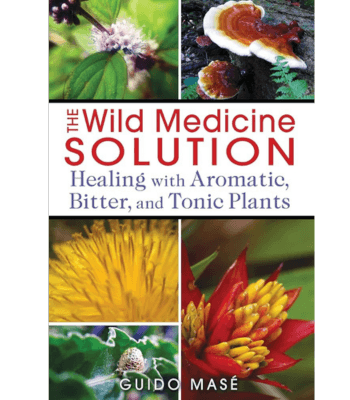
The Wild Medicine Solution by Guido Masé explores alfalfa within the context of naturalized plants that have become part of regional food and medicine systems, with attention to ethical wildcrafting and sustainable use.
*Affiliate links included. We earn a small commission from purchases at no cost to you.
Educational purposes only. Not medical advice. Consult a healthcare provider before use.
