
Bay Leaf
Laurus nobilis
Lauraceae (Laurel Family)
Native Countries / Native to / Habitat
Native to the Mediterranean region, southern Europe, and western Asia. Thrives in rich, well-drained loams, sunny coastal scrublands, rocky hillsides, and protected valleys with abundant direct sunlight.
Bay Leaf (Laurus nobilis)
Essence Overview
Bay Leaf embodies sovereign triumph, thermal activation, and decisive defense. It is not an herb of subtle compromise; it arrives with an unmistakable banner of aromatic authority that clears digestive sluggishness, stirs metabolic heat, and establishes an impenetrable perimeter around the physical core. Armed with volatile, cineole-rich oils, it cuts through dense, cold dampness in the gut, uncurls spasmodic cramping, and stimulates sluggish circulatory pathways when internal vitality has dropped into lethargy.
Energetic & Emotional Profile
Its energetic signature is warm, dry, aromatic, and slightly bitter. Bay Leaf ministers to stagnation that settles deep into the abdominal basin and emotional centers. Emotionally, it provides a fierce, protective anchor for spirits that feel overwhelmed, indecisive, or vulnerable to outside control. By kindling the solar plexus fire, it burns away chronic self-doubt, dispels stagnant mental confusion, and restores the sovereign clarity required to make clean, unhesitating decisions.
Traditional Uses
Traditional Mediterranean and European herbalists relied upon Bay Leaf as a primary carminative, stomachic, and aromatic stimulant. Administered as long decoctions, infused wines, and aromatic steam baths, it was deployed to break up heavy, fatty foods, relieve flatulent colic, ease rheumatic stiffness, and stimulate expectoration during chest colds. In southern European folk practices, whole leaves were stored with grains to prevent insect infestation, demonstrating its traditional dual role as a digestive guardian and a natural preservative.
Safety Considerations
Whole, intact bay leaves must always be removed from food or strained out of decoctions prior to ingestion, as the stiff, fibrous leaves remain sharp and present a dangerous mechanical choking or gastrointestinal perforation hazard. High medicinal doses should be avoided during pregnancy due to mild emmenagogue actions. Concentrated pure essential oil contains methyl eugenol and must never be ingested undiluted; topical use requires proper dilution to prevent contact dermatitis.
Tags
carminative, digestive-fire, respiratory-steam, warming-herb, solar-plexus, aromatic-stimulant, antimicrobial, boundary-setter, traditional-medicine



Tea Recipes
Herbal Decoction
Bay Leaf Solar Digestive Brew
Bay Leaf yields an intensely aromatic, resinous, warm, and spicy decoction with a lingering herbaceous bitterness. It stimulates gastric secretions and clears heavy digestive pressure within 15 minutes of sipping.
Ingredients
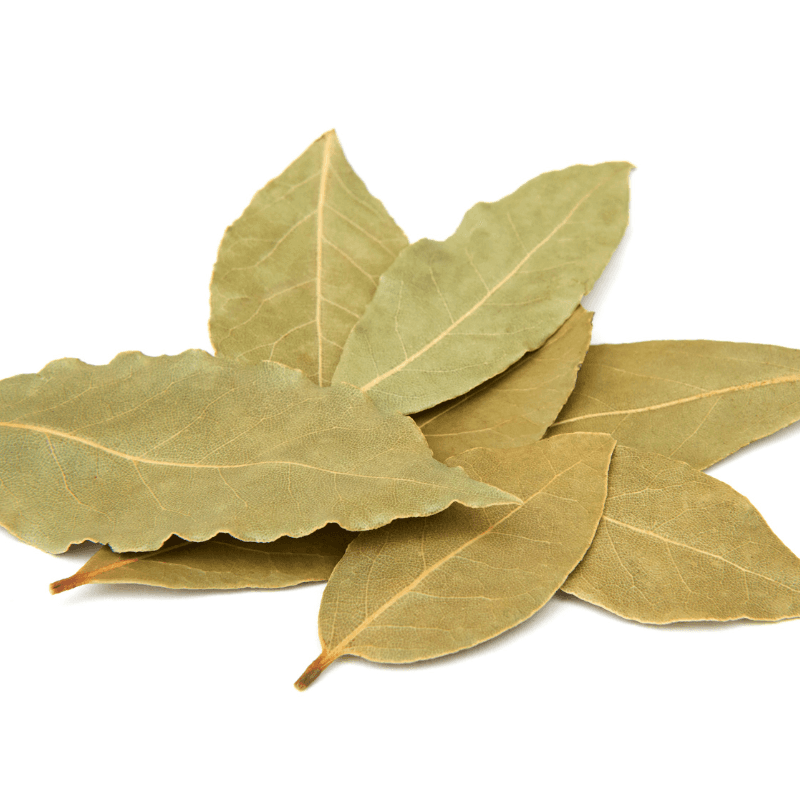
3 to 4 whole dried bay leaves (lightly cracked or bruised to expose oil glands)
10 ounces spring water
Optional: A thin slice of fresh ginger root or 1 cracked cardamom pod to amplify digestive warmth
Method
Lightly bruise the dried bay leaves using your fingers to rupture the aromatic glands.
Place the leaves into a small saucepan with 10 ounces of water.
Bring to a gentle boil, then lower heat, cover tightly with a lid, and simmer for 10 to 12 minutes.
Remove from heat and allow to steep covered for an additional 5 minutes to trap volatile cineole vapors.
Strain thoroughly through a fine mesh strainer to ensure no fibrous leaf fragments remain.
Sip warm in 2 to 4-ounce doses immediately following heavy meals.
Notes for Use
Consume warm after rich, oily, or gas-producing meals to eliminate flatulence and settle gut spasms. Can also be prepared as a strong steam inhalation to loosen tight sinuses.
Safety Considerations
Always strain completely before drinking. Do not consume raw whole leaves. Avoid excessive therapeutic doses during pregnancy.
Healing Benefits and Preparations
Indications Uses: Atonic dyspepsia, flatulent colic, post-prandial bloating, sluggish appetite, bronchial catarrh, unproductive coughs, peripheral circulatory chilliness, topically for unbroken arthritic and muscular joint pain.
Constituents: Volatile essential oils (up to 50% 1,8-cineole/eucalyptol, eugenol, linalool, alpha-pinene, sabinene), sesquiterpene lactones (costunolide), flavonoids, tannins.
Preparations: Bruised leaf decoction, 1:5 high-proof alcohol tincture, infused culinary oil, topical liniment/salve (for joints), aromatic steam inhalation.
Dosage: Decoction: 2 to 4 ounces taken warm after meals; Tincture (1:5): 20 to 40 drops in water up to 3 times daily; Culinary: 1 to 2 whole leaves per pot, removed before serving.
Actions: Carminative, warming aromatic stomachic, diaphoretic, expectorant, antimicrobial, mild antispasmodic, topical counterirritant.
Safety Contraindications: Remove leaves before serving to prevent physical puncture or choking. High doses contraindicated during pregnancy. Discontinue if gastrointestinal irritation occurs.
Energetics: Warming, drying, pungent, aromatic, slightly bitter.
Duration: Carminative relief of bloating and gas occurs within 15 to 30 minutes; chronic respiratory and metabolic stimulation develops over 1 to 2 weeks of regular therapeutic use.
Potency Level: Moderate to high. Active aromatic volatile oils.
Taste Profile: Warm, pungent, highly aromatic, balsamic, slightly bitter with woodsy eucalyptus undertones.
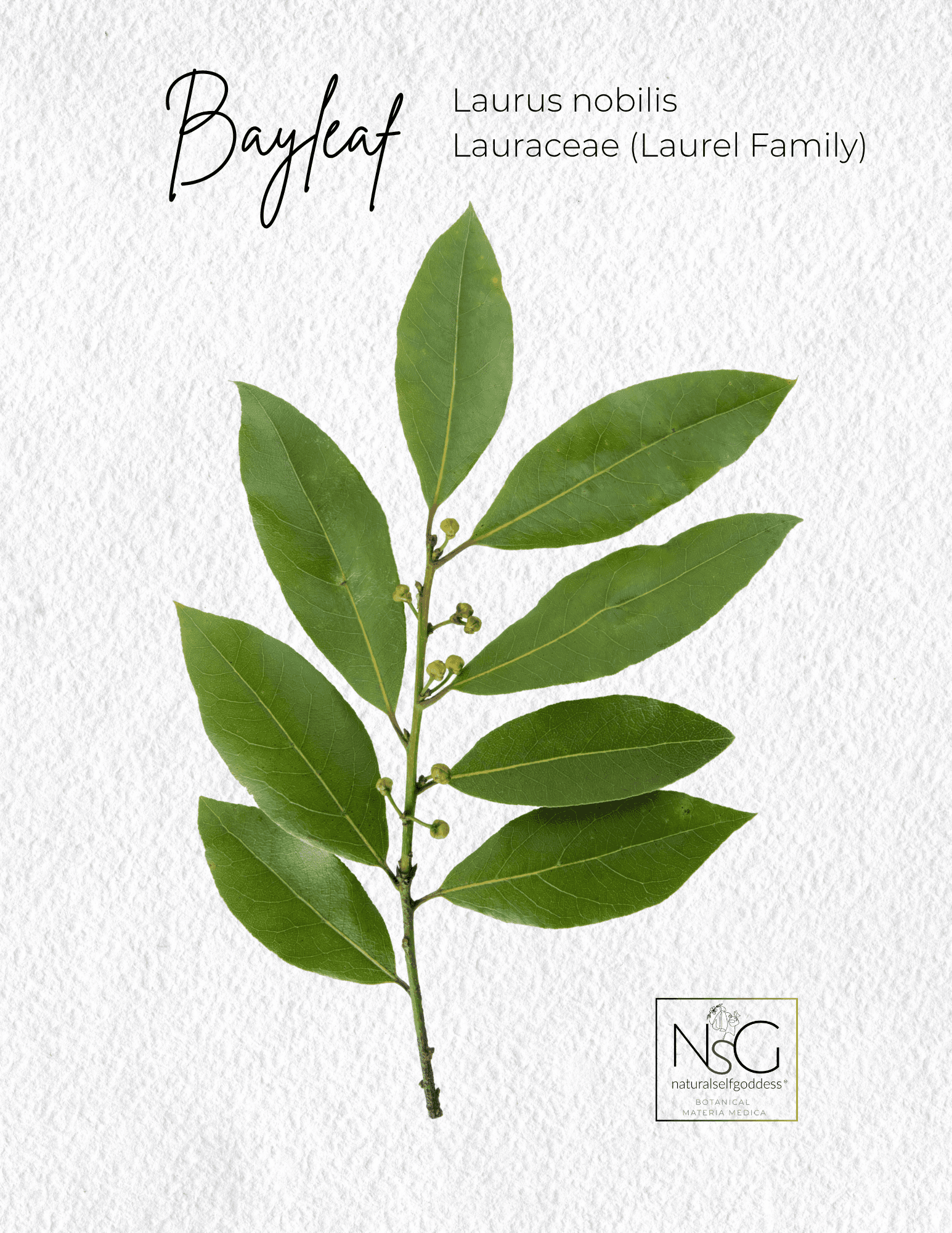
Growth Habitat: Broadleaf evergreen tree or large shrub reaching 20 to 40 feet in native settings (often kept smaller in gardens), featuring leathery, dark green lanceolate leaves and small black-purple berries; thrives in full sun and well-drained, fertile soil.
Harvest Notes: Harvest mature, glossy, dark green leaves in midsummer when essential oil content reaches peak concentration. Dry slowly in single layers away from direct sunlight to preserve green color and delicate aroma. Discard discolored or moldy leaves.
Historical References
Revered throughout Greco-Roman antiquity as the sacred plant of Apollo, the god of healing, prophecy, and solar light. Victorious military commanders, Olympic athletes, and celebrated poets were crowned with laurel wreaths (laurea) as a public symbol of triumphant victory and divine protection.
Classical Roman physician Galen documented Bay Leaf as a premier heating remedy for liver torpor and respiratory chills. In medieval herbals, Nicholas Culpeper declared laurel berries and leaves to be of sovereign efficacy against all venoms, stings, and cold diseases of the stomach and womb.
Folk and Spiritual Medicinal Uses
In Mediterranean folk magic, hoodoo, and Western magical traditions, Bay Leaf is one of the most famous plants for wish manifestation, victory, protection, and psychic defense.
Practitioners write personal intentions, prayers, or sacred sigils directly onto dried leaves with dark ink and burn them in fire, releasing their intention into reality. Placed under pillows, bay leaves ward off night terrors and induce clear, prophetic dreams. Scattered across windowsills, doorway thresholds, or carried in wallets, they establish a hard barrier against financial lack, sour gossip, and malicious spiritual intrusion.
Affirmations: "I stand victorious and focused in my sovereign authority. My fire burns cleanly, my boundaries are fortified, and no negative force can penetrate my space."
Spiritual Ritual Use: Wish burning rites, doorway threshold protection, psychic dream pillows, uncrossing floor sweeps, financial prosperity sachets, solar consecration ceremonies.
Gemstones:
Citrine (solar power, abundance)
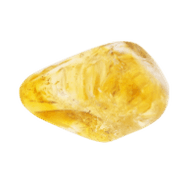
Sunstone (radiant vitality, leadership)

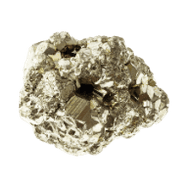
Pyrite (wealth, boundary defense)
Phase of the Moon:
Full Moon for maximum manifestation and victory rituals

Waxing Moon for drawing prosperity and career success.

Vibe Code: Victory, Authority, Solar Radiance, Boundaries, Focus, Decisive Movement.
YouTube Video Library
Bay Leaf: Solar Triumph, Digestive Fire & Sacred Boundaries
Explore the medicinal history, cineole pharmacology, and protective authority of Bay Leaf (Laurus nobilis), nature's premier evergreen symbol of victory and digestive vitality.

YouTube Link: Coming soon!
The Herbalist's Library: Bay Leaf
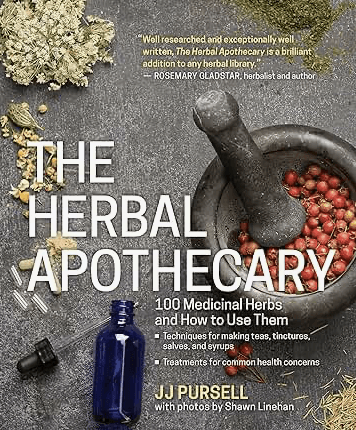
The Herbal Apothecary by JJ Pursell provides practical formulation guidance, including how to prepare alfalfa as tea, tincture, and powder. Pursell's approach honors tradition while offering clear, accessible instruction for modern practitioners.
Folk & Spiritual Traditions
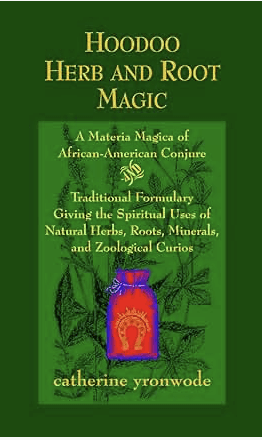
For those drawn to alfalfa's role in prosperity work and folk magic, Hoodoo Herb and Root Magic by Catherine Yronwode explores its use in money-drawing rituals and mojo bags. Yronwode's meticulous research into rootwork traditions makes this an authoritative source for spiritual herbalism.
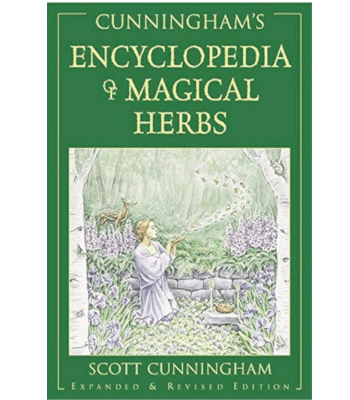
Cunningham's Encyclopedia of Magical Herbs by Scott Cunningham offers a broader view of alfalfa's place in kitchen witchery and abundance rituals, with practical suggestions for integrating it into daily practice.
Nutritive & Clinical Perspectives
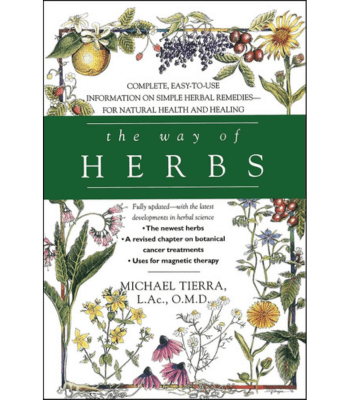
The Way of Herbs by Michael Tierra includes alfalfa among the great nutritive tonics, particularly valued in Traditional Chinese Medicine-influenced Western herbalism for building blood and restoring vitality after illness or childbirth.
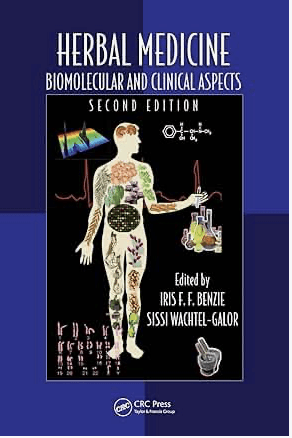
For a deeper dive into the plant's biochemical constituents and therapeutic applications, Herbal Medicine: Biomolecular and Clinical Aspects, edited by Benzie and Wachtel-Galor provides peer-reviewed research on alfalfa's saponins, minerals, and phytonutrients.
Foraging & Cultivation
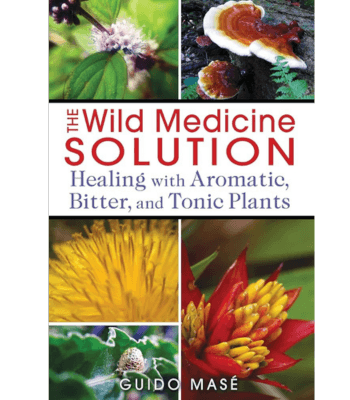
The Wild Medicine Solution by Guido Masé explores alfalfa within the context of naturalized plants that have become part of regional food and medicine systems, with attention to ethical wildcrafting and sustainable use.
*Affiliate links included. We earn a small commission from purchases at no cost to you.
Educational purposes only. Not medical advice. Consult a healthcare provider before use.
