
Basil
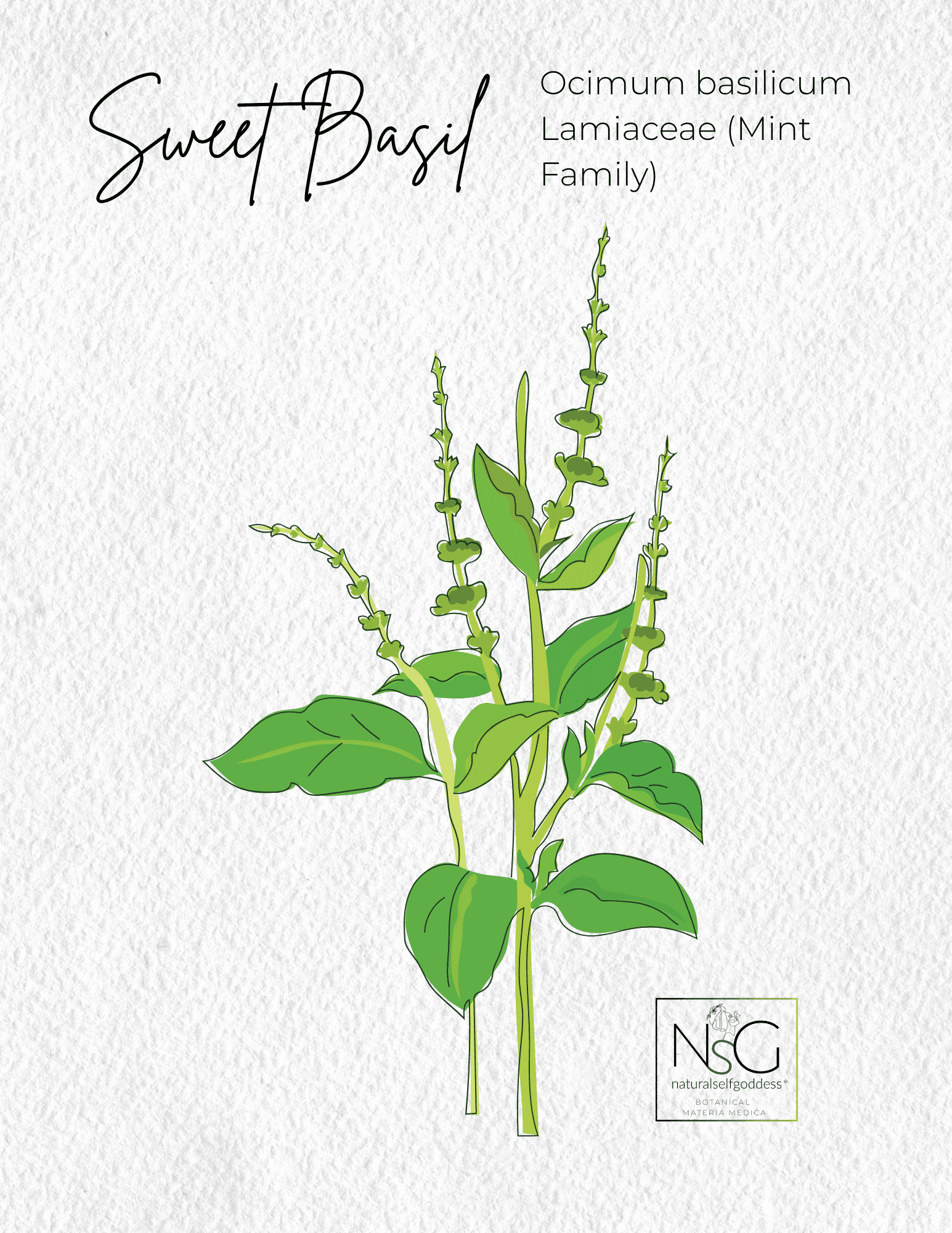
Ocimum basilicum
Lamiaceae (Mint Family)
Native Countries / Native to / Habitat
Native to tropical regions of Central Africa, South Asia, and Southeast Asia. Cultivated globally across warm temperate and Mediterranean regions. Demands rich, moist, well-drained fertile soils and long days of hot, uninterrupted sunlight; extremely frost-tender.
Basil (Ocimum basilicum)
Essence Overview
Basil arrives with the commanding clarity and sovereign warmth of a king. Known since Greek antiquity as basilikon ("royal plant"), it does not hesitate; it cuts straight through the dense, heavy mental fog that allows confusion and boundary-crossing to take root.
Packed with aromatic volatile oils, Basil awakens a sluggish digestive fire, lifts nervous exhaustion from the chest, and clears stagnated thoughts from the third eye and throat. This is an herb of decisive presence—one that elevates the spirit, dispels melancholia, and ensures your decisions belong entirely to you.
Energetic & Emotional Profile
Its energetic frequency is warming, drying, aromatic, pungent, and sweet. Basil ministers directly to mental fatigue, cognitive burnout, and digestive tension caused by suppressed feelings or excessive mental rumination. Emotionally, it acts as a joyful, sovereign catalyst, sweeping away self-doubt, grief, and emotional inertia. It realigns the solar plexus with the mind, instilling the courage to express your voice, dismiss toxic environments, and cultivate an energetic perimeter that radiates abundance and self-command.
Traditional Uses
Traditional European, Ayurvedic, and Mediterranean herbalists long relied on Sweet Basil as an indispensable carminative, nervine, and diaphoretic. Administered as hot leaf infusions, culinary preparations, and aromatic steam inhalations, it was prescribed to dispel flatulent digestive colic, alleviate nervous tension headaches, soothe spasmodic coughs, and revive spirits weighed down by dark melancholy. In southern European folk traditions, pots of basil were kept on windowsills to purify the home's atmosphere, repel biting insects, and attract good fortune.
Safety Considerations
Safe in culinary amounts and typical herbal tea infusions. Pure concentrated basil essential oil is high in methyl chavicol (estragole) and must never be taken internally in undiluted forms. High-dose medicinal extracts should be avoided during pregnancy due to mild emmenagogue properties.
Tags
mental-clarity, carminative, nervine, digestive-fire, uplifting-herb, prosperity-magnet, throat-chakra, focus-ally, traditional-medicine




Tea Recipes Herbal Infusion
Basil Sovereign Clarity Infusion
Basil yields a pale green-gold, intensely aromatic, sweet, spicy, and warming brew with clove and anise-like undertones. It sweeps away mental exhaustion while warming the stomach.
Ingredients
1 to 2 tablespoons fresh Basil leaves (or 1 tablespoon dried leaves)
8 to 10 ounces boiling spring water
Optional additions: A squeeze of fresh lemon juice or a teaspoon of raw honey
Method
Lightly bruise the basil leaves between your fingers to rupture the oil glands.
Place leaves into a ceramic mug or teapot.
Pour boiling water directly over the foliage.
Cover immediately with a saucer to trap the volatile aromatics.
Steep covered for 10 minutes.
Inhale the steam deeply, strain, and sip warm.
Notes for Use
Drink 1 cup during afternoon mental slumps, before demanding intellectual tasks, or after meals to prevent gas and bloating.
Safety Considerations
Safe for regular consumption; avoid concentrated oil internally.
Healing Benefits and Preparations
Indications Uses: Brain fog, intellectual fatigue, nervous dyspepsia, flatulent colic, tension headaches, mild digestive cramps, low mood.
Constituents: Volatile essential oils (linalool, eugenol, methyl chavicol/estragole, cineole), rosmarinic acid, flavonoids (orientin, vicenin), caffeic acid, tannins.
Preparations: Fresh/dried leaf infusion, culinary integration, alcohol tincture (1:5, 50% alcohol), infused herbal vinegar, aromatic steam bath.
Dosage: Infusion: 1 cup, 2 to 3 times daily; Tincture: 30 to 60 drops in water as needed; Fresh leaves: Consumed liberally in food.
Actions: Carminative, mild nervine relaxant, digestive stimulant, diaphoretic, antispasmodic, antimicrobial.
Safety Contraindications: Avoid high-dose medicinal extracts during pregnancy; do not consume pure essential oil internally.
Energetics: Warming, drying, aromatic, pungent, slightly sweet.
Duration: Carminative and mental clarity effects are experienced within 15 to 30 minutes; digestive toning unfolds over 1 to 2 weeks.
Potency Level: Moderate. Reliable aromatic nervine and digestive ally.
Taste Profile: Sweet, spicy, pungent, aromatic with warm clove, mint, and pepper notes.
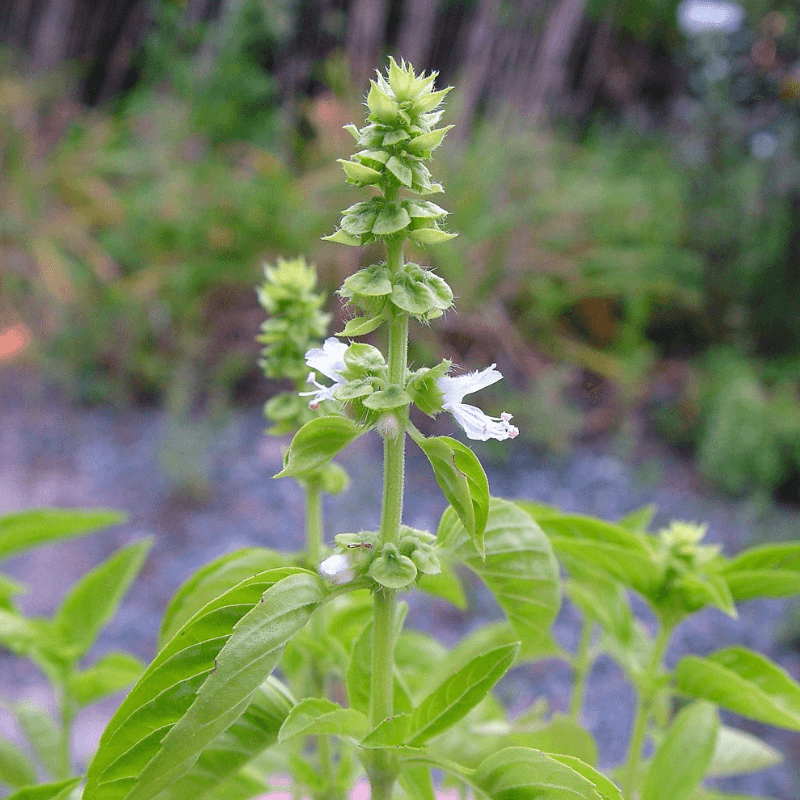
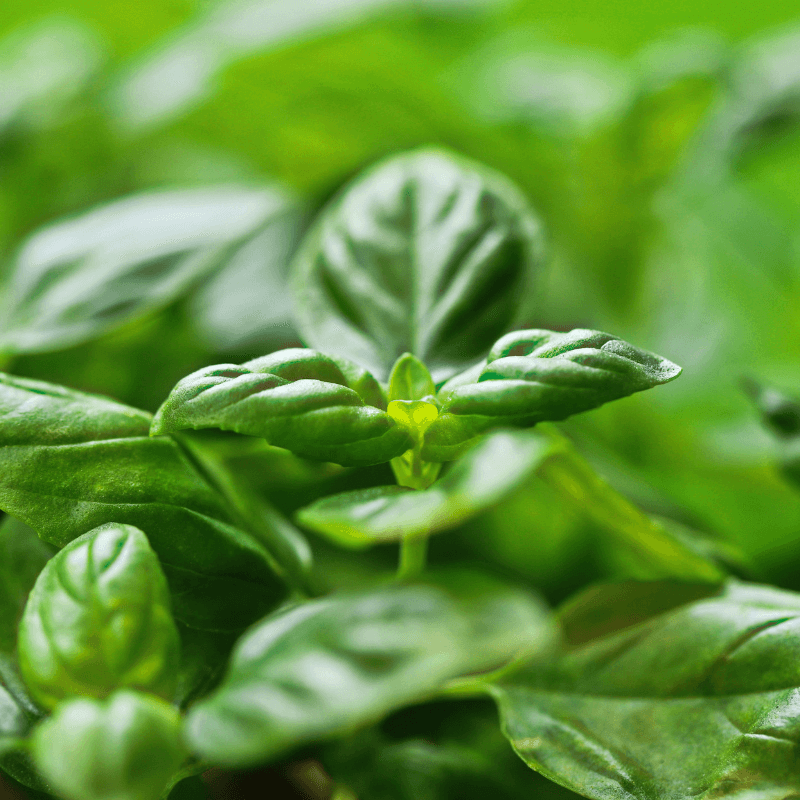
Growth Habitat: Tender annual herb growing 1 to 2 feet tall with bright green, glossy, ovate leaves and terminal spikes of small white or pale purple two-lipped flowers; demands hot sun and fertile, moist soil.
Harvest Notes: Cut flowering stems in early to mid-summer just before the flowers open to capture maximum essential oil content. Dry carefully in a dark, warm space or consume fresh for optimal flavor and medicine.
Historical References
The ancient Greeks called basil basilikon phyton, meaning "royal plant," reserving it for kings and believing it required harvesting with golden sickles. In ancient Rome, master writers like Pliny documented its carminative power to soothe stomach complaints and relieve melancholy.
In medieval European lore, basil held a dual reputation: while some feared it bred scorpions, monastic gardens cultivated it extensively to treat nervous exhaustion, settle fevers, and clear the mind. In India, its holy sister plant, Tulsi (Ocimum sanctum), has been revered for millennia as an earthly manifestation of the goddess Lakshmi.
Folk and Spiritual Medicinal Uses
Across European folk magic, Mediterranean witchcraft, and American Hoodoo, Basil is celebrated as a peerless botanical for wealth attraction, domestic peace, and spiritual purification.
Simmered into strong floor washes, it is used to scrub front thresholds, banishing chaotic entities, clearing crossed conditions, and inviting steady prosperity into the home.
Dried leaves carried in green or red flannel mojo bags ensure success in business dealings and command respect in public spaces. Placed under a pillow, basil sweetens dreams and repels night terrors.
Affirmations: "I claim my sovereign clarity. My mind is sharp, my home is protected, and I welcome radiant abundance and unshakeable peace."
Spiritual Ritual Use: Prosperity floor washes, sweetening baths, business success charms, third-eye clearing, boundary protection, peace-making spells.
Gemstones:
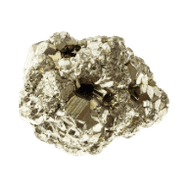
Pyrite (attracting wealth)
Carnelian (creative confidence)

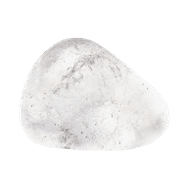
Clear Quartz (clarity and focus)
Phase of the Moon:
Waxing Gibbous for drawing wealth and success

Full Moon for blessing and locking down household boundaries.

Vibe Code: Royal Clarity, Abundance, Sovereign Command, Focus, Harmony, Vital Fire.
YouTube Video Library
Basil: Royal Clarity, Digestive Fire & Personal Authority
Discover the rich history, volatile aromatic chemistry, and nervous system clearing power of Sweet Basil (Ocimum basilicum), nature's royal botanical for focus and alignment.

YouTube Link: Coming soon!
The Herbalist's Library: Basil
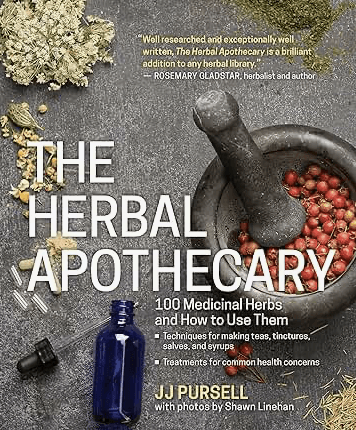
The Herbal Apothecary by JJ Pursell provides practical formulation guidance, including how to prepare alfalfa as tea, tincture, and powder. Pursell's approach honors tradition while offering clear, accessible instruction for modern practitioners.
Folk & Spiritual Traditions
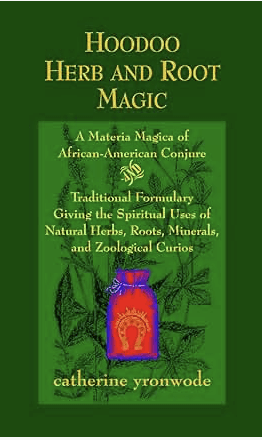
For those drawn to alfalfa's role in prosperity work and folk magic, Hoodoo Herb and Root Magic by Catherine Yronwode explores its use in money-drawing rituals and mojo bags. Yronwode's meticulous research into rootwork traditions makes this an authoritative source for spiritual herbalism.
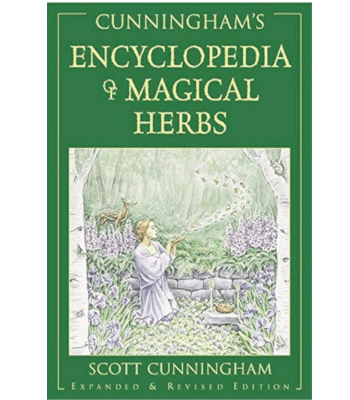
Cunningham's Encyclopedia of Magical Herbs by Scott Cunningham offers a broader view of alfalfa's place in kitchen witchery and abundance rituals, with practical suggestions for integrating it into daily practice.
Nutritive & Clinical Perspectives
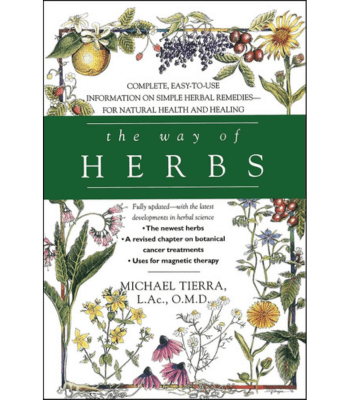
The Way of Herbs by Michael Tierra includes alfalfa among the great nutritive tonics, particularly valued in Traditional Chinese Medicine-influenced Western herbalism for building blood and restoring vitality after illness or childbirth.
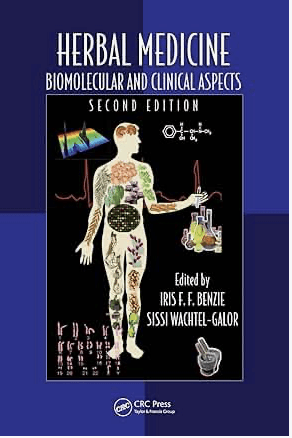
For a deeper dive into the plant's biochemical constituents and therapeutic applications, Herbal Medicine: Biomolecular and Clinical Aspects, edited by Benzie and Wachtel-Galor provides peer-reviewed research on alfalfa's saponins, minerals, and phytonutrients.
Foraging & Cultivation
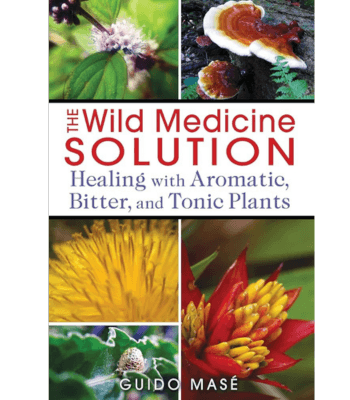
The Wild Medicine Solution by Guido Masé explores alfalfa within the context of naturalized plants that have become part of regional food and medicine systems, with attention to ethical wildcrafting and sustainable use.
*Affiliate links included. We earn a small commission from purchases at no cost to you.
Educational purposes only. Not medical advice. Consult a healthcare provider before use.
