Barberry
Berberis vulgaris
Berberidaceae (Barberry Family)
Native Countries / Native to / Habitat
Native to Central and Southern Europe, Northwest Africa, and Western Asia. Naturalized widely throughout temperate North America in pastures, rocky hillsides, open thickets, and calcified soils. Demands full sun to partial shade and dry, well-drained, lime-rich soils.
Barberry (Berberis vulgaris)
Essence Overview
Armed with brilliant yellow berberine alkaloids, Barberry executes a fierce, uncompromising hepatic and microbial clearance. It is not an ally of gentle persuasion; it is a sharp, bitter regulator that confronts stagnant metabolic sludge, forces sluggish bile outward, and establishes absolute boundary integrity across the gastrointestinal and mucosal terrain. Where heat, fermentation, and microbial dysbiosis have taken hold, Barberry draws an unyielding line in the sand, commanding the liver and gallbladder to purge toxic accumulation and restoring crisp metabolic order to the physical vessel.
Energetic & Emotional
Profile Its energetic frequency is cold, intensely bitter, drying, and purifying. Barberry addresses toxic stagnation, trapped anger, and chronic frustration that has settled into the liver and solar plexus. Emotionally, it acts as a decisive scalpel, cutting through psychological inertia, bitter resentments, and self-defeating behavioral loops. It is the ally to call upon when you feel burdened by toxic environments or heavy relationships, providing the sharp clarity to purge what no longer serves and establish impenetrable personal boundaries.
Traditional Uses
Across centuries of European, Mediterranean, and Anglo-American herbalism, Barberry was heralded as the premier remedy for jaundice, torpid liver states, and digestive sluggishness. Classical herbalists decocted the intensely bitter yellow root bark to stimulate bile secretions, clear inflammatory skin eruptions, and halt infectious dysentery. The bright red autumn berries, rich in vitamin C and organic fruit acids, were pressed into tart syrups and jams to cool fevers, quench inflammatory thirst, and support renal filtration.
Safety Considerations
Strictly contraindicated during pregnancy and lactation. Berberine stimulates uterine contractions and can displace bilirubin in neonates, presenting serious neurotoxic risks. Contraindicated in individuals with active bile duct obstruction or severe liver failure. High doses can cause nausea, gastrointestinal cramping, and disruption of normal gut flora; keep therapeutic administration to focused, cyclic windows.
Tags
hepatic-clearance, berberine-rich, bitter-tonic, cholagogue, microbial-defense, liver-cleanser, skin-purifier, boundaries, traditional-medicine



Tea Recipes
Herbal Decoction: Barberry Hepatic Bitter Decoction
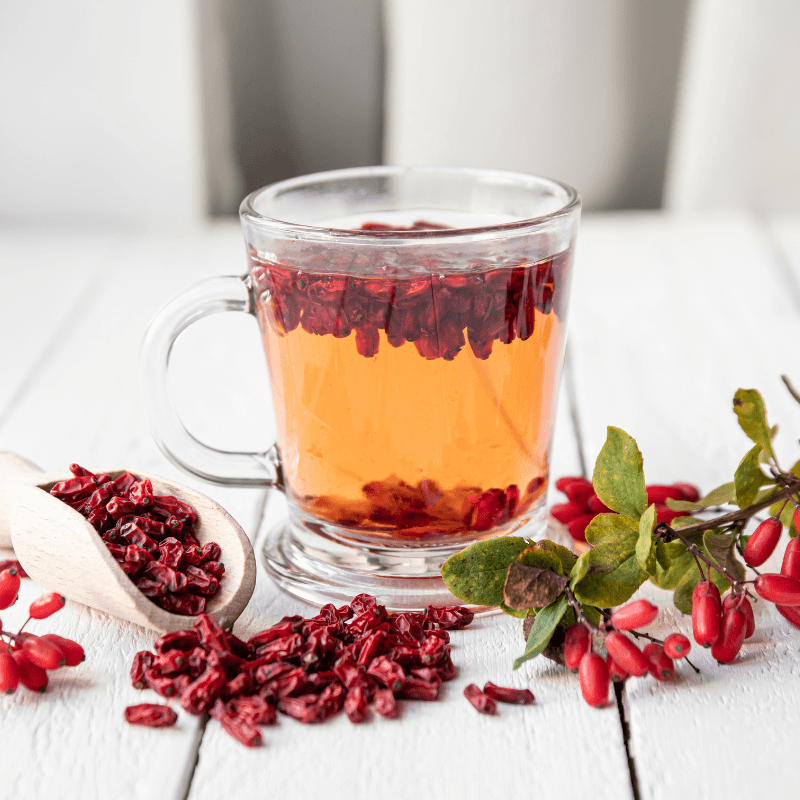
Barberry root bark yields a striking, fluorescent-yellow brew with an intensely bitter, sharp, astringent flavor. A tiny amount stimulates salivary and bile secretions almost instantly.
Ingredients
1/2 teaspoon dried Barberry root bark (shredded or crushed)
8 to 10 ounces cold spring water
Optional additions: A slice of orange peel or dried fennel seed to temper the intense bitterness
Method
Place the Barberry root bark into a small saucepan with cold spring water.
Bring to a gentle boil, then lower the heat to a simmer.
Cover and simmer for 15 minutes.
Remove from heat, let steep for 5 minutes, and strain through a fine mesh filter.
Consume in small 1 to 2 ounce doses 15 to 20 minutes before meals.
Notes for Use
Consume as a targeted bitter aperitif to ignite sluggish digestion, stimulate bile flow, and relieve hepatic bloating. Limit continuous daily use to 2 to 3 weeks.
Safety Considerations
Avoid during pregnancy and lactation. Do not consume if diagnosed with gallstones or blocked bile ducts without professional guidance.
Healing Benefits and Preparations
Indications Uses: Torpid liver, gallbladder sluggishness, chronic constipation associated with lack of bile, bacterial diarrhea, candida overgrowth, inflammatory acne, psoriasis, eczema.
Constituents: Isoquinoline alkaloids (berberine, berbamine, oxyacanthine, jatrorrhizine), tannins, resin, chelidonic acid, vitamin C (in berries).
Preparations: Root bark decoction, alcohol tincture (1:5, 60% alcohol), powdered root capsules, berry syrup (cooling nutritive).
Dosage: Decoction: 1 to 2 ounces taken before meals; Tincture (1:5): 20 to 40 drops in water, 2 to 3 times daily; Powder: 500 mg to 1 gram daily.
Actions: Cholagogue, choleretic, bitter hepatic, antimicrobial, alterative, anti-inflammatory, mild laxative.
Safety Contraindications: Strictly contraindicated in pregnancy and nursing. Avoid in complete biliary obstruction.
Energetics: Cold, dry, intensely bitter.
Duration: Stimulation of bile and digestive secretions occurs within 15 minutes; clearing of systemic skin eruptions and dysbiosis unfolds over 2 to 4 weeks.
Potency Level: High—intensely active berberine alkaloid botanical.
Taste Profile: Piercingly bitter, sharp, astringent, earthy with a cooling energetic finish.
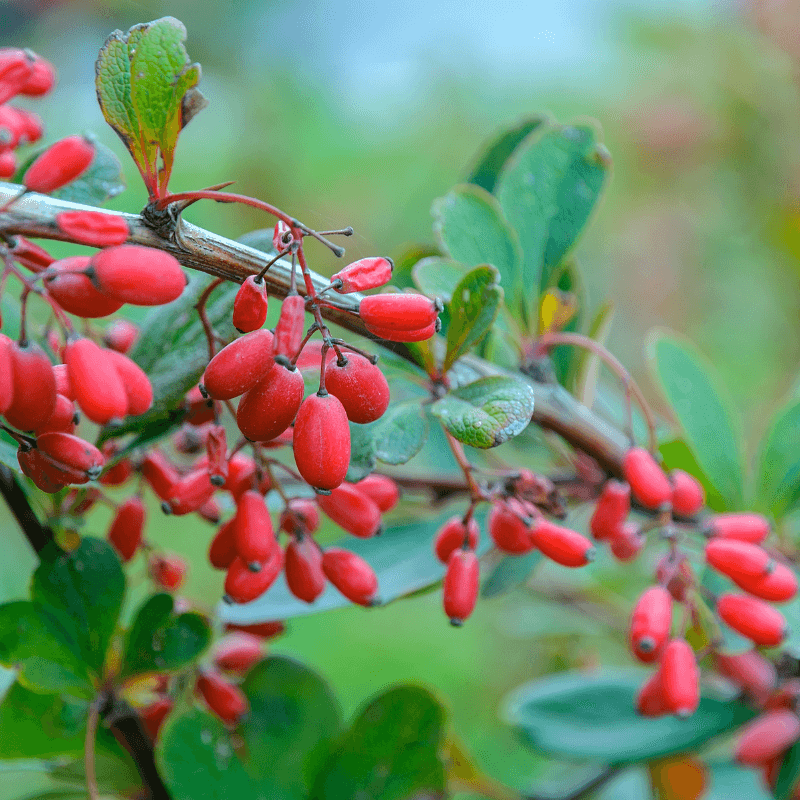
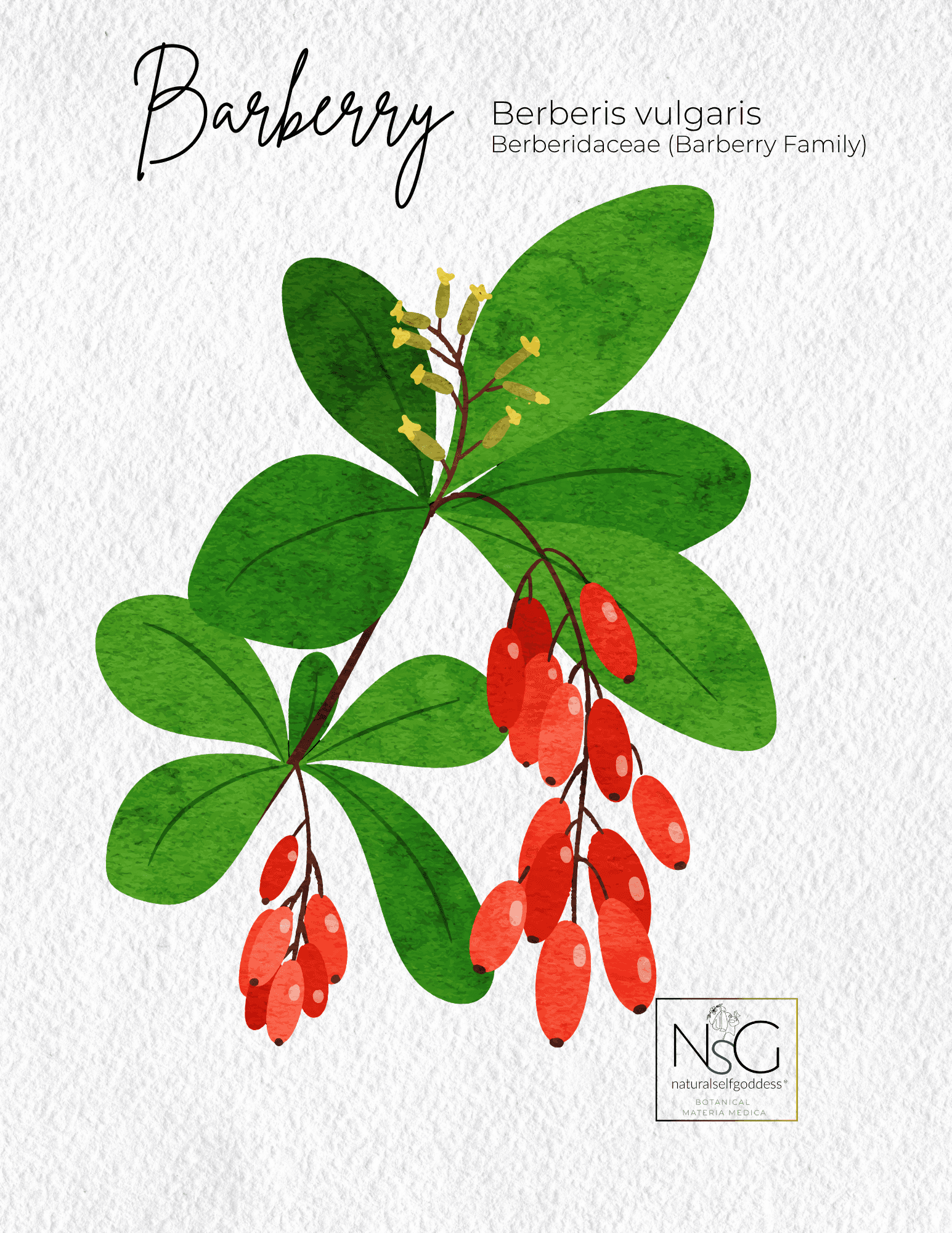
Growth Habitat: Spiny deciduous shrub reaching 6 to 10 feet tall with grooved stems, three-pronged spines, drooping racemes of small yellow flowers, and oblong bright scarlet berries; thrives in dry, sunny, calcified hedgerows.
Harvest Notes: Dig roots and strip bark in late autumn or early spring before vegetative growth begins. Dry quickly in the shade to preserve bright yellow alkaloid content.
Historical References
In ancient Babylonian and Egyptian cuneiform tablets, Barberry was documented alongside fennel seed as an indispensable compound to prevent and resolve feverish pestilence. The Roman physician Galen and medieval apothecaries prescribed it under the Doctrine of Signatures: its vibrant yellow inner bark was seen as nature’s clear marker for treating yellow bile disorders, jaundice, and liver congestion.
In the 19th century, English agriculturalists realized that Barberry served as an alternate host for wheat stem rust fungus, leading to massive eradication campaigns that made wild European barberry far rarer today.
Folk and Spiritual Medicinal Uses
In traditional European folk magic, Hoodoo, and uncrossing practices, Barberry is worked with as a fierce botanical scalpel for cord-cutting, hex-breaking, and boundary defense. Its sharp thorns and bitter essence make it a formidable talisman for repelling toxic individuals, silencing malicious gossip, and severing obsessive psychic attachments.
Simmered into cleansing floor washes or carried in black or red flannel bags, Barberry scrubs the energetic atmosphere of stagnant, parasitic residue, forcing unwanted entities to vacate the premises and restoring pristine spiritual sovereignty.
Affirmations: "I purge what is toxic, stagnant, and untrue. I cut away false attachments and command absolute purity within my sovereign vessel."
Spiritual Ritual Use: Uncrossing baths, cord-cutting rites, warding against malicious speech, boundary defense charms, solar plexus clearing. Barberry acts like a sword or "botanical scalpel" for the Solar Plexus and Root—cutting away the toxic attachments and chords that drain your personal power.
Gemstones:
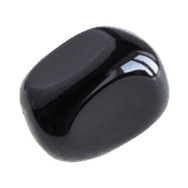
Black Onyx (severing ties)
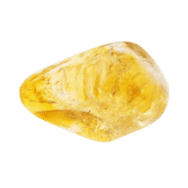
Citrine (solar power, digestion)
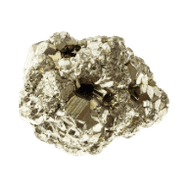
Pyrite (deflecting hostility)
Phase of the Moon:

Waning Moon for purging toxic accumulation, breaking curses, and clearing stale emotional ties.
Chakras:
Solar Plexus Chakra (Manipura):

🟡 Primary Alignment: Solar Plexus Chakra (Manipura)
"I AM strong, powerful, and confident."
Physically and metaphysically, bitter herbs stimulate the liver and gallbladder, which are the physical organs ruled by the Solar Plexus.
Sovereignty: The affirmation commands purity within a "sovereign vessel," reinforcing the Solar Plexus theme of personal power and autonomy.
Root Chakra (Muladhara):

🔴 Heavy Co-Alignment: Root Chakra (Muladhara)
"I AM safe, grounded, and secure."
Defense and Thorns: Its "sharp thorns" and use for "boundary defense" directly serve the Root Chakra's mandate for physical and energetic safety.
Uncrossing: In folk traditions, "uncrossing" or hex-breaking means removing dense, heavy, or malefic energies that keep a person stuck, which directly clears a blocked or stagnant Root Chakra.
Vibe Code: Severance, Hepatic Purity, Sharp Clarity, Boundary Enforcement, Scour, Sovereignty.
YouTube Video Library
Barberry: Hepatic Scour & Microbial Boundary Control
Explore the clinical pharmacology, berberine biochemistry, and liver-clearing actions of Barberry (Berberis vulgaris), nature's bitter guardian of metabolic order.

YouTube Link: Coming soon!
The Herbalist's Library: Barberry
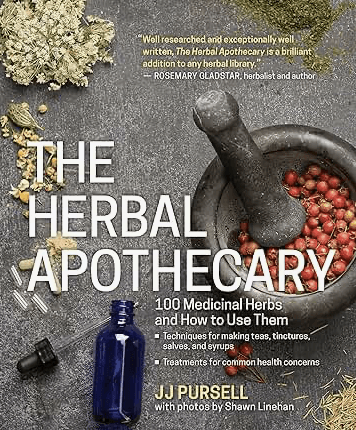
The Herbal Apothecary by JJ Pursell provides practical formulation guidance, including how to prepare alfalfa as tea, tincture, and powder. Pursell's approach honors tradition while offering clear, accessible instruction for modern practitioners.
Folk & Spiritual Traditions
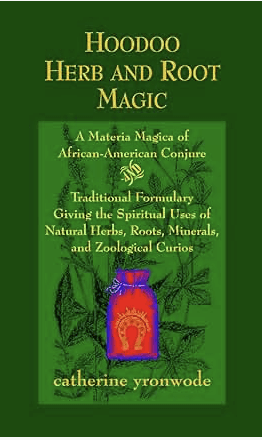
For those drawn to alfalfa's role in prosperity work and folk magic, Hoodoo Herb and Root Magic by Catherine Yronwode explores its use in money-drawing rituals and mojo bags. Yronwode's meticulous research into rootwork traditions makes this an authoritative source for spiritual herbalism.
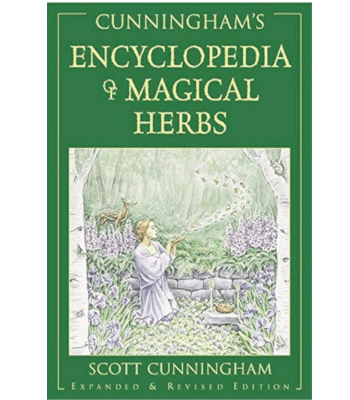
Cunningham's Encyclopedia of Magical Herbs by Scott Cunningham offers a broader view of alfalfa's place in kitchen witchery and abundance rituals, with practical suggestions for integrating it into daily practice.
Nutritive & Clinical Perspectives
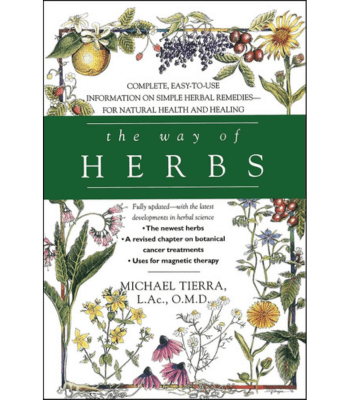
The Way of Herbs by Michael Tierra includes alfalfa among the great nutritive tonics, particularly valued in Traditional Chinese Medicine-influenced Western herbalism for building blood and restoring vitality after illness or childbirth.
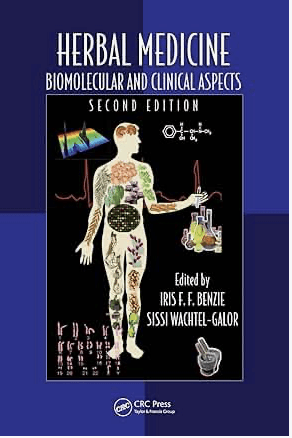
For a deeper dive into the plant's biochemical constituents and therapeutic applications, Herbal Medicine: Biomolecular and Clinical Aspects, edited by Benzie and Wachtel-Galor provides peer-reviewed research on alfalfa's saponins, minerals, and phytonutrients.
Foraging & Cultivation
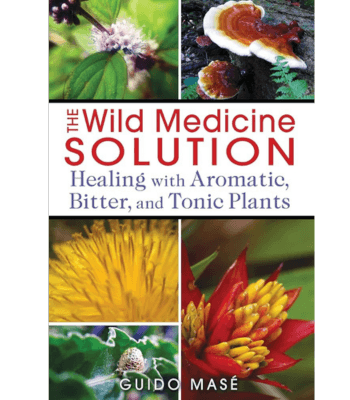
The Wild Medicine Solution by Guido Masé explores alfalfa within the context of naturalized plants that have become part of regional food and medicine systems, with attention to ethical wildcrafting and sustainable use.
*Affiliate links included. We earn a small commission from purchases at no cost to you.
Educational purposes only. Not medical advice. Consult a healthcare provider before use.
