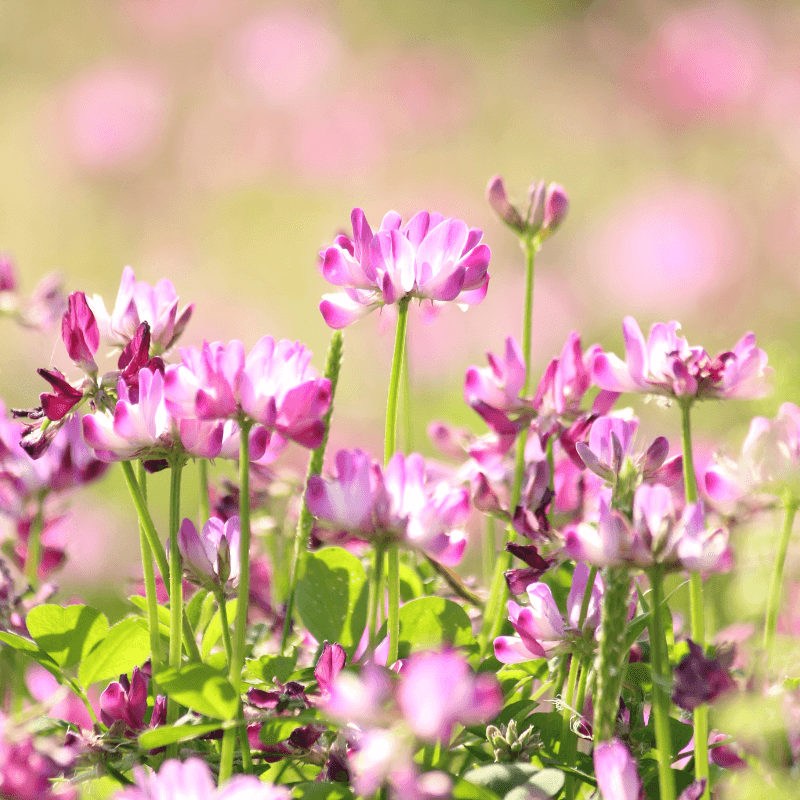
Astragalus
Astragalus membranaceus
Fabaceae (Legume Family)
Native Countries / Native to / Habitat
Native to Northern and Eastern China, Mongolia, and the Russian Far East. Thrives on sunny grassy slopes, mountain margins, shrublands, and sandy riverbank soils. Demands deep, porous, sandy, well-drained soils and cold winter climates.
Astragalus (Astragalus membranaceus)
Essence Overview
Astragalus is the supreme builder of the defensive perimeter. In the ancient framework of Traditional Chinese Medicine, it weaves and commands Wei Qi—the radiant energetic and physical protective shield that circulates just beneath the skin to repel invasive environmental pathogens. It does not act as an aggressive, short-term immune stimulant that forces an artificial crisis; rather, it is a foundational, tonifying adaptogen that strengthens deep lung and spleen vitality, fortifies cellular defenses, and seals the perimeter against chronic exhaustion. Where stress or persistent sickness has left your barriers porous, Astragalus reconstructs the fortress wall.
Energetic & Emotional
Profile Its energetic frequency is warm, sweet, moistening, and tonifying. Astragalus ministers directly to states of collapsed vitality, spontaneous cold sweating, shallow breathing, and systemic fatigue. Emotionally, it provides a firm, protective buffer for sensitive individuals who constantly absorb the chaotic, heavy emotional currents of their environment. It teaches your energy body how to maintain strict, sovereign borders without hardening your heart. By tonifying the core, it gives you the steady physical and psychic endurance to show up in the world without leaking your precious life force.
Traditional Uses
Documented for over two millennia as Huang Qi ("Yellow Leader"), Astragalus has been prized as one of the most elite tonic medicines in Asian pharmacopeias. Traditionally simmered for hours into medicinal bone broths, herbal decoctions, and honey-fried preparations, it was prescribed to treat chronic weakness, prolapse of internal organs due to sinking spleen energy, spontaneous sweating, non-healing chronic sores, and persistent fatigue. Western clinical herbalism adopted Astragalus as a premier deep immune tonic and adaptogen, utilizing it to support white blood cell recovery, modulate immune surveillance, and protect cardiovascular function under chronic stress.
Safety Considerations
Astragalus is exceptionally safe for daily long-term tonification. However, based on classical principles, it should NOT be used during acute, active infections or high fevers. Because it strengthens the defensive perimeter, traditional herbalism warns that taking Astragalus during an acute cold or flu can "trap the pathogen inside" the body, intensifying symptoms. Use with caution and clinical guidance in individuals taking prescription immunosuppressive drugs.
Tags
deep-immune-tonic, wei-qi, adaptogen, lung-support, boundary-shield, spleen-tonifier, cardiovascular-ally, endurance-builder, traditional-medicine


Tea Recipes
Herbal Decoction
Astragalus Fortifying Barrier Broth Astragalus roots are thick, fibrous, and wood-like; simple quick steeping will not liberate their active immunomodulating polysaccharides. Long simmering extracts a rich, golden, naturally sweet, and earthy tea that blends seamlessly into culinary broths.
Ingredients
4 to 5 large dried Astragalus root slices (tongues)
16 ounces spring water (or homemade vegetable/bone stock)
Optional additions: 1 dried shiitake mushroom, a slice of ginger, or a date to enhance tonifying and immune properties
Method
Place the dried Astragalus root slices into a small saucepan or slow cooker with 16 ounces of water or broth.
Bring to a gentle boil, then lower the heat to the lowest setting.
Simmer covered for a minimum of 45 to 60 minutes.
Remove from heat and strain thoroughly (discard the fibrous wood-like root tongues).
Sip the rich, golden, sweet liquid warm throughout the morning or use as the cooking base for grains and soups.
Notes for Use
Consume daily throughout the autumn and winter months to fortify your immune perimeter against seasonal threats. Discontinue immediately if you develop an acute fever or active infection.
Safety Considerations
Do not consume during acute fevers, active chills, or acute bacterial infections.
Healing Benefits and Preparations
Indications Uses: Chronic immune depletion, frequent recurrent colds, post-viral fatigue, spontaneous daytime sweating, shallow breathing, mild organ prolapse, exercise-induced cardiovascular strain.
Constituents: Polysaccharides (astragalaglucans), triterpenoid saponins (astragalosides I–VIII), flavonoids (formononetin, calycosin), sterols, trace selenium, amino acids.
Preparations: Long-simmered decoction, culinary broth integration, standardized alcohol tincture (1:5, 50% alcohol), powdered extract capsules.
Dosage: Dried root: 10 to 30 grams simmered in decoctions daily; Tincture (1:5): 40 to 80 drops in warm water twice daily; Standardized extract: 500 to 1,000 mg daily.
Actions: Deep immune tonic, adaptogen, immunomodulator, cardiotonic, mild aquaretic, spleen and lung tonifier.
Safety Contraindications: Strictly avoid during acute, active fevers or systemic bacterial infections. Consult a physician if taking immunosuppressive medications.
Energetics: Warm, sweet, moistening, tonifying.
Duration: Initial improvements in energy and stamina occur within 2 to 3 weeks; full rebuilding of the deep immune architecture and Wei Qi perimeter requires 2 to 3 months of consistent use.
Potency Level: Moderate to high—deep cumulative immune architect.
Taste Profile: Sweet, pleasant, mild, earthy, slightly woody with a warm, tonifying finish.
Growth Habitat: Perennial legume growing 16 to 36 inches tall with pinnate leaves and pale yellow pea-like tubular blossoms; produces long, cylindrical fibrous taproots that dig deep into sandy soils.
Harvest Notes: Dig roots from plants that are at least four to five years old during late autumn. Slice longitudinally into the classic "tongue" shape and dry thoroughly under controlled heat.

Historical References
Astragalus is documented in China’s oldest surviving materia medica, the Shen Nong Ben Cao Jing (The Divine Farmer’s Classic of Materia Medica), compiled over two thousand years ago. The text placed Astragalus in the "Superior Class" of botanicals—substances that build vitality, extend life, and preserve health without toxicity.
Throughout Chinese history, it was the central botanical in formulas like Yu Ping Feng San ("Jade Windscreen Powder"), designed to throw an impenetrable shield around travelers exposed to cold, damp winds. Modern scientific research has identified its astragaloside compounds as potent telomerase activators and cardiovascular protectors.
Folk and Spiritual Medicinal Uses
In Eastern energetic philosophies and modern metaphysical herbalism, Astragalus is revered as an herb of sovereignty, protection, and energetic boundary defense. It helps to repair in the auric field caused by long-term stress, emotional exhaustion, or psychic intrusions.
By sealing the subtle body, Astragalus prevents "psychic sponges" from absorbing the lower-frequency anxieties and demands of others. In protective magic, dried root slices are carried in gold or yellow silk bags to cast an impenetrable perimeter of personal vitality and maintain unshakeable confidence in adversarial settings.
Affirmations: "My defensive perimeter is fortified and complete. I seal my borders, radiate vital force, and stand untouchable in my sovereign space."
Spiritual Ritual Use: Auric shield repair, boundary fortification rituals, warding against psychic vampires, vitality manifestation bags, solar plexus empowerment.
Gemstones:
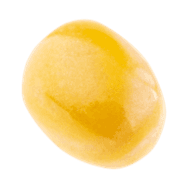
Yellow Jasper (solar fortitude)
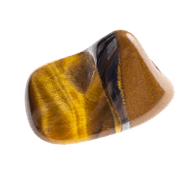
Tiger’s Eye (courage and boundaries)
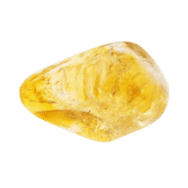
Citrine (abundance, protective light)
Phase of the Moon:
Waxing Moon for building defensive power

Full Moon for locking down impenetrable boundaries.

Chakras:
Solar Plexus Chakra (Manipura): "I AM strong, powerful, and confident."

Root Chakra (Muladhara): "I AM safe, grounded, and secure."

Vibe Code: Fortress, Fortification, Sovereign Shield, Vital Fire, Wei Qi, Resilience.
YouTube Video Library
Astragalus: Building the Impermeable Immune Shield
Explore the clinical pharmacology, Wei Qi architecture, and adaptogenic science of Astragalus (Astragalus membranaceus), nature’s supreme builder of defensive immunity.
YouTube Link: Coming soon!

The Herbalist's Library: Astragalus
Chinese Herbal Medicine: Materia Medica by Dan Bensky provides comprehensive classical and modern clinical data on Huang Qi.
Adaptogens: Herbs for Strength, Stamina, and Stress Relief by David Winston and Steven Maimes explores Astragalus as a foundational immune adaptogen.
Healing with the Herbs of Life by Lesley Tierra details the energetics of Wei Qi and practical restorative formulas incorporating Astragalus root.
Principles and Practice of Phytotherapy by Simon Mills and Kerry Bone delivers clinical research evaluating Astragalus polysaccharides in cancer care and viral recovery.
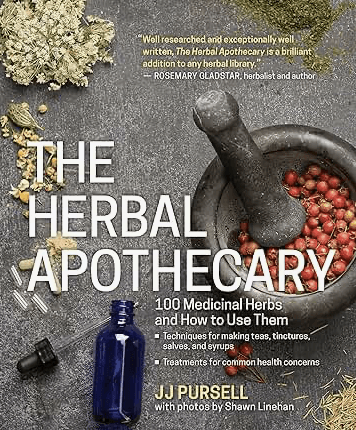
The Herbal Apothecary by JJ Pursell provides practical formulation guidance, including how to prepare alfalfa as tea, tincture, and powder. Pursell's approach honors tradition while offering clear, accessible instruction for modern practitioners.
Folk & Spiritual Traditions
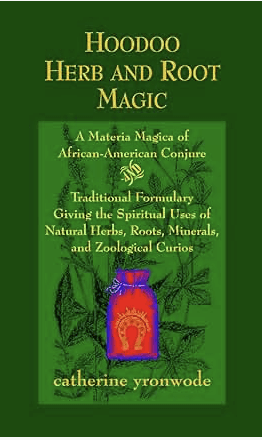
For those drawn to alfalfa's role in prosperity work and folk magic, Hoodoo Herb and Root Magic by Catherine Yronwode explores its use in money-drawing rituals and mojo bags. Yronwode's meticulous research into rootwork traditions makes this an authoritative source for spiritual herbalism.
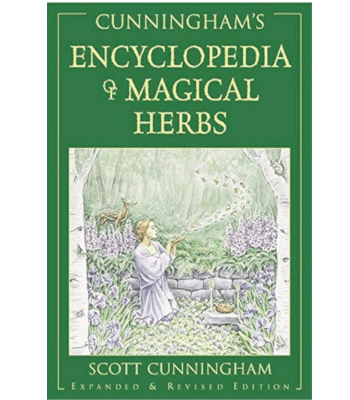
Cunningham's Encyclopedia of Magical Herbs by Scott Cunningham offers a broader view of alfalfa's place in kitchen witchery and abundance rituals, with practical suggestions for integrating it into daily practice.
Nutritive & Clinical Perspectives
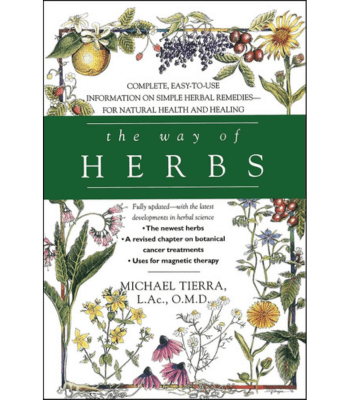
The Way of Herbs by Michael Tierra includes alfalfa among the great nutritive tonics, particularly valued in Traditional Chinese Medicine-influenced Western herbalism for building blood and restoring vitality after illness or childbirth.
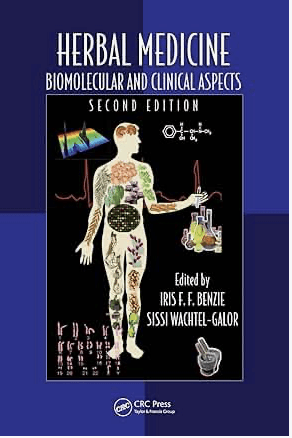
For a deeper dive into the plant's biochemical constituents and therapeutic applications, Herbal Medicine: Biomolecular and Clinical Aspects, edited by Benzie and Wachtel-Galor provides peer-reviewed research on alfalfa's saponins, minerals, and phytonutrients.
Foraging & Cultivation
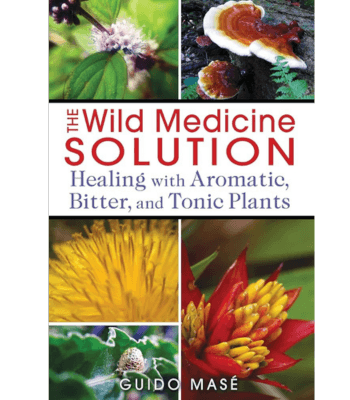
The Wild Medicine Solution by Guido Masé explores alfalfa within the context of naturalized plants that have become part of regional food and medicine systems, with attention to ethical wildcrafting and sustainable use.
*Affiliate links included. We earn a small commission from purchases at no cost to you.
Educational purposes only. Not medical advice. Consult a healthcare provider before use.
