Arnica
Arnica montana
Asteraceae (Daisy Family)
Native to the high alpine meadows, mountain grasslands, and subalpine heaths of Central and Northern Europe, Scandinavia, and Siberia. Thrives in acidic, silica-rich, nutrient-poor soils under harsh winds and intense high-altitude sunlight.
Arnica (Arnica montana)
Essence Overview
Arnica is the undisputed alpine field medic of sudden traumatic impact. Flourishing under thin mountain air, freezing winds, and rocky pastures, it embodies uncompromising structural survival. Arnica moves straight to the center of blunt physical or energetic devastation, breaking up extravasated, trapped blood, dissipating localized fluid accumulation, and commanding damaged vascular walls to mend. It does not nourish gently; it acts as a rapid-response agent that intercepts acute physical shock, disperses localized stagnation, and commands the immediate repair of broken boundaries.
Energetic & Emotional
Profile Its energetic frequency is cool, dispersing, stimulating, and drying. Arnica addresses sudden, violent disruption. When shock strikes, leaving the energetic matrix fractured, disconnected, or leaking personal power, Arnica acts as an auric suture. It grounds consciousness back into the physical frame following deep emotional betrayal, accidents, or invasive trauma. It is the ally to call upon when the system whispers, "I have been shattered,"commanding the scattered fragments to reassemble, dismiss the numbness, and lock down the perimeter.
Traditional Uses
Traditional European mountain folk healers utilized Arnica flowers to compound warming liniments, herbal oils, and healing beeswax salves to treat severe bruises, sprained joints, and muscular dislocations. Historically nicknamed Fallkraut ("fall-herb") across Germanic territories, it was the universal first-aid remedy whenever someone took a dangerous fall in the mountains. In professional herbal practice, its topical use was strictly distinguished from its homeopathic potency, ensuring its sesquiterpene lactones stimulated local white blood cell activity without creating systemic poisoning.
Safety Considerations
STRICTLY FOR EXTERNAL USE ONLY ON INTACT SKIN.
Arnica contains helenalin, a potent compound that causes severe gastroenteritis, cardiac distress, and fatal arrhythmias if whole-plant preparations are ingested internally. Never apply whole-herb Arnica oils, salves, or tinctures to open cuts, weeping eczema, or broken skin, as systemic absorption can occur. Discontinue immediately if contact dermatitis or an allergic rash develops. Internal use is restricted exclusively to regulated, micro-diluted homeopathic potencies.
Tags
trauma-care, vulnerary, topical-herb, anti-inflammatory, bruise-relief, alpine-medicine, shock-dispersion, structural-integrity, traditional-medicine


Recipes: Teas or Topical Uses
For External Use Only. Arnica should strictly be prepared as a topical infused oil, salve, or highly diluted homeopathic tincture. Do not consume as a tea.
For Topical Use ONLY:
Topical Preparation
Arnica Trauma Compress For intact, unbroken skin over acute sprains, contusions, and joint trauma.
Ingredients
1 tablespoon dried Arnica flowerheads
10 ounces boiling spring water
A clean cotton compress cloth
Method
Place dried Arnica flowers into a ceramic bowl.
Pour boiling water over the flowers and cover for 15 minutes.
Strain completely and allow the infusion to cool to room temperature or chill in the refrigerator.
Soak the clean cloth in the cool liquid, wring out lightly, and apply directly over unbroken bruises or sprains for 15 to 20 minutes.
Safety Considerations
Apply only to intact skin; never use over open wounds or weeping rashes.
Healing Benefits and Preparations
Indications Uses: Closed-tissue blunt impact injuries, hematomas, ecchymosis, sprains, strains, post-surgical bruising, unbroken arthritic joints, acute muscle soreness from physical overexertion.
Constituents: Sesquiterpene lactones (helenalin, 11-alpha,13-dihydrohelenalin), flavonoids (isoquercitrin, luteolin-7-glucoside), triterpenes, coumarins (umbelliferone, scopoletin), essential oil (thymol derivatives), phenolic acids.
Preparations: Solar-infused topical oil (1:5 dried flowers in olive/jojoba oil), topical beeswax salve, 1:10 topical rubbing liniment/tincture (for unbroken tissue), homeopathic pellets (30C).
Dosage: Topical salve/oil: Apply sparingly to intact skin 2 to 3 times daily;
Homeopathic: Follow professional homeopathic dispensatory protocols.
Actions: Topical vulnerary, anti-inflammatory, local circulatory stimulant, anti-ecchymotic, analgesic.
Safety Contraindications: Strictly contraindicated for internal use in whole-herb forms. Do not apply topically to broken skin, burns, or open wounds. Avoid in known Asteraceae allergies. Energetics: Cool, dispersing, drying, stimulating.
Duration: Bruise dispersal and localized pain relief begin within 12 to 24 hours of topical application; resolution of deep hematomas occurs over 3 to 7 days.
Potency Level: Extremely high—low-dose/topical botanical only.
Taste Profile: Acrid, intensely bitter, irritating (never ingest).
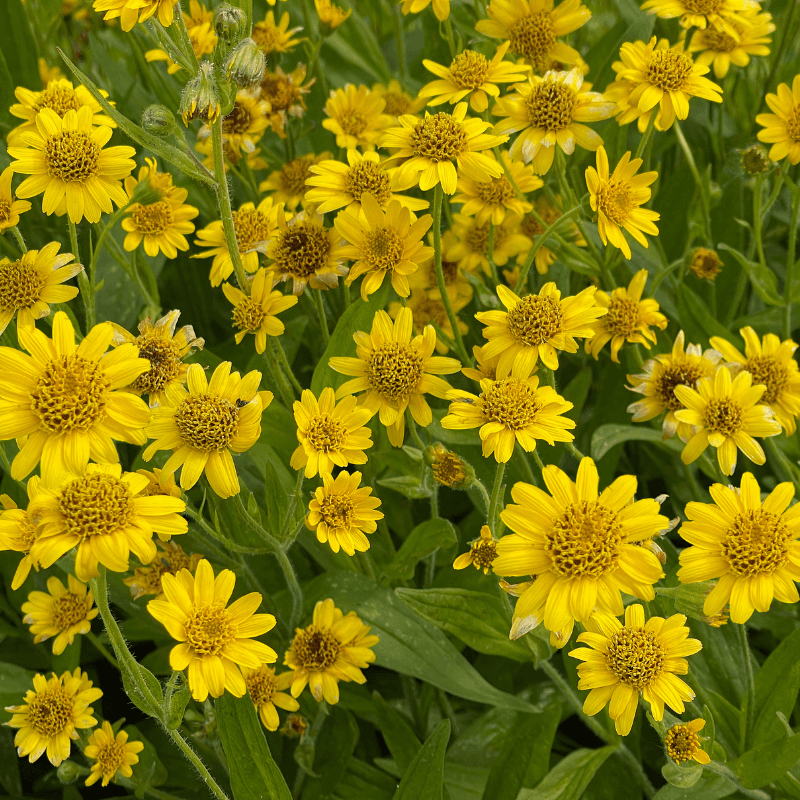
Growth Habitat: Low-growing herbaceous perennial producing a flat basal rosette of downy leaves and erect flowering stems (1 to 2 feet high) bearing 1 to 3 bright golden-yellow daisy-like flowerheads; thrives in acidic, nutrient-poor alpine turf.
Harvest Notes: Gather fully opened golden flowerheads during peak midsummer. Wear gloves to prevent skin sensitization. Dry quickly on mesh screens in dark, warm, well-ventilated areas to prevent mold.

Historical References
In the 12th century, the visionary German abbess Hildegard von Bingen documented Arnica under the name Wolfsbühele, noting its miraculous ability to resolve internal bruising and injuries resulting from violent falls. Throughout central Europe, it was revered as Fallkraut, establishing an essential presence in every alpine traveler’s pack.
In the late 18th century, Dr. Samuel Hahnemann standardized Arnica as the foundational remedy for physical shock and trauma within homeopathic medicine. The celebrated German author and natural philosopher Johann Wolfgang von Goethe famously declared that high-dilution Arnica infusions saved his life when he suffered from severe angina in his late seventies.
Folk and Spiritual Medicinal Uses
In European mountain folklore, Arnica is a sacred solar botanical associated with midsummer harvest fires and boundary preservation. Bundles of dried flowers were historically hung above cattle barns during the summer solstice to ward off lightning, disease, and predatory spirits. In modern occult and energetic herb craft, Arnica is employed as an "auric suture".
Following severe emotional heartbreak, unexpected psychic shocks, or cord-cutting rituals, an energetic mist of diluted Arnica is sprayed around the aura to repair tears in the energetic shield and seal personal sovereignty against vampiric energy drains.
Affirmations: "What was struck is mended. What was scattered is bound. My borders are closed, and my sovereign structure remains unbroken."
Spiritual Ritual Use: Post-trauma aura mending, energetic boundary sealing, cord-cutting closure, shock-release rituals, solar protection amulets.
Gemstones:
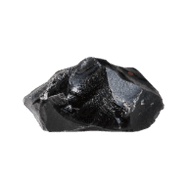
Black Obsidian (shielding shock)
Hematite (grounding blood)

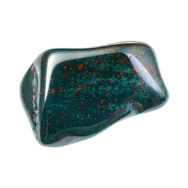
Bloodstone (structural integrity)
Phase of the Moon:

Waning Moon for dispersing shock, bruising, and heavy stagnant trauma.
Vibe Code: Acute Repair, Boundary Armor, Shock Dissolution, Fortitude, Sovereign Shielding, Rapid Reset.
YouTube Video Library
Arnica: Mountain Medic of Shock & Structural Repair
Explore the pharmacological actions, helenalin chemistry, and acute trauma medicine of Arnica (Arnica montana), nature’s uncompromising guardian against impact.

YouTube Link: Coming soon!
The Herbalist's Library: Arnica
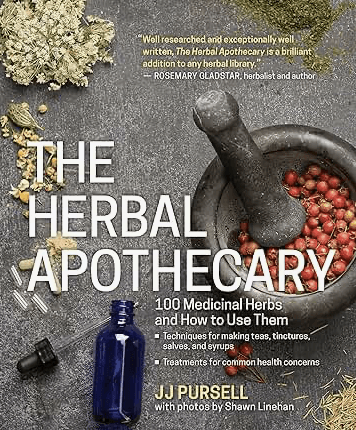
The Herbal Apothecary by JJ Pursell provides practical formulation guidance, including how to prepare alfalfa as tea, tincture, and powder. Pursell's approach honors tradition while offering clear, accessible instruction for modern practitioners.
Folk & Spiritual Traditions
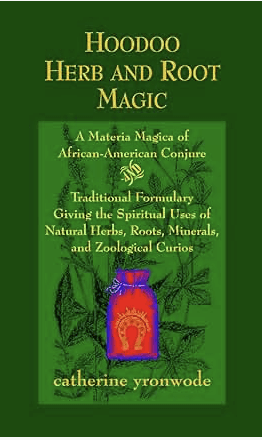
For those drawn to alfalfa's role in prosperity work and folk magic, Hoodoo Herb and Root Magic by Catherine Yronwode explores its use in money-drawing rituals and mojo bags. Yronwode's meticulous research into rootwork traditions makes this an authoritative source for spiritual herbalism.
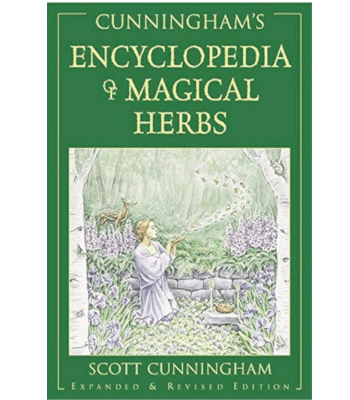
Cunningham's Encyclopedia of Magical Herbs by Scott Cunningham offers a broader view of alfalfa's place in kitchen witchery and abundance rituals, with practical suggestions for integrating it into daily practice.
Nutritive & Clinical Perspectives
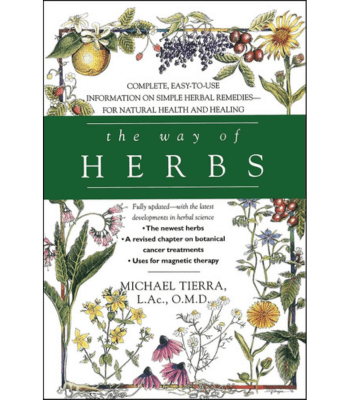
The Way of Herbs by Michael Tierra includes alfalfa among the great nutritive tonics, particularly valued in Traditional Chinese Medicine-influenced Western herbalism for building blood and restoring vitality after illness or childbirth.
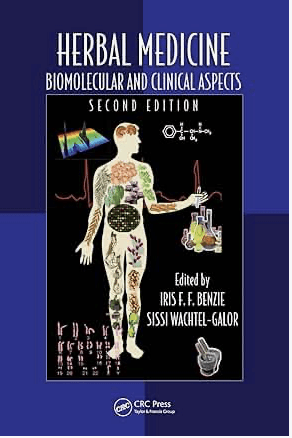
For a deeper dive into the plant's biochemical constituents and therapeutic applications, Herbal Medicine: Biomolecular and Clinical Aspects, edited by Benzie and Wachtel-Galor provides peer-reviewed research on alfalfa's saponins, minerals, and phytonutrients.
Foraging & Cultivation
The Wild Medicine Solution by Guido Masé explores alfalfa within the context of naturalized plants that have become part of regional food and medicine systems, with attention to ethical wildcrafting and sustainable use.
*Affiliate links included. We earn a small commission from purchases at no cost to you.
Educational purposes only. Not medical advice. Consult a healthcare provider before use.
