
Anise
Pimpinella anisum
Apiaceae (Parsley Family)
Native to the Eastern Mediterranean, Egypt, and Southwest Asia. Thrives in well-drained, light, loam soils baked under intense, uninterrupted sunlight.
Essence Overview
Anise cuts through stagnation with surgical, liquorice-sweet precision. Its aromatic nature bypasses heavy metabolic lag to directly awaken smooth muscle, breaking open clenched digestive spasms and scouring tight, catarrhal airways. This tiny seed holds a concentrated charge of kinetic warmth: it refuses to let energy pool in toxic paralysis, compelling stagnant gas, mucus, and hesitation to clear out.
Energetic & Emotional Profile
Anise targets trapped pressure points. Energetically, it dissolves the internal constriction caused by unspoken anger, nervous overthinking, and frozen willpower. It opens the throat and diaphragm, encouraging you to exhale accumulated psychic debris and express your boundaries without hesitation. It is an ally for those who feel bound by bureaucratic delays, digestive sluggishness, or a congested voice that needs liberation.
Vibe Code
Precision, Movement, Expulsion, Sharp Focus, Cleansing Breath, Dynamic Release.
Tags
carminative, expectorant, antispasmodic, digestive-tonic, respiratory-relief, sweet-seed, gas-relief, folk-magic, traditional-remedy


Tea Recipes Herbal Infusion
Aniseed
Carminative & Chest Relief Tea
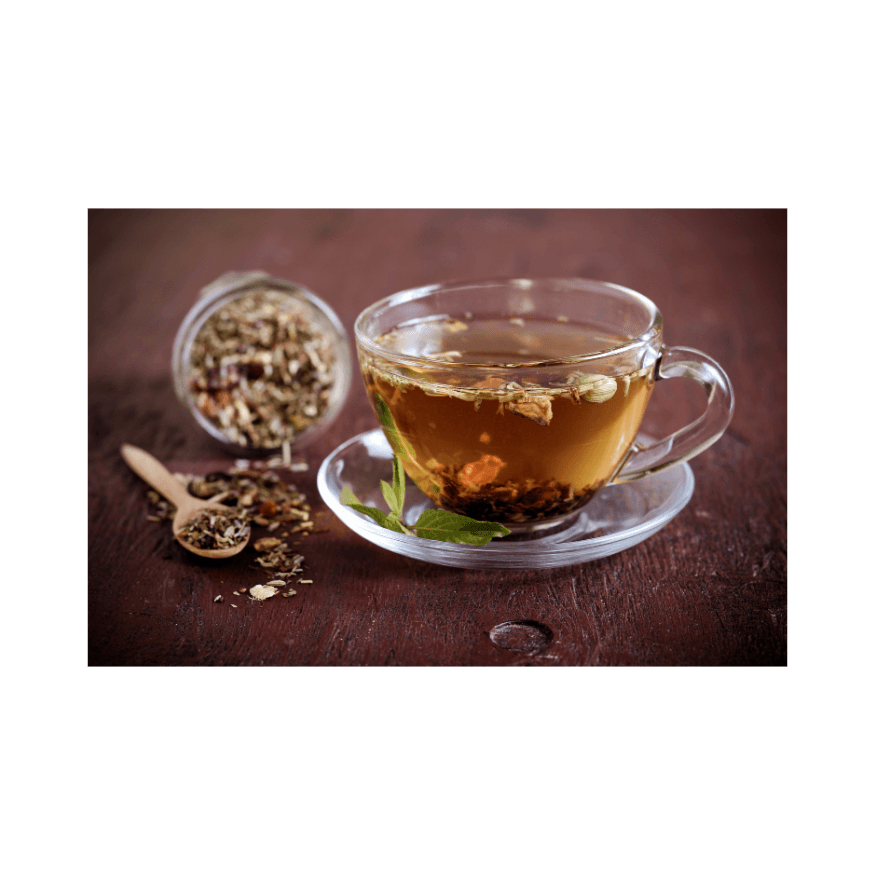
Aniseed brews a pale golden, intensely sweet, aromatic, and warming tea with a characteristic liquorice bouquet. It relaxes abdominal spasms within minutes of the first sip.
Ingredients
1 teaspoon dried whole Aniseeds (lightly crushed)
8 to 10 ounces freshly boiled spring water
Optional additions: A pinch of fennel seed or chamomile flowers to expand antispasmodic coverage
Method
Lightly crush the aniseeds in a mortar and pestle just prior to brewing to rupture the pericarp and liberate the volatile anethole oils.
Place crushed seeds into a ceramic mug or teapot.
Pour boiling water directly over the seeds.
Cover tightly with a lid to keep the aromatic essential oils from evaporating with the steam.
Steep covered for 10 to 12 minutes.
Strain thoroughly and sip warm after meals.
Notes for Use
Drink 1 cup immediately after rich meals to prevent indigestion, or sip slowly throughout the evening to ease tight bronchial coughing.
Safety Considerations
Avoid high medicinal doses during pregnancy. Ensure seeds are crushed immediately before steeping to preserve active aromatics.
Healing Benefits and Preparations
Indications Uses: Flatulent colic, bloating, intestinal cramps, hard unproductive coughs, bronchial catarrh, tracheitis, low lactation, halitosis.
Constituents: Volatile essential oil (80–95% trans-anethole, estragole, anise ketone), flavonoids (rutin, luteolin, apigenin), phenolic acids, fatty acids, coumarins, sterols.
Preparations: Crushed seed infusion, alcohol tincture (1:5, 60% alcohol), distilled aromatic water, herbal syrups, lozenges.
Dosage: Infusion: 1 cup taken 2 to 3 times daily; Tincture: 20 to 40 drops in water after meals; Crushed seeds: 1 to 3 grams daily.
Actions: Carminative, antispasmodic, expectorant, secretomotoric, mild galactagogue, aromatic stomachic.
Safety Contraindications: Contraindicated in individuals with active estrogen-sensitive cancers; avoid concentrated essential oil internally.
Energetics: Warming, drying, pungent, sweet, stimulating.
Duration: Carminative and antispasmodic digestive relief is noticeable within 15 to 30 minutes; expectorant clearing of respiratory catarrh develops over 2 to 4 days.
Potency Level: Moderate to high—rapidly acting aromatic stimulant.
Taste Profile: Intensely sweet, aromatic, liquorice-like, pungent, sharp with a clean warm finish.
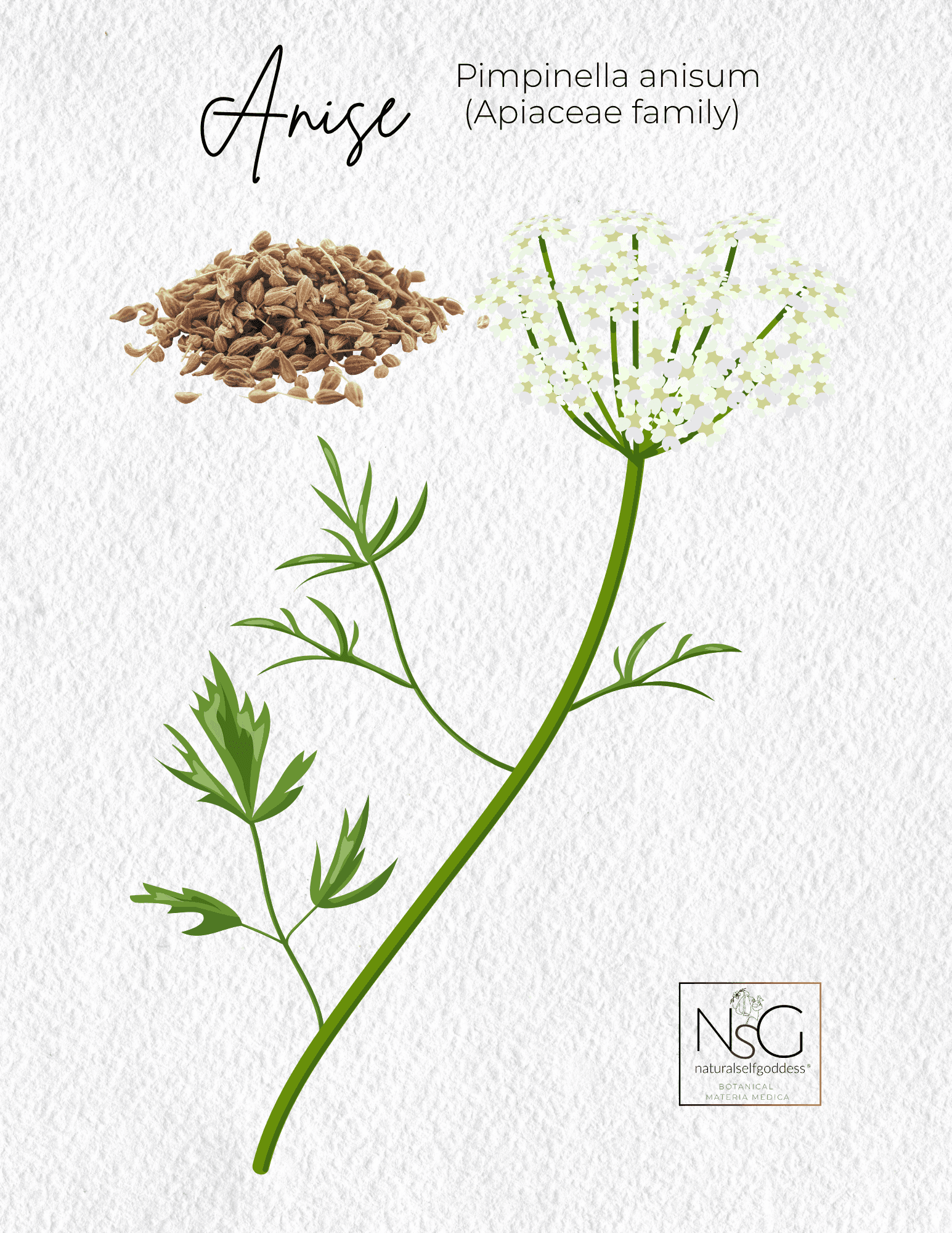
Growth Habitat: Dainty annual herb growing 1 to 2 feet tall with feathery dissected foliage and delicate terminal umbels of small white blossoms; requires full sun and well-drained, sandy loams.
Harvest Notes: Harvest the seed umbels in late summer when the seeds turn from green to a grayish-brown hue. Cut entire umbels in the morning, hang upside down in paper bags in an airy space, and shake loose when fully dry.
Historical References
Anise is one of the oldest cultivated spices in recorded history, cited in the ancient Egyptian Ebers Papyrus (circa 1500 BCE) as a prized digestive and breath-sweetening medicine. In ancient Rome, aniseed was baked into spiced cakes known as mustaceus, which were served at the conclusion of lavish wedding feasts to prevent indigestion and flatulence—a tradition that evolved into modern wedding cakes.
Charlemagne decreed in 812 CE that anise must be cultivated across all imperial monastic estates. By the 16th century, European distillers featured aniseed as the primary aromatic heart of iconic Mediterranean spirits, including French pastis, Greek ouzo, and Italian sambuca.
Folk and Spiritual Medicinal Uses
In classical Mediterranean folklore, European paganism, and Hoodoo, Anise is celebrated as an elite plant of psychic defense, sweetening vibrations, and mental clarity. Whole seeds were carried in white mojo bags to ward off the "evil eye," dispel nightmares, and safeguard the aura during astral travel. Sprinkled around an altar or burned over charcoal, the sweet aromatic smoke purifies the space of hostile thought-forms and attracts benevolent spiritual assistance. It is frequently integrated into sweetening baths to help an individual release bitter resentments and command respect with an articulate voice.
Affirmations: "I release all internal constriction. My breath is clear, my stomach is calm, and I express my truth with articulate sovereignty."
Spiritual Ritual Use: Night-terror defense pillows, psychic protection sachets, sweetening rituals, throat chakra activation, uncrossing baths.
Gemstones:
Carnelian (vitality, action)

Tiger’s Eye (clarity, grounding)

Fluorite (mental focus)
Phase of the Moon:
Waxing Moon for momentum and attraction

New Moon for clean mental focus and warding off confusion

Vibe Code: Precision, Movement, Sweet Fire, Release, Articulation, Clarity.
YouTube Video Library
Aniseed: The Sweet Fire of Digestive Precision
Discover the history, volatile chemistry, and antispasmodic power of Anise (Pimpinella anisum), nature's sweet botanical ally for digestive colic and respiratory ease.
YouTube Link:

Coming soon.
The Herbalist's Library
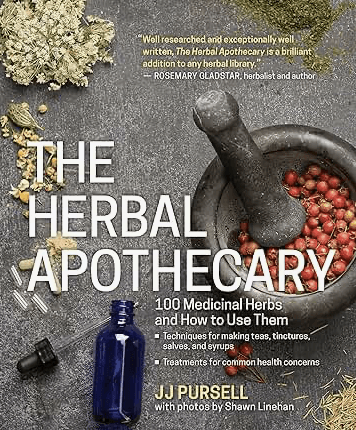
The Herbal Apothecary by JJ Pursell provides practical formulation guidance, including how to prepare alfalfa as tea, tincture, and powder. Pursell's approach honors tradition while offering clear, accessible instruction for modern practitioners.
Folk & Spiritual Traditions
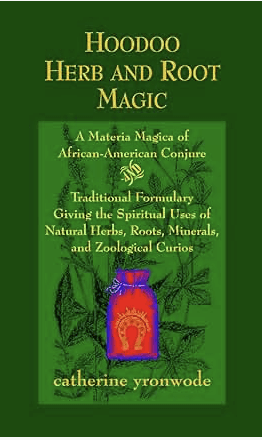
For those drawn to alfalfa's role in prosperity work and folk magic, Hoodoo Herb and Root Magic by Catherine Yronwode explores its use in money-drawing rituals and mojo bags. Yronwode's meticulous research into rootwork traditions makes this an authoritative source for spiritual herbalism.
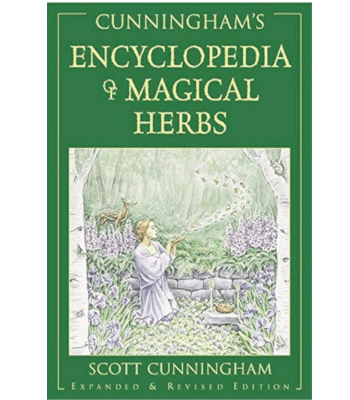
Cunningham's Encyclopedia of Magical Herbs by Scott Cunningham offers a broader view of alfalfa's place in kitchen witchery and abundance rituals, with practical suggestions for integrating it into daily practice.
Nutritive & Clinical Perspectives
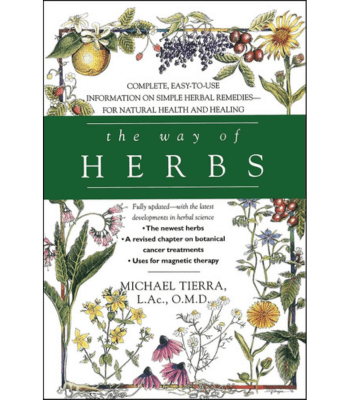
The Way of Herbs by Michael Tierra includes alfalfa among the great nutritive tonics, particularly valued in Traditional Chinese Medicine-influenced Western herbalism for building blood and restoring vitality after illness or childbirth.
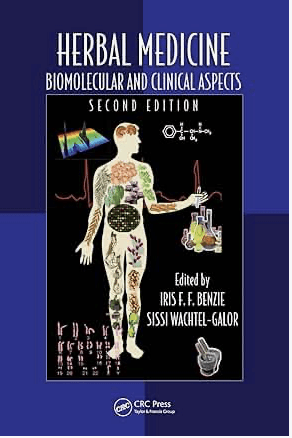
For a deeper dive into the plant's biochemical constituents and therapeutic applications, Herbal Medicine: Biomolecular and Clinical Aspects, edited by Benzie and Wachtel-Galor provides peer-reviewed research on alfalfa's saponins, minerals, and phytonutrients.
Foraging & Cultivation
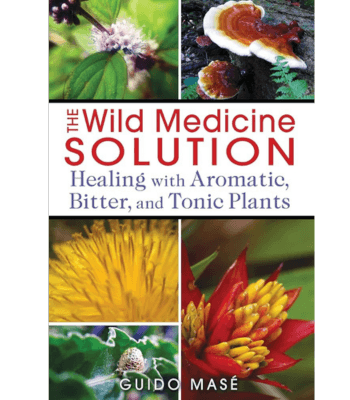
The Wild Medicine Solution by Guido Masé explores alfalfa within the context of naturalized plants that have become part of regional food and medicine systems, with attention to ethical wildcrafting and sustainable use.
*Affiliate links included. We earn a small commission from purchases at no cost to you.
Educational purposes only. Not medical advice. Consult a healthcare provider before use.
