
Angelica
Angelica archangelica
Apiaceae (Parsley Family)
Native to Northern and Eastern Europe, Iceland, and Siberia. Thrives in damp meadows, riverbanks, subarctic zones, and cool, running water borders.
Angelica
Essence Overview
Angelica arrives like an unyielding banner of radiant fire cutting through deep, calcified winter. It is not an herb of delicate coaxing; it is an architectural botanical commander that kindles peripheral circulation, disperses long-held systemic cold, and establishes a fiercely fortified energetic perimeter. Built from hollow, towering flutes and aromatic taproots, it moves dynamic fluid through sluggish tissues, clearing the phlegmatic residue that settles when the internal fire dims.
Energetic & Emotional Profile
Angelica holds an unmistakably solar, warming frequency that penetrates cold, damp stagnation in both body and consciousness. Emotionally, it restores authority to spirits that have retreated inward from psychic exhaustion, chronic vulnerability, or energetic intimidation. By stoking the digestive fire and raising the chest's vital respiratory tone, Angelica breaks through emotional paralysis, instructing the self to step forward, reclaim lost territory, and stand unwavering against outside manipulation.
Traditional Uses
Traditional European and Eclectic herbalists historically relied on Angelica root as a supreme carminative, diaphoretic, and aromatic bitter. Administered as decoctions, alcohol tinctures, and candied stems, it was deployed to ignite failing digestive fires, warm cold pelvic stagnation, and encourage systemic sweating to break stubborn chills. In northern folk traditions, small pieces of the dried root were carried, chewed, or infused in wine to stimulate appetite, ward off contagious atmospheres, and preserve constitutional vitality during dark, damp winters.
Safety Considerations
Angelica stimulates uterine contractions and is strictly contraindicated during pregnancy. The plant's furanocoumarins increase photosensitivity; avoid excessive sunlight and UV exposure during use to prevent contact phytophotodermatitis. Use with caution in active gastric ulcers or bleeding disorders. Not indicated for long-term daily consumption without cyclic rest.
Energetics
Warming, drying, pungent, stimulating, bitter.
Taste Sensory Profile
Aromatic, pungent, intensely bitter with sweet, musky undertones.
Vibe Code
Fortitude, Illumination, Authority, Boundary Defense, Thermal Radiance, Sovereignty.
Tags
warming-herb, circulatory-stimulant, respiratory-clearing, digestive-fire, carminative, protective-shield, boundary-setter, bitter-tonic, traditional-medicine


Tea Recipes
Herbal Decoction
Angelica Root Warming Brew Angelica brings an intensely aromatic, bitter, and resinous warmth to the cup. The decoction is spicy, musky, and penetrating, driving blood to the extremities and stimulating gastric fire.
Ingredients
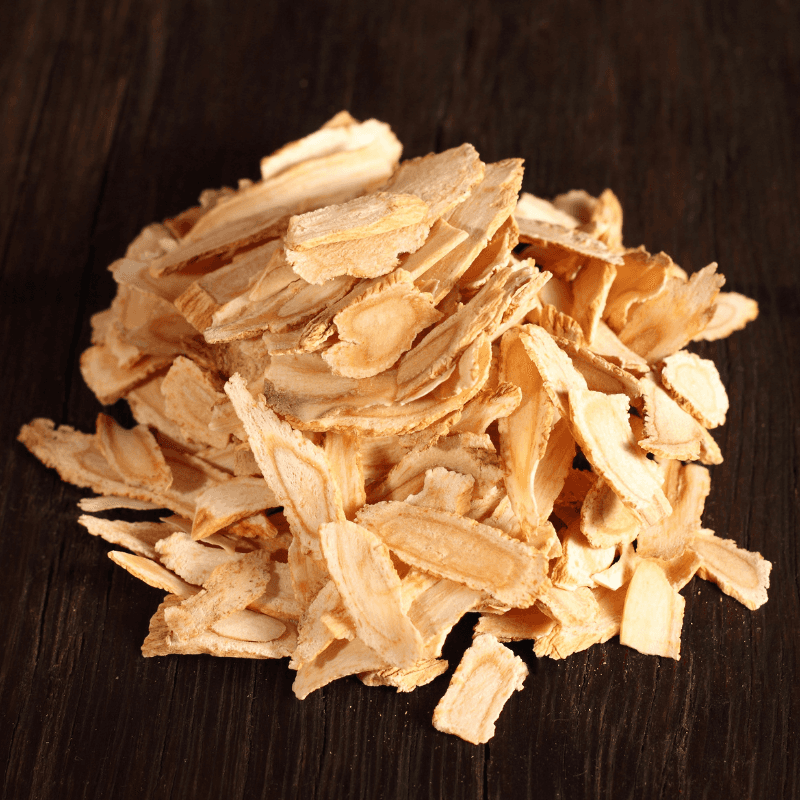
1 teaspoon coarsely chopped dried Angelica root
10 ounces spring water
Optional: A slice of fresh ginger or touch of raw honey to balance the sharp bitter resin
Method
Place dried Angelica root pieces into a small covered pot with 10 ounces of water.
Bring to a gentle boil, then reduce heat and simmer covered for 15 minutes.
Remove from heat and allow to steep covered for an additional 10 minutes to extract volatile principles.
Strain thoroughly through a fine mesh filter.
Sip warm in 2 to 3 ounce doses 20 minutes before meals.
Notes for Use
Use during acute digestive sluggishness, cold extremities, or deep bronchial congestion. Best taken as a short-term restorative protocol rather than a casual beverage.
Safety Considerations
Avoid during pregnancy and lactation. Do not combine with intensive tanning or UV sun exposure due to photosensitizing compounds.
Healing Benefits and Preparations Indications Uses
Sluggish digestion with flatulent colic, cold dyspepsia, chronic bronchial catarrh, unproductive coughs with cold phlegm, peripheral vascular chilliness, delayed menstruation due to cold stagnation.
Constituents
Volatile oils (beta-phellandrene, pinene, limonene), furanocoumarins (angelicin, bergapten, imperatorin), archangelicin, caffeic acid derivatives, sucrose, organic acids.
Preparations
Root decoction, 1:5 high-proof alcohol tincture, powdered root capsules, infused herbal oil (external), aromatic steam baths.
Dosage
Decoction: 2 to 3 ounces taken warm up to twice daily; Tincture (1:5): 30 to 60 drops in warm water 2 to 3 times daily; Dried root: 1 to 2 grams daily. Actions: Warming circulatory stimulant, carminative, diaphoretic, expectorant, bitter stomachic, emmenagogue.
Safety Contraindications
Strictly avoid during pregnancy due to uterine stimulation. Contraindicated in individuals with active peptic ulcers or acute kidney inflammation. Discontinue if dermal irritation or photosensitivity develops.
Energetics
Warming, drying, pungent, stimulating, bitter.
Duration
Digestive stimulation and carminative actions are noticed within 20 to 30 minutes; chronic circulatory and respiratory support unfolds over 1 to 3 weeks of cyclic use.
Potency Level
High. intensely active aromatic bitter.
Taste Profile
Pungent, warming, aromatic, intensely bitter with lingering sweet-musky undertones.
Growth Habitat
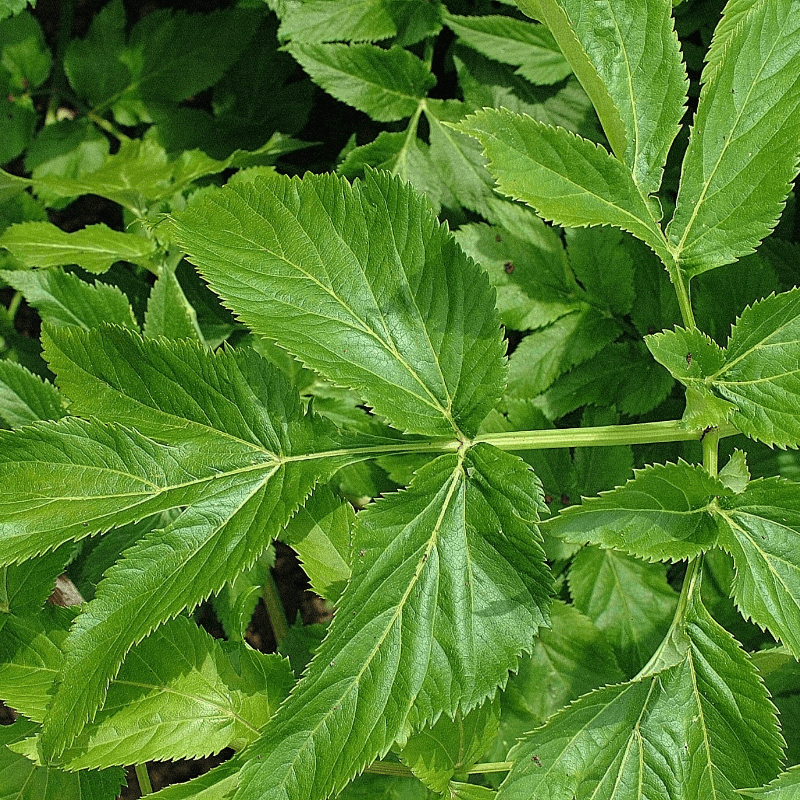
Stout biennial or short-lived perennial reaching 4 to 6 feet tall with large umbels of greenish-white flowers; thrives in full to partial sun in damp, rich, subarctic soils and river borders.
Harvest Notes
Dig the deep roots in late autumn of the plant's first year or early spring before second-year flowering stalks rise. Wear protective gloves during harvesting to prevent phototoxic reactions from the fresh sap. Dry thoroughly in slices at low temperatures away from direct sunlight.

Plague & Medieval Medicine
Named Angelica from the legend that the Archangel Michael revealed its curative properties to a 14th-century monk during the bubonic plague. Apothecaries formulated it as a cornerstone ingredient in the legendary "Angelica Water" of the Royal College of Physicians to defend against pestilence.
Renaissance Herbals
Documented by 16th-century botanists, Rembert Dodoens and John Gerard, who praised its pungent warmth for resolving poisonings, cold venom, and deep chest infections.
Monastic Elixirs
Angelica root and seed provided the distinct, bitter-spiced backbone for classical European liqueurs like Chartreuse and Bénédictine, designed by monastic apothecaries as carminative digestive cordials.
Spiritual Ritual Use
Hoodoo, European folk conjure, and traditional witchcraft honor Angelica as the "Root of the Holy Ghost." Dried roots are carved into protective charms, added to red mojo bags to fend off psychic intrusions, and simmered into floor washes to drive uninvited, parasitic entities out of the living space.
Chewing a small piece of root before entering adversarial spaces anchors sovereignty and commands vocal respect.
Elemental Chakra Correspondence
Solar Plexus (Manipura)

Mantra: "I AM strong, powerful, and confident."
Sacral (Svadhisthana)

Mantra: "I AM creative, passionate, and adaptable."
Throat (Vishuddha)

Mantra: "I AM expressive, authentic, and truthful."
Gemstone Ally
Sunstone, Pyrite, Amber:
Sunstone (solar fire)

Pyrite (protective boundary)
Amber (warmth and preservation)

Affirmations
"I kindle the unyielding fire within my vessel. I command my perimeter, dispel deep cold, and walk in protected authority."
Ritual Baths
Boil 3 pieces of dried root into a concentrated brew; add to sea salt baths to strip heavy attachments, snap curses, and restore the auric wall.
Vibe Code
Fortitude, Illumination, Authority, Boundary Defense, Thermal Radiance, Sovereignty.
Angelica: Fortress of Warming Defense
Explore the medicinal history, clinical applications, and boundary-setting energy of Angelica (Angelica archangelica), nature’s towering sovereign of circulation and protective warmth. YouTube Link:

Video coming soon.
The Herbalist's Library
Angelica
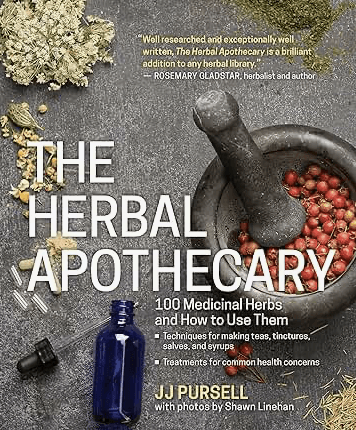
The Herbal Apothecary by JJ Pursell provides practical formulation guidance, including how to prepare alfalfa as tea, tincture, and powder. Pursell's approach honors tradition while offering clear, accessible instruction for modern practitioners.
Folk & Spiritual Traditions
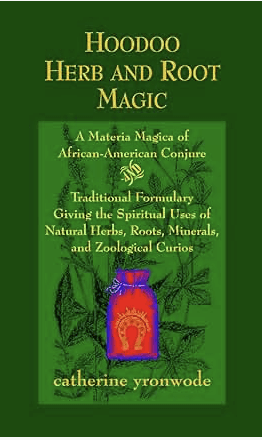
For those drawn to alfalfa's role in prosperity work and folk magic, Hoodoo Herb and Root Magic by Catherine Yronwode explores its use in money-drawing rituals and mojo bags. Yronwode's meticulous research into rootwork traditions makes this an authoritative source for spiritual herbalism.
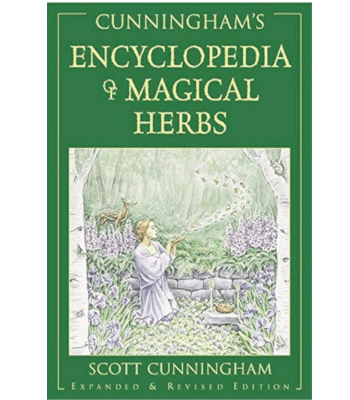
Cunningham's Encyclopedia of Magical Herbs by Scott Cunningham offers a broader view of alfalfa's place in kitchen witchery and abundance rituals, with practical suggestions for integrating it into daily practice.
Nutritive & Clinical Perspectives
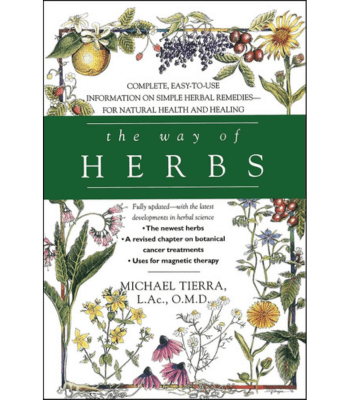
The Way of Herbs by Michael Tierra includes alfalfa among the great nutritive tonics, particularly valued in Traditional Chinese Medicine-influenced Western herbalism for building blood and restoring vitality after illness or childbirth.
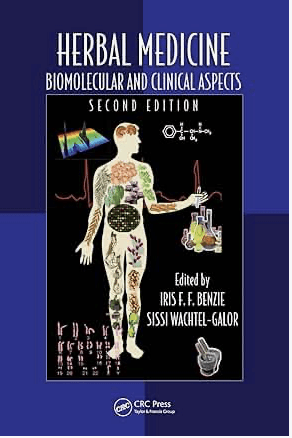
For a deeper dive into the plant's biochemical constituents and therapeutic applications, Herbal Medicine: Biomolecular and Clinical Aspects, edited by Benzie and Wachtel-Galor provides peer-reviewed research on alfalfa's saponins, minerals, and phytonutrients.
Foraging & Cultivation
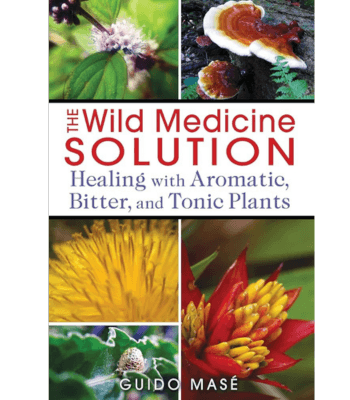
The Wild Medicine Solution by Guido Masé explores alfalfa within the context of naturalized plants that have become part of regional food and medicine systems, with attention to ethical wildcrafting and sustainable use.
*Affiliate links included. We earn a small commission from purchases at no cost to you.
Educational purposes only. Not medical advice. Consult a healthcare provider before use.
